
Industrial Gaskets — Reliable Sealing Solutions for Every Industry
What / Why — Gaskets are engineered sealing elements that prevent leakage between two mating surfaces. Choosing the right gasket reduces downtime, ensures safety and extends equipment life.
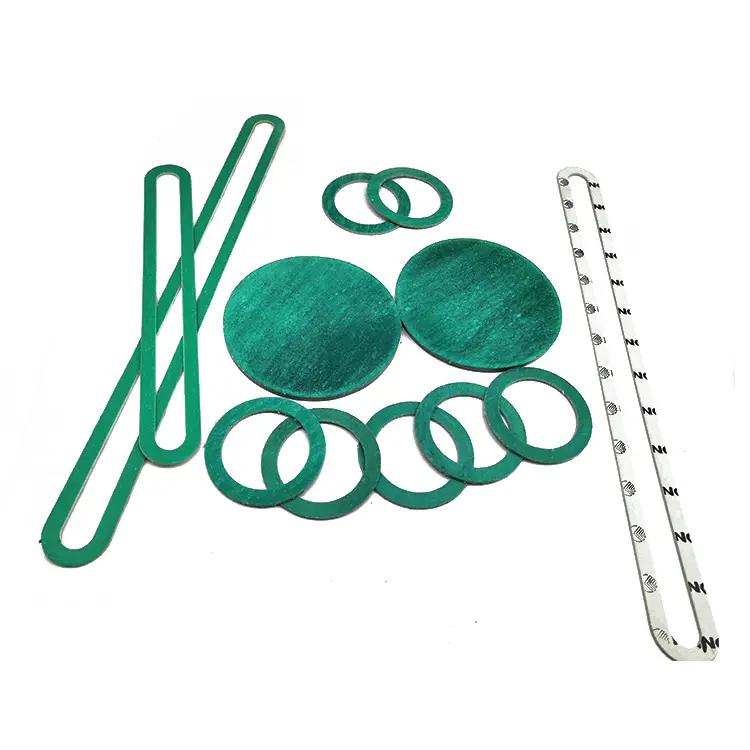
Executive Summary
Our industrial gasket portfolio covers materials and constructions for high-performance sealing across temperature, pressure and chemical environments. This page helps procurement, engineers and maintenance teams quickly evaluate options and download technical data.What is an Industrial Gasket?
Gaskets are mechanical seals used to fill the space between two or more mating surfaces. They are available in sheets, rings, and custom-cut parts and are selected based on media compatibility, temperature, pressure, and flange finish.-
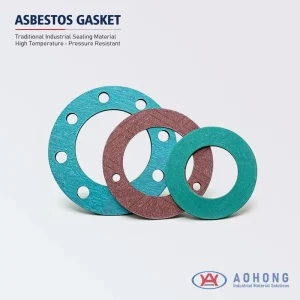
 Asbestos Gasket
Compressed Asbestos Fiber Gaskets
-
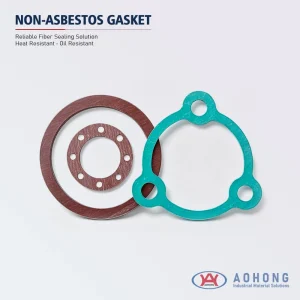
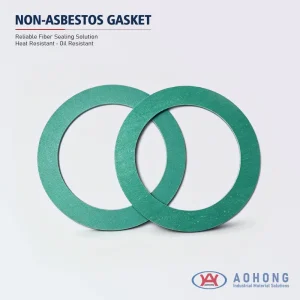
Non-Asbestos Gasket
Compressed Fiber Gaskets
-
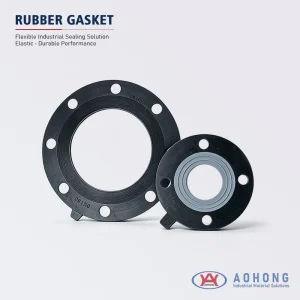
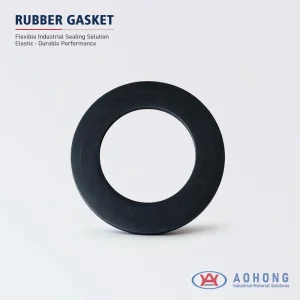
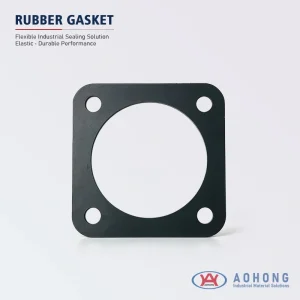
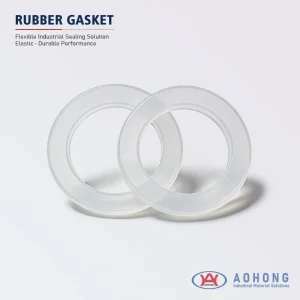
Rubber Gasket
EPDM Rubber Gaskets
-
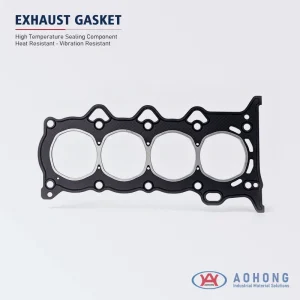
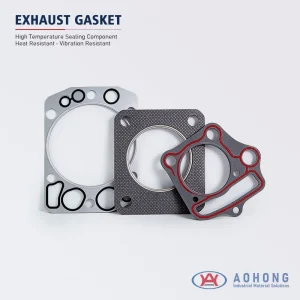
Exhaust Gasket
Exhaust Manifold Gasket
-
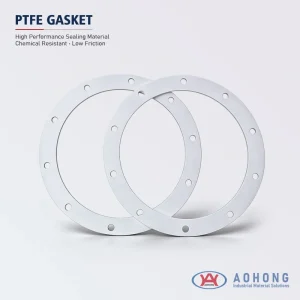
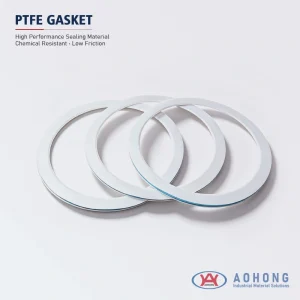
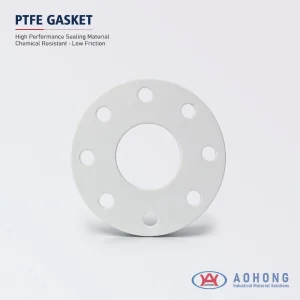
PTFE gasket
Expanded PTFE Gasket
-
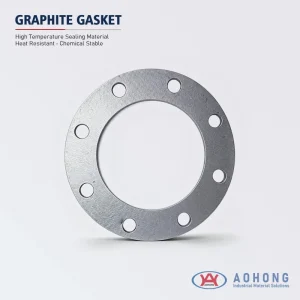
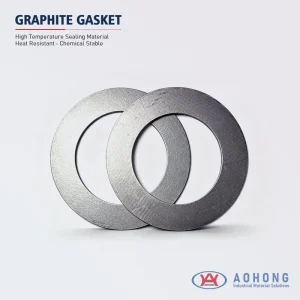
Graphite Gasket
Graphite Gasket With Eyelets
-
Rubber Gasket
Neoprene Rubber Gaskets
-
Rubber Gasket
Nitrile Rubber Gaskets
-
Non-Asbestos Gasket
Non Asbestos Aramid Fiber Gasket
-
PTFE gasket
PTFE Envelope Gasket
-
Graphite Gasket
Reinforced Graphite Gasket
-
Rubber Gasket
Silicone Rubber Gasket
-
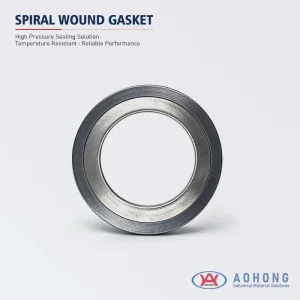
Spiral Wound Gasket
Spiral Wound Gasket With Inner Ring
-
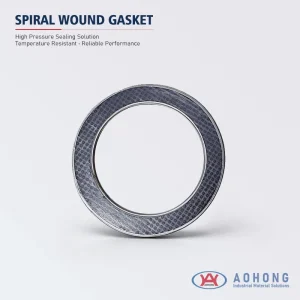
Spiral Wound Gasket
Spiral Wound Gasket Without Inner Ring
-
Exhaust Gasket
Turbocharger Gasket
-
PTFE gasket
Virgin PTFE Gaskets
Gasket Classification

Installation flowchart
Ready to specify the right gasket?
By Material
- Graphite (flexible graphite sheets)
- PTFE (pure, filled)
- Rubber (NBR, EPDM, Viton®)
- Non-Asbestos Composites
- Metallic & Spiral-Wound
By Structure
- Sheet gaskets
- Spiral-wound gaskets
- Ring-type joints (RTJ)
- Compressed fiber gaskets
By Application
- Petrochemical & Refining
- Power Generation (steam)
- Food & Pharma (sanitary PTFE)
- Water & Sewage
- Automotive & HVAC
Selection Guide — How to Choose the Right Gasket
- Identify media (steam, oil, corrosive chemicals, potable water).
- Temperature & pressure — confirm max operating T and P and transient conditions.
- Flange type & finish — flat face, raised face, RTJ.
- Regulatory & hygiene — food-grade PTFE, FDA/USP where required.
- Compression & recovery — important for dynamic or thermal cycling applications.
Technical Parameters & Common Dimensions
Below are sample technical parameters often used for pre-selection.| Material | Temp Range (°C) | Max Pressure (bar) | Typical Thickness (mm) | Key Applications |
|---|---|---|---|---|
| Graphite (flexible) | -200 to 450 | ≤ 250 | 0.5 / 1.0 / 2.0 | Steam, high-temp services |
| PTFE (pure) | -200 to 260 | ≤ 100 | 0.5 / 1.5 / 3.0 | Chemical, food, pharma |
| Rubber (EPDM) | -40 to 150 | ≤ 16 | 1.5 / 3.0 | Water, HVAC |
| Spiral-wound (metal + filler) | -200 to 550 | ≤ 400 | ASME standard | High pressure / temp |
Common Sheet Sizes
| Sheet Size (mm) | Typical Thicknesses (mm) | Usual Use |
|---|---|---|
| 1000 x 1000 | 0.5, 1.0, 2.0 | Cut gaskets / small flanges |
| 1500 x 1500 | 1.0, 2.0, 3.0 | Large flange gaskets |
| 2000 x 1000 | 1.5, 3.0 | Custom-cut & fabrications |
Product Data & Technical Documents
Download detailed datasheets, material certification and test reports.Installation, Tightening & Maintenance Guide
Proper installation and bolt tightening significantly increase gasket life:- Clean flange faces — remove old gasket residue and debris.
- Inspect flange flatness and alignment.
- Use proper bolt torque pattern — incremental cross pattern tightening.
- Re-torque after initial heating/cool cycle when recommended.
- Routine inspection schedule for critical services.
Application Industries & Case Studies
Representative industries where our gaskets are used:- Petrochemical & Oil & Gas — high-temp steam and corrosive service
- Power — boiler feed, turbine auxiliaries
- Food & Beverage — sanitary PTFE gaskets
- Water Treatment — long-term sealing in potable water systems
Performance Comparison & Material Selection Matrix
| Property | Graphite | PTFE | Rubber | Spiral-wound |
|---|---|---|---|---|
| Chemical resistance | Excellent (oxidizing caution) | Excellent | Good | Excellent (metal selection dependent) |
| Temp range | Very wide | Wide | Moderate | Very wide |
| Compressibility | High | Moderate | High | Low (metal) |
| Suitable pressure | High | Low-Mid | Low | Very High |
Common Failures & Troubleshooting
- Leak at flange after installation
- Causes: Insufficient torque, uneven flange, wrong gasket material. Check torque sequence and flange faces.
- Gasket extrusion or blowout
- Causes: Overpressure, too thin material, incorrect gasket type. Use reinforced or thicker gasket and verify design pressure.
- Rapid aging / cracking
- Causes: Chemical attack, temperature above material limits. Replace with compatible material and review operating conditions.
FAQ — For Purchasing / Engineering / Maintenance
Q: What certifications are available?
A: We provide material certificates (mill test), RoHS, FDA compliance for food-grade PTFE on request.Q: Do you offer custom-cut gaskets?
A: Yes. We support CNC die-cutting and waterjet cutting to custom profiles and offer sample turnaround typically within business days (confirm lead times with sales).Q: What information is needed for a fast quote?
A: Provide material, gasket thickness, outer/inner diameters or drawing, estimated quantity and service conditions (T, P, media).
Contact our technical team for material selection, testing data and custom solutions.