FRP Rebars — Corrosion-Resistant Reinforcement for Demanding Concrete Projects
What / Why — FRP rebars are fiberglass-reinforced polymer reinforcing bars used to replace or supplement steel rebar in concrete structures exposed to corrosion, moisture, de-icing salts, or electromagnetic-sensitive environments. They help extend service life, reduce maintenance, and improve lifecycle economics in infrastructure and industrial construction.
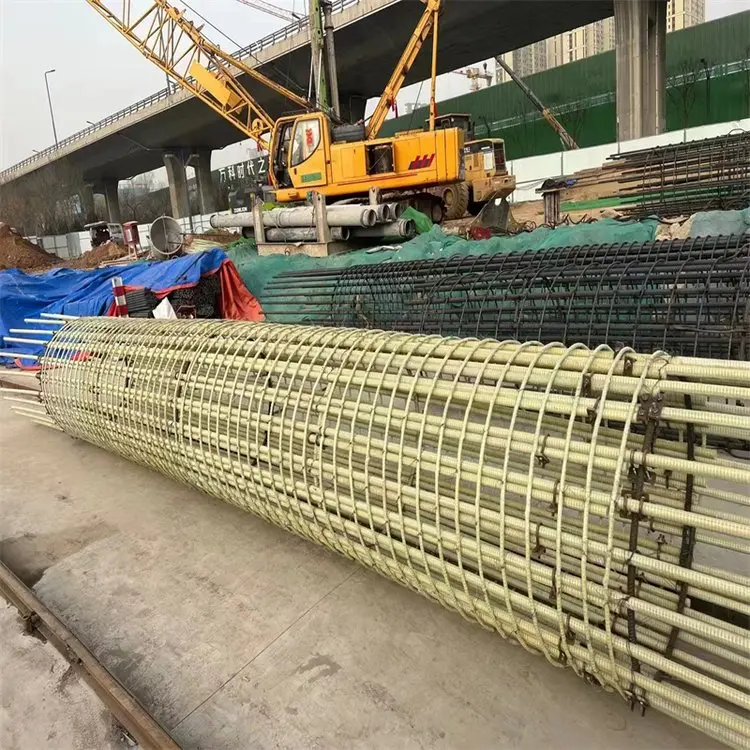
FRP rebar applications in infrastructure and industrial construction
Executive Summary
FRP rebars are increasingly specified where conventional steel reinforcement is vulnerable to corrosion, chloride attack, stray current, or where non-conductive reinforcement is preferred. For buyers and project specifiers, the main value lies in reduced maintenance, longer service life and fewer durability failures in aggressive environments.
This pillar page is structured around real sourcing needs: where FRP rebars are used, which projects benefit most, how to compare them with traditional reinforcement, and what technical information is required for procurement.
What Is FRP Rebar?
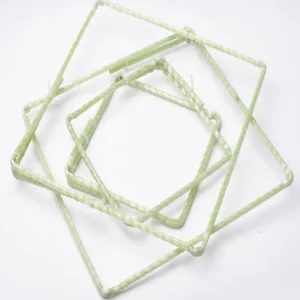
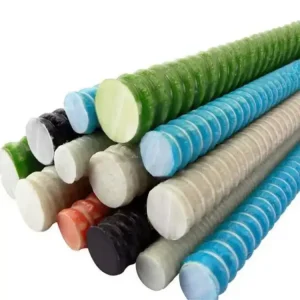
FRP rebar, also called fiberglass rebar or GFRP rebar, is a composite reinforcement bar produced with continuous fiberglass fibers and a polymer resin matrix. It is used as a corrosion-resistant reinforcing alternative in concrete structures, especially in environments where steel corrosion can cause cracking, delamination and early structural deterioration.
Common long-tail search terms include fiberglass rebar, GFRP rebar, composite rebar and non-corrosive rebar. These phrases are often used interchangeably in international B2B procurement, although exact specifications vary by project and market.
Application Scenarios — Where FRP Rebars Deliver the Most Value
Bridges & Transportation Infrastructure
FRP rebars are widely used in bridge decks, parapets, approach slabs, barriers and repair projects where chloride exposure from de-icing salts accelerates steel corrosion. They are also suitable for roads, transit structures and coastal infrastructure that require long-term durability with lower maintenance interruption.
Marine, Coastal & Port Structures
In seawalls, docks, piers, jetties and marine walkways, FRP rebar helps combat saltwater corrosion and splash-zone deterioration. These projects often prioritize service life extension and reduced repair frequency, making composite reinforcement a strong technical and economic option.
Tunnels, Utilities & Underground Works
FRP rebars are useful in tunnels, box culverts, drainage channels, utility chambers and underground structures where moisture, groundwater and aggressive chemicals can attack conventional steel reinforcement. Their non-conductive nature is also useful in some electrical or signal-sensitive applications.
Wastewater & Chemical Facilities
Wastewater plants, chemical containment systems, treatment tanks and industrial slabs benefit from corrosion-resistant reinforcement because acidic, alkaline or humid operating conditions can rapidly degrade steel. FRP rebar supports long-term durability in these harsh operating environments.
Parking Structures & Slabs
Parking decks are highly exposed to de-icing salts, vehicle water spray and freeze-thaw cycling. FRP rebars can improve durability in slabs, ramps, expansion zones and repair zones where corrosion risk is high and lifecycle cost matters more than lowest initial material cost.
Magnetic / Sensitive Environments
Because FRP rebars are non-metallic and non-magnetic, they can be specified for MRI rooms, laboratories, research facilities and specialized industrial environments where electromagnetic interference or metal detection issues must be reduced.
Quick Flow
Step 1
Identify the exposure condition: marine, chloride, chemical, underground moisture or sensitive equipment zones.
Step 2
Review the structural role: slabs, walls, beams, decks, channels, precast components or repair overlays.
Step 3
Match the required bar size, tensile performance, bending needs and project-specific design code.
As an actual manufacturer, we maintain control over raw material selection, production consistency and packaging standards. This improves specification reliability for infrastructure and industrial buyers.
Project Support
We can support project-based procurement with technical communication, packing coordination and repeat-order consistency, which is valuable for contractors, distributors and engineering teams.
Cost Control
We help buyers balance performance and budget through practical resin and manufacturing planning, especially when lifecycle cost is more important than lowest first cost.
Industry Standards & Common HS Code References
Topic
Common Reference
Buyer Note
Standards / specs
Project-specific design standards, durability requirements, tensile performance and bar geometry
Confirm the governing engineering code and acceptance test requirements before production release
HS code
Commonly classified under 3916 or related composite-material headings depending on destination and product structure
Final classification should be confirmed with the customs broker in the destination market
FAQ
Where are FRP rebars most commonly used?
They are commonly used in bridges, marine structures, tunnels, wastewater facilities, parking structures and other corrosive or moisture-intensive environments.
Why choose FRP rebar instead of steel rebar?
FRP rebar is chosen mainly for corrosion resistance, lighter weight and non-conductive behavior, especially where long service life is a priority.
Can FRP rebars be used in structural concrete?
Yes. They are used in many structural concrete applications, but the design must follow the appropriate project code and engineering requirements.
What information is needed for a quote?
Provide bar diameter, quantity, application, project location, design requirements and delivery schedule.
Are FRP rebars suitable for marine environments?
Yes. Marine and coastal structures are among the most common applications because chloride exposure is a major corrosion driver for steel reinforcement.
Do you support custom packing or project shipments?
Yes. Packing, labeling and consolidated shipment support can be arranged according to project or distributor requirements.
Need FRP rebars for a corrosion-critical project?
Send your application, quantity and project conditions, and our technical team will help match the right fiberglass reinforcement solution.