
Diaphragm Seals — Protecting Instruments from Harsh Process Media
What / Why — Diaphragm seals isolate pressure gauges and instruments from corrosive, viscous or crystallizing fluids using a flexible diaphragm and fill fluid. They ensure accurate pressure transmission, reduce instrument maintenance and prevent contamination. Useful search phrases: diaphragm seals pdf, pressure gauge diaphragm seals, diaphragm seal gasket, diaphragm seal manufacturers.
Executive Summary
Diaphragm seals enable accurate pressure measurement while isolating instruments from aggressive or fouling process media. This pillar covers diaphragm seals for pressure gauges and rubber diaphragm seal gaskets, presents selection criteria, comparison tables useful for procurement, standards guidance and an FAQ for engineers and buyers.
What is a Diaphragm Seal?
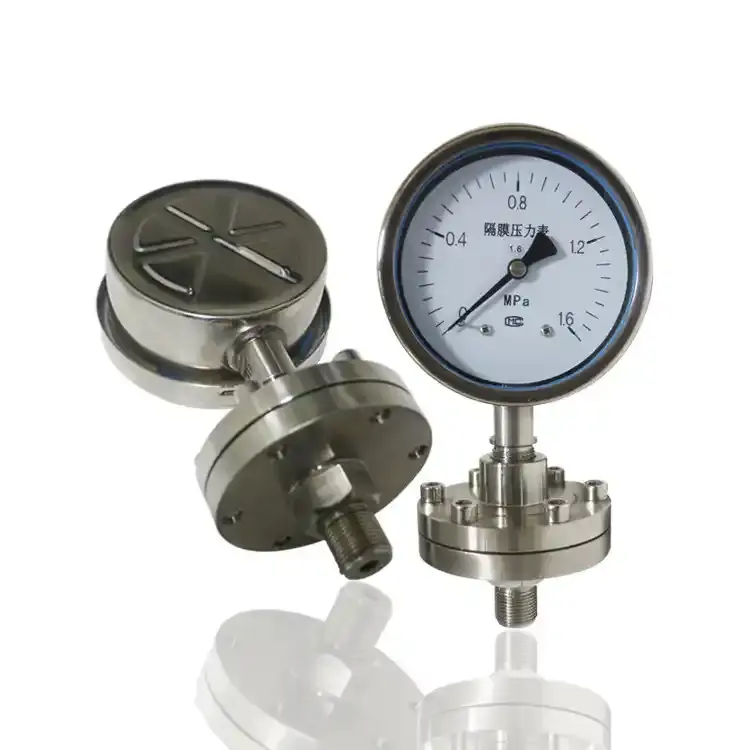
A diaphragm seal (also called a gauge protector) uses a flexible membrane to separate the instrument from the process fluid. The diaphragm transmits pressure through a fill fluid to the measuring device. This design prevents direct contact between the instrument and process media, protecting the instrument from corrosion, clogging and high viscosity fluids.
Types & Overview — Quick list with short intros and links
Diaphragm Seals For Pressure Gauges
Gauge-mounted diaphragm seals combine a precision diaphragm with a filled cavity to transmit pressure to gauges, transmitters or switches. They are ideal for corrosive, viscous or crystallizing fluids and enable remote mounting and easy instrument removal for maintenance. Learn more →
Rubber Diaphragm Seal Gasket
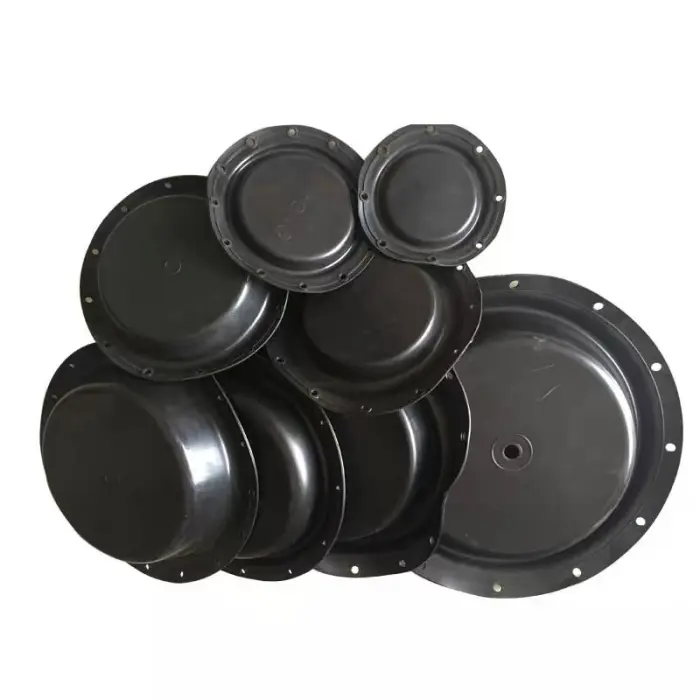
Rubber diaphragm gaskets provide a low-cost, flexible sealing solution for flange or cover applications where movement or vibration occurs. Available in food-grade and chemical-resistant compounds, they are widely used where a simple barrier and compressible gasket function is required. Learn more →
Search & Long-tail Keywords
For SEO & procurement, use: diaphragm seals pdf, pressure gauge diaphragm seals, diaphragm seal gasket, diaphragm seal manufacturers.
Selection Guide — How to choose the right diaphragm seal
- Process compatibility: select diaphragm material (metal, PTFE-lined, rubber) compatible with media chemistry, solids content and sanitization requirements (food/pharma).
- Temperature & pressure: confirm operating limits for diaphragm material and fill fluid; select high-temp fill fluids and metal diaphragms for elevated temperatures.
- Instrument interface: match the diaphragm seal to the gauge/transmitter connection type and ensure remote mount length and capillary selection if required.
- Hygiene & cleaning: for sanitary systems choose polished welds, PTFE linings and FDA-compliant materials to minimize contamination and ease cleaning.
- Installation & maintenance: prefer assemblies with zero-dead-volume designs for hygienic processes and consider flush or siphon options for steam sterilization.
Quick tip: When requesting a quotation, provide process fluid name, temperature, pressure range, connection style, instrument type and any required certifications (e.g., FDA, 3-A, ATEX).
Typical Diaphragm Seal Specifications & Comparison
Reference values — confirm detailed ratings with supplier datasheets and material certificates.
| Type | Typical Application | Temp Range (°C) | Pressure Range | Common Materials | Key Advantages |
|---|---|---|---|---|---|
| Gauge-mounted diaphragm seal | Protect pressure gauges/transmitters from corrosive/viscous media | -40 → +250 (material dependent) | Vacuum to 400 bar (design dependent) | Stainless steel, Hastelloy, Monel, PTFE-lined | Instrument protection, remote mounting, easy maintenance |
| Rubber diaphragm gasket | Flange covers, pump housings, valve covers | -40 → +150 (compound dependent) | Low to medium pressure | NBR, EPDM, Silicone, Viton | Cost-effective, flexible sealing, vibration absorption |
Standard Connections & Packaging
| Item | Typical Options | Packaging |
|---|---|---|
| Gauge-mounted seals | Direct, capillary remote, sanitary tri-clamp, threaded | Boxed / kitted with fill fluid |
| Rubber diaphragm gaskets | Cut-to-size, molded blanks, sanitary shapes | Bulk, blister, sterile packaging for medical/food |
-
 Diaphragm Seals
Diaphragm Seals For Pressure Gauges
-
Diaphragm Seals
Rubber Diaphragm Seal Gasket
Downloads & Datasheets
Installation & Best Practices
- Clean process connection: remove particulates and ensure flange faces are clean before assembly to prevent diaphragm damage.
- Fill & vent: for filled diaphragm seals ensure correct fill fluid and remove trapped air in capillaries to avoid measurement errors.
- Torque & gasket handling: tighten bolts evenly to recommended torque; avoid over-compression of rubber diaphragms which can degrade performance.
- Sanitary services: use crevice-free designs and PTFE linings for CIP/SIP processes; validate materials against regulatory requirements.
- Inspection: periodically check for diaphragm creep, corrosion, or fill-fluid discoloration and replace per maintenance schedule.
Application Industries & Case Examples
- Chemical processing — corrosive and viscous media
- Oil & gas — isolating instruments from fouling fluids
- Food & beverage — sanitary diaphragm seals and PTFE linings
- Pharmaceuticals — sterile, zero-dead-volume designs
- Water & wastewater — sludge and slurry applications
Standards & HS Code Guidance
Standards and guidance often referenced for diaphragm seals and instrument isolation:- ASME / EN instrument standards — refer to instrument and pressure device guidance for wetted materials and pressure ratings.
- Hygienic & sanitary standards — for food/pharma consider 3-A, EHEDG and FDA material compliance.
- Materials testing — request material certificates and traceability for critical services.
FAQ — Common Questions for Procurement & Maintenance
- Q: Can a diaphragm seal be steam-sterilized (SIP)?
- A: Some metal and PTFE-lined diaphragm seals support SIP/CIP when designed with appropriate materials and fill fluids; verify with manufacturer for max sterilization temperature and compatible fill fluid.
- Q: What fill fluids are used in diaphragm seals?
- A: Common fill fluids include silicone oils, glycerin, and specialized high/low-temperature fluids; selection depends on temperature range and instrument compatibility.
- Q: How do I prevent clogging in diaphragm seals with viscous media?
- A: Use full-bore or larger impulse lines, hygienic flush ports, and consider remote diaphragm seals or capillary mounting to minimize clogging risk.
- Q: How often should diaphragm seals be inspected or replaced?
- A: Inspection intervals depend on process severity; check for diaphragm deformation, corrosion, or fill-fluid discoloration during routine maintenance and replace when performance degrades.
- Q: Are rubber diaphragm gaskets suitable for food contact?
- A: Yes — select FDA or EU-compliant compounds and request material compliance certificates for food-contact applications.
More FAQs
Can diaphragm seals be used with corrosive acids?
Yes — select compatible diaphragm materials such as Hastelloy or PTFE-lined diaphragms and confirm compatibility with the chosen fill fluid and instrument wetted parts.
Do diaphragm seals affect instrument accuracy?
Properly designed and filled diaphragm seals minimally affect accuracy; ensure correct fill fluid and elimination of trapped air for accurate pressure transmission.
What information do I need for a fast quote?
Provide process media, temperature, pressure, connection type, instrument model, material preferences and any required certifications (FDA, 3-A, ATEX, etc.).