
Gland Packing — High-performance Shaft Sealing Solutions
What / Why — Gland packing (also called packing rings) provides a reliable, replaceable seal around rotating or reciprocating shafts to prevent leakage while allowing motion. Proper selection reduces leakage, minimizes wear and extends equipment uptime.
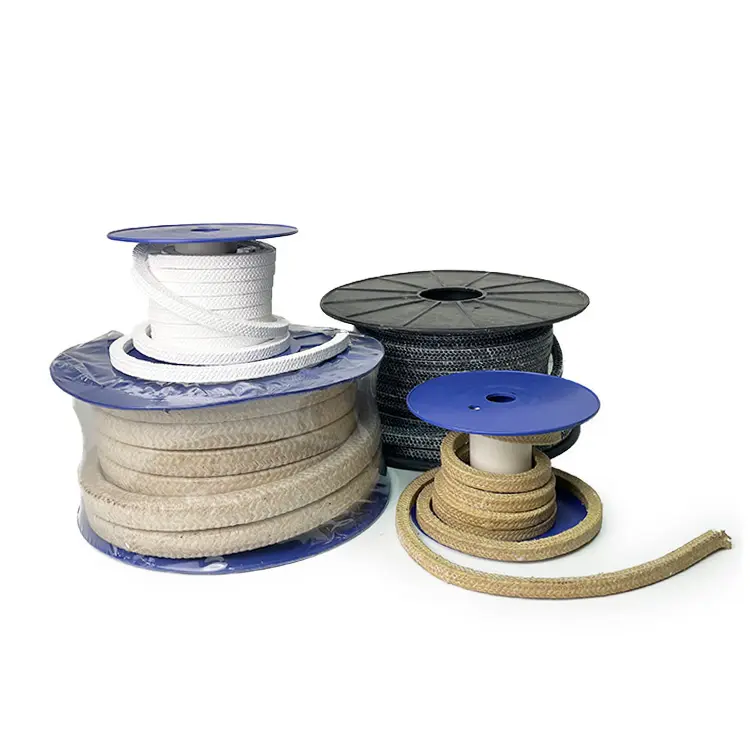
Executive Summary
Our gland packing solutions cover classical braided packings, impregnated yarn packings, and modern synthetic and graphite constructions suited for pumps, valves, mixers and rotating equipment across industrial sectors. This pillar gathers selection rules, common sizes, installation guides and downloadable technical documents to help procurement, engineering and maintenance teams.What is Gland Packing?
Gland packing consists of rings or lengths of braided or molded sealing material compressed inside a stuffing box or gland to create a seal around a shaft or rod. It is typically made from fiber, graphite, PTFE, aramid, carbon or composite yarns and may be lubricated or impregnated for enhanced performance.-
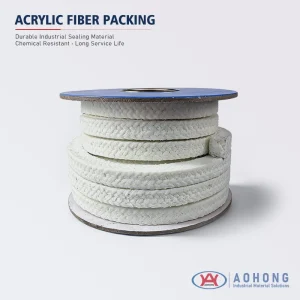 Acrylic Fiber Packing
Acrylic Gland Packing Impregnated PTFE
-
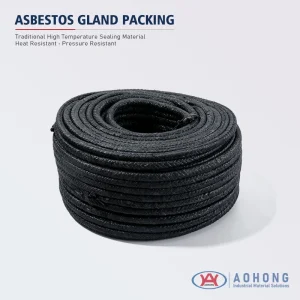 Asbestos Gland Packing
Asbestos Graphite Packing
-
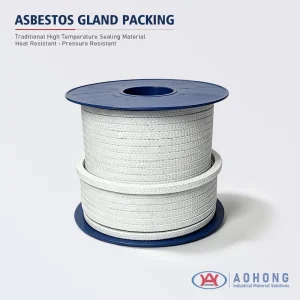 Asbestos Gland Packing
Asbestos PTFE Packing
-
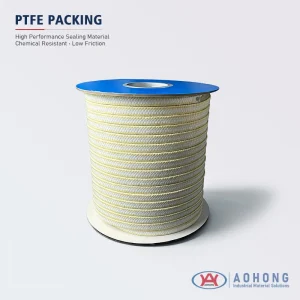
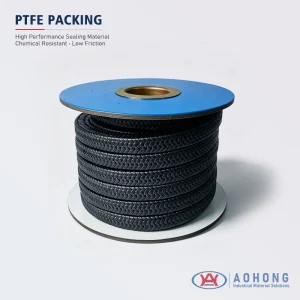 PTFE packing
Black PTFE Graphite Gland Packing
-
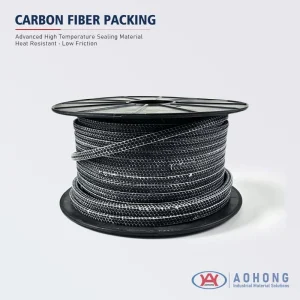
 Carbon Fiber Packing
Carbon Fiber Packing Rope
-
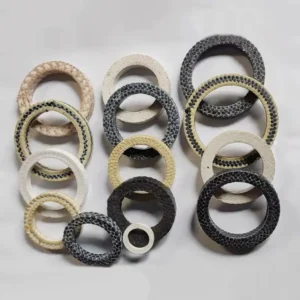
Gland Packing Ring
Die Formed Packing Rings
-
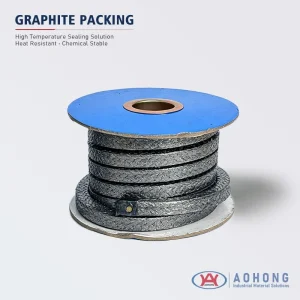
Graphite Packing
Expanded Graphite Gland Packing
-
Graphite Packing
Graphite Impregnated Packing
-
Graphite Packing
Graphite PTFE Hybrid Packing
-
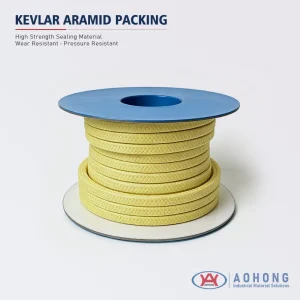
Kevlar Aramid Packing
Kevlar/Aramid Packing for Pumps and Valves
-
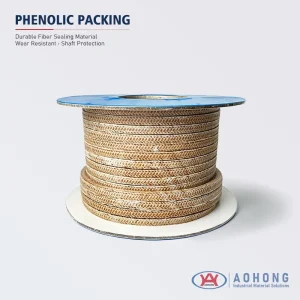
Phenolic Packing
Kynol Fiber Packing
-
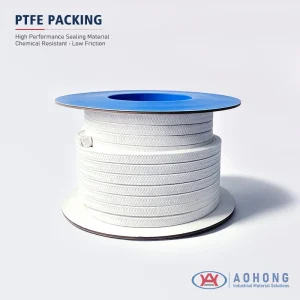
PTFE packing
Pure PTFE Gland Packing With Oil
-
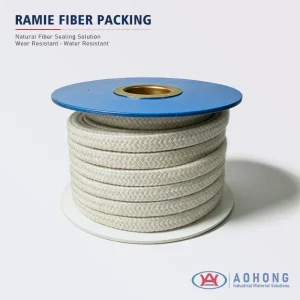
Ramie Fiber Packing
Ramie Packing Impregnated With PTFE
-
Graphite Packing
Reinforced Graphite Packing
-
PTFE packing
White PTFE Packing With Aramid Corners
Gland Packing Types & Materials
By Material
- Flexible Graphite (braided or formed)
- PTFE (pure / filled / multi-strand)
- Aramid (Kevlar®) & Synthetic Fibers
- Carbon-fiber reinforced
- Braided cotton / yarn with lubricants (low-pressure)
By Construction
- Braided square (single / multi-strand)
- Formed rings (molded)
- Woven tape/rope (for custom stuffing boxes)
- Encapsulated / jacketed packings
By Application
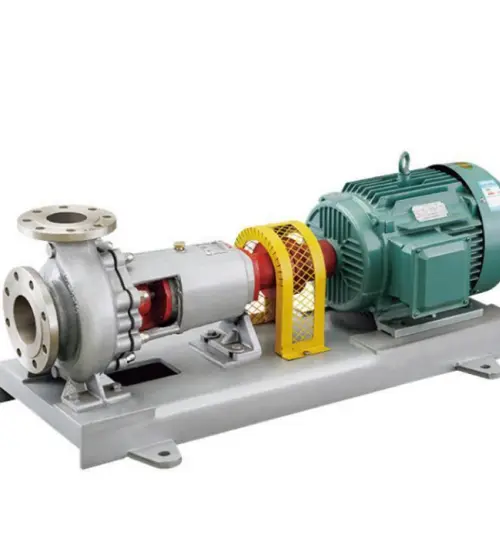
- Pumps — centrifugal, reciprocating
- Valves — gate, globe, ball
- Agitators & mixers — high abrasion
- Steam & high temperature services
- Slurry / solids handling
Selection Guide — How to Choose Gland Packing
- Identify the shaft geometry — shaft diameter, speed (RPM), stuffing box dimensions.
- Service fluid — clean water, oil, chemicals, slurry, steam.
- Temperature & pressure — continuous and transient maxima.
- Abrasion & solids — presence of solids requires abrasion-resistant packings.
- Compatibility & contamination — food, pharma or potable water require approved materials (FDA, NSF).
- Lubrication — do you need lubricated / graphite loaded packings?
Technical Parameters & Common Sizes
The table below provides typical operating limits and common cross-section sizes.| Material | Temp Range (°C) | Max Pressure (bar) | Typical Cross-section | Recommended Uses |
|---|---|---|---|---|
| Graphite (braided / formed) | -200 to 450 | ≤ 200 | 8 x 8 mm, 10 x 10 mm, 12 x 12 mm | Steam, hot oil, high temp rotating shafts |
| PTFE (pure / filled) | -200 to 260 | ≤ 100 | 3/8", 1/2", 5/8" (9.5, 12.7, 15.9 mm) | Chemicals, corrosive media, low friction |
| Aramid / Synthetic | -40 to 250 | ≤ 100 | 1/4", 3/8", 1/2" | Abrasive slurries, general purpose |
| Carbon / Graphite / PTFE hybrid | -100 to 300 | ≤ 160 | 10 x 10 mm, 12 x 12 mm | High pressure, low leak critical services |
Common Packing Length & Coil Sizes
| Format | Common Dimensions | Usual Packaging |
|---|---|---|
| Square braid | 8 x 8 mm, 10 x 10 mm, 12 x 12 mm | 5 m / 10 m coil, pre-cut rings |
| Round braid / rope | Ø 4 mm — Ø 20 mm | 10 m coil |
| Formed rings | Custom ID/OD & thickness | Boxed sets, kit quantities |
Product Data & Technical Documents
Download datasheets, material certifications, installation diagrams and performance charts.Installation, Gland Adjustment & Maintenance
Correct installation and gland adjustment are critical for performance and service life:- Remove old packing and clean the stuffing box and shaft thoroughly.
- Inspect shaft for wear, grooves and alignment — repair or sleeve if needed.
- Cut packing into rings with square ends (for braided) or use preformed rings.
- Install rings sequentially with staggered joints (90° offsets) and compress lightly.
- Tighten gland nuts evenly in small increments until light leakage is observed, then allow running-in and re-adjust as required.
- For PTFE packings, initial running-in lubrication may be necessary to prevent dry running.
Application Industries & Case Studies
Gland packing is widely used in:- Pulp & Paper — slurry pumps and stock pumps
- Mining & Minerals — slurry, high abrasion services
- Chemical & Petrochemical — corrosive liquids, solvents
- Power Plants — feedwater pumps, turbine shaft seals
- Water & Wastewater — sewage and sludge handling
Performance Comparison & Material Matrix
| Property | Graphite | PTFE | Aramid | Carbon Hybrid |
|---|---|---|---|---|
| Chemical resistance | Very good (oxidizing caution) | Excellent | Good | Excellent |
| Temperature tolerance | Very high | Moderate | Moderate | High |
| Friction / shaft wear | Moderate | Low | Higher | Low-Moderate |
| Abrasion resistance | Medium | Low | High | High |
| Suitable for steam | Yes | Limited | No | Yes |
Common Failures & Troubleshooting
- Excessive leakage during operation
- Causes: Under-compressed packing, incorrect material, worn shaft. Action: Re-adjust gland nuts in small increments; verify packing type.
- Rapid packing wear
- Causes: Abrasive media, misaligned shaft, insufficient lubrication. Action: Choose abrasion-resistant packing, inspect shaft, add flush/lubrication if applicable.
- Shaft scoring or wear
- Causes: High friction packing, hard particles, misalignment. Action: Switch to low-friction packing (PTFE/carbon), repair or sleeve shaft.