
Multi-Material Rubber Sheet for Gasket Manufacturing, Insulation & Industrial Sealing
Premium industrial rubber sheets manufactured from high-quality elastomers including NBR (Nitrile), EPDM, SBR, Viton® (FKM), Neoprene (CR), Silicone, and Natural Rubber. Engineered for excellent oil resistance, weather/ozone resistance, chemical compatibility, and wide temperature stability. Ideal for gasket manufacturing, die-cutting, insulation, and general industrial sealing applications. Available in custom sheet sizes, thicknesses, hardness grades, and color options for global OEM and MRO supply.
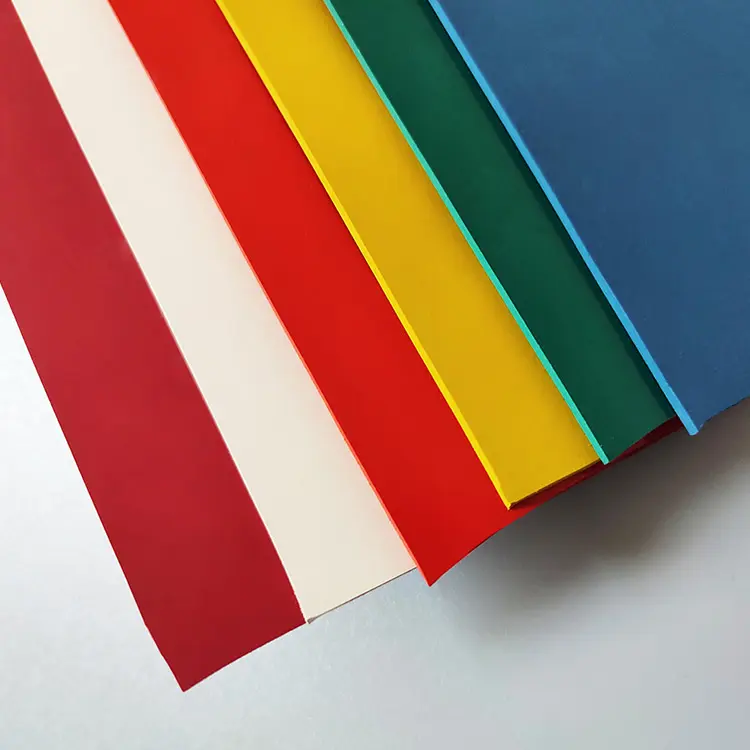
Recommended Products
Rubber Sheet Types & Material Configurations
-
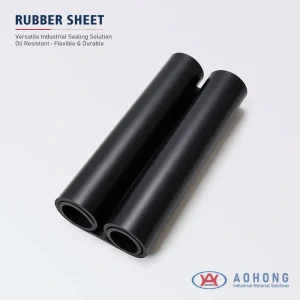 Rubber Sheet
Conductive Rubber Sheet
-
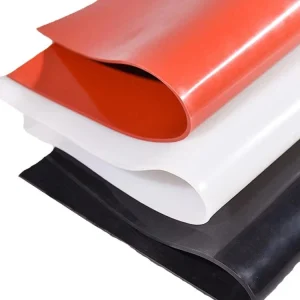 Rubber Sheet
EPDM Rubber Sheet
-
 Rubber Sheet
HNBR Rubber Sheet
-
Rubber Sheet
Neoprene Rubber Sheet
-
 Rubber Sheet
Nitrile Rubber Sheets
Rubber Sheet Technical Specifications
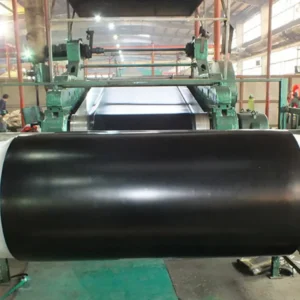
Manufactured from a wide range of high-performance elastomers, each offering distinct advantages for specific temperature, chemical, and environmental conditions. Available in standard and custom sizes with precise thickness and hardness control.
📋 Product Parameters
| Available Materials | NBR, EPDM, SBR, Viton® (FKM), Neoprene (CR), Silicone, Natural Rubber |
| Hardness Range | 30 – 90 Shore A (depending on material) |
| Thickness | 0.5mm – 50mm (standard: 1mm, 2mm, 3mm, 5mm, 6mm, 10mm, 20mm) |
| Sheet Size | 1m × 2m, 1.2m × 2m, 1.5m × 2m, custom sizes available |
| Surface Finish | Smooth, Cloth-Impression (Fabric Finish), or Embossed |
| Packaging | Rolls or flat sheets in PE film / cartons / wooden crates |
🔬 Material Properties & Recommended Applications
| NBR (Nitrile) | Excellent oil & fuel resistance; -30°C to +100°C; gaskets, oil seals, fuel systems |
| EPDM | Excellent weather & ozone resistance; -40°C to +130°C; outdoor, HVAC, water, automotive |
| SBR | General purpose, good abrasion resistance; -40°C to +70°C; water, air, general industrial |
| Viton® (FKM) | High temp & chemical resistance; -20°C to +200°C; petrochemical, aerospace, automotive |
| Neoprene (CR) | Good oil, weather & flame resistance; -30°C to +100°C; marine, refrigeration, HVAC |
| Silicone | Wide temp range, food grade; -60°C to +230°C; food, medical, high/low temp, electrical |
| Natural Rubber | High elasticity, good abrasion; -50°C to +70°C; water, air, general purpose |
💡 Not Sure Which Rubber Material to Choose?
Our application engineers will evaluate your operating conditions — temperature, media, pressure, and environment — to recommend the optimal rubber material, hardness, and thickness for your specific application. We provide free material selection consultation and can supply samples for testing.
Why Choose Our Rubber Sheets
Reliable sealing and industrial rubber solutions designed for gasket manufacturing, insulation, and general industrial applications. We don't just manufacture — we engineer rubber materials that meet the rigorous standards of global industrial buyers.
Wide Material Selection
Choose from NBR, EPDM, SBR, Viton®, Neoprene, Silicone, and Natural Rubber. Each material offers distinct advantages for oil, chemical, weather, or temperature resistance.
Wide Temperature Range
Our rubber sheets cover a temperature range from -60°C to +230°C depending on material, ensuring reliable performance in both cryogenic and high-temperature applications.
Precision Thickness Control
Advanced calendering and compression molding ensure consistent thickness tolerance across the entire sheet, critical for gasket manufacturing and die-cutting.
Easy Cutting & Die-Cutting
Sheets are engineered for clean cutting and die-cutting without delamination or tearing, reducing waste and improving production efficiency for gasket converters.
Application-Specific Engineering
We analyze your temperature, media, and pressure to recommend the optimal rubber material, hardness, and thickness for your specific application needs.
OEM & Global Export Supply
Flexible production capability for gasket manufacturers, distributors, and industrial maintenance projects worldwide. Professional export packaging and documentation.
Rubber Sheet Applications by Material
Different rubber materials excel in different environments. Below are typical applications for our most popular rubber sheet materials. We help you choose the right one based on your specific process conditions.
NBR – Oil & Fuel Gasket Manufacturing
Sheet material for oil pan gaskets, fuel system seals, hydraulic gaskets, and industrial oil-resistant applications.
EPDM – Outdoor & HVAC Applications
Gasket sheets for HVAC ductwork, outdoor piping flanges, automotive weather seals, and potable water systems.
Viton® (FKM) – High Temp & Chemical
Gasket material for chemical processing, aerospace fuel systems, and high-temperature oil applications requiring superior resistance.
Neoprene – Marine & Refrigeration
Sheet material for seawater gaskets, refrigeration seals, and marine equipment requiring good oil, weather, and flame resistance.
Silicone – Food & High/Low Temp
FDA-compliant sheet for food processing gaskets, medical devices, and extreme temperature applications.
Natural Rubber – General Purpose
Sheet material for water, air, and general industrial gaskets where high elasticity and abrasion resistance are required.
SBR – General Industrial
Cost-effective sheet for water, air, and mild chemical gaskets in industrial piping and equipment.
OEM Equipment Manufacturing
Custom rubber sheet supplied to pump, valve, HVAC, and industrial equipment manufacturers as original components.
Why Choose Hongwo Sealing Solutions
A trusted manufacturing and engineering partner serving global industrial buyers with high-performance rubber sheet solutions. We combine direct factory pricing, technical expertise, and reliable export logistics.
- ✓ Direct Factory Manufacturing — Own production capability ensures stable quality, competitive pricing, and reliable supply for rubber sheet products.
- ✓ Application Engineering Support — Our technical team evaluates your media, temperature, and pressure to recommend the optimal rubber material and hardness for your application.
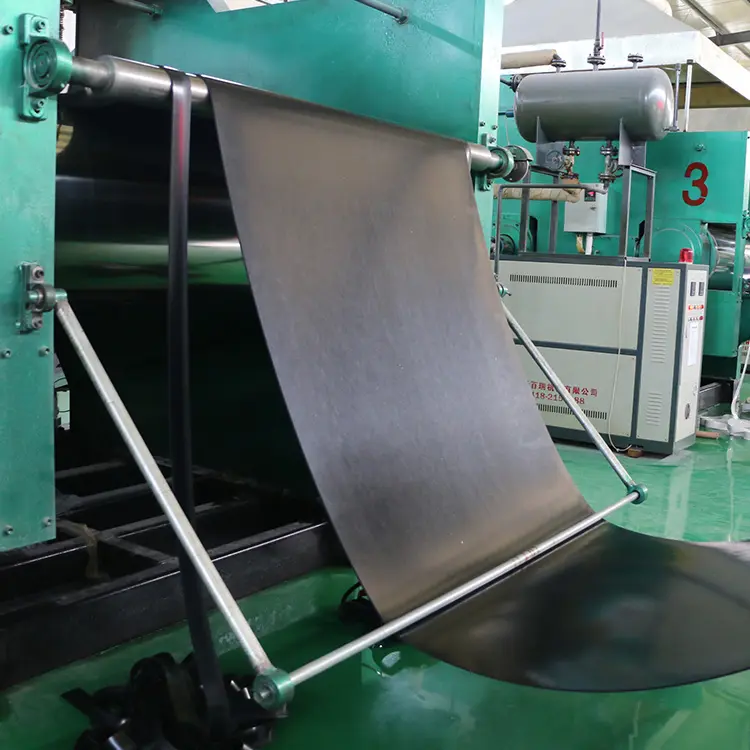
- ✓ Advanced Calendering & Molding — Precision calendering and compression molding ensure consistent thickness, smooth surface finish, and reliable quality for all sheet configurations.
- ✓ OEM Custom Solutions — Manufacture sheets according to customer drawings, dimensions, and specific technical requirements for gasket converters and OEM equipment manufacturers.
- ✓ Strict Quality Inspection — Inspection of material hardness, tensile strength, thickness tolerance, and surface finish on every batch.
- ✓ Global Export Experience — Professional export packaging, documentation, and international logistics support for customers in over 50 countries.
Quality Control & Manufacturing Standards
Every rubber sheet product is manufactured and inspected according to strict ISO 9001 quality management procedures, ensuring consistent performance, reliability, and compliance for global industrial buyers.
ISO 9001:2015
Certified Quality Management
FDA 21 CFR 177.2600
Food Contact Compliance (Silicone/EPDM)
Material Testing
Hardness, Tensile & Elongation
Dimension Control
Thickness & Sheet Size Precision
Export Packaging
Safe International Delivery
Frequently Asked Questions
Common questions from international buyers about rubber sheet selection, customization, and global supply.
Get Your Rubber Sheet Quote Today
Tell us your gasket specifications and material requirements. Our engineers will provide a tailored rubber sheet solution with competitive factory-direct pricing.
- Factory direct quotation
- Material selection assistance
- Custom sheet & thickness options
- FDA compliant materials
- Worldwide export service
Request Your Quote
We'll get back to you within 3 hours.
🔒 Your information is secure. We never share your data with third parties.