
Gasket Sheets — Versatile Sealing Sheets for Industrial Applications
What / Why — Gasket sheets are flat sheet materials cut to size or die-cut into gaskets to seal flange joints and machined surfaces. Selecting the right sheet material prevents leakage, improves safety and reduces maintenance costs.
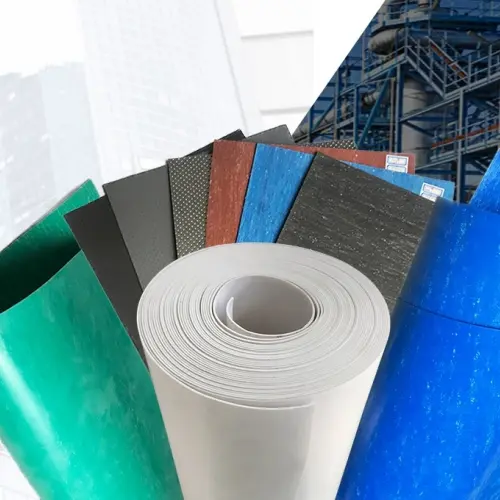
Executive Summary
Our gasket sheet range includes PTFE, compressed non-asbestos sheets, flexible graphite, aramid/nylon composites and specialty elastomeric sheets. This pillar page gathers material properties, sizing, cutting options and downloads to help procurement, engineers and maintenance teams make fast, confident choices.What is a Gasket Sheet?
Gasket sheets are flat, engineered sealing materials supplied in standardized sheet sizes and thicknesses. They are used to produce flange gaskets, equipment seals and custom-cut parts. Sheets are chosen based on media compatibility, pressure, temperature, surface finish and regulatory requirements.-
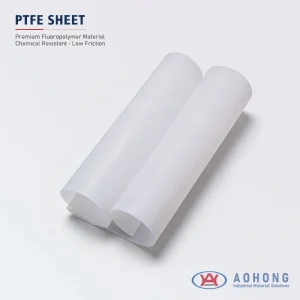
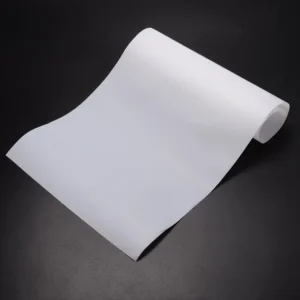
 PTFE Sheet
Anti Static PTFE Sheet
-
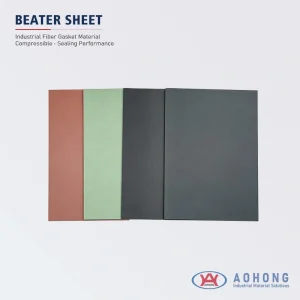
Beater Sheet/Paper
Asbestos Beater Sheet Paper
-
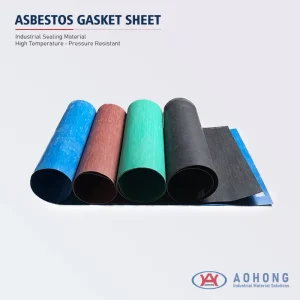
Asbestos Gasket Sheet
Compressed Asbestos Gasket Sheet
-
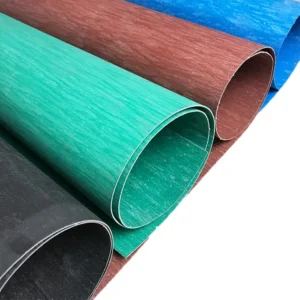
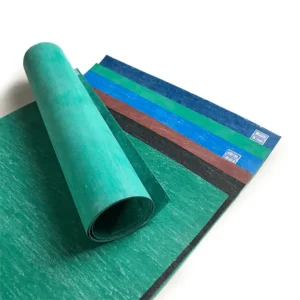
Non-Asbestos Gasket Sheet
Compressed Non-Asbestos Gasket Sheet
-
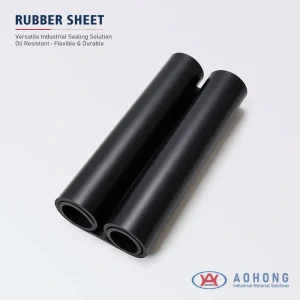
Rubber Sheet
Conductive Rubber Sheet
-
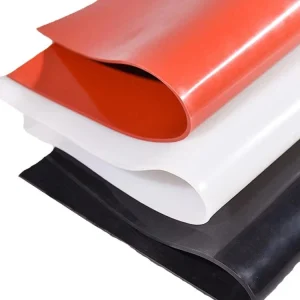
Rubber Sheet
EPDM Rubber Sheet
-
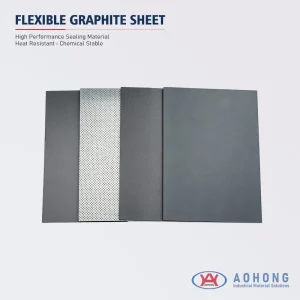
Flexible Graphite Sheet
Expanded Graphite Sheet
-
PTFE Sheet
Expanded PTFE Sheet
-
Flexible Graphite Sheet
Graphite Laminate Sheet
-
Flexible Graphite Sheet
Graphite Sheet with Wire Mesh
-
Asbestos Gasket Sheet
High‑Temp Asbestos Gasket Sheet
-
Rubber Sheet
HNBR Rubber Sheet
-
Rubber Sheet
Neoprene Rubber Sheet
-
Rubber Sheet
Nitrile Rubber Sheets
-
Beater Sheet/Paper
Non-Asbestos Beater Sheet
-
Non-Asbestos Gasket Sheet
Non-Asbestos Composite Sheet
-
Non-Asbestos Gasket Sheet
Non-Asbestos Jointing Gasket Sheets
-
Beater Sheet/Paper
Oil Jointing Gasket Paper
-
Asbestos Gasket Sheet
Oil Resisting Asbestos Rubber Sheet
-
PTFE Sheet
Soft PTFE sheet
-
Beater Sheet/Paper
Synthetic Fibre Beater Sheet
-
PTFE Sheet
Virgin PTFE Sheet
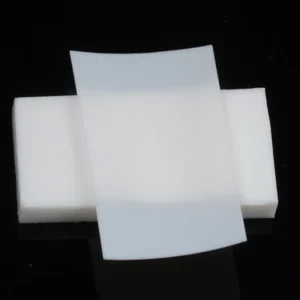
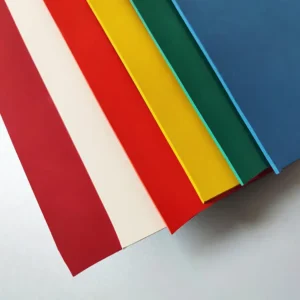
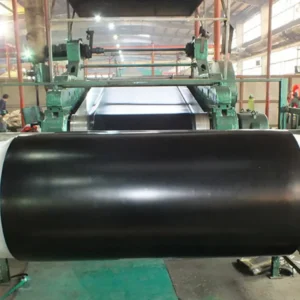
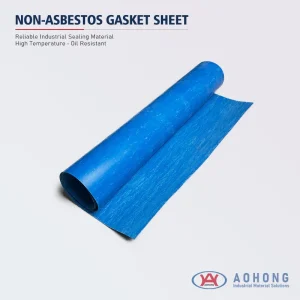
Gasket Sheet Classification
By Material
- PTFE Sheets (pure, filled, conductive)
- Compressed Non-Asbestos Sheets (CNAS - aramid/fiber blends)
- Flexible Graphite Sheets (with/without stainless steel facing)
- Elastomeric Sheets (NBR, EPDM, Viton®)
- Metallic / Laminate Sheets (metallic + filler)
By Structure
- Solid sheets (cut-to-size)
- Faced sheets (metal/foil facing)
- Reinforced laminate
- Multi-layer composite sheets
By Application
- High temperature steam service
- Corrosive chemical service
- Potable / food-grade sealing
- High-pressure / high stress flanges
- Low-pressure HVAC and water systems
Selection Guide — How to Choose a Gasket Sheet
- Identify service media (chemistry, pH, solids).
- Confirm temperature & pressure — include start-up and transient conditions.
- Check flange specs — face type, bolt loads, surface finish.
- Regulatory / hygiene — food, pharma or potable water require certified materials.
- Consider compressibility and recovery for thermal cycling.
- Decide on faced or unfaced — metal facing improves blowout resistance on coarse flange finishes.
Technical Parameters & Common Dimensions
Below are sample operating ranges and standard sheet sizes.| Material | Temp Range (°C) | Max Pressure (bar) | Typical Thickness (mm) | Key Use |
|---|---|---|---|---|
| PTFE (pure) | -200 to 260 | ≤ 100 | 0.5 / 1.0 / 1.5 / 3.0 | Chemicals, food, pharma |
| Compressed Non-Asbestos (CNAS) | -40 to 230 | ≤ 100 | 0.5 / 1.0 / 1.5 / 2.0 | General purpose, oil & water |
| Flexible Graphite (with/without facing) | -200 to 450 | ≤ 250 | 0.5 / 1.0 / 2.0 | Steam, high temp services |
| Elastomeric (NBR / EPDM / FKM) | -50 to 200 | ≤ 40 | 1.0 / 2.0 / 3.0 | Low pressure, water, HVAC |
Standard Sheet Sizes
| Sheet Size (mm) | Thickness Options (mm) | Typical Use |
|---|---|---|
| 1000 x 1000 | 0.5, 1.0, 2.0 | Small flange gaskets, cut-to-size |
| 1500 x 1500 | 1.0, 2.0, 3.0 | Large flange gaskets & custom patterns |
| 2000 x 1000 | 1.5, 3.0 | Fabrications & gasket kits |
Datasheets & Downloads
Download material datasheets, chemical resistance charts and cutting templates.Cutting, Storage & Handling Recommendations
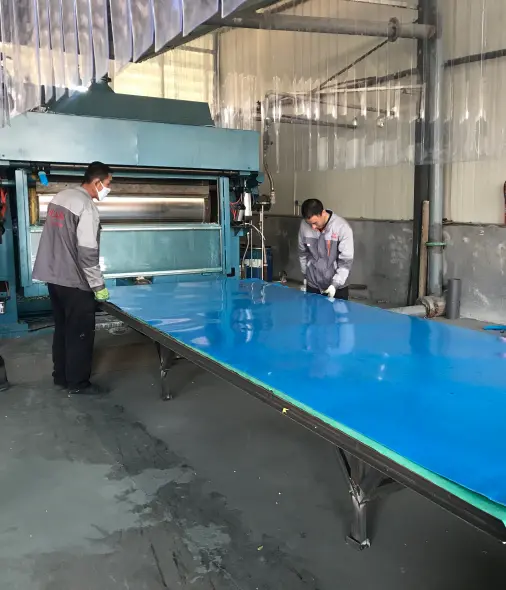
- Cutting: Use waterjet, CNC die-cut or manual gasket cutters depending on material. For PTFE prefer low-heat methods to avoid edge fraying.
- Storage: Store sheets flat in a clean, dry area away from direct sunlight and solvents.
- Handling: Avoid contamination of sealing faces — wear gloves and keep clean cutting surfaces.
- Edge finishing: For critical services consider edge-welding or adhesive sealing for PTFE sheets to prevent permeation.
Application Industries & Case Studies
Common industries that use gasket sheets:- Chemical & Petrochemical — aggressive chemicals and solvents
- Food & Beverage — sanitary gaskets from PTFE or FDA-grade sheets
- Power & Utilities — steam and high-temperature sealing
- Marine & Desalination — corrosion-resistant sealing
- Oil & Gas — high-pressure flange sealing
Performance Comparison & Material Selection Matrix
| Property | PTFE | CNAS | Graphite | Elastomer |
|---|---|---|---|---|
| Chemical resistance | Excellent | Good | Good | Varies |
| Temperature range | Wide | Moderate | Very wide | Limited |
| Compressibility / recovery | Moderate | High | Low-Moderate | High |
| Suitable pressure | Low-Mid | Mid | High | Low |
| Food-grade available | Yes | Limited | No | Yes (selected) |
Common Failures & Troubleshooting
- Leakage after installation
- Causes: Incorrect sheet thickness, surface finish incompatibility, poor torque. Action: Verify flange finish, use correct thickness, follow torque sequence.
- Blowout or extrusion
- Causes: Excessive pressure, wrong material, coarse flange finish. Action: Use faced sheet, increase sheet stiffness or use metallic/laminate solutions.
- Chemical degradation
- Causes: Incompatible material selection. Action: Check chemical resistance chart and switch to PTFE or compatible material.
FAQ — For Purchasing / Engineering / Maintenance
Q: Which sheet thickness should I choose for ANSI 150 flange?
A: Typical selections range from 1.0 mm to 3.0 mm depending on surface finish and bolt load; consult flange design and gasket seating stress charts for final selection.Q: Can PTFE sheets be welded?
A: PTFE can be edge-welded under specific conditions; consult the PTFE datasheet and your supplier for recommended methods and adhesives.Q: What info is required for a fast quote?
A: Provide material type, desired thickness, sheet size or cut profile, estimated quantity, and service conditions (T, P, media).Elementor shop loop placeholder — insert product loop here (below).
Contact our technical team for material selection, testing data and custom solutions.