
High Purity Quartz Glass Tubes for High Temperature & Precision Applications
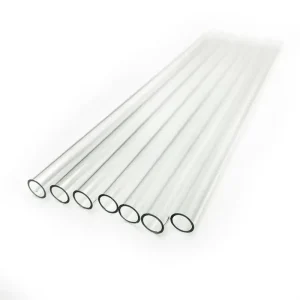
Premium fused quartz tubes manufactured from high-purity silica materials, offering excellent thermal stability, chemical resistance, and optical performance. Available in customized diameters, wall thicknesses, and lengths for industrial and laboratory applications.
Recommended Products
Quartz Glass Tubes Types
-
 Quartz Glass Tube
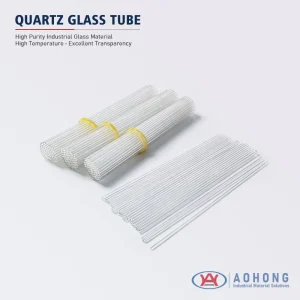
Quartz Capillary Tube
-
Quartz Glass Tube
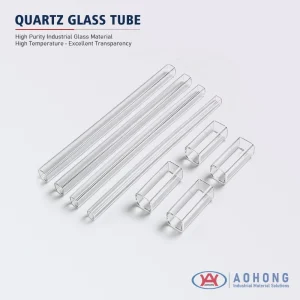
Quartz Glass Tubes
-
Quartz Glass Tube
Quartz Rectangular Tube
-
Quartz Glass Tube
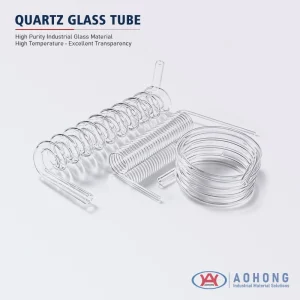
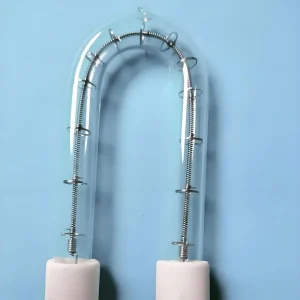
Quartz Spiral Tube
-
Quartz Glass Tube
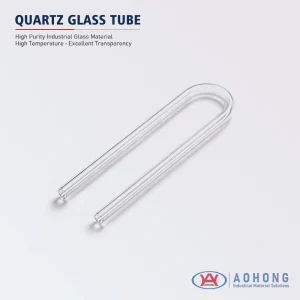
Quartz U-Shaped Tube
-
Quartz Glass Tube
UV Quartz Sleeves
Quartz Glass Tube Technical Specifications
Manufactured from high-purity fused silica with excellent thermal stability, chemical resistance, and dimensional accuracy.
📋 Product Parameters
| Material | High Purity Fused Quartz / Silica Glass |
| SiO₂ Content | ≥99.99% |
| Outer Diameter | 5mm – 300mm (Customized Available) |
| Wall Thickness | 0.5mm – 10mm |
| Length | Customized According To Requirements |
| Color | Transparent / Opaque Quartz |
🔬 Performance Characteristics
| Temperature Resistance | Up to 1200°C continuous operation |
| Softening Point | Approximately 1730°C |
| Thermal Expansion | Extremely Low Thermal Expansion Coefficient |
| Chemical Resistance | Excellent Resistance To Most Acids And Chemicals |
| Optical Performance | Excellent Light Transmission |
| Applications | Furnaces, Sight Glass, Laboratory Equipment |
💡 Custom Quartz Tube Solutions
We provide customized quartz glass tubes including special diameters, lengths, polishing requirements, end processing, and OEM production. Send your drawings or technical requirements for professional evaluation.
Why Choose Our Quartz Glass Tubes
Reliable quartz glass solutions designed for demanding industrial, laboratory, and precision applications.
High Temperature Resistance
Excellent thermal stability allows quartz tubes to perform reliably under high-temperature furnace and heating applications.
High Purity Quartz Material
Low impurity fused silica provides excellent chemical stability and consistent performance.
Excellent Chemical Resistance
Resistant to most acids and chemicals, suitable for harsh industrial environments.
Precision Manufacturing
Accurate dimensions, smooth surface finish, and customized processing options.
Excellent Optical Properties
High light transmission makes quartz tubes suitable for optical and monitoring applications.
OEM & Bulk Supply
Flexible production capability for distributors, equipment manufacturers, and industrial projects.
Quartz Glass Tube Applications
Our quartz glass tubes are widely used in high-temperature, optical, chemical, and precision industrial applications.
Industrial Furnaces
Heating tubes, furnace chambers, and high-temperature processing equipment.
Laboratory Equipment
Quartz tubes for laboratory reactors, testing equipment, and research instruments.
Sight Glass Systems
Transparent quartz tubes for visual monitoring of high-temperature processes.
Semiconductor Industry
Used in semiconductor processing equipment requiring high purity materials.
Solar Energy Equipment
Quartz tubes for solar thermal systems and photovoltaic manufacturing equipment.
Chemical Processing
Chemical reactors, heating systems, and corrosion-resistant equipment.
UV & Optical Applications
UV transmitting quartz tubes for lamps, sensors, and optical devices.
OEM Equipment Manufacturing
Customized quartz components supplied for industrial equipment manufacturers.
Why Choose Hongwo Quartz Glass
A reliable manufacturing partner providing customized quartz glass solutions for global industrial customers.
- ✓ Direct Factory Manufacturing — Own production capability ensures stable quality, competitive pricing, and reliable supply.
- ✓ High Purity Material Control — Selected quartz raw materials with strict inspection to ensure consistent performance.
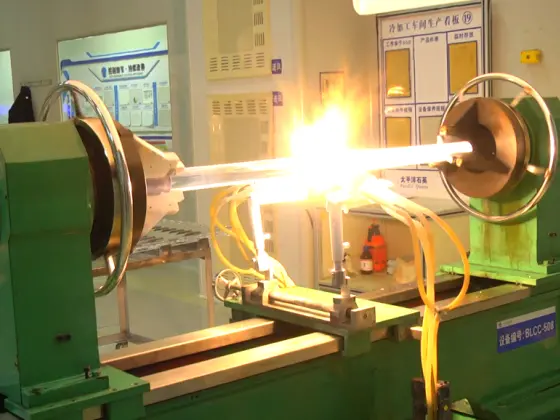
- ✓ Advanced Processing Capability — Support cutting, polishing, fire shaping, end processing, and customized fabrication.
- ✓ OEM Custom Solutions — Manufacture quartz tubes according to customer drawings, dimensions, and technical requirements.
- ✓ Strict Quality Inspection — Inspection of diameter, wall thickness, surface quality, transparency, and appearance.
- ✓ Global Export Experience — Professional packaging and international logistics support for customers worldwide.
Quality Control & Manufacturing Standards
Every quartz glass tube is produced and inspected according to strict quality management procedures.
ISO 9001:2015
Quality Management System
Material Testing
Quartz Purity Inspection
Dimension Control
Precision Measurement
Export Packaging
Safe International Delivery
Frequently Asked Questions
Common questions about quartz glass tube selection, customization, and applications.
Get Your Quartz Glass Tube Quote Today
Tell us your specifications and application requirements. Our engineers will provide a suitable quartz glass solution.
- Factory direct quotation
- Custom diameter and length
- OEM manufacturing support
- Worldwide export service
Request Your Quote
We'll get back to you within 3 hours.
🔒 Your information is secure. We never share your data with third parties.