
Shaft Sleeves & Shaft Seals — Protect, Repair & Seal Rotating Shafts
What / Why — Shaft sleeves and shaft seals protect rotating shafts, restore worn journal surfaces and provide reliable sealing for lubricants and process fluids. Using the correct sleeve and seal combination reduces downtime, simplifies maintenance and extends equipment life. Useful search terms: shaft sleeves, shaft seals, rotary shaft seals, shaft sleeves pdf.
Executive Summary
Shaft sleeves and shaft seals form a combined strategy to protect shafts and control leakage in rotating equipment. This pillar covers common sleeve types (shaft sleeves, adapter sleeves) and shaft sealing solutions (radial shaft seals, rotary V-rings, mechanical face seals), plus selection guidance, comparison tables and practical installation tips for procurement and maintenance teams.
What are Shaft Sleeves & Shaft Seals?
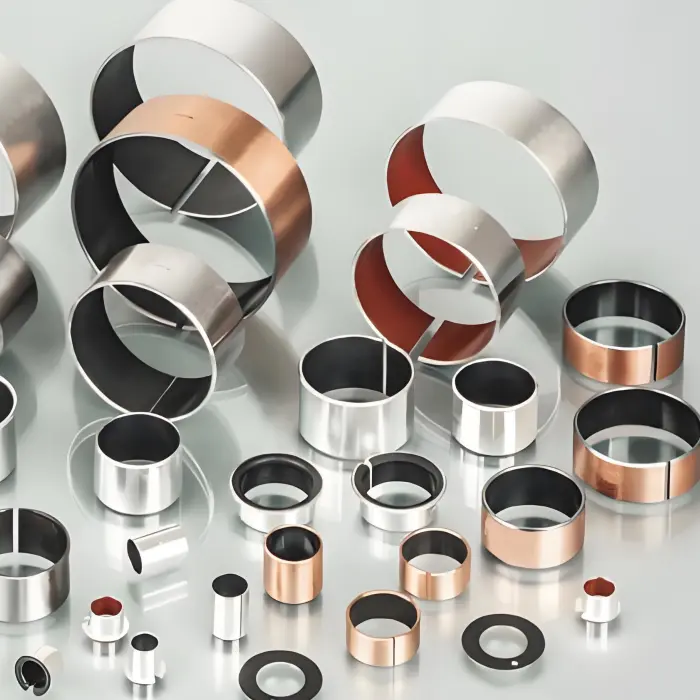
A shaft sleeve is a replaceable cylindrical component mounted on a shaft to provide a fresh, dimensionally accurate sealing surface or to protect the original shaft from wear and corrosion. Shaft seals (radial shaft seals, V-rings and mechanical face seals) seal the interface between the rotating shaft and stationary housing to retain lubricants and exclude contaminants.
Types & Overview — Quick list with short intros and links
Shaft sleeves
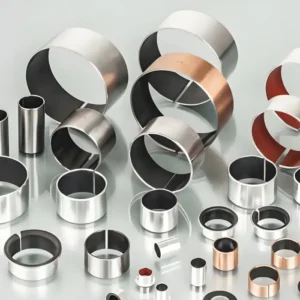
Shaft sleeves are cylindrical overlays (often stainless steel or coated metals) that restore worn shafts and provide a controlled surface for seals. They are a cost-effective alternative to shaft replacement and commonly used in pumps, gearboxes and rotating machinery. Learn more →
Adapter sleeves
Adapter sleeves enable standard seals to be installed on non-standard or worn shafts without machining. They often feature set screws, clamp designs or split configurations for ease of retrofit and secure location. Learn more →
Radial shaft seals
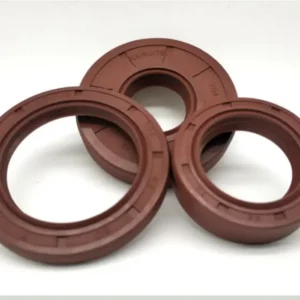
Radial shaft seals (lip-type oil seals) use flexible sealing lips and spring energizers to retain lubricants while excluding contaminants. They are the most common shaft sealing solution for rotating equipment. Learn more →
Rotary V-rings
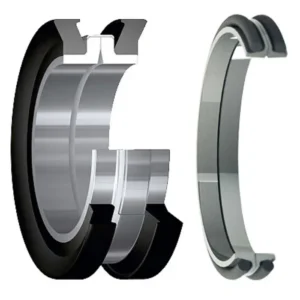
Rotary V-rings are axial, elastomeric seals that act as primary contamination scrapers and provide a low-friction barrier. They are often used in combination with radial lip seals to extend service life in dusty or wet environments.
Mechanical face seals
Mechanical face seals (rotary face seals) provide near-zero leakage for demanding services by using precision lapped faces—used where emissions control or fluid purity is critical. They are applied in pumps, mixers and specialized rotating equipment. Learn more →
Search & Long-tail Keywords
Useful search phrases for SEO and procurement: shaft sleeves, shaft seals, rotary shaft seals, shaft sleeves pdf.
Selection Guide — How to choose sleeves and seals
- Verify application: Identify shaft diameter, rotational speed (rpm), lubricant type and environmental contaminants before choosing material and geometry.
- Material & hardness: Choose sleeve material and surface hardness to match seal material requirements (stainless sleeves for corrosion resistance; hardened surfaces for abrasion resistance).
- Shaft finish & tolerance: Ensure shaft or sleeve running surface finish and tolerance meet seal manufacturer recommendations (surface roughness and tolerance affect lip sealing). Provide shaft finish (Ra) and tolerance when requesting quotes.
- Retaining method: For adapter or split sleeves select secure locking or clamping designs to prevent rotation of the sleeve relative to shaft under torque.
- Seal stacking: Use V-rings or protective seals ahead of primary lip seals in harsh environments to reduce wear and extend service life.
Quick tip: For accurate quotes provide shaft diameter, axial location of seals, sleeve length, shaft finish/hardness, operating speed and fluid type.
Shaft Sleeves & Shaft Seals — Comparison & Typical Specs
Reference values — confirm exact data with product datasheets.
| Item | Typical Use | Temp Range (°C) | Speed / Pressure | Common Materials | Key Benefits |
|---|---|---|---|---|---|
| Shaft sleeve (solid) | Restore worn shafts; provide sealing surface | -40 → +200 | Depends on shaft application | Stainless steel, carbon steel, coated alloys | Cost-effective repair, protects original shaft |
| Adapter sleeve | Allow standard seals on non-standard shafts | -40 → +200 | Dependent on design | Steel, stainless steel, split designs | Retrofit without machining the shaft |
| Radial shaft seal | Retain lubricants, exclude contaminants | -30 → +150 | High rpm possible; pressure up to low bar (lip seals) | Elastomer (NBR, FKM), PTFE-faced | Widespread, economical sealing |
| Rotary V-ring | Primary contamination exclusion | -40 → +150 | Low axial pressure | Elastomeric compounds | Low friction, low maintenance |
| Mechanical face seal | Low leakage, critical sealing | -40 → +260 | Variable; often used with barrier systems | Carbon, ceramic, SiC, metal parts | Near-zero leakage for critical services |
Standard Sizes & Packaging
| Item | Typical Sizes / Formats | Packaging |
|---|---|---|
| Sleeves (solid / split) | Custom OD/ID/length to shaft; split or one-piece | Individually boxed / bulk |
| Radial seals & V-rings | Standard seal sizes & cross-sections (metric / imperial) | Blister / boxed kits |
| Mechanical face seals | Configured per seal face diameter & gland | Kitted with secondary seals |
-
 Shaft Sleeves / Shaft Seals
Face Seals
-
Shaft Sleeves / Shaft Seals
Radial Shaft Seals
-
Shaft Sleeves / Shaft Seals
Shaft Repair Sleeves
-
Shaft Sleeves / Shaft Seals
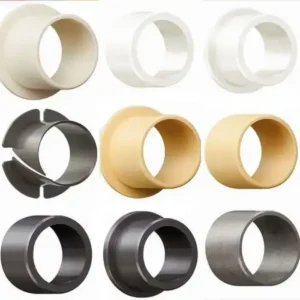
Shaft Sleeve Bushing
Datasheets & Installation Guides
Installation & Best Practices
- Surface prep: remove corrosion, nicks and measure shaft runout; ensure shaft hardness and finish meet seal recommendations.
- Sleeve fit: ensure interference fit or locking method per sleeve design; split sleeves should be secured to prevent rotation.
- Seal orientation: install radial seals with correct lip orientation and energizer side toward fluid; V-rings face contaminants outward.
- Use protective seals: combine V-rings and lip seals for harsh environments to extend seal life.
- Check clearances: ensure axial and radial clearances match seal and sleeve specifications to avoid extrusion and premature failure.
Application Industries & Case Examples
- Pumps & compressors — restore shaft journals and improve seal reliability
- Gearboxes & transmission — protect shafts and simplify maintenance
- Marine & offshore — corrosion-resistant sleeves and robust seals
- Food & pharma — hygienic sleeves and FDA-compatible seals
- Industrial machinery — rotating equipment retrofits and repair kits
Standards & Common HS Codes
Key standards to reference when specifying shaft seals and sleeves:- ISO 6194 / DIN 3760 — rotary shaft lip-type seals and related dimensions (useful for radial shaft seal specification). :contentReference[oaicite:3]{index=3}
- ISO 286-2 — shaft tolerances and fits to ensure correct interference and seal performance. :contentReference[oaicite:4]{index=4}
FAQ — Common Questions for Procurement & Maintenance
- Q: When should I use a shaft sleeve instead of replacing the shaft?
- A: Use a sleeve when the shaft wear is localized and the original shaft material & hardness are suitable—sleeves avoid costly shaft removal and re-machining while restoring sealing surfaces.
- Q: How do I stop a sleeve from rotating on the shaft?
- A: Use sleeves with positive locking features (set screws, keyways, clamp/split designs) or interference fits as specified by the sleeve manufacturer; ensure installation torque is controlled.
- Q: What causes premature radial shaft seal failure?
- A: Common causes include incorrect shaft finish, improper sleeve installation, misalignment, excessive speed, incompatible fluid, and absence of contamination scrapers (V-rings).
- Q: Can I mix V-rings with lip seals for better protection?
- A: Yes — V-rings are often used as a first line of defense to exclude contaminants, extending the life of downstream radial lip seals.
- Q: What information do I need to request an accurate quote?
- A: Provide shaft diameter, sleeve OD & length (or desired sleeve dimensions), axial location of sealing faces, shaft finish (Ra), material preference, operating speed and fluid details.
More FAQs
How do I measure shaft finish for seals?
Measure surface roughness (Ra) with a profilometer; typical recommended Ra ranges depend on seal type—confirm with the seal supplier (e.g., Ra 0.2–0.8 µm for many lip seals).
Are split sleeves as durable as one-piece sleeves?
Split sleeves provide easy retrofit capability; with proper locking/clamping they perform comparably for many services, though one-piece sleeves might offer higher concentricity in some high-precision applications.
Do shaft sleeves need special coatings?
Coatings (hard chrome, nitriding, ceramic) can improve wear and corrosion resistance; select coating with regard to compatibility with seal materials and running friction.