
High Temperature Asbestos Gasket Sheet for Legacy Steam & Oil Service (Where Permitted)
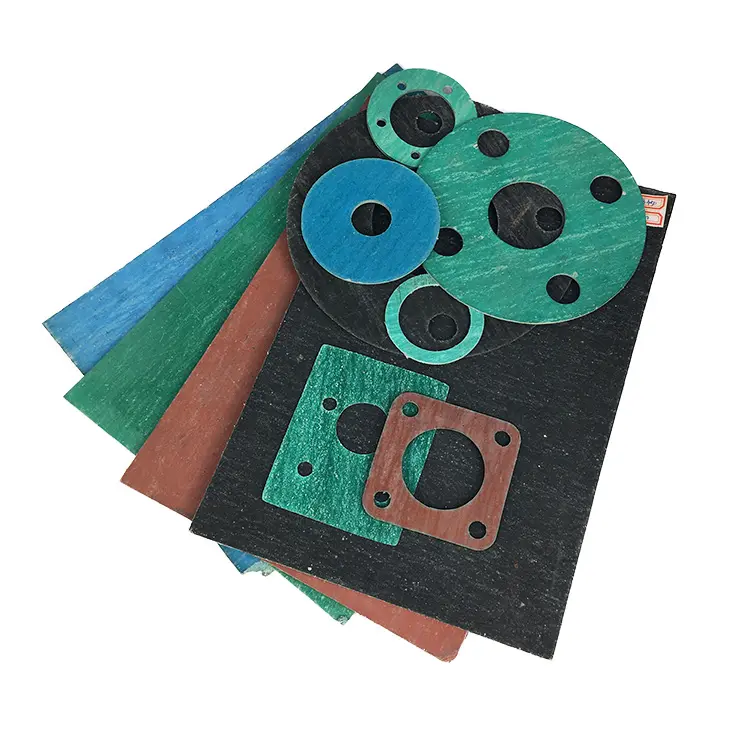
Asbestos rubber gasket sheets manufactured from chrysotile asbestos fiber combined with NBR or SBR rubber binder. Known for excellent heat resistance and reliable sealing in steam, hot oil, and hydrocarbon applications. IMPORTANT: Asbestos is a known carcinogen and is restricted or banned in many countries. This product is only available for export to regions where its use is legally permitted and proper safety protocols are followed. Available in standard sheet sizes and custom die-cut configurations for industrial maintenance and OEM replacement.
Recommended Products
Asbestos Gasket Sheet Types & Configurations
-
 Asbestos Gasket Sheet
Compressed Asbestos Gasket Sheet
-
Asbestos Gasket Sheet
High‑Temp Asbestos Gasket Sheet
-
 Asbestos Gasket Sheet
Oil Resisting Asbestos Rubber Sheet
Asbestos Gasket Sheet Technical Specifications
Manufactured from chrysotile asbestos fiber with NBR or SBR rubber binder. Offers high temperature resistance and reliable sealing in legacy industrial applications where permitted. Not intended for new installations in jurisdictions where asbestos is banned.
📋 Product Parameters
| Material | Chrysotile Asbestos Fiber + NBR/SBR Rubber Binder |
| Asbestos Content | Approximately 70-80% (typical) |
| Thickness | 0.5mm – 5.0mm (standard: 1.0mm, 1.5mm, 2.0mm, 3.0mm) |
| Sheet Size | 1500mm × 1500mm, 1500mm × 1000mm, 1000mm × 1000mm |
| Die-Cut Custom Sizes | Any diameter, bolt hole configuration, or special shape |
| Packaging | Sealed plastic bags inside wooden crates, labeled with asbestos warning |
🔬 Performance Characteristics
| Temperature Resistance | -50°C to +400°C (continuous) / up to +450°C (short term) |
| Pressure Resistance | Up to 60 bar (6 MPa) depending on thickness and grade |
| Density | 1.8 – 2.0 g/cm³ |
| Media Compatibility | Steam, hot oil, hydrocarbons, mild acids & alkalis, solvents |
| Compressibility (ASTM F36) | 10-15% (typical) |
| Recovery (ASTM F36) | ≥40% (typical) |
⚠️ Regulatory Notice
Asbestos-containing products are banned or heavily restricted in over 60 countries, including all EU member states, the UK, Canada, Australia, Japan, and many others. We only export asbestos gasket sheets to countries where import and use are legally permitted. Buyers must confirm compliance with local regulations and obtain necessary import licenses. We do not supply to countries with a total ban.
Why Asbestos Gasket Sheets Are Still Used (Where Legal)
In certain legacy industrial applications and regions where alternatives are not feasible, asbestos sheets continue to be specified for their unique performance characteristics. We provide these products with full safety documentation and compliance support.
High Temperature Resistance
Asbestos sheets maintain sealing integrity up to +400°C, making them suitable for high-temperature steam, boiler, and exhaust applications in older industrial plants.
Proven Oil & Steam Compatibility
The asbestos-rubber composite offers good resistance to mineral oils, fuels, and steam, making it a traditional choice for gaskets in refineries and power plants.
Consistent Sheet Quality
Uniform fiber distribution ensures consistent thickness and density, allowing clean die-cutting and reliable gasket performance in maintenance operations.
Cost-Effective for Legacy Equipment
For existing equipment originally designed with asbestos gaskets, replacement sheets provide a direct interchange without modification, often at lower cost than alternatives.
Strict Safety Documentation
We provide comprehensive safety data sheets (SDS), handling instructions, and packaging labels that clearly indicate the presence of asbestos fibers and required precautions.
Regulated Export Support
We assist buyers with necessary export documentation and ensure that shipments comply with the import regulations of the destination country.
Asbestos Gasket Sheet Applications (Legacy Use)
Asbestos sheets are primarily used for maintenance and repair of existing equipment in regions where they remain legal. Typical applications include:
Power Generation (Legacy)
Boiler handhole and manhole gaskets, steam pipe flange sealing in older thermal power plants.
Refinery & Petrochemical
Hot oil line flanges, heat exchanger gaskets in older refinery units where replacement with non-asbestos may require flange modification.
Industrial Boiler Maintenance
Gasket replacement for boilers and pressure vessels originally designed for asbestos-based materials.
Marine & Ship Repair
Exhaust manifold and steam line gaskets for older vessels where original specifications call for asbestos.
OEM Replacement Parts
Supplying gasket sheets for manufacturers of spare parts in countries without asbestos bans.
Chemical Processing (Limited)
Mild acid and alkali service where asbestos sheets offer adequate resistance and legal use.
General Industrial Piping
Flange gaskets for high-temperature process piping in facilities permitted to use asbestos.
Gasket Converters (Restricted Regions)
Bulk sheet supply to gasket cutters located in countries where asbestos use is still permitted.
Why Choose Hongwo for Asbestos Sheets (Where Legal)
We are a manufacturing and export partner that prioritizes regulatory compliance and safety. We serve customers in regions where asbestos products remain lawful, providing proper documentation and responsible supply.
- ✓ Regulatory Compliance Support — We provide SDS, warning labels, and export documentation to help buyers comply with destination country regulations.
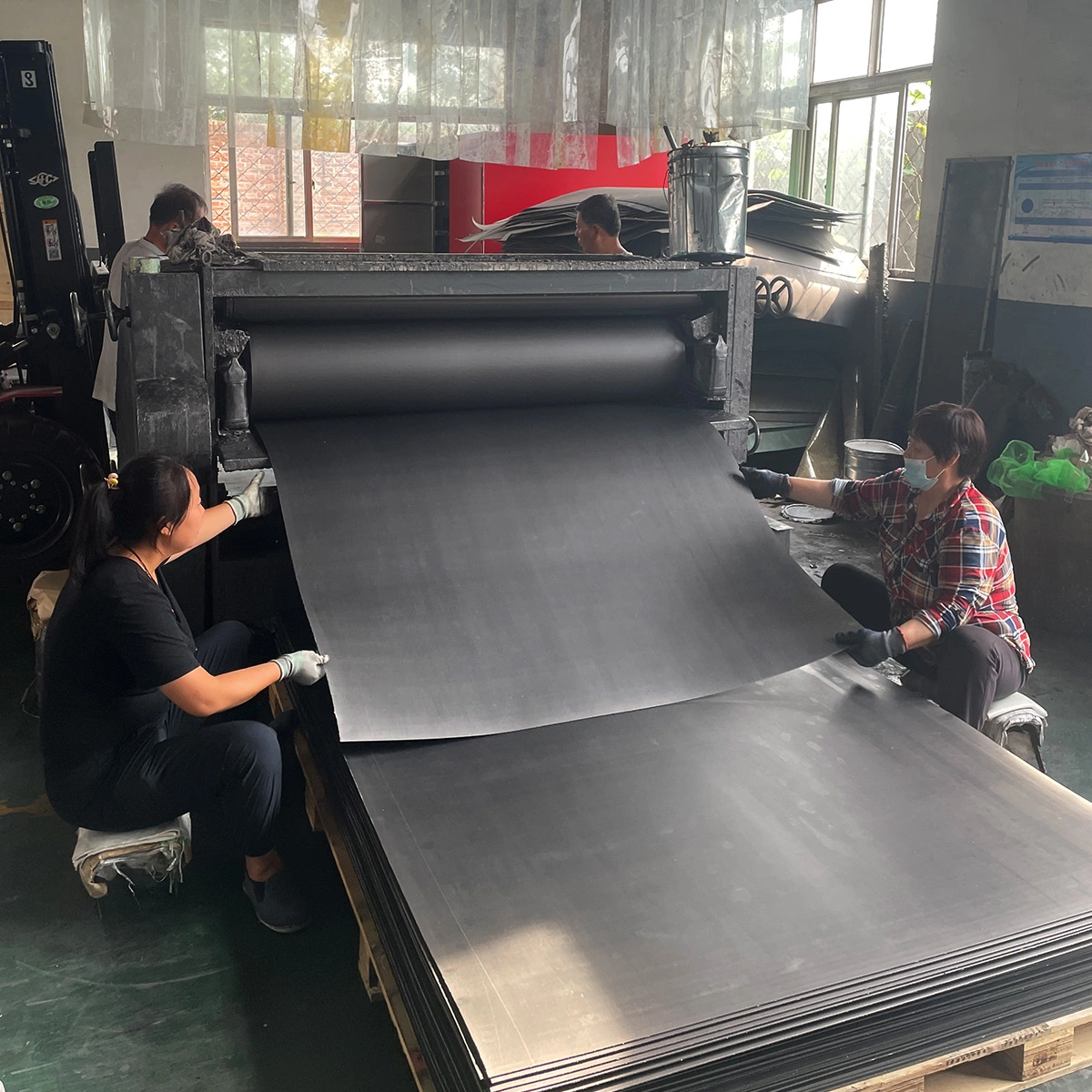
- ✓ Direct Factory Manufacturing — Own production capability ensures stable quality and controlled fiber handling in a professional manufacturing environment.
- ✓ Safety-Oriented Packaging — All sheets are sealed in plastic and crated with prominent asbestos warning labels to prevent fiber release during transport.
- ✓ Custom Die-Cutting Capability — We can produce custom gaskets or supply sheets to your specifications, reducing waste and handling time.
- ✓ Global Export Experience — We understand international shipping requirements for hazardous materials and can advise on necessary permits.
- ✓ Strict Quality Inspection — Inspection of asbestos content, rubber binder ratio, thickness, and density on every batch to ensure consistency.
Quality Control & Manufacturing Standards
Our asbestos gasket sheets are produced under controlled conditions with material testing and quality verification. We maintain compliance with applicable occupational safety regulations in our manufacturing facility.
ISO 9001:2015
Certified Quality Management
SDS Available
Safety Data Sheet Provided
Material Testing
Asbestos Content & Binder Verification
Dimension Control
Thickness, Sheet Size & Die-Cut Precision
Hazardous Material Packaging
Sealed & Labeled for Safe Transport
Frequently Asked Questions
Important information for international buyers regarding asbestos gasket sheet selection, regulations, and supply.
Request Asbestos Gasket Sheet Quote (Restricted Regions)
If your country permits the import and use of asbestos gasket sheets, please provide your specifications. Our team will respond with a quotation and necessary compliance information.
- Factory direct quotation
- SDS & safety documentation
- Custom die-cut options
- Hazardous material shipping
- Export compliance support
Request Your Quote
We'll get back to you within 3 hours.
🔒 Your information is secure. We never share your data with third parties.