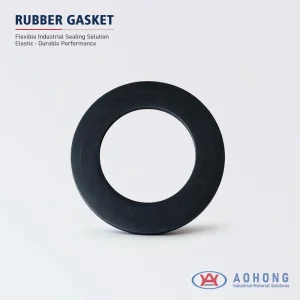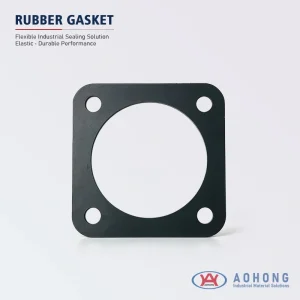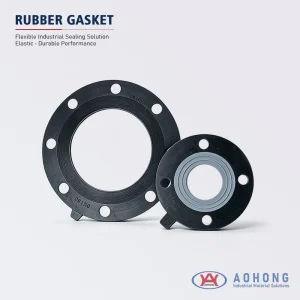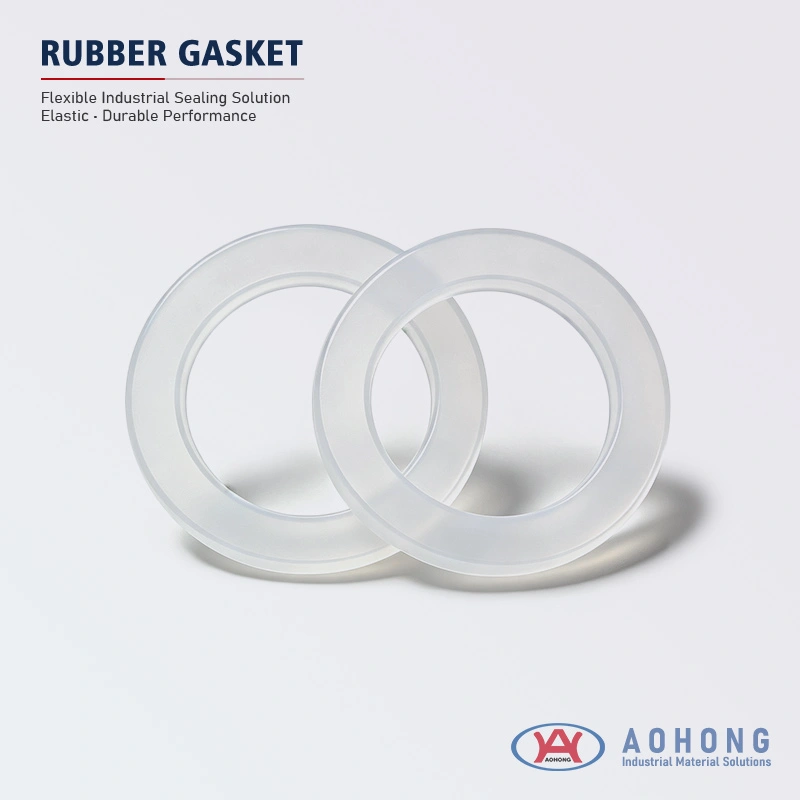


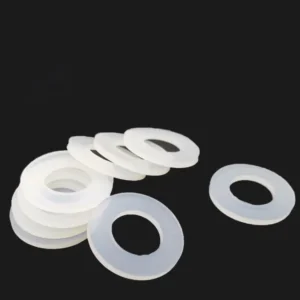
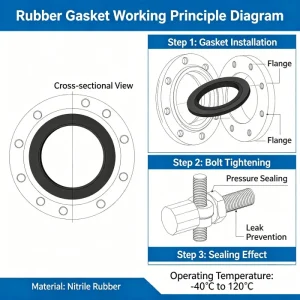
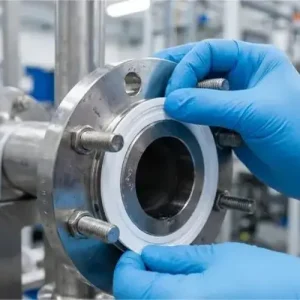
What is a silicone rubber gasket?
Silicone gaskets are made from polysiloxane elastomers (commonly abbreviated VMQ). They keep elastic sealing performance across very low and high temperatures while retaining flexibility and inertness for many sanitary and electrical applications. Common product aliases to include in metadata and RFQs: silicone gasket, silicone rubber gasket, VMQ gasket, food-grade silicone gasket, silicone seal.
Silicone rubber gaskets (also sold as silicone gaskets, VMQ gaskets, silicone rubber seals) are high-temperature, low-temperature flexible sealing solutions prized for thermal stability, weather/UV resistance and food-grade compatibility. Available in sheets, rolls, extruded profiles and custom die-cut parts across a broad Shore A durometer range, silicone gaskets are widely used in HVAC, food processing, medical devices and electronics where wide service temperatures and non-toxicity are required.
Key Selling Points
-
Wide usable temperature window (excellent high- and low-temp performance).
-
FDA / food-contact grades available (21 CFR 177.2600) for sanitary applications.
-
Stable weather, UV and ozone resistance — good for outdoor profiles and seals.
-
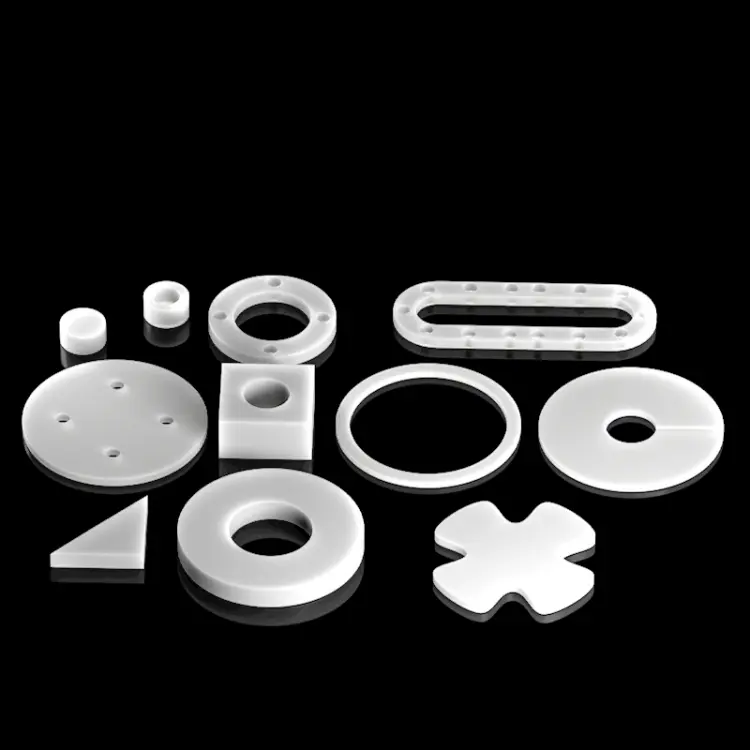
Available in sheets, rolls, extrusions and precision die-cut/molded gaskets.
Technical Specifications
| Property | Typical Range / Note |
|---|---|
| Material / Alias | Silicone (VMQ) — “silicone rubber gasket”, “silicone seal”, “VMQ gasket” |
| Shore A hardness (common) | 30 – 80 Shore A (common stocked: 30A, 50A, 60A, 70A). |
| Usable temperature (typical service) | −60°C to +200°C (continuous); short excursions often tolerated up to +230–250°C depending on compound. |
| Low-temp flexibility | retains elastomeric flexibility below −50°C (some grades lower). |
| Tensile strength | ~5 – 15 MPa (varies by compound and reinforcement). |
| Elongation at break | 100% – 700% typical (compound dependent). |
| Chemical resistance | Good: water, steam (some grades), dilute acids/bases, many cleaning agents; poor to petroleum oils, fuels and many hydrocarbons (not recommended for oil-immersed seals). |
| Typical forms | Sheets, rolls (36″ / 48″ common), extruded profiles, die-cut gaskets, molded parts. |
| Certifications | FDA 21 CFR 177.2600 food-grade variants; some grades meet USP/medical or NSF/WRAS potable water approvals — request certificates. |
(Cite the product datasheet on the product page for final engineering acceptance.)
Standard Thicknesses & Common Sizes
Most silicone sheet/roll stock uses the same fraction-inch sizes as other gasket rubbers — below are exact conversions (rounded to 2 decimals):
 Imperial → Metric conversions:
-
1/64″ = 0.39688 mm → 0.40 mm
-
1/32″ = 0.79375 mm → 0.79 mm
-
1/16″ = 1.5875 mm → 1.59 mm
-
3/32″ = 2.38125 mm → 2.38 mm
-
1/8″ = 3.175 mm → 3.18 mm
-
3/16″ = 4.7625 mm → 4.76 mm
-
1/4″ = 6.35 mm → 6.35 mm
-
3/8″ = 9.525 mm → 9.53 mm
-
1/2″ = 12.7 mm → 12.70 mm
Common stocked thicknesses: 0.8 mm, 1.6 mm, 2 mm, 3 mm, 4.8 mm, 6.4 mm, 12.7 mm.
Standard roll widths & lengths: 36″ (0.91 m) and 48″ (1.22 m) widths are common; lengths vary by supplier (metered or cut-to-length).
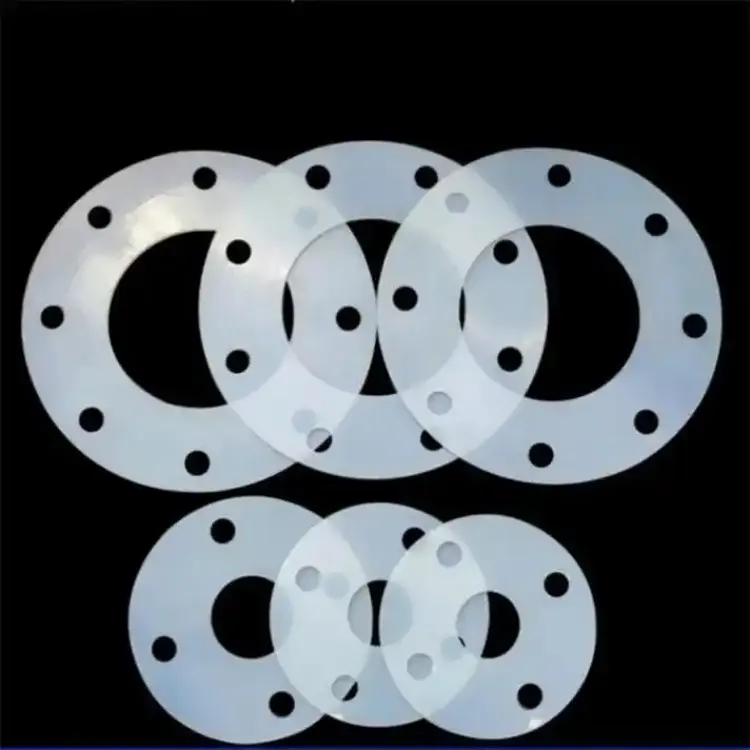
Die-cut / molded sizes: We can cut rings from small OD (Ø10–20 mm) to large flange gaskets (meters) — tolerances depend on cutting method (flatbed die, waterjet, CNC rubber routing).
Typical Applications
-
Food processing gaskets, bakery ovens, sanitary flange seals (use FDA silicone).
-
Medical device seals and diagnostic equipment (select medical grades/USP certs).
-
Electronics: potting & insulation seals (excellent dielectric properties).
-
High/low temperature seals — ovens, cryogenic applications (with appropriate grade).
-
HVAC & construction: window seals, weatherstripping, expansion joints (UV/ozone resistance).
Advantages — Why choose silicone gaskets?
-
Very broad temperature stability — from deep cold to high heat compared with most organic rubbers.
-
Excellent weather/UV/ozone resistance — long outdoor life for profiles and seals.
-
Food & medical grade options — inert and available with FDA/USP approvals for sanitary use.
-
Good dielectric properties — useful in electrical appliances and electronics.
Silicone vs Other Gasket Materials (practical procurement comparison)
Short guidance
-
Use silicone when temperature extremes, food/medical compliance, UV/weather resistance or electrical insulation are priorities.
-
Avoid silicone where prolonged oil, fuel or solvent exposure occurs — prefer NBR or FKM (Viton) for oil/fuel applications.
Comparison table
| Feature / Material | Silicone (VMQ) | Nitrile (NBR) | EPDM | PTFE (Teflon) |
|---|---|---|---|---|
| Oil & fuel resistance | Poor | Excellent | Poor | Excellent (chemically inert) |
| Temp range (typical) | −60°C to +200°C (excursions higher) | −40°C to +120°C | −40°C to +120°C | −200°C to +260°C (varies) |
| Weather/UV/ozone | Excellent | Fair | Excellent | Excellent |
| Food/medical grades available | Yes (FDA/USP) | Some | Some | Some (PTFE inert) |
| Electrical insulation | Excellent | Fair | Good | Good |
| Cost (general) | Medium–High | Low–Medium | Low–Medium | Higher |
(Table is procurement guidance — verify compound datasheets for mission-critical use.)
Quality, Grades & Custom Options
-
Food-grade FDA (21 CFR 177.2600) silicone: request certificate of compliance and extraction limits for your batch.
-
Medical / USP / ISO grades available on request.
-
Reinforced / high-temp silicone variants and fabric-inserted sheets for higher tear strength.
-
Cutting & finishing: die cutting, CNC routing, waterjet, compression molding, extrusion — specify tolerances & edge finish.
FAQ
Q1: What are the common aliases for silicone rubber gaskets?
A: Common names: silicone gasket, silicone rubber gasket, VMQ gasket, silicone seal, food-grade silicone gasket. Use these terms in RFQs to match supplier catalogs.
Q2: What temperature range can silicone gaskets handle?
A: Typical continuous service: −60°C to +200°C; some high-temp formulations and reinforced grades allow short excursions up to +230–250°C. Always confirm with the datasheet for your chosen compound.
Q3: Can silicone be used in food and medical contact?
A: Yes — FDA-compliant silicone (21 CFR 177.2600) and some USP/medical grades exist; request certificates and extraction/USP testing for regulated applications.
Q4: Is silicone oil resistant?
A: No — silicone generally resists water and polar chemicals well but performs poorly in prolonged contact with petroleum oils, fuels and many hydrocarbon solvents. For oil exposure choose NBR or FKM (Viton).
Q5: Which durometer should I pick?
A: For compressible flange seals choose softer (30–50A); for load bearing or high extrusion resistance choose harder (60–80A). Match durometer to surface finish, bolt load and operating pressure.
Q6: What cutting method gives tightest tolerances?
A: CNC routing or waterjet routing usually yields tighter and cleaner tolerances for complex shapes than flatbed die cutting; die cutting is cost-effective for high volumes.
Q7: Can I get samples?
A: Yes — we recommend ordering small cut samples or a sample kit (different durometers/thicknesses) to validate fit, compression set and compatibility before full production.