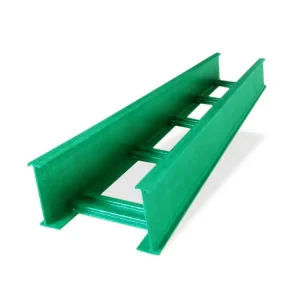
FRP Cable Trays — Corrosion-Resistant Cable Support Systems for Industrial Projects

What / Why — FRP cable trays are composite cable management systems designed to support, route and protect electrical and instrumentation cables in corrosive, wet or outdoor environments. Compared with metal tray systems, they offer excellent corrosion resistance, low maintenance and stable long-term performance in chemical plants, marine facilities, wastewater plants and power infrastructure.

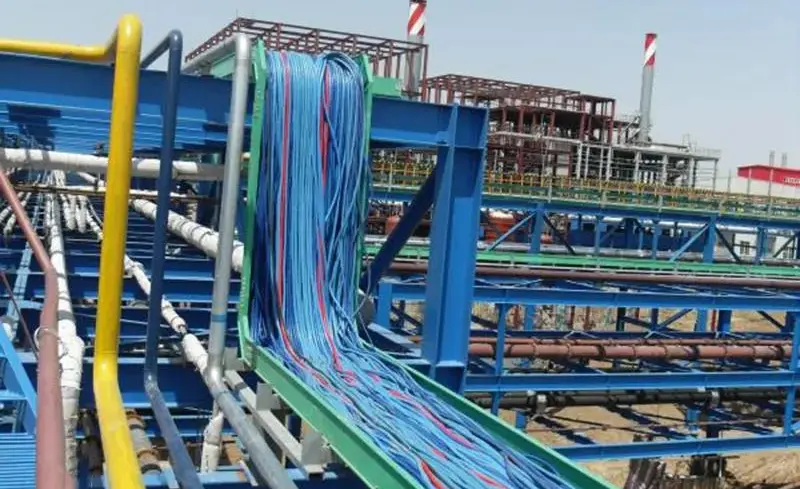
FRP cable trays and fiberglass cable management applications
FRP cable tray systems for industrial cable routing and protection

Executive Summary

FRP cable trays are specified when conventional steel cable trays face corrosion, frequent repainting or premature deterioration. They are especially suitable for facilities that combine moisture, salt spray, chemical exposure or outdoor weathering with long cable runs and demanding uptime requirements.

This pillar page is structured for B2B buyers, project engineers and procurement teams. It covers the main FRP cable tray types, common applications, real project use cases, selection criteria and sourcing considerations to support specification review and vendor comparison.

What Is FRP Cable Tray?

FRP cable tray, also known as fiberglass cable tray or composite cable tray, is a non-metallic cable support system made from fiberglass reinforcement and thermoset resin. It is used to route and protect power cables, control cables and instrumentation cables in environments where corrosion resistance, electrical insulation and low maintenance are important.

FRP Cable Tray Classification

FRP Channel Cable Tray

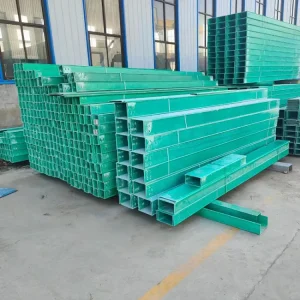
FRP channel cable tray is commonly used for lighter cable runs, branch routing and installations where a compact support profile is preferred. It offers a clean, corrosion-resistant solution for control cables, small power bundles and indoor or sheltered industrial routes. Many buyers choose it for projects that need a lightweight, easy-to-handle tray with reliable long-term performance. It is also frequently specified in areas where space is limited or where frequent cable access is required. Learn more →

FRP Ladder Cable Tray

FRP ladder cable tray is suited to heavier cable loads, longer spans and large-diameter power cable installations. Its open ladder structure improves ventilation, reduces cable heat buildup and simplifies inspection during maintenance. It is widely used in industrial plants, power stations, utilities, marine facilities and outdoor cable corridors. Buyers often select ladder tray when structural performance and service access are more important than a fully enclosed profile. Learn more →

FRP Cable Bracket

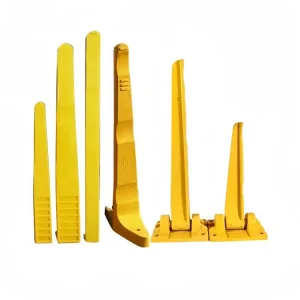
FRP cable brackets are used to support cable trays, wall-mounted routes, vertical drops and localized cable fastening points. They are especially useful when the project requires a corrosion-resistant fixing solution that complements the tray system. In many installations, brackets are a critical part of the load path and should be selected together with the tray profile, supports and fixing hardware. Learn more →

Accessories

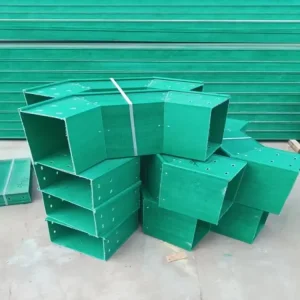
Accessories complete the cable tray system and influence both installation quality and service life. Typical items include couplers, clamps, supports, fasteners, bends, tees, reducers, covers and earthing-related components where applicable. For B2B buyers, accessory compatibility is important because project failure often comes from poorly matched connectors rather than the tray body itself. Learn more →

Application Scenarios — Where FRP Cable Trays Perform Best

Chemical Plants

FRP cable trays are widely used in chemical processing facilities because acids, alkalis, solvent vapors and washdown conditions can quickly damage steel tray systems. Composite trays help reduce corrosion-related maintenance and support safer, more stable cable routing in aggressive process areas.

Marine & Coastal Facilities

Ports, shipyards, offshore platforms and coastal infrastructure benefit from FRP cable trays because salt spray and high humidity cause chronic corrosion in metal systems. FRP trays help maintain structural integrity and reduce the need for periodic recoating or replacement.

Wastewater & Utilities

Wastewater plants, pump stations and utility corridors often combine moisture, chemicals and outdoor exposure. FRP cable trays provide a practical cable support solution for these environments, especially when long-term service reliability is more important than lowest initial cost.

Power & Energy Projects

Power plants, substations and energy infrastructure use FRP cable trays where cable routing requires corrosion resistance, outdoor durability and organized separation of control and power cables. Ladder trays are especially common in longer runs and higher-capacity installations.

Tunnels & Underground Works

Underground projects, tunnels and service corridors often face water ingress, humidity and limited access. FRP cable tray systems help maintain cable organization and simplify inspection while reducing long-term maintenance exposure in enclosed spaces.

Food / Industrial Processing

In washdown areas and processing facilities, cable support systems must withstand moisture and routine cleaning. FRP cable trays offer a durable alternative where conventional steel may corrode quickly or require frequent replacement.

Quick Flow

Step 1

Define the environment: indoor, outdoor, wet, corrosive, coastal or process-chemical exposure.

Step 2

Confirm the cable load: light control wiring, mixed cable runs or heavy power cable routes.

Step 3

Select the profile: channel cable tray, ladder cable tray, cable bracket and matching accessories.

Case Studies — Typical FRP Cable Tray Use Cases

Case Study 1 — Chemical Plant Cable Route Replacement

Problem: The existing steel cable trays in a chemical plant were corroding quickly in a corrosive atmosphere.

Solution: FRP ladder cable trays were installed for the main cable corridors, with matching FRP brackets and accessories.

Result: The project reduced corrosion-related maintenance and improved the durability of the cable support system.

Case Study 2 — Coastal Utility Facility

Problem: Salt spray and high humidity were causing recurring coating failure on metal tray systems.

Solution: FRP channel cable trays were specified for smaller cable runs, with corrosion-resistant support hardware for long service life.

Result: The facility gained a more stable cable routing solution with significantly lower repainting and replacement exposure.

Case Study 3 — Wastewater Treatment Upgrade

Problem: Moisture, chemical vapors and washdown conditions were shortening the life of the cable management system.

Solution: FRP ladder cable trays and accessories were used across the main process areas to improve corrosion resistance and simplify inspection.

Result: The upgraded system supported improved maintainability and better long-term service performance.

Selection Guide — What to Consider Before Ordering FRP Cable Trays

  1. Environment: indoor, outdoor, marine, chemical or high-humidity service.
  2. Cable load: light control cable, mixed cable runs or large power cable bundles.
  3. Span and support spacing: confirm tray stiffness and bracket layout.
  4. Routing complexity: straight runs, elevation changes, branch lines or multi-way intersections.
  5. Fire, UV and chemical requirements: verify the project exposure conditions.
  6. Installation method: check access, mounting style and accessory compatibility.

For procurement, the best tray system is not only the tray profile itself, but the combination of tray body, bracket system and accessories matched to the site conditions.

Material Comparison Table

This matrix is useful when comparing FRP cable trays against conventional metal alternatives during specification review.

Property FRP Cable Tray Steel Cable Tray Aluminum Cable Tray PVC / Plastic Tray
Corrosion resistance Excellent Poor without coating Good Good
Electrical insulation Excellent Conductive Conductive Good
Structural performance Good for engineered cable support systems Excellent Moderate to good Limited
Maintenance demand Low Higher due to corrosion protection needs Low to moderate Low
Typical applications Chemical, marine, wastewater, power, outdoor industrial General industrial interiors Light to medium-duty systems Light service, limited industrial use

Why Choose Us

Direct Manufacturer

As a physical manufacturer, we maintain control over production quality, structural consistency and packing standards. This is important for project buyers who need repeatable specifications and reliable delivery.

Project Support

We support B2B buyers with technical communication, accessory matching and packing coordination, which reduces procurement friction for contractors and distributors.

Cost Control

We help buyers balance performance and budget by matching the right tray profile and accessory set to the actual service environment and cable load.

Industry Standards & Common HS Code References

Topic Common Reference Buyer Note
Standards / specs Project-specific cable support requirements, structural load expectations, fire and UV performance where required Confirm acceptance criteria, installation method and support spacing before order release
HS code Commonly classified under 3925.90 or related composite-material headings depending on structure and destination market Final classification should be confirmed with the destination customs broker

FAQ

What is the main advantage of FRP cable trays?

The main advantages are corrosion resistance, electrical insulation and low maintenance in demanding environments.

Which type should I choose: channel tray or ladder tray?

Channel tray is generally used for lighter runs and compact routing, while ladder tray is preferred for heavier loads and longer spans.

Can FRP cable trays be used outdoors?

Yes. They are commonly used outdoors in marine, chemical, utility and industrial environments.

Do you supply brackets and accessories together?

Yes. Brackets, couplers, fasteners and other accessories can be supplied as part of a complete cable tray package.

What information is needed for a quote?

Provide tray type, dimensions, span, quantity, installation environment and destination port if shipping is required.

Are FRP cable trays suitable for corrosive areas?

Yes. Corrosive environments are one of the main reasons buyers specify fiberglass cable tray systems.

Need FRP cable trays for an industrial project?

Send your cable route details, environment and support requirements, and our technical team will help match the right fiberglass cable tray system.

Scroll to Top