
High-Strength FRP Profiles — Complete Application Solutions, Free Design & Material Replacement Support
Premium fiberglass reinforced plastic (FRP) profiles manufactured by advanced pultrusion and molding processes. We offer complete structural solutions for corrosive environments, plus free design assistance and free material replacement evaluations to help you switch from steel, aluminum, or wood with confidence. Custom shapes, lengths, and resin systems available.
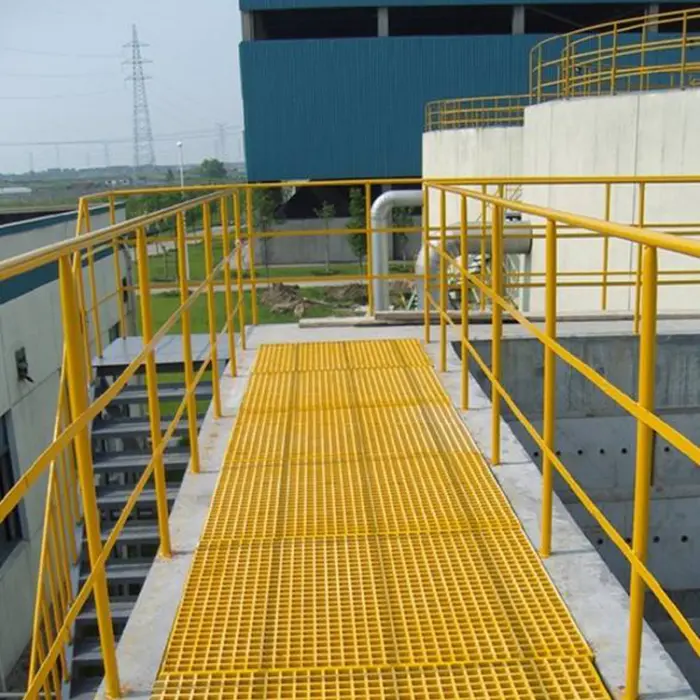
Recommended Products
FRP Profiles Types
-
 FRP Profiles
Fiberglass Angle
-
FRP Profiles
Fiberglass I Beam
-
FRP Profiles
Fiberglass Rod
-
FRP Profiles
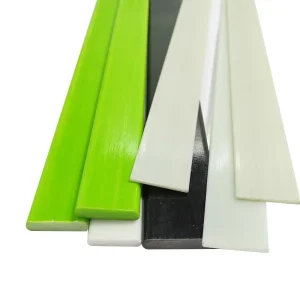
FRP Flat Bar
-
FRP Profiles
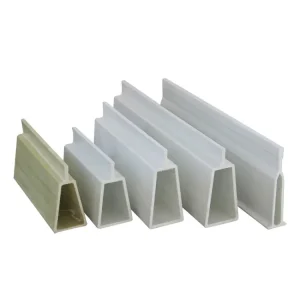
FRP Floor Beam
-
FRP Profiles
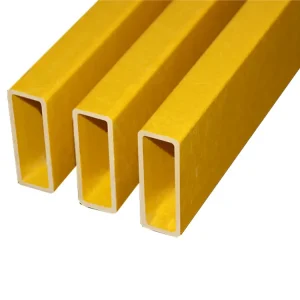
FRP Rectangular Tubes
-
FRP Profiles
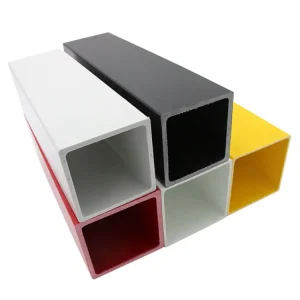
FRP Square Tube
-
FRP Profiles
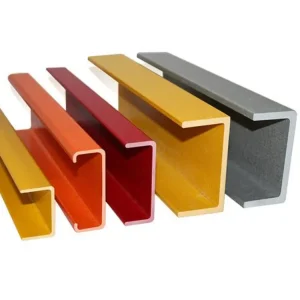
FRP U Channel
-
FRP Profiles
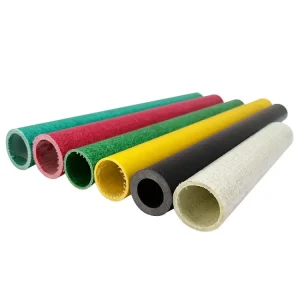
Structural FRP Round Tube
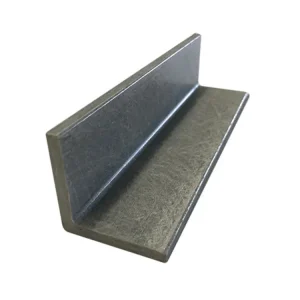
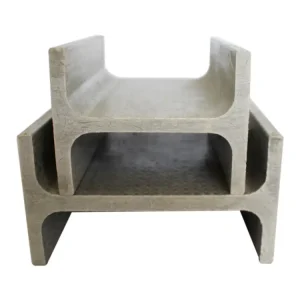
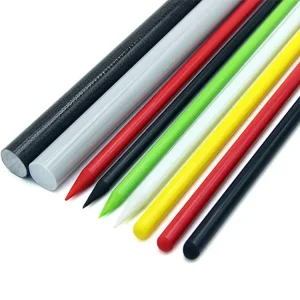
FRP Profiles Technical Specifications
Engineered from high-quality fiberglass reinforcements and premium resin systems to deliver exceptional corrosion resistance, dimensional stability, and mechanical performance.
📋 Product Parameters
| Manufacturing Process | Pultrusion, Compression Molding, Filament Winding |
| Resin Systems | Isophthalic Polyester, Vinyl Ester, Epoxy, Phenolic |
| Reinforcement | E-glass, S-glass, Carbon Fiber (optional) |
| Profile Types | I-Beam, Channel, Angle, Round Tube, Square Tube, Flat Bar, Custom |
| Standard Lengths | 3m, 6m, 12m (custom up to 18m) |
| Surface Finish | Smooth, textured, UV-resistant coating, gel coat |
🔬 Performance Characteristics
| Density | 1.6 – 2.0 g/cm³ (lightweight) |
| Tensile Strength | 300 – 1000 MPa (depending on reinforcement) |
| Flexural Strength | 250 – 800 MPa |
| Modulus of Elasticity | 20 – 45 GPa |
| Temperature Range | -40°C to +120°C (continuous), up to 180°C (epoxy) |
| Corrosion Resistance | Excellent in acidic, alkaline, and salt-spray environments |
💡 Free Design & Material Replacement Support
Not sure if FRP is the right replacement for your steel or aluminum components? Send us your drawings or application details — our engineers will provide a free feasibility analysis and recommend the optimal profile and resin system. We'll help you switch with confidence.
FRP vs Traditional Materials
Why more engineers are replacing steel, aluminum, and wood with FRP profiles in corrosive and demanding environments.
| Property | FRP Profiles | Steel | Aluminum | Wood |
|---|---|---|---|---|
| Corrosion Resistance | Excellent — inert to most chemicals, salt, and moisture | Poor — rusts and requires coating | Moderate — galvanic corrosion possible | Poor — rots and warps |
| Weight | Lightweight (1.6–2.0 g/cm³) | Heavy (7.85 g/cm³) | Light (2.7 g/cm³) | Moderate (0.4–0.8 g/cm³) |
| Maintenance | Virtually maintenance-free | Requires painting / galvanizing | Low maintenance but may oxidize | Requires sealing / staining |
| Service Life | 50+ years | 20–30 years with maintenance | 25–35 years | 10–15 years |
| Thermal / Electrical Insulation | Excellent insulator | Conductive | Conductive | Insulator but flammable |
| Life-Cycle Cost | Low (minimal upkeep) | High (painting, repair) | Moderate | Moderate to high |
Why Our FRP Profiles & Solutions Outperform
We combine superior materials with comprehensive engineering support to deliver complete solutions that reduce total cost of ownership.
Outstanding Corrosion Resistance
Unaffected by moisture, salt spray, chemicals, and most industrial atmospheres. Ideal for harsh environments where metal corrodes quickly.
Lightweight & High Strength
Weight is approximately 75% lighter than steel and 30% lighter than aluminum, while offering comparable or higher tensile strength.
Free Design & Engineering
Our team provides free structural design, load calculations, and profile selection to ensure your project meets all performance requirements.
Material Replacement Solutions
We analyze your existing steel, aluminum, or wood components and provide a free replacement proposal — including dimensional equivalents and cost comparison.
Low Life-Cycle Cost
No painting, galvanizing, or frequent replacement required. Reduced maintenance translates to significant long-term savings.
Complete Project Solutions
From profiles to gratings, handrails, and custom fabrications — we supply complete FRP systems for platforms, walkways, and structural applications.
FRP Profiles Applications
Our FRP solutions are trusted in a wide range of industries where durability, safety, and corrosion resistance are paramount.
Chemical Plants
Walkways, handrails, structural supports
Marine & Offshore
Decking, cable trays, ladders, platforms
Electrical & Telecom
Cable trays, insulating ladders, antenna mounts
Water & Wastewater
Weirs, baffles, access platforms, railings
Construction & Infrastructure
Rebar, grating, formwork, bridge components
Agriculture
Livestock flooring, greenhouse frames, fencing
Aerospace & Defense
Lightweight structural components, radomes
Laboratories & Cleanrooms
Non-corrosive benches, shelving, support frames
Why Procurement Teams Choose Our FRP Solutions
We combine advanced pultrusion technology with comprehensive engineering support to deliver FRP solutions that meet the most demanding specifications.

- ✓ In-House Pultrusion Lines — Own production lines ensure consistent quality, fast turnaround, and competitive factory-direct pricing.
- ✓ Free Design & Material Replacement Analysis — We evaluate your existing components and recommend FRP equivalents at no cost, including load calculations and cost comparison.
- ✓ Custom Resin & Reinforcement Selection — We tailor resin systems (vinyl ester, epoxy, phenolic) and fiber orientation to match your specific chemical and mechanical requirements.
- ✓ Precision Die Technology — CNC-machined dies guarantee tight dimensional tolerances and repeatable profile geometry.
- ✓ Third-Party Testing & Certification — Each batch can be accompanied by test reports for tensile, flexural, and chemical resistance properties.
- ✓ Global Logistics Expertise — Professional export packaging (wooden crates, bundling) and documentation support for worldwide delivery.
Quality Control & Manufacturing Standards
Our FRP profiles are produced and tested according to the highest international standards for composite materials.
ISO 9001:2015
Quality Management System
ASTM D-638
Tensile Properties Testing
ASTM D-790
Flexural Properties Testing
ASTM E-84
Flame Spread Index
REACH Compliant
EU Regulation
RoHS Compliant
Hazardous Substances
Frequently Asked Questions
Quick answers to common questions about FRP profiles selection, customization, and performance.
Ready to Get Your FRP Profiles Quote?
Tell us your profile type, dimensions, resin preference, and quantity. Our engineers will respond with a detailed quotation within 3 business hours, and we'll include a free design or material replacement consultation if needed.
- Free technical consultation & material recommendation
- Free design and structural calculation support
- Free material replacement analysis for steel/aluminum/wood
- No obligation — transparent, itemized quotation
Request Your Quote
We'll get back to you within 3 hours.
🔒 Your information is secure. We never share your data with third parties.