
Pneumatic Seals — Efficient Sealing for Air-driven Systems
What / Why — Pneumatic seals are engineered to retain compressed air, prevent leakage and protect cylinder internals from contaminants. Correct material and profile selection improves cycle life, reduces friction and minimizes maintenance in automated and industrial pneumatic applications. Useful search terms: pneumatic seals types, pneumatic seals pdf, pneumatic cylinder seals, pneumatic seals manufacturers.
Executive Summary
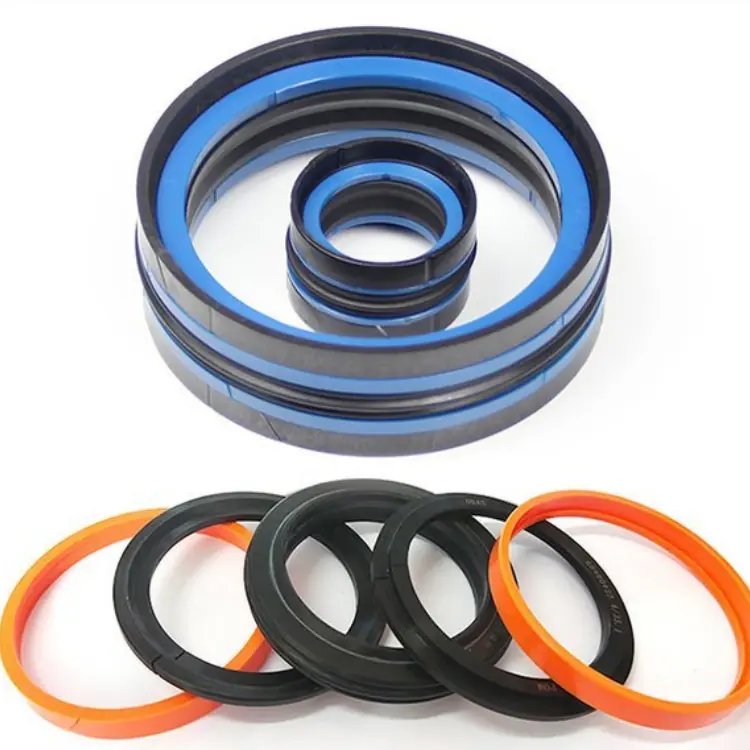
Pneumatic seals support reliable, low-friction sealing in air-driven cylinders used across automation, packaging, robotics and process equipment. This pillar provides a structured overview of pneumatic seal types — piston seals, rod seals, wipers, guide rings, elastomeric profiles and PTFE composite seals — plus selection guidance, a comparison table for procurement, standards guidance and a practical FAQ for engineers and buyers.
What are Pneumatic Seals?
Pneumatic seals are specialized sealing elements designed for compressed-air systems. They create pressure-tight interfaces while accommodating high cycle rates, low-medium pressures and frequent start/stop operation typical of pneumatic actuators. Their design balances sealing effectiveness with minimal friction to conserve compressed air and extend actuator life.
Types & Overview — Quick list with short intros and links
Piston seals
Piston seals isolate the pressure chambers inside pneumatic cylinders and maintain actuation force. Typical piston seal designs use elastomeric profiles or PTFE composites with energizers to provide low friction and good sealing at high cycle rates. Learn more →
Rod seals
Rod seals prevent compressed air from escaping along the piston rod and must tolerate sliding contact and environmental contaminants. Multi-lip elastomeric profiles or PTFE-faced rod seals are common where low leakage and long life are required. Learn more →
Wipers
Wipers (scrapers) remove dust, debris and moisture from the rod before it re-enters the cylinder. Proper wipers significantly reduce seal wear and contamination-related failures in industrial and outdoor pneumatic systems.
Guide rings
Guide rings (wear rings) stabilize piston or rod movement, prevent metal-to-metal contact and protect seals from side loads. Materials include PTFE, phenolic composites and laminated plastics for low friction and high wear resistance. Learn more →
Elastomeric profiles
Standard elastomeric profiles (NBR, HNBR, FKM) provide excellent elasticity and sealing at low pressures typical of pneumatic systems. They are economical, easy to install and cover a wide range of temperatures and media.
PTFE composite seals
PTFE composite seals combine a low-friction PTFE sliding face with an elastomeric energizer or spring for low wear and extended life in high-cycle or chemically exposed pneumatic applications. Ideal where minimal friction and long life are priorities.
Search & Long-tail Keywords
Recommended long-tail keywords for SEO and procurement: pneumatic seals types, pneumatic seals pdf, pneumatic cylinder seals, pneumatic seals manufacturers.
Selection Guide — How to select pneumatic seals
- Operating pressure: Confirm maximum system pressure (pneumatic systems typically up to ~10–12 bar); select seal geometry and anti-extrusion measures accordingly.
- Cycle rate & speed: For high-frequency cycling select low-friction compounds (PTFE composites or specially formulated elastomers) to reduce wear and power loss.
- Contamination exposure: Use robust wipers and protective guide rings in dusty or wet environments to extend seal life.
- Temperature & media: Match elastomer compound to temperature range and any exposure to oils, lubricants or detergents used in the plant.
- Installation & tolerances: Provide bore/rod dimensions, surface finish, stroke length and mounting groove details for correct cross-section and fit recommendations.
Quick tip: When requesting quotes include rod diameter, bore diameter, seal cross-section (or drawing), operating pressure, cylinder speed and environment (dust/washdown) to ensure accurate recommendations.
Pneumatic Seals — Comparison Table
Reference comparison for specification and procurement. Values are typical ranges — always confirm with vendor datasheets.
| Type | Typical Application | Temp Range (°C) | Pressure Range | Common Materials | Key Advantages |
|---|---|---|---|---|---|
| Piston seals | Pneumatic cylinders — retain pressure differential | -30 → +120 | Up to ~10–12 bar | NBR, PU, PTFE composite, HNBR | Low leakage, good wear resistance at high cycles |
| Rod seals | Prevent external leakage along rod | -30 → +120 | Up to ~10 bar | NBR, FKM, PTFE-faced | Robust sliding contact, low friction |
| Wipers | Remove contaminants from rod surface | -40 → +120 | Low pressure exposure | NBR, PU, PTFE | Protects seals, reduces maintenance |
| Guide rings | Prevent metal-to-metal contact, guide piston/rod | -40 → +150 | — | PTFE, phenolic, composite | Reduce wear and side-load damage |
| Elastomeric profiles | General-purpose sealing profiles | -30 → +120 | Low to medium | NBR, HNBR, FKM | Good elasticity, economical |
| PTFE composite seals | High-cycle, low-friction or chemical exposure | -50 → +200 | Up to ~12 bar (design dependent) | PTFE filled, fabric-reinforced with elastomer energizer | Very low friction, long life |
Standard Formats & Packaging
| Item | Typical Formats | Packaging |
|---|---|---|
| Seal kits | Complete cylinder kits per bore/rod size | Sealed kits / boxed sets |
| Individual seals & wipers | Cut or molded profiles; split or one-piece wipers | Bulk / retail packs |
| Guide rings | PTFE, phenolic or composite machined rings | Per piece / bulk boxes |
-
 Pneumatic Seals
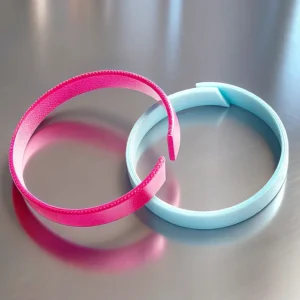
Pneumatic Guide Ring
-
Pneumatic Seals
Pneumatic Piston Seal
-
Pneumatic Seals
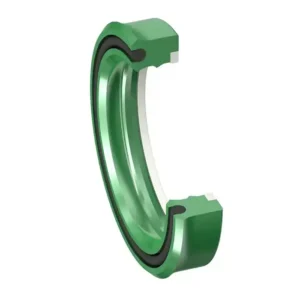
Pneumatic Rod Seals
Datasheets & Installation Guides
Installation & Best Practices
- Inspect rod & bore finish: ensure surface finish and absence of burrs or corrosion to prevent premature seal wear.
- Use correct lubrication: assemble with compatible lubricants to reduce friction during first runs and prevent stick-slip.
- Control extrusion gaps: for higher pressures or larger gaps use guide rings or back-up designs to avoid extrusion.
- Prevent contamination: install suitable wipers and, where required, rod boots or bellows for harsh environments.
- Matched kits: replace seals as matched kits to ensure materials and dimensions are compatible for reliable performance.
Application Industries & Case Examples
- Factory automation — pick-and-place actuators and grippers
- Packaging machinery — high-cycle cylinders
- Robotics — compact pneumatic actuators
- Material handling — conveyors and lifters
- Food processing — pneumatic valves and actuators (food-grade compounds)
Standards & Common HS Codes
Standards often referenced when specifying pneumatic sealing elements:- ISO 3601 / ISO 3320 — Relevant where O-rings or standardized seals are used within pneumatic devices.
- DIN / ASTM — Surface finish and elastomer testing standards are useful references for sealing performance.
- Food & medical standards — For food-contact pneumatic components choose FDA-compliant or food-grade elastomer compounds and request certificates.
FAQ — Common Questions for Procurement & Maintenance
- Q: Why are seals failing prematurely in pneumatic cylinders?
- A: Common causes include contaminated air, incorrect surface finish, improper lubrication, incorrect seal geometry or incorrect material selection for temperature/chemicals.
- Q: Can PTFE composite seals be used in low-pressure pneumatic systems?
- A: Yes — PTFE composites provide low friction and long life and are particularly beneficial in high-cycle applications, but they may require appropriate energizer design to maintain sealing at very low pressures.
- Q: What is the recommended rod surface finish for pneumatic seals?
- A: Rod surface finish recommendations vary with seal type; a typical guideline is Ra 0.2–0.4 µm for many elastomeric seals and slightly finer for PTFE-faced seals—confirm with seal supplier.
- Q: How often should wipers be replaced?
- A: Replacement intervals depend on environment and duty. Inspect during routine maintenance and replace when wear, deformation or cracks are observed to avoid contaminant ingress.
- Q: What data should I provide to request a replacement seal kit?
- A: Provide cylinder model or bore/rod dimensions, stroke length, operating pressure and speed, fluid/lubricant details, temperature range and environmental notes (dust, washdown, chemicals).
More FAQs
Are polyurethane seals good for pneumatic service?
Polyurethane (PU) offers excellent wear resistance and is suitable for piston seals in many pneumatic applications, particularly where abrasion resistance matters.
Do pneumatic seals need special lubricants?
Use lubricants compatible with seal materials and intended service. Many pneumatic seals are specified for dry or low-lubrication environments; consult the supplier for approved lubricants.
Can I convert a hydraulic cylinder to pneumatic by changing seals?
Conversion may be possible but requires careful re-evaluation of pressures, tolerances and seal geometry—consult an engineer to confirm suitability and safety.