
Seal Installation Tools — Gland Packing Extractors & Hydraulic Seal Tools
What / Why — Proper tools speed up seal maintenance, reduce risk of damage to shafts and housings, and ensure seals are installed with correct alignment and preload. This page covers common tools such as gland packing extractors and hydraulic cylinder seal tools, with selection guidance for maintenance teams and procurement. Key search terms: Gland Packing Extractor, Hydraulic Cylinder Seal Tool, Seal installation tools pdf.
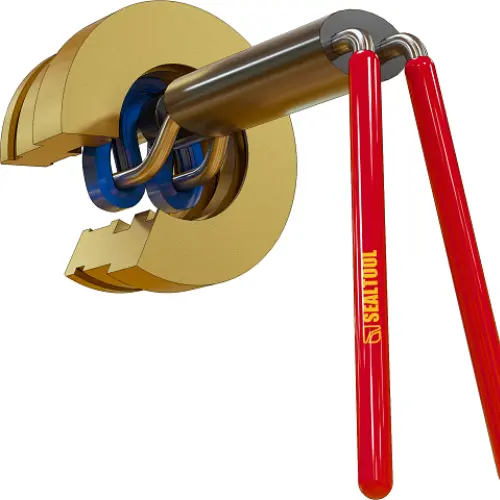
Executive Summary
Seal installation tools — from manual gland packing extractors to hydraulic seal presses — are essential for safe, efficient maintenance of seals and packings on pumps, valves and hydraulic cylinders. This pillar covers tool types, quick selection guidance, a comparison table useful for procurement, safety and best practices, and answers common questions for maintenance teams and buyers.What are Seal Installation Tools?
Seal installation tools are purpose-built devices that assist technicians in removing old packing or installing seals without damaging mating surfaces. Examples include mechanical extractors, hooked pullers, hydraulic push/pull kits, soft-faced mandrels, split sleeves and installation cones or drivers that match seal cross-sections.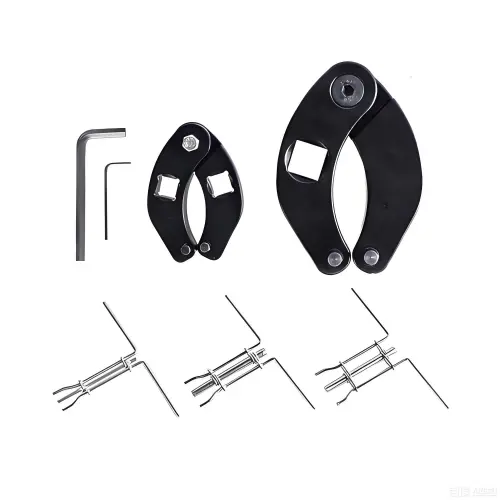
Types & Overview — Quick list with short intros and links
Gland Packing Extractor
Hand and power-assisted extractors (hook tools, spiral pullers, burst-free extractors) remove braided or formed packing from stuffing boxes with minimal shaft damage. They are designed to reach into deep glands and extract old material quickly. Learn more →Hydraulic Cylinder Seal Tool
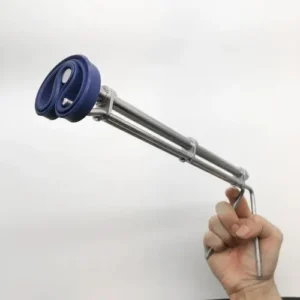
Hydraulic installation/pull-back tools and press kits press piston and rod seals into position, seat sleeves and reassemble cylinders using controlled force. Kits commonly include mandrels, adapters and hydraulic rams sized for common bore/rod diameters. Learn more →Accessory & Consumables
Adapters, soft-faced mandrels, split sleeves, guide rods, protective sleeves and seal drivers are essential accessories to ensure correct fit and prevent damage when using installation tools. Learn more →Search & Long-tail Keywords
Recommended long-tail keywords for SEO/procurement: Gland Packing Extractor, Hydraulic Cylinder Seal Tool, seal installation tools pdf, packing removal tool.Selection Guide — How to choose the right tool
- Task definition: Determine whether your primary need is packing removal, seal installation or both. Packing extractors for braided packing differ from seal presses used for piston/rod seals.
- Shaft / bore sizes: Select tools rated for the shaft diameter, stuffing box depth or cylinder bore you work with. Kits with adapters cover a range of sizes.
- Force & control: For installation use hydraulic or torque-controlled tools for even pressure and to avoid over-compression or damage.
- Portability & power source: Choose manual hand tools for field repairs, pneumatic/hydraulic kits for shop or heavy-duty use. Battery-powered options exist for remote sites.
- Material protection: Use soft-faced mandrels, protective sleeves or split sleeves to avoid scratching shafts, chrome plating or sleeves when pressing seals.
- Safety & ergonomics: Prefer tools with guards, pressure relief, and ergonomic handles—reduce risk in confined spaces and ensure secure handling during press operations.
Quick tip: When requesting a quote, provide shaft/rod diameter, gland depth or bore size, seal cross-section, expected installation force and whether the tool must be portable for fieldwork.
Tool Comparison Table — Use for Procurement
Comparison table for quick reference. Confirm exact capacities and adapter ranges with supplier documentation.| Tool | Typical Application | Size Range | Force / Capacity | Power / Operation | Key Advantages |
|---|---|---|---|---|---|
| Gland packing extractor (hand hook) | Remove braided packing from stuffing boxes | Small to medium glands | Manual | Hand | Low cost, portable, simple to use |
| Gland packing spiral extractor | Deep glands and stubborn packing | Medium to large glands | Manual / power-assisted | Hand / pneumatic | Faster extraction, less shaft contact |
| Hydraulic seal installation press kit | Install rod/piston seals, sleeves, drivers | Range of bore/rod sizes via adapters | Up to several tons (model dependent) | Hydraulic (hand pump / power) | Controlled force, even seating, reduces damage |
| Battery / pneumatic press | Field installation with power assistance | Adapter-based ranges | Medium to high | Battery / pneumatic | Portable with power, faster than manual |
| Soft-faced mandrels & split sleeves | Protect shafts during pressing | Match shaft diameters | N/A | N/A | Prevents scratches, preserves chrome/sleeve |
Packaging & Kit Options
| Kit Type | Contents | Typical Use |
|---|---|---|
| Basic extractor kit | Hook tool, small spirals, instruction sheet | Field removal of packing |
| Hydraulic press kit | Hydraulic pump, rams, mandrels, adapters | Shop installation and heavy-duty seals |
| Portable battery kit | Battery press, adapters, case | Remote site installations |
-
 Seal Installation Tools & Jigs
Gland Packing Extractor
-
Seal Installation Tools & Jigs
Hydraulic Cylinder Seal Tool
Downloads & Datasheets
Installation & Safety Best Practices
- Lockout & isolation: Isolate equipment, relieve pressure and secure rotating parts before starting any seal work.
- Protect shaft surfaces: Use split sleeves, soft mandrels or protective tubes when pressing seals to avoid scratches or sleeve damage.
- Controlled force: Use hydraulic or torque-limited tools to ensure even seating and avoid over-compression of seals.
- Personal protective equipment (PPE): Eye protection, gloves and appropriate clothing are mandatory—hydraulic tools and extraction operations can eject debris.
- Tool maintenance: Keep adapters, mandrels and rams free of nicks; inspect hoses, fittings and pumps for wear before use.
Application Industries & Case Examples
- Pumping stations — packing replacement and seal upgrades
- Hydraulic workshops — cylinder rebuild and seal installation
- Process plants — valve packing removal and gland maintenance
- Marine maintenance — shaft seal and stuffing box servicing
- Field service & mobile maintenance — portable seal installation
Standards & HS Code Guidance
Tool and kit classification for customs and procurement:- Tool safety & testing: Follow local machine tool safety and lifting/pressure equipment guidance when using hydraulic presses and torque tools.
- HS code guidance: Classification depends on tool type—common headings include hand tools (HS 8205) or hydraulic power tools (check local tariff schedules). Confirm exact subheading and duty with your customs broker or freight forwarder.
- CE / ATEX: For powered tools used in explosive atmospheres confirm ATEX/IECEx certification where required.
FAQ — Common Questions for Maintenance & Procurement
- Q: How do I remove a stubborn braided packing without damaging the shaft?
- A: Use a spiral or hook extractor designed for deep gland removal and proceed gently—work in segments and avoid prying against the shaft surface. If available, use a protective sleeve over the shaft when extracting.
- Q: What adapters are needed for hydraulic seal installation kits?
- A: Kits typically include a range of mandrels and adapters matching common bore and rod diameters; provide the exact bore/rod sizes to the supplier to ensure the correct adapter set is included.
- Q: Can portable battery presses handle large cylinder seals?
- A: Battery presses are suitable for many field installations but check the press capacity (tonnage) and adapter compatibility—large bores may require shop hydraulic presses for sufficient force.
- Q: How to avoid over-compressing seals during installation?
- A: Use hydraulic pressure gauges or torque-limited tools; follow seal manufacturer recommended seating force or use installation jigs to control travel depth rather than force alone.
- Q: Are spare adapters and mandrels available as consumables?
- A: Yes — most suppliers sell replacement mandrels, soft sleeves and adapter kits as consumables; maintain an inventory of common sizes to reduce downtime.
More FAQs
What maintenance does a hydraulic installation tool require?
Regularly inspect hydraulic hoses and fittings, replace seals in the hydraulic pump, keep mating surfaces clean and lubricate moving parts per supplier recommendations.
Can these tools be used on chrome-plated shafts?
Yes — use soft mandrels and split sleeves to protect chrome surfaces and avoid direct hard metal-to-metal contact during pressing.
How do I choose between manual and powered extractors?
Choose manual for occasional field work; use powered (pneumatic/hydraulic) extractors in high-volume maintenance shops for speed and efficiency.