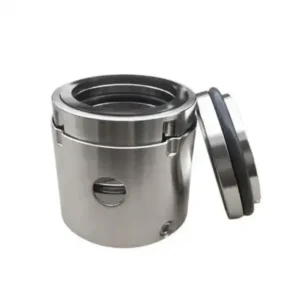
Product Overview
What is an Unbalanced Mechanical Seal?
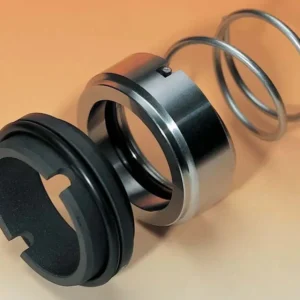
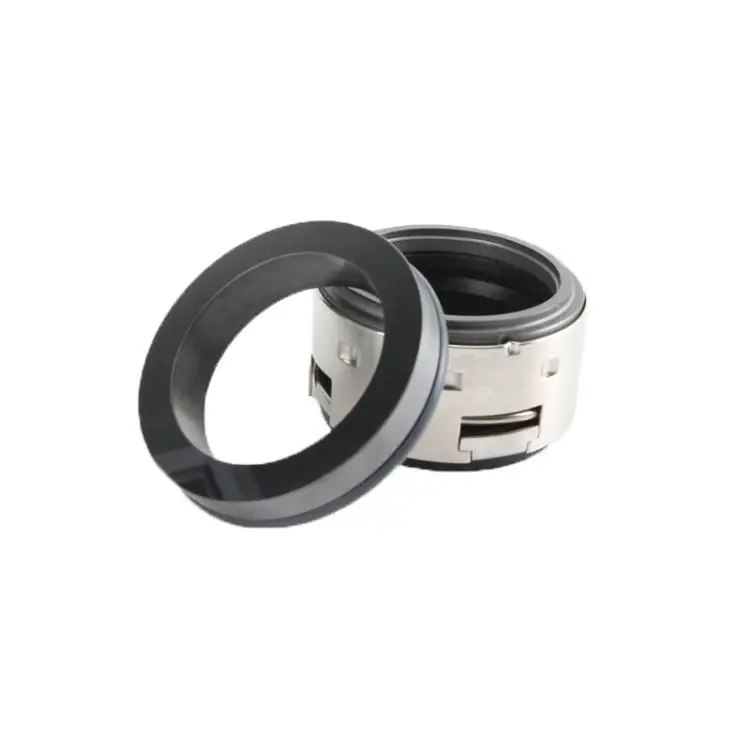
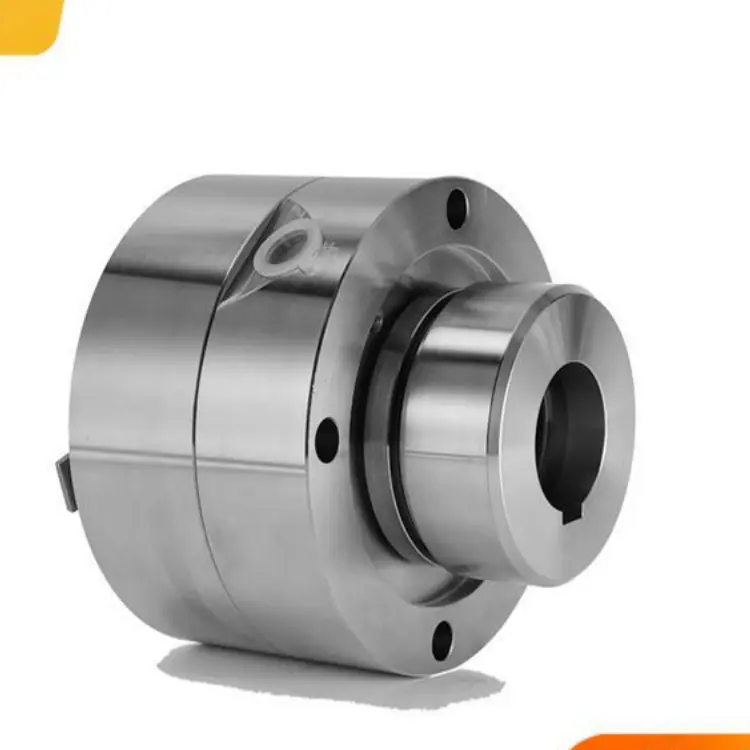
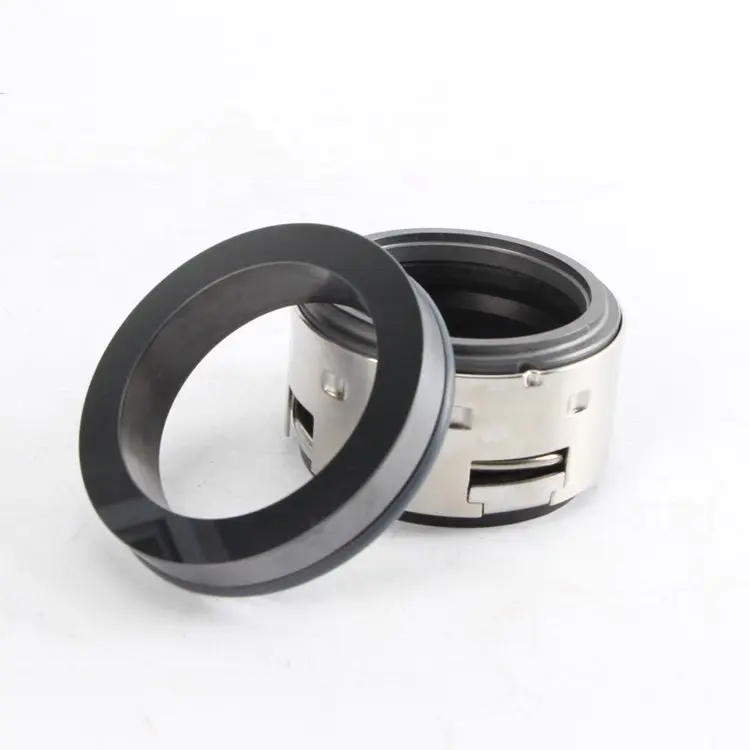
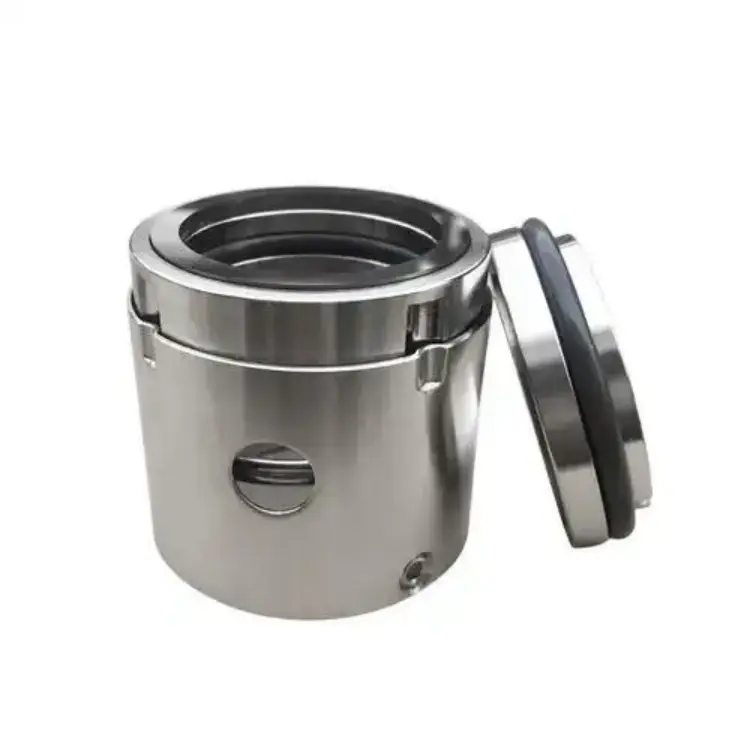
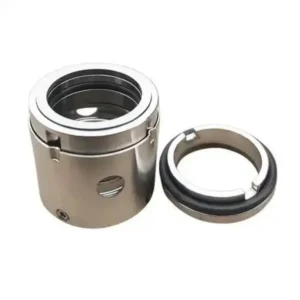
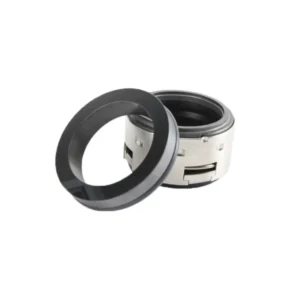
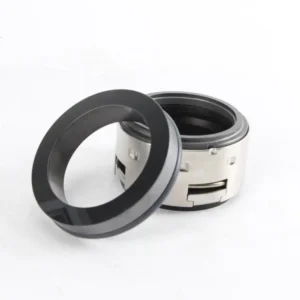
An unbalanced mechanical seal is a single sealing element where hydraulic forces on the rotating seal face are not fully counteracted by the seal design: the seal face is partially exposed to process pressure. This design provides a compact, cost-effective solution for many pump services (clean water, service water, oils, low-to-moderate pressure chemical service). Unbalanced seals are typically used where service conditions do not require the reduced face loading of a balanced seal.
Common aliases / keywords (insert naturally on page):
Unbalanced seal, single-spring mechanical seal, unbalanced cartridge seal, unbalanced single seal, process pump mechanical seal.
Key Features
Core features
-
Simple, compact construction — fast replacement and low inventory complexity.
-
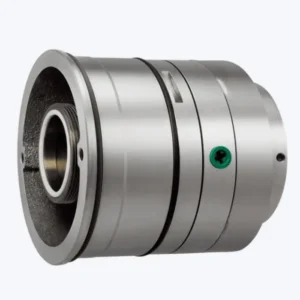
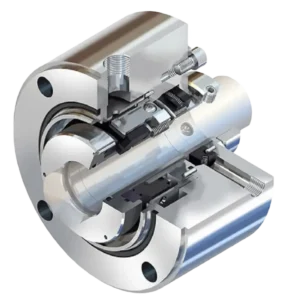
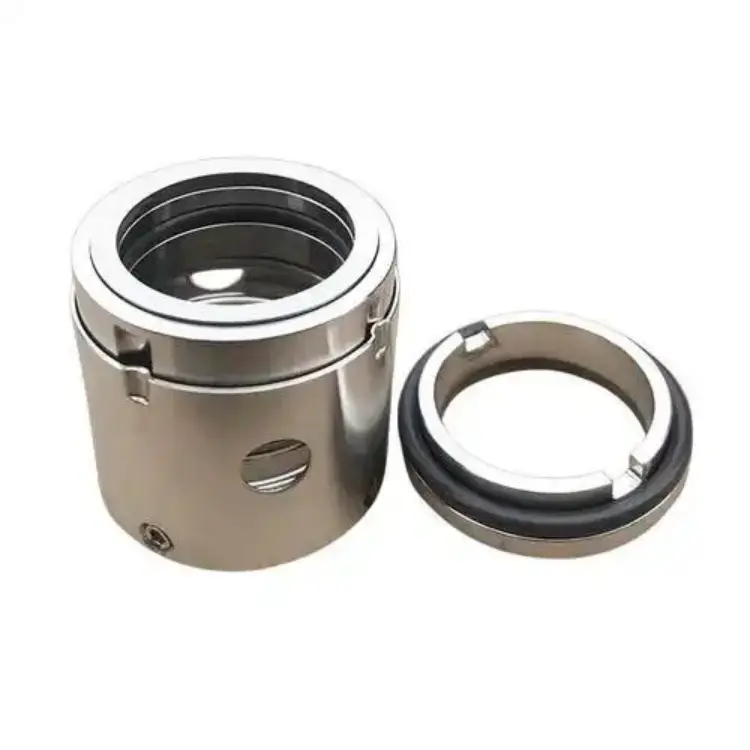
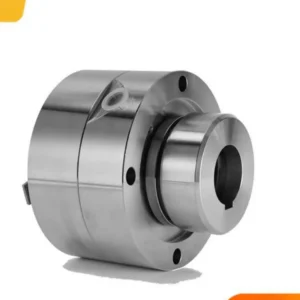
Available as component or cartridge — component (single-piece) or pre-assembled cartridge options to simplify installation.
-
Materials flexibility — carbon, silicon carbide, tungsten carbide, stainless steel, and elastomers (NBR, FKM, EPDM) for varied media.
-
Wide shaft-size coverage — common shaft diameter availability spans roughly 16–130 mm (0.625″–5.12″), matching ISO/API pump shaft ranges used in general industry.
Technical Specifications
NOTE: specify exact part-level dimensions on the downloadable datasheet/catalog (link provided below).
-
Seal type: Unbalanced single / multi-spring / cartridge
-
Shaft diameter (typical availability): 16 mm — 130 mm (0.63″ — 5.12″).
-
Maximum recommended pressure (typical service for unbalanced seals): up to ~1.0–1.2 MPaG (150–174 psi) depending on design and face materials; for higher pressures a balanced seal is recommended.
-
Temperature range (dependent on elastomer/face choice): from −40 °C (with appropriate elastomers) up to commonly ~220 °C for selected face/elastomer combinations.
-
Typical shaft finish / tolerance: ground finish per pump OEM recommendations; use OEM cross-reference/dimension chart to confirm.
-
Face materials: Carbon vs Silicon Carbide (SiC), Tungsten Carbide (TC), Ceramic — selected per media abrasiveness and temperature.
Common sizes & selection guide
Typical stock shaft diameters (mm / inches)
| Shaft dia (mm) | Inch (approx.) |
|---|---|
| 16 | 0.63 |
| 20 | 0.79 |
| 25 | 0.98 (1″) |
| 32 | 1.26 |
| 40 | 1.57 |
| 50 | 1.97 |
| 63 | 2.48 |
| 80 | 3.15 |
| 100 | 3.94 |
| 120 | 4.72 |
| 130 | 5.12 |
These are the most commonly stocked shaft sizes for ISO/ANSI-style seals; custom sizes above 127 mm (5″) are often supplied as engineered solutions per API/ISO guidelines.
Materials & Face Combinations
-
Carbon vs Ceramic / SiC: Good for rotating faces with good run-in and lower abrasion services.
-
SiC vs SiC: High wear and corrosion resistance, suitable for abrasive or high temperature service.
-
TC vs Carbon: For heavy-duty, abrasive services where carbide hardness is needed.
(Choose elastomer: NBR for petroleum, FKM (Viton) for higher temp/chemical resistance, EPDM for hot water/wastewater.)
Reference: typical face/material offerings in standard mechanical seal catalogs.
Applications
Typical Industries
-
Water & wastewater treatment
-
Municipal & sewage pumps
-
Chemical process (low-to-moderate pressure streams)
-
HVAC & cooling-water circulation
-
Oil & lubricant handling (with suitable elastomer)
-
Food & beverage (with food-grade material choices and certifications)
Typical Pump Types
-
Centrifugal end-suction pumps
-
ANSI/ISO process pumps
-
Circulation and booster pumps
(For hazardous/high-pressure or high-emission services reference API 682 and consider balanced seals or dual-seal arrangements.)
Performance & Installation Notes
-
Installation: Cartridge designs reduce installation variability—recommended for field service teams to minimize fitting errors.
-
Lubrication / Flush plans: For solids-laden or hot services consider an appropriate flush/plan per API/ISO recommendations.
-
Maintenance: Keep spare face sets, elastomer kits, and O-rings on site; perform run-in per manufacturer instructions.
Advantages of Unbalanced Mechanical Seals
-
Cost-effective for low-to-moderate pressure duties.
-
Simpler design → fewer spare-part variants and easier inventory management.
-
Suitable for many general-purpose pump services (water, wastewater, oils).
-
Cartridge option reduces installation time and risk of misalignment.
Unbalanced vs Balanced vs Alternative Sealing Methods
| Characteristic | Unbalanced Mechanical Seal | Balanced Mechanical Seal | Packed Gland / Lip Seal |
|---|---|---|---|
| Best for pressure | Low–moderate (≤ ~1.0–1.2 MPa typical) | High pressure, pressure-reversal environments (preferred when face loading must be reduced) | Low pressure, cost-sensitive; higher leakage vs mechanical seals |
| Complexity | Simple | More complex (may require pusher/non-pusher designs) | Simple but frequent maintenance |
| Cost | Lower CAPEX | Higher CAPEX (justified for reliability under pressure) | Low initial cost, higher lifecycle OPEX |
| Installation | Straightforward (cartridge option fastest) | More careful alignment usually required | Simple but packing adjustment needed |
| Recommended when | General industrial, water, wastewater | High pressure, hazardous fluids, API 682 services | Low-speed, non-critical, or budget constraints |
Downloadable Resources
-
Download: Unbalanced Mechanical Seal Technical Data Sheet (PDF)
- Download: Unbalanced Mechanical Seal Specifications (PDF)
FAQ
Q1: How do I choose between an unbalanced and a balanced mechanical seal?
A: Choose an unbalanced seal for general-purpose, low-to-moderate pressure pumps (cost-effective). For service with higher pressure, frequent pressure reversals, or hazardous fluids, choose a balanced seal or contact our engineering team for an API 682 assessment.
Q2: What information do you need to quote a replacement unbalanced seal?
A: Provide shaft diameter, pump make/model, existing seal drawing or part number (if available), operating pressure, temperature, fluid media, RPM, and required face/material preferences.
Q3: Can you supply cartridge unbalanced seals for quick retrofit?
A: Yes — cartridge unbalanced seals are available for many ISO/ANSI pumps and greatly shorten installation time; specify pump housing and shaft O.D. to confirm fit.
Q4: What are typical lead times and MOQ?
A: Lead times and MOQs depend on size/material; standard stock sizes (16–100 mm) frequently ship faster; custom sizes or exotic materials require longer lead times. Contact sales for exact ETA.
Q5: Do you provide mechanical seal exchange kits and onsite support?
A: We supply face sets, elastomer kits and full exchange cartridges. Onsite installation support is available through our service network (arrange via sales).
E-E-T-A
To support buyer confidence and satisfy Google’s E-E-T-A expectations, include the following on the published page (example copy — replace specific claims with your verified facts):
-
Experience: “Our rotating-seal division has handled pump sealing projects across water, chemical and oil sectors; engineering teams support seal selection and retrofit programs.”
-
Expertise: “All technical recommendations are validated by our seal engineers using pump OEM cross-reference checks and ISO/API sizing charts.”
-
Authoritativeness: “Products manufactured and tested to industry standards; we supply replacement kits compatible with major OEMs and ISO/ANSI pump lines.”
-
Transparency/Trust: “Complete material declarations, dimensional drawings and QA test reports are provided with each shipment. Field service and spare-part traceability included.”
(When you publish, append verifiable company credentials — years in business, ISO/TS or ISO 9001 certifications, customer case studies, and contactable references to maximize E-E-T-A signals.)
Why choose our Unbalanced Mechanical Seals
-
Stocked common sizes for fast dispatch.
-
Flexible material options (SiC, carbon, TC) to match your process.
-
Cartridge and component versions to suit installation preference and downtime constraints.
-
Technical support for selection, installation and field troubleshooting.
Contact & Ordering
Hengshui Aohong— Mechanical Seals Division
-
Email: sales@aohongglobal.com (for datasheet requests and fast quotes)
-
Phone: +(86) 153 7318 1024 (please replace with your official number)
-
Address: [Insert headquarter / factory address here]