
Double (Tandem / Dual) Mechanical Seals — Safe, Low-Emission Sealing Systems
What / Why — Double mechanical seals (tandem, dual/back-to-back) combine two seal faces and a controlled intermediate space to protect personnel and environment from hazardous or toxic fluids, improve reliability and meet emissions regulations. Use these where containment, monitoring and support systems are feasible. Long-tail keywords included: Double mechanical seal, tandem mechanical seal, dual mechanical seal, mechanical seals pdf, mechanical seals types.
Executive Summary
Double mechanical seals (also called tandem or dual seals) provide multi-stage containment by using two face pairs and an intermediate chamber. Commonly paired with barrier or buffer fluids and a support system, they are the standard choice for hazardous, toxic or highly volatile fluids where emissions control, safety and uptime are critical.
What is a Double (Tandem / Dual) Mechanical Seal?
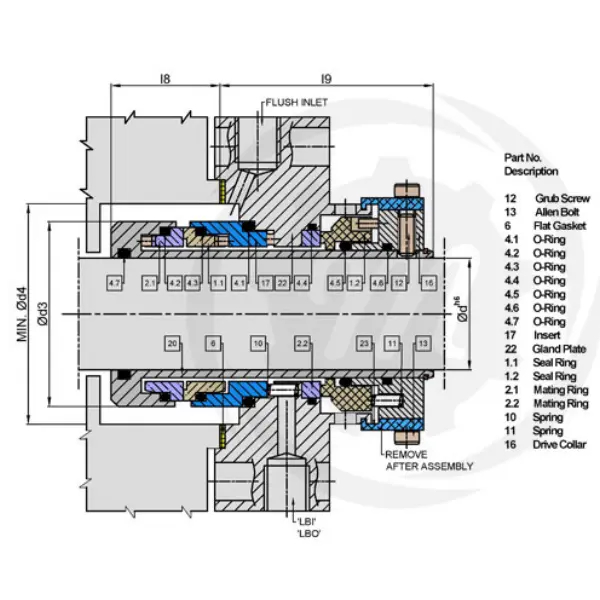
Double seals combine two independent sealing interfaces in one assembly. The space between the inner (process-side) and outer (environment-side) faces is managed — vented, drained or pressurized — to control leakage and provide a monitored buffer. The design reduces emissions and provides redundancy when the inner seal fails.
Types & Arrangements — concise overview (30–80 words each)
Tandem (Series) Seals
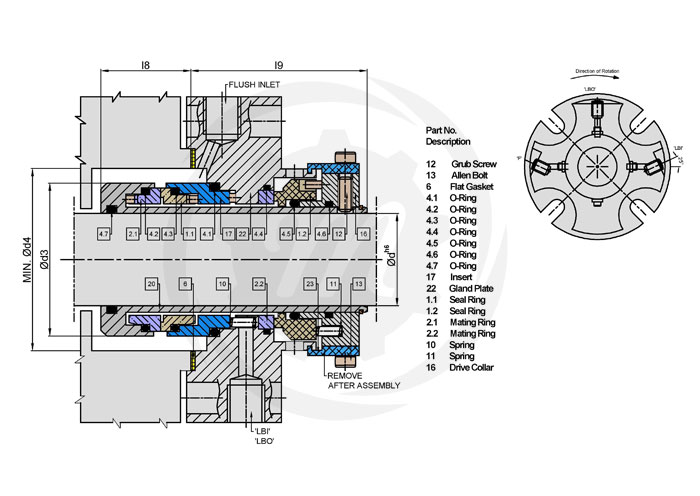
Inner (process) seal followed by an outer (secondary) seal; the chamber between is held at lower pressure than the process and vented or pumped to atmosphere. Common for VOC control where outer seals protect the environment.
Back-to-Back (Dual) Seals
Faces oriented away from each other so the chamber can be pressurized above process pressure (pressurized barrier). This arrangement is used when barrier fluid must be at higher pressure than process for contamination prevention.
Face-to-Face (Opposed) Dual Seals
Faces arranged so rotating and stationary faces oppose across the barrier. Useful in applications requiring symmetric hydraulic behavior and specific flush/pressurization strategies.
Cartridge Dual Seals
Pre-assembled dual/tandem cartridge units reduce installation risk and ensure correct face pre-load and alignment. Preferred in plants requiring quick swap-outs and documented API support arrangements.
Pressurized Barrier Seals
Barrier fluid is pressurized (Plan 53B/54 style) to lubricate and cool faces and to prevent ingress of process fluids; used for hazardous services and to meet emissions regulations.
Gas-Lubricated & Dry-Running Duals
Where liquid barrier is undesirable, inert gas or dry-running gas systems can be used to provide lubrication and purge action between faces—applied in special process or semiconductor services.
Search & Long-tail Keywords
Include: Double mechanical seal, tandem mechanical seal, dual mechanical seal, mechanical seals types, mechanical seals pdf.
Selection Guide — How to select the correct double seal arrangement
- Hazard & emissions assessment: For toxic, flammable or VOC fluids choose sealed dual arrangements with monitored barrier fluid to meet regulatory and corporate emission targets.
- Support system capability: Confirm availability of barrier fluid pumps, reservoirs, filtration, heat exchangers and instrumentation; some plants prefer cartridge seals to reduce installation complexity.
- Pressure & temperature: Decide between tandem (vented/atmospheric buffer) and pressurized duals based on process pressure and contamination risk; pressurized barriers require more support but give superior protection.
- Fluid compatibility: Select barrier/buffer fluid compatible with both faces and instrumentation; for aggressive processes use inert or compatible barrier fluids per material recommendations.
- Monitoring & safety: Include leak detection, pressure/temperature sensors and automatic shutdown logic for critical services; standardized piping plans (API 682) define recommended instrumentation.
Quick tip: For quotes include pump model/serial, shaft diameter & sleeve condition, rpm, process fluid composition, max/min temperatures and pressures, and your preferred piping plan (if known).
Double Seal — Typical Arrangements & Comparison Table
Reference comparison for procurement and engineering. Values are indicative — always confirm with supplier datasheets and API/ISO requirements.
| Arrangement | Best For | Barrier Fluid | Typical Pressure Range | Key Advantages |
|---|---|---|---|---|
| Tandem (Series) | VOC emission control, non-hazardous outer environment | Buffer (vented) or low-pressure flush | Low to medium (design dependent) | Simple support; outer seal protects environment |
| Back-to-Back (Pressurized Dual) | High containment, toxic or highly hazardous fluids | Pressurized barrier (above process) | Medium to high (with proper support) | Superior contamination control; prevents process ingress |
| Face-to-Face (Opposed) | Symmetric hydraulic behavior; specific hydraulic control | Pressurized or conditioned buffer | Medium (application specific) | Balanced hydraulic response, predictable behavior |
| Cartridge Dual | Plant maintenance efficiency, API compliance | Per design (buffer/barrier) | Per cartridge rating | Fast replacement, factory pre-set preload |
Packaging & Spares
| Item | Typical Contents | Packaging |
|---|---|---|
| Dual/tandem cartridge | Pre-assembled inner & outer faces, O-rings, gland | Boxed with installation & commissioning checklist |
| Barrier system kit | Pump, reservoir, filter, cooler, instrumentation | Skid or modular kit |
| Spare face/kit | Face sets, secondary seals | Kitted per model |
-
 Double (tandem/dual) mechanical seal
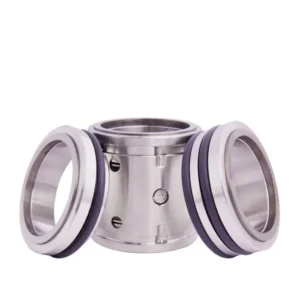
Back to Back Double Seal
-
Double (tandem/dual) mechanical seal
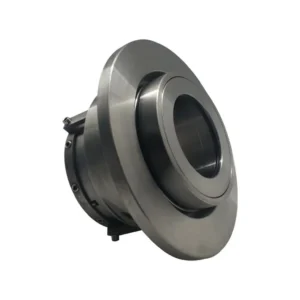
Tandem Seals
Datasheets & Commissioning Guides
Installation, Commissioning & Best Practices
- Pre-install checks: verify shaft sleeve condition, gland depth, and axial space for dual cartridges; ensure purity and compatibility of barrier fluid.
- Support system setup: install barrier/buffer reservoir, pump, filters, coolers and instrumentation per supplier and API 682 guidance; perform leak and pressure checks prior to startup.
- Commissioning: purge air, set correct barrier pressure (if pressurized), confirm instrumentation operation and perform staged start-up while monitoring face temperatures and leakage.
- Maintenance & monitoring: implement scheduled barrier fluid checks, filter changes and instrumentation calibration; document leakage events and act on inner seal failure immediately to avoid emissions.
- Safety: ensure secondary containment, gas detection and emergency shutdown logic where required for hazardous services.
Application Industries & Case Examples
- Petrochemical & refining — transfer of toxic or volatile hydrocarbons
- Chemical manufacturing — toxic intermediates and reactive chemicals
- Pharmaceutical — containment and clean utilities
- LNG & cryogenic services — specialized barrier fluids and gas purge systems
- Power & utilities — specialty fluids requiring tight containment
Standards, Compliance & HS Code Guidance
- API 682 — Primary industry standard for pump seal support systems; specifies arrangements, piping plans and instrumentation for dual/tandem seals.
- ISO 21049 — Complementary guidance for pump shaft sealing systems and selection.
- Material & test certificates — For barrier systems and face materials request EN/ASTM numbers and mill/test certificates for traceability.
FAQ — Common Questions About Double Seals
- Q: What happens when the inner seal fails in a tandem arrangement?
- A: The buffer space will capture leakage; continuous monitoring or periodic checks of buffer fluid contamination indicate inner seal failure. Outer seal and monitoring prevent immediate environmental release, allowing planned maintenance.
- Q: How is barrier fluid selected?
- A: Barrier fluid must be chemically compatible with seal materials and both seal faces; it should provide lubrication, heat transfer and corrosion protection. Suppliers can recommend suitable fluids and filtration strategies.
- Q: Are cartridge dual seals easier to replace?
- A: Yes — cartridge duals are pre-assembled and allow faster, lower-risk replacement compared with component dual seals, reducing outage time and installation variability.
- Q: Do double seals increase pump operating temperature?
- A: Dual seals can alter heat dissipation paths; correct barrier fluid flow, cooling and monitoring are essential to manage face temperatures and avoid overheating.
- Q: Can dual seals be used with slurries or solids-laden fluids?
- A: Yes, but solids increase face wear and can contaminate barrier fluid. Use appropriate filtration, purge strategies, flush plans or sacrificial liners to protect faces and barrier system components.
More FAQs
Which API 682 piping plans are commonly used with double seals?
Common plans for dual seals include Plan 52, Plan 53A/B, Plan 54 for pressurized barriers, and Plan 21 or 11 for flush/recirculation depending on process needs and acceptable leakage paths.
How often should barrier fluid be checked?
Check barrier fluid condition (contamination, temperature, level) on commissioning and at planned intervals based on process severity—daily to weekly during initial operation, then per maintenance plan.
What monitoring is recommended?
Pressure and temperature sensors, fluid contamination detectors and level switches for barrier reservoirs; integrate alarms and automatic shutdown logic for critical services.