
Balanced & Unbalanced Mechanical Seals — Choosing the Right Face Loading
What / Why — Balanced and unbalanced mechanical seals control the hydraulic load on sealing faces. Correct balance selection improves life, reduces heat and makes seals suitable for different pressures and temperatures. Common procurement/search terms: Balanced mechanical seals, Unbalanced mechanical seals, Balanced vs unbalanced mechanical seal, mechanical seal balance ratio.
Executive Summary
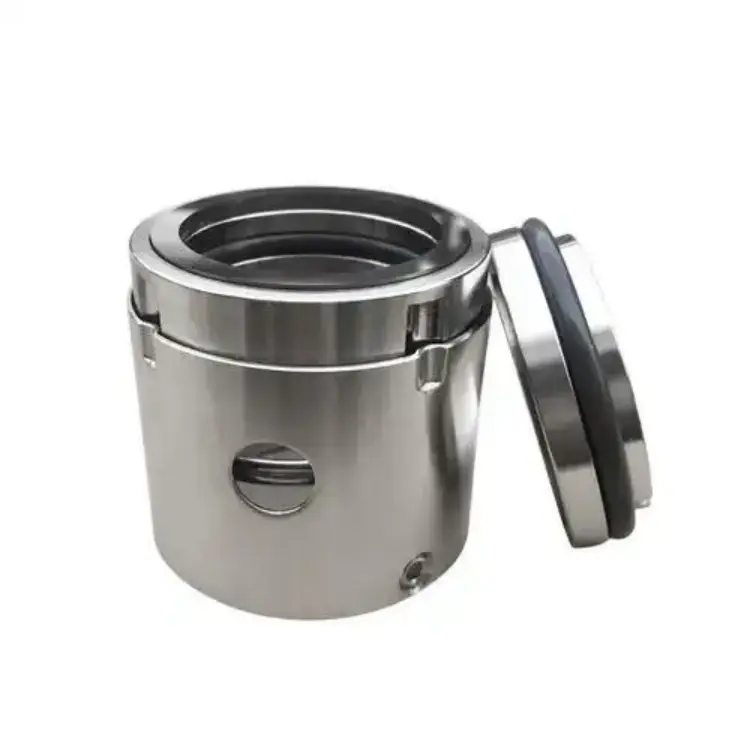
Balanced and unbalanced seals are design strategies to manage hydraulic face load. Balanced seals reduce the effective closing force, improving performance in higher-pressure or high-temperature conditions. Unbalanced seals are simpler, cost-effective and appropriate for many low- to medium-pressure services. This page explains categories, balance mechanisms, selection guidance and procurement-ready comparison tables.
What does “balanced” mean for a mechanical seal?
“Balanced” refers to geometry or hydraulic arrangements that reduce the net closing force applied to the sealing faces. This is achieved by reducing hydraulic area exposed to process pressure (balance ratio) or by incorporating hydraulic counteracting surfaces. Balanced seals produce less face loading at design pressure, reducing wear and heat.
Types & Subcategories — concise overviews (30–80 words)
Unbalanced Single Seals
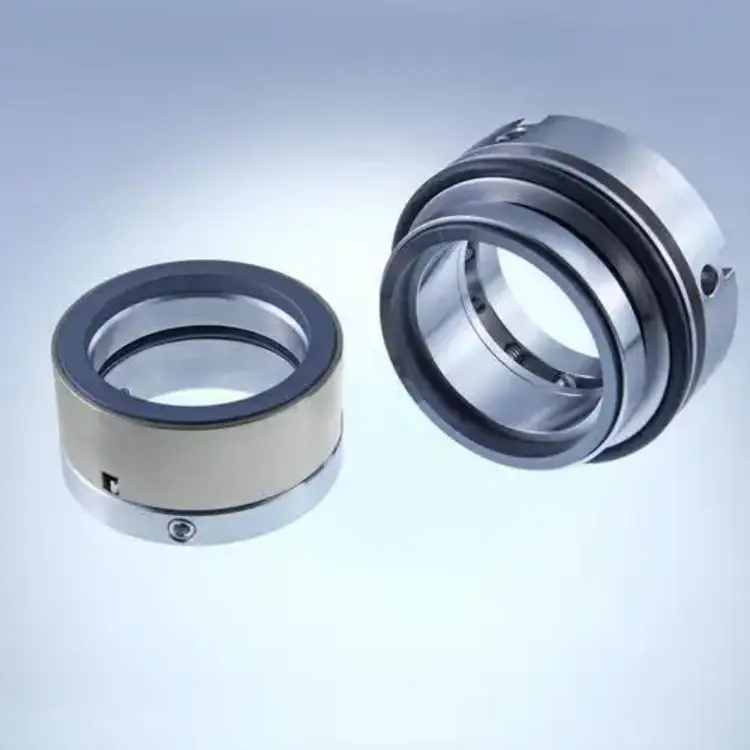
Simple single-face seals with full hydraulic area exposed to process pressure. Best for low-pressure, low-temperature services where simplicity and low cost are priorities. Easy to source and maintain.
Balanced Single Seals (Geometric Balance)
Single seals that use reduced sealing face area or internal counter-face geometry to lower face load. Suitable for medium pressures and often used when higher reliability is required without moving to double seals.
Hydraulically Balanced Seals
These designs use specific hydraulic surfaces (e.g., pressure-relief grooves, balance grooves or secondary chambers) to reduce net closing force under pressure. Common in pumps handling moderate-to-high pressures.
Balanced Cartridge Seals
Pre-assembled balanced seal cartridges simplify installation of balanced designs and preserve balance ratio across replacements. Useful where downtime reduction and repeatability are priorities.
Balanced Double / Tandem Seals
Double or tandem seals can be balanced on one or both faces to lower internal face loading; often used with barrier or buffer fluids for hazardous services or emissions control.
Hydraulically Unbalanced Designs (Deliberate)
Some applications favor unbalanced faces purposely to increase closure under gravity or low-pressure conditions (improves sealing in static positions). These are tailored solutions for specific process dynamics.
Search & Long-tail Keywords
Useful terms for specs and SEO: balanced mechanical seals, unbalanced mechanical seals, mechanical seal balance ratio, balanced vs unbalanced mechanical seal.
Selection Guide — How to decide balance strategy
- Operating pressure: High pressure or pressure spikes favor balanced designs; unbalanced are acceptable for lower pressures.
- Temperature & cooling: Balanced seals reduce heat generation and are preferred at elevated temperatures or where cooling is limited.
- Face material & abrasives: Lower face load in balanced seals reduces wear in abrasive services; select harder faces (SiC/TC) where abrasion exists.
- Space & retrofit: Balanced cartridges simplify retrofits; geometric balancing can often be achieved without large axial space increases.
- Safety & emissions: For toxic or flammable fluids consider balanced double seals with appropriate support systems (API 682 piping plans) for containment and monitoring.
Quick tip: Provide shaft diameter, design pressure, duty cycle, fluid data, rpm and required certifications to get the correct balance recommendation quickly.
Balanced vs Unbalanced — Comparison Table
Use this table for specification and procurement guidance. Values are indicative; always confirm with vendor datasheets.
| Type | Typical Application | Approx Temp Range (°C) | Typical Pressure Suitability | Common Face Materials | Advantages |
|---|---|---|---|---|---|
| Unbalanced single | General service pumps, valves | -40 → +200 | Low to medium (e.g., ≤ 10–16 bar) | Carbon/ceramic, SiC | Simple, low cost, easy to maintain |
| Geometrically balanced single | Medium-pressure pumps | -40 → +220 | Medium (e.g., up to ~25–40 bar depending on design) | SiC, TC, ceramic | Lower face load, better thermal behavior |
| Hydraulically balanced (groove/balance) | High-pressure or high-temp services | -40 → +260 | Medium–high (requires verification) | SiC, TC, carbon | Reduced heat, lower wear at pressure |
| Balanced cartridge | Critical pumps needing fast swap | Varies by materials | Per cartridge rating (often medium–high) | Vendor-specified | Repeatable, fast maintenance |
| Balanced double / tandem | Hazardous fluids, emissions control | Varies | High effective containment with support | SiC / TC / Ceramic combinations | Enhanced safety, emissions reduction |
-
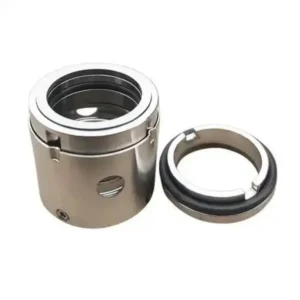
 Balanced / Unbalanced mechanical seal
Balanced Mechanical Seal
-
Balanced / Unbalanced mechanical seal
Non Pusher Mechanical Seal
-
Balanced / Unbalanced mechanical seal
Pusher Mechanical Seal
-
Balanced / Unbalanced mechanical seal
Unbalanced mechanical seal

Downloads & Technical Resources
Installation, Run-in & Best Practices
- Verify sleeve & shaft finish: Balanced seals reduce face load but still require correct shaft finish and concentricity; check for nicks and correct sleeve condition.
- Preserve balance geometry: Do not modify balance grooves or hydraulic faces; maintain original geometry when replacing faces or cartridges.
- Follow run-in procedures: Apply slow start-up with staged pressure increases to seat faces gently and stabilize leakage rates.
- Cooling & flush: For higher power densities ensure adequate flush/cooling per manufacturer guidance to prevent overheating even with balanced designs.
- Spare parts: Keep balanced face sets and O-rings matched to the original balance ratio to preserve performance after replacement.
Application Industries & Example
- Petrochemical & refining — high-pressure transfer pumps
- Chemical processing — corrosive, hot services
- Power generation — feedwater and boiler pumps
- Water & wastewater — variable pressure pumping systems
- Marine & offshore — high reliability rotating equipment
Standards & HS Code Guidance
Standards to reference:- API 682 — Recommended for pump seal systems in petroleum, chemical and gas industries; includes guidance on balanced/tandem arrangements and piping plans.
- ISO 21049 — Guidance on shaft sealing systems for pumps and related selection considerations.
- Material certificates — Request EN/ASTM numbers and mill test reports for face and wetted materials for traceability.
FAQ — Practical Questions on Balance Choices
- Q: Can an unbalanced seal be retrofitted to a balanced design?
- A: Often yes — retrofits may require different seat geometry, gland depth or a cartridge conversion. Confirm axial space and sleeve condition and consult the seal vendor for retrofit kits.
- Q: Will a balanced seal eliminate leakage completely?
- A: Balanced seals reduce face load and wear but do not guarantee zero leakage. Leakage depends on face flatness, material pairing, lubrication, flush plan and operating conditions.
- Q: How does balance ratio affect face wear?
- A: Lower (more balanced) ratios reduce face load and typically lower wear rates for a given pressure. Balance ratio selection should be matched to service pressure and face material properties.
- Q: Are balanced seals more expensive?
- A: Balanced designs can be slightly more complex and cost more initially, but they often deliver longer life and lower total cost of ownership in demanding services.
- Q: What testing or validation should be requested?
- A: Request material certificates, face flatness / lapping records where available, and any vendor test reports for pressure, temperature and cycle life relevant to your service.
More FAQs
How to tell if a seal is balanced or unbalanced?
Check manufacturer datasheets or look for balance grooves/geometry on the stationary seat and rotating face; cartridges are usually labeled and spec sheets indicate balance ratio.
Does balancing reduce friction?
Balancing lowers face load which tends to reduce frictional heating; overall friction depends on face materials and lubrication regime as well.
What spare parts should be kept on hand?
Keep spare face sets, O-rings, and if using cartridges, spare cartridge assemblies matched to the balance ratio to ensure quick, correct replacements.