
Bellows Mechanical Seals — Corrosion-Resistant, Elastomer-Free Dynamic Sealing
What / Why — Bellows mechanical seals use a sealed bellows element to apply face-loading while removing dynamic elastomeric parts from the rotating interface. They are preferred where chemical attack, shaft movement or elastomer compatibility are concerns — frequently specified in chemical, petrochemical and pharmaceutical services. Long-tail keywords: bellows mechanical seal, metal bellows seal, PTFE bellows seal, cartridge bellows seal, mechanical seal manufacturers.
Executive Summary
Bellows mechanical seals provide elastomer-free dynamic sealing by transmitting spring force via a bellows element. They are ideal for corrosive, high-cycle or sanitary processes where dynamic O-rings are unsuitable. This page covers bellows classifications, selection guidance, comparison tables useful for procurement and engineering, installation best practices and a practical FAQ.
What is a Bellows Mechanical Seal?
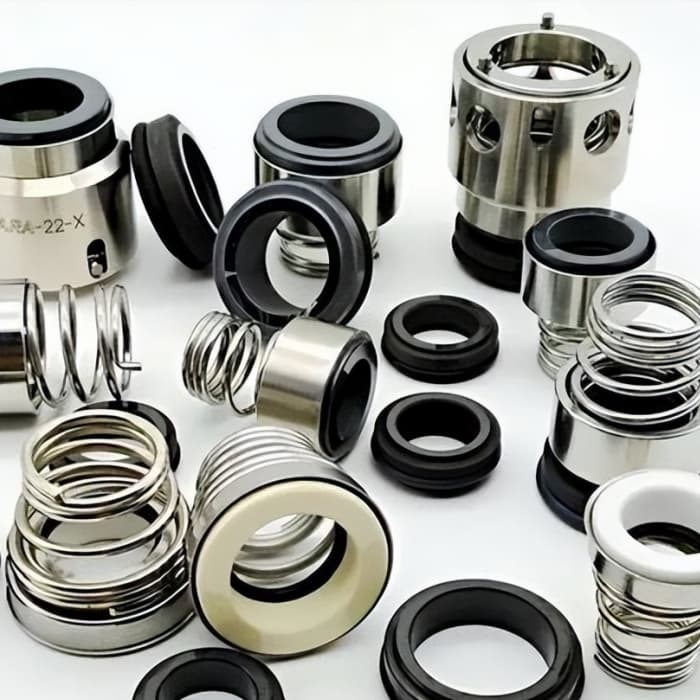
A bellows mechanical seal employs a convoluted bellows (metal or PTFE) as the means to carry the spring load to the mating faces; by removing rotating elastomeric secondary seals the design isolates elastomers from the process or eliminates them entirely. Bellows seals can be single or dual, cartridge-mounted or component-assembled, and are chosen for chemical compatibility, cleanliness and long-cycle life.
Types & Classification — concise overview (each 30–80 words)
Metal Bellows Seals
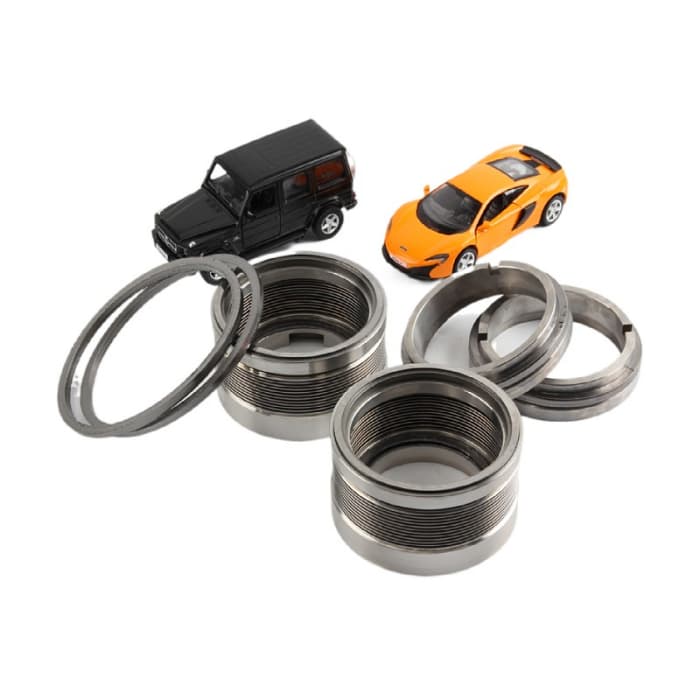
Metal bellows (stainless steel, Inconel, Hastelloy) offer high mechanical strength, good fatigue life and elevated temperature capability. They are selected when metal wetted surfaces are acceptable and when thermal/cyclic durability is required.
PTFE (Teflon®) Bellows Seals
PTFE bellows or PTFE-lined bellows provide superior chemical inertness and are used when metal wetted surfaces would corrode or contaminate the process. They trade mechanical strength for chemical compatibility and are suitable for aggressive acids or highly pure media.
Single-End Bellows Seals
Single-end bellows seals have one pair of mating faces and are common in general service pumps. They are compact and cost-effective where single-seal leakage control is acceptable.
Double / Tandem Bellows Seals
Double/tandem bellows seals use two sealing faces with a buffer/barrier fluid between them for hazardous or toxic services. They provide enhanced safety and emissions control, often paired with a support system per industry standards.
Cartridge Bellows Seals
Cartridge bellows seals come as pre-assembled units for quick, error-free installation. They speed maintenance and ensure correct face alignment and bellows pre-load—preferred in applications where uptime matters.
Balanced vs Unbalanced Bellows
Balanced bellows seals reduce net face loading for higher pressure capability and lower heat generation; unbalanced designs are simpler and suitable for lower pressures. Balance selection depends on system pressure and thermal considerations.
End-Face Materials & Configurations
Bellows seals pair various face materials—carbon, ceramic, silicon carbide (SiC), tungsten carbide (TC)—to match abrasion, hardness and chemical needs. Configurations include reverse-mounted faces for dry-running protection and metal-on-ceramic combinations for aggressive services.
Spring / Non-Spring (Bellows vs Spring-Loaded)
Bellows act as the spring; in some hybrid designs additional springs or multiple bellows stages balance load or provide axial compliance. These choices affect run-in behavior and serviceability.
Search & Long-tail Keywords
Include these in procurement/specs: bellows mechanical seal, metal bellows seal, PTFE bellows, cartridge bellows seal, mechanical seal pdf.
Selection Guide — How to choose the right bellows seal
- Process fluid compatibility: If elastomer or metal wetted parts are unacceptable, prefer PTFE-lined bellows or all-PTFE wetted designs. Consider corrosion, slurry content and cleanliness.
- Temperature & pressure: Select bellows material rated for peak temperature and pressure; metal bellows usually tolerate higher temperatures and cycles than PTFE bellows.
- Shaft condition & speed: Confirm shaft diameter, sleeve condition and surface finish; bellows seals are tolerant to some axial motion but verify allowable shaft speed and runout.
- Emissions & safety: For toxic or flammable fluids consider double/tandem bellows seals with appropriate buffer/barrier systems and instrumentation per industry standards.
- Installation & maintenance: Cartridge bellows seals minimize installation risk; for component seals ensure correct face lapping, bellows orientation and anti-rotation provisions.
Quick tip: For a rapid and accurate quote include pump make/model, shaft diameter & sleeve condition, fluid chart or MSDS, temperature & pressure ranges, rpm and required certifications.
Bellows Mechanical Seal — Typical Specs & Model Comparison
Reference values — always confirm with manufacturer datasheets for rated limits and material certificates.
| Type | Typical Applications | Temp Range (°C) | Typical Pressure Range | Common Bellows Materials | Key Advantages |
|---|---|---|---|---|---|
| Metal bellows, single | Corrosive liquids, high-cycle pumps | -40 → +350 (material dependent) | Up to ~25–40 bar (design dependent) | SS316, Inconel, Hastelloy | High fatigue life, elevated temp tolerance |
| PTFE bellows, single | Highly corrosive acids, ultra-pure media | -50 → +200 | Low to medium (consult vendor) | PTFE / PTFE-lined metal | Excellent chemical inertness, non-metal wetted surfaces |
| Cartridge bellows seal | Quick-replace pump service | Varies by bellows and faces | Varies | Metal or PTFE bellows | Fast installation, reduced assembly error |
| Double / tandem bellows | Hazardous, toxic or high-safety services | Varies | Higher effective containment when combined with systems | Metal/metal or PTFE/metal combinations | Improved safety and emissions control |
Packaging & Spares
| Item | Typical Offerings | Packaging |
|---|---|---|
| Cartridge bellows seals | Complete assemblies, face sets, O-rings | Boxed with installation instructions |
| Bellows replacement kits | Bellows element, static seals, hardware | Kitted per model |
| Face & spare parts | Rotating & stationary faces, springs, adaptors | Individually bagged / boxed |
Installation, Run-in & Best Practices
- Inspect shaft & sleeve: confirm concentricity, finish and absence of grooves; bellows seals are sensitive to misalignment and require correct shaft condition.
- Correct face orientation: ensure rotating and stationary faces are installed per manufacturer orientation; keep faces clean and lubricated for initial run-in.
- Bellows protection: avoid compressive deformation of bellows during handling; do not apply lateral loads that can kink the bellows.
- Run-in procedure: perform controlled start-up with low speed and incremental pressure increases to seat faces and stabilize leakage rates.
- Maintenance planning: keep spare face sets and bellows kits for critical pumps; schedule inspections for bellows fatigue and corrosion depending on service severity.
-
 Bellows mechanical seal
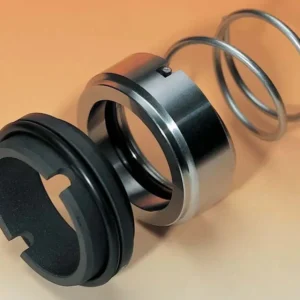
Elastomer Rubber Bellows Seal
-
Bellows mechanical seal
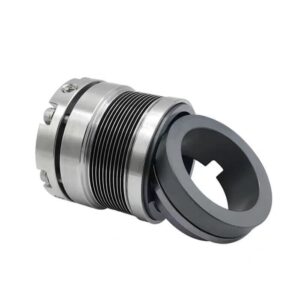
Metal bellows seal
Downloads & Datasheets
Industries & Case Examples
- Chemical processing — acids, solvents and corrosive intermediates
- Pharmaceuticals & biotech — sanitary, low-contamination service
- Petrochemical — refinery off-gas and corrosive product services
- Power & utilities — special fluids and high-cycle pumping
- Food & beverage — PTFE-lined bellows for hygiene and purity
Standards, Certification & HS Code Guidance
Recommended standards and certifications to reference in specifications:- API 682 — Recommended where pump seal support systems and containment are required (chemical/petrochemical industries).
- ISO 21049 — Shaft sealing systems guidance for pump applications.
- Material certificates — Request EN/ASTM material numbers and mill test reports for bellows and face materials for traceability.
FAQ — Practical Answers for Engineers & Buyers
- Q: When should I prefer a bellows seal over a conventional spring seal?
- A: Prefer bellows when you need to avoid dynamic elastomers at the rotating interface, require high chemical resistance (PTFE options), or need a compact, reliable sealing solution for corrosive or sanitary fluids.
- Q: Do bellows seals tolerate shaft misalignment?
- A: Bellows provide some axial/thermal compliance but are sensitive to excessive radial misalignment and shaft runout. Verify allowable runout with the manufacturer and include guide rings if side load is expected.
- Q: How long do metal bellows last?
- A: Fatigue life depends on bellows material, amplitude of cyclic motion and process conditions. Proper selection and conservative design margins yield long service life—consult the manufacturer for expected cycles in your service.
- Q: Can bellows seals be retrofitted into existing pumps?
- A: Many pumps can accept bellows seals as retrofits, especially via cartridge designs or with minimal machining; confirm gland depth, shaft sleeve condition and space constraints before ordering retrofit kits.
- Q: What are common failure modes for bellows seals?
- A: Typical issues include bellows fatigue from extreme cyclic strain, corrosion or pitting of bellows material, face wear due to abrasives, and improper installation causing distortion. Regular inspection and correct materials selection mitigate risks.
More FAQs
Can bellows seals handle solids-laden fluids?
They can if faces and bellows materials are selected for abrasion resistance; however, solids increase face wear—consider flush plans, sacrificial liners or filtration to protect the seal.
Are PTFE bellows compatible with high-temperature services?
PTFE has temperature limits lower than many metals; for high temperatures prefer metal bellows or specialized high-temperature PTFE compounds—verify with vendor temperature ratings.
What spare parts should be kept on-site?
Keep a spare face set, Bellows replacement kit, secondary seals (O-rings), and a cartridge or full spare seal for critical pumps to minimize downtime.