
Rotary Shaft Seals — Reliable Sealing for Rotating Equipment
What / Why — Rotary shaft seals provide lubricant retention and contaminant exclusion where shafts rotate through housings. Correct material, geometry and surface preparation reduce downtime and lower total cost of ownership. Useful search terms: rotary shaft seals, radial shaft seals, rotary shaft seals pdf, rotary shaft seals manufacturers.
Executive Summary
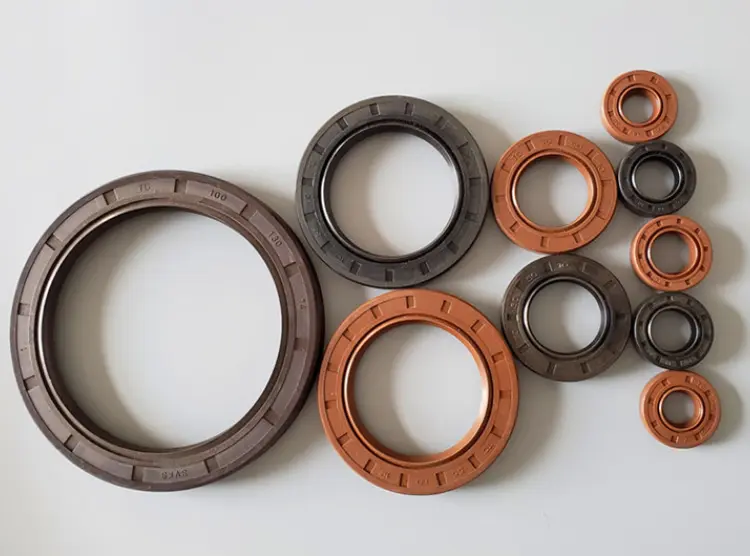
Rotary shaft seals encompass a broad family of sealing solutions — from simple elastomeric radial lip seals to advanced PTFE-faced and spring-energized seals. This pillar provides an overview of major types, selection criteria, installation best practices, specification tables and procurement-ready information for maintenance and engineering teams.
What are Rotary Shaft Seals?
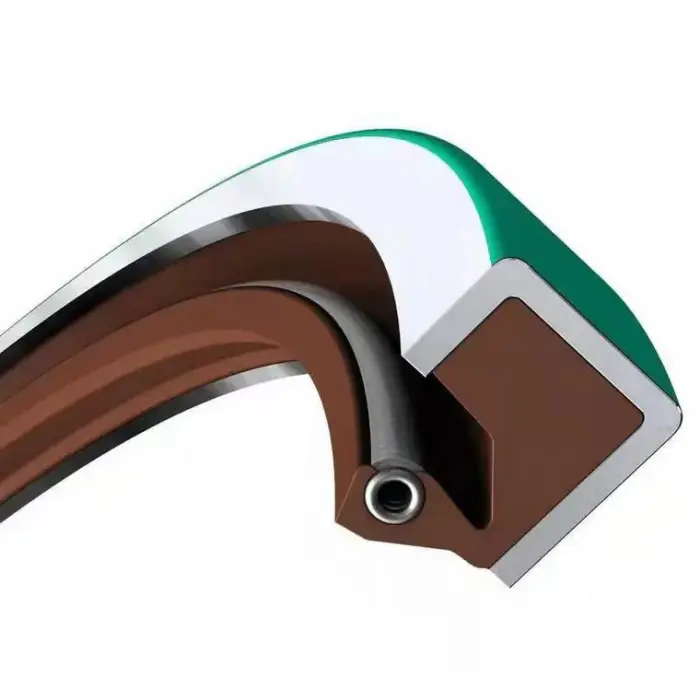
Rotary shaft seals are components designed to seal rotating shafts where they pass through housings, retaining lubricants and preventing ingress of dust, water and other contaminants. They are engineered with specific sealing lips, energizing elements (garter springs, springs), and secondary features (dust lips, PTFE faces) to match speed, pressure and media.
Types & Overview — concise summaries with links
Radial Lip Seals (Elastomeric)
Most common rotary seal — elastomer lip with garter spring in a metal case. Economical and effective for oil/grease applications. Variants include single lip, double lip (with dust exclusion) and heavy-duty designs.
PTFE-Faced Seals
PTFE-faced seals combine a PTFE sliding surface with an elastomer energizer or spring — suited for high speed, chemical exposure or low friction requirements. PTFE options include filled PTFE for improved wear resistance.
Spring-Energized & Metal-Cased Seals
Spring-energized seals (metal-cased, with coil or wave springs) deliver consistent sealing force across temperature and pressure ranges and are used where elastomer energizers are unsuitable. Often deployed for shaft misalignment tolerance and high-temperature service.
Rotary V-Rings
Axial elastomeric scrapers that exclude contaminants and act as primary exclusion seals; commonly used in combination with radial lip seals to protect the primary seal. Lightweight, low friction and easy to fit.
Bonded Seals (O-ring / Metal Backed)
Elastomer bonded to a metal washer — used where an axial metal-to-metal contact seal is required, or as a static rotary seal in slow-turning shafts and flange joints.
Labyrinth & Non-Contact Seals
Non-contact geometries (labyrinth, brush seals) provide low leakage for high-speed applications and gas seals; used where minimal friction and long life are prioritized.
Search & Long-tail Keywords
Use keywords for procurement and SEO: rotary shaft seals, radial shaft seals, rotary shaft seals pdf, rotary shaft seals manufacturers.
Selection Guide — How to pick the correct rotary shaft seal
- Shaft data: Provide shaft diameter, surface finish (Ra), hardness and runout/tolerance. Typical finish for lip seals: Ra 0.2–0.8 μm depending on seal type.
- Speed & motion: For high rpm or oscillating motion prefer PTFE-faced or special low-friction designs; for reciprocating rotary consider seals with optimized lip geometry.
- Fluid compatibility: Match elastomer or PTFE compound to hydraulic oil, gear oil, process chemicals or grease — check swelling and compatibility charts.
- Temperature & pressure: Select materials rated for operating temperature; for pressurized housings use high-pressure shaft seals or backup solutions to prevent extrusion.
- Contamination & environment: Use V-rings, dust lips or tandem lip arrangements where dirt, water or abrasive particles are present.
- Installation & maintenance: Prefer seals with protective metal cases and spring guards for easier installation; consider split seals for large-diameter shafts or in-situ service.
Quick tip: For accurate quotes submit shaft diameter, shaft finish, rpm (or m/s), fluid type, operating temperature, axial movement and expected contamination level.
Rotary Shaft Seals — Typical Specs & Comparison Table
Reference values — confirm exact ratings with manufacturer datasheets.
| Type | Typical Application | Temp Range (°C) | Speed Suitability | Common Materials | Key Strengths |
|---|---|---|---|---|---|
| Radial lip seal (single) | Gearboxes, pumps, electric motors | -40 → +120 (NBR) / up to +200 (FKM) | Moderate; up to high with correct compound | NBR, FKM, HNBR; metal case + garter spring | Economical, good oil retention |
| Radial lip seal (double lip) | Applications requiring dust exclusion | Similar to single lip | Moderate | NBR, FKM | Integrated dust lip for extended life |
| PTFE-faced seal | High speed, aggressive chemicals, low torque | -60 → +250 (depending on PTFE variant) | High | PTFE face + elastomer energizer or spring | Low friction, chemical resistance |
| Spring-energized / metal-cased | High temp, limited elastomer use, steam | -200 → +400 (metal & spring dependent) | Varies; designed for demanding service | Metal, graphite, specialty PTFE | Wide temp range, robust |
| Rotary V-ring | Contamination exclusion, axial sealing | -40 → +150 (compound dependent) | Suitable for moderate speeds | Elastomers (NBR, FKM, silicone) | Low friction, simple installation |
| Labyrinth / non-contact | High-speed shafts, gas sealing | Depends on materials | Very high | Metals, composite rings | Low leakage, long life |
Standard Dimensions & Packaging
| Item | Common Sizes / Formats | Packaging |
|---|---|---|
| Radial lip seals | Metric & inch standard sizes (e.g., 10–300 mm shaft) | Blister / bulk boxes |
| PTFE-faced & spring-energized | Standard and custom sizes; may be metal-cased | Boxed, often sealed for cleanliness |
| V-rings & bonded seals | Standard OD/ID profiles; custom molded forms | Bulk / kitted sets |
-
 Rotary Shaft Seals
High Pressure Rotary Shaft Seals
Datasheets & Compatibility Charts
Installation & Maintenance Best Practices
- Surface preparation: Ensure shaft finish, hardness and concentricity meet seal supplier recommendations; remove burrs and weld spatter before installation.
- Correct orientation: Install seal so primary lip faces fluid; dust lip faces environment. Use correct seating tool to avoid lip damage.
- Use protective sleeves: When pressing seals over splines or keyways use protective sleeves to prevent lip nicks.
- Initial run-in: Confirm lubrication and avoid prolonged dry running; monitor temperature and leakage during initial operation.
- Inspection intervals: Inspect seals for hardening, lip wear, spring corrosion and contamination ingress — replace proactively for critical equipment.
Industries & Use Cases
- Gearboxes & reducers — oil retention and contamination exclusion
- Pumps & compressors — shaft sealing under rotational motion
- Marine & offshore — corrosion-resistant rotary seals
- Automotive — wheel hubs, transmission & differential seals
- Industrial motors & drives — long-life electric motor seals
Standards & HS Code Guidance
Standards relevant to rotary shaft seals and specification:- ISO 6194 / DIN 3760 — Standard dimensions and test methods for rotary shaft lip seals and related components.
- ASTM / ISO — Material test standards for elastomers and PTFE compounds.
- HS code guidance — Rotary shaft seals are typically classified under HS headings for articles of vulcanized rubber or specific machine parts; verify exact subheading with customs or your freight forwarder.
FAQ — Common Questions for Procurement & Maintenance
- Q: Why does my seal leak after installation?
- A: Leakage after installation often results from incorrect orientation, damaged lip during installation, unsuitable shaft finish, or incorrect material selection for the fluid. Inspect and correct these factors.
- Q: How to select shaft finish for PTFE-faced seals?
- A: PTFE-faced seals typically require a finer finish than elastomeric lip seals; consult the seal supplier, but Ra 0.1–0.4 μm is commonly recommended for PTFE faces.
- Q: Can I use a V-ring alone in heavy contamination?
- A: V-rings are effective scrapers but are best used in combination with primary lip seals to ensure robust lubricant retention and contamination protection in severe environments.
- Q: When should I choose a split rotary seal?
- A: Use split seals for large-diameter shafts where disassembly of equipment is impractical. Ensure split design and installation procedure match the application's pressure and speed requirements.
- Q: What spare parts should I stock for rotary seals?
- A: Stock standard shaft diameters of radial lip seals, PTFE-faced variants for critical machines, V-rings for contamination-prone equipment, and protective sleeves/installation tools to speed maintenance.
More FAQs
Are there seals specifically for wet/washdown environments?
Yes — choose materials with excellent water resistance (EPDM, FKM variants) and combine with V-rings or protective boots to prevent ingress during washdown cycles.
How critical is shaft hardness?
Shaft hardness affects lip wear; a typical recommendation is ≥ 40 HRC or surface-hardened sleeve for prolonged lip seal life—confirm with seal supplier.
Can rotary seals be used on oscillating shafts?
Specialized lip geometries and low-friction materials exist for oscillating applications; conventional rotary lip seals are not ideal for large angular oscillation—specify motion type when ordering.