
What is a graphite laminate sheet?
Material description & construction
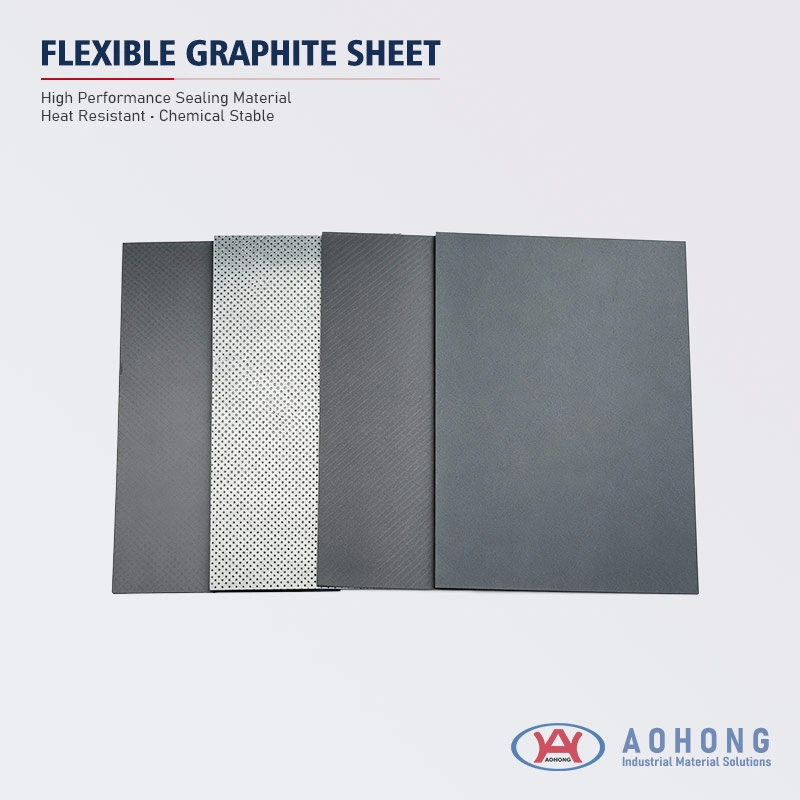
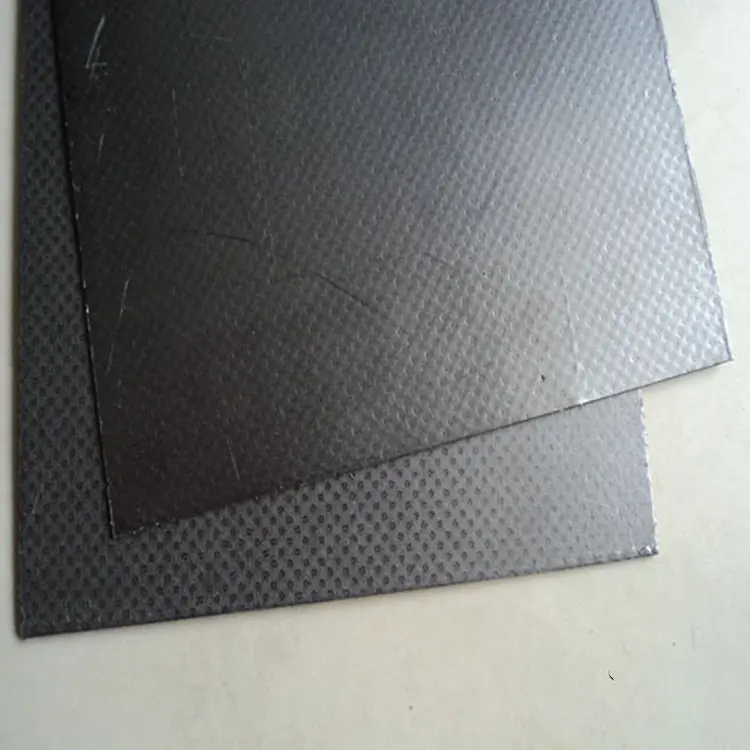
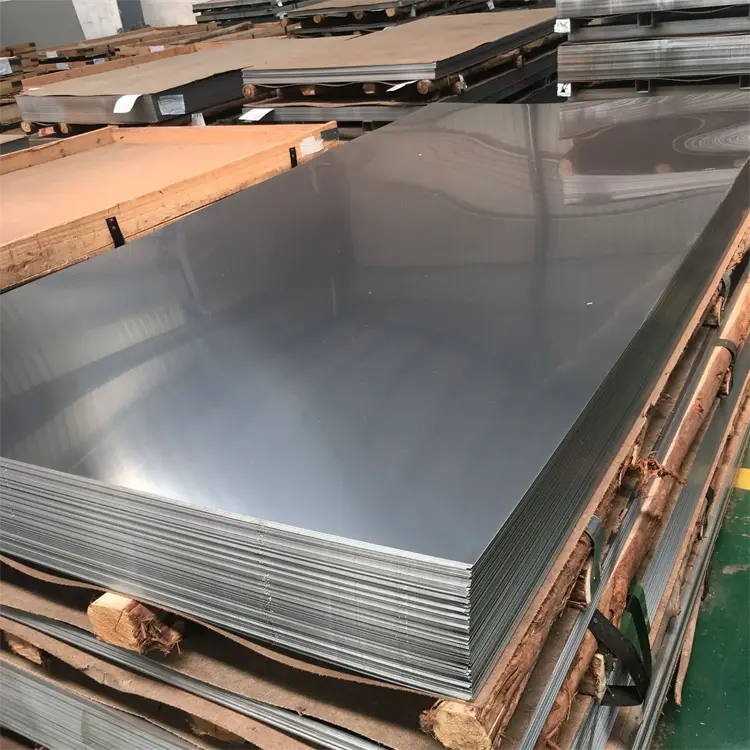
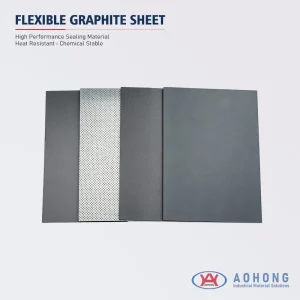
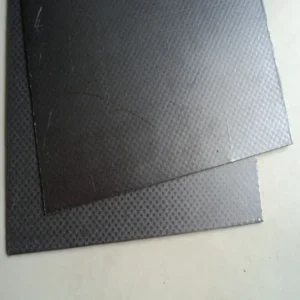
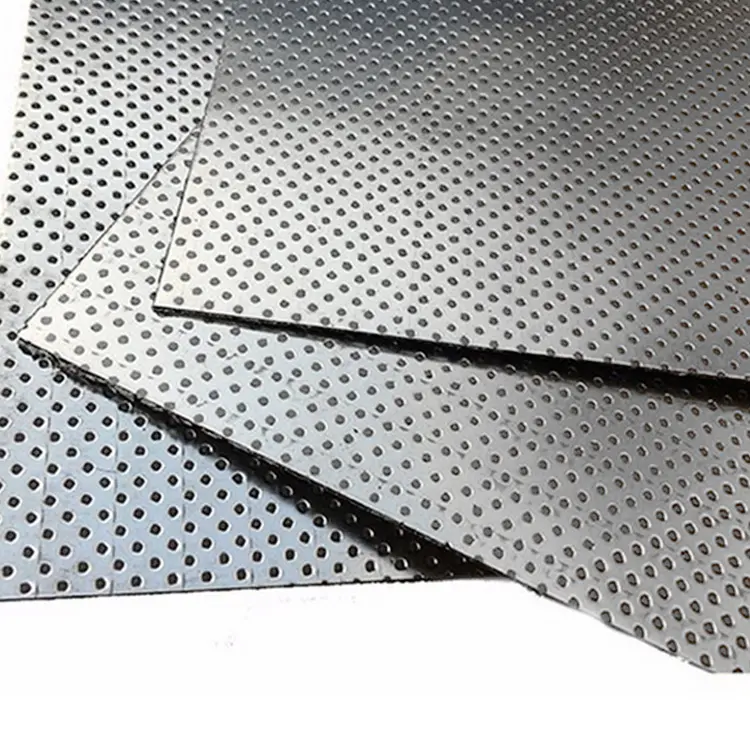
Graphite laminate sheets are manufactured by laminating expanded (exfoliated) flexible graphite foil to a thin backing such as stainless steel foil, aluminum foil, PTFE film, or metal-coated layers (or by applying an elastomeric coating). This creates a composite that preserves graphite’s sealing, thermal and chemical advantages while improving dimensional stability, compressibility control, and clamping behavior for flange applications.
Common export aliases
Graphite laminate sheet, laminated graphite foil, graphite foil laminate, metal-backed graphite sheet, flexible graphite laminate, laminated graphite gasket sheet, graphite composite laminate, graphite-clad laminate.
Key technical highlights
-
Combines graphite’s chemical & thermal resistance with backing mechanical support.
-
Low gas permeability and excellent sealing on irregular flange faces when compressed.
-
Available with backings/coatings: stainless steel, aluminum, PTFE, NBR / silicone coatings, or adhesive layers for installation.
-
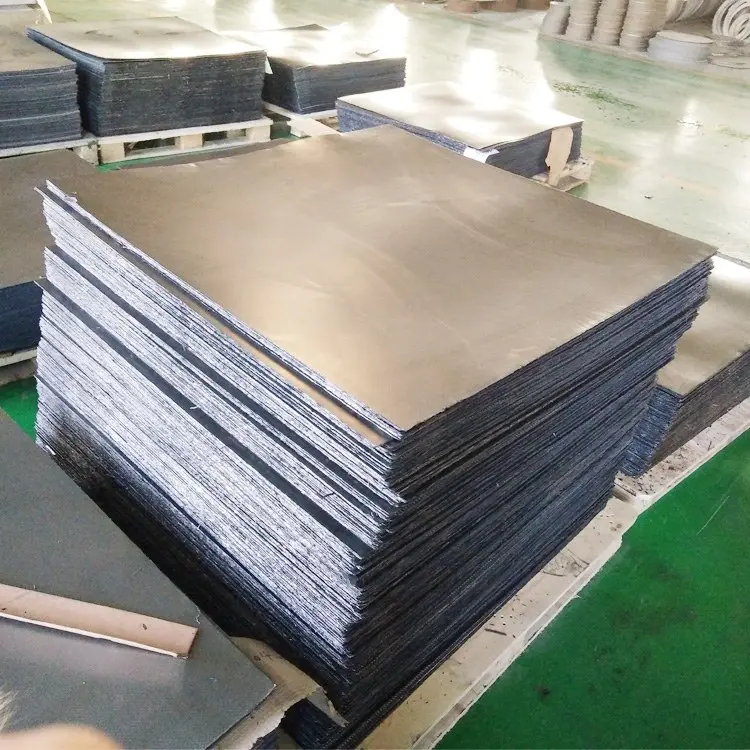
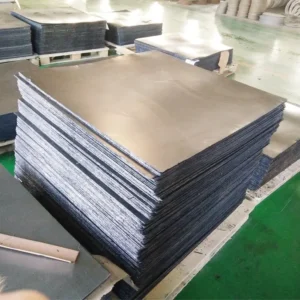
Typical formats: full sheets, rolls, PTFE- or elastomer-laminated sheets, and finished die-cut gaskets.
-
Always consult grade-specific TDS for exact temperature, pressure and chemical limits.
Why choose graphite laminate sheet?
-
High-temperature capability (graphite core) with improved flange stability from the laminate backing.
-
Improved installation & handling vs bare graphite foil — less dusting, easier positioning and safer handling.
-
Reduced cold flow & creep compared to unbacked flexible graphite in some installations.
-
Enhanced leak control for steam, gases and aggressive chemicals when properly selected and installed.
-
Customizable: choose backing material, thickness, coatings and finish per application.
 Typical applications
 Typical applications
-
Heat exchanger gaskets, tube sheet joints and channel covers.
-
High-temperature steam flanges, boilers and exchanger connections.
-
Valve and pump body gaskets in petrochemical and refining plants.
-
Exhaust systems, pressure vessels and high-temp instrumentation.
-
Vacuum seals, gas handling and specialty chemical processing.
Technical specifications
| Attribute | Typical / example range |
|---|---|
| Material | Expanded / flexible graphite foil (uncoated or coated) |
| Backing options | Stainless steel foil (e.g., 0.03–0.1 mm), aluminum foil, PTFE film, polymer adhesive films |
| Coatings | NBR, silicone, PTFE lamination or metal plating (optional) |
| Thickness (total) | 0.3 mm – 3.0 mm (common: 0.5, 1.0, 1.5, 2.0 mm) |
| Size | 1000×1000 mm, 1500×1500 mm, 60″×60″ (custom sizes on request) |
| Surface/volume resistivity | Conductive (graphite core); specify if isolation needed |
| Temperature guidance | Grade dependent — consult TDS (graphite core gives high-temp capability) |
| Certifications | TDS/MSDS available; ISO & test reports on request |
Advantages vs other sealing materials
| Property / Use | Graphite Laminate Sheet | Flexible Graphite (unbacked) | PTFE Sheet | Metal Gasket |
|---|---|---|---|---|
| High-temperature stability | High (graphite) + backing stability | High but more fragile | High (chemical inert) | Very high |
| Gas permeability | Low when compressed | Low but depends on thickness | Higher for gases | Very low (metal-to-metal) |
| Chemical resistance | Excellent (depends on coating) | Excellent | Excellent (pH 0–14) | Varies |
| Conformability to irregular flanges | Excellent | Very high (but compresses more) | Medium | Poor |
| Mechanical support / handling | Better (backed) | Poor — handling difficulty | Good | Excellent |
| Electrical/thermal conductivity | Conductive | Conductive | Insulating | Conductive |
| Installation friendliness | High (coatings/backings help) | Medium (dusting, handling) | High | Low (requires precision) |
| Cost (typical) | Mid–high | Mid | Mid–high | High |
How to select the correct laminate
-
Define operating media & temp: steam, hot oil, corrosives, gases or vacuum.
-
Choose backing material: stainless foil for mechanical support; PTFE for chemical isolation; adhesive film for fast installation.
-
Pick total thickness & graphite density based on required compressibility and flange load.
-
Request TDS & sample — verify sealing performance, oxidation limits, and any coating compatibility.
-
Consider metal reinforcements for very large, low-bolt-load flanges.
FAQ
Q: What is your MOQ (minimum order quantity)?
A: Stock grades typically ship from 1 sheet or 1 roll. Custom laminate assemblies, coated or metal-reinforced panels may have MOQ (e.g., a minimum lot or pallet). Confirm at RFQ.
Q: What are typical lead times?
A: Stock samples: 1–5 business days. Stock sheet orders: 3–10 business days. Custom laminates, coating or metal-reinforced variants: 2–6 weeks depending on complexity and volume. Expedited options sometimes available.
Q: Do you provide cut-to-size and die-cut gasket services?
A: Yes — die-cutting, CNC, waterjet and laser cutting are standard. Provide DXF/CAD files for accurate quoting; adhesive-back options are available for ease of installation.
Q: Is graphite laminate electrically conductive?
A: Yes — the graphite core is electrically (and thermally) conductive. If electrical isolation is required, request PTFE lamination or an insulating backing.
Q: Can graphite laminates be used in oxidizing atmospheres at high temperature?
A: Graphite oxidizes in air at elevated temperatures; specify the application temperature and atmosphere so we can recommend oxidation-protected grades or protective coatings. Always validate with the grade TDS.
Q: How should I store and handle these sheets?
A: Store flat in original packaging in a cool, dry environment. Avoid prolonged exposure to humid or oxidative conditions. Handle with gloves to prevent contamination of graphite surface.