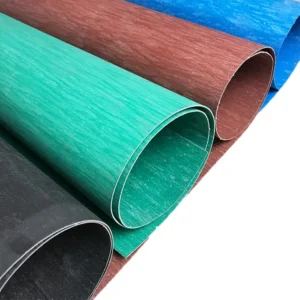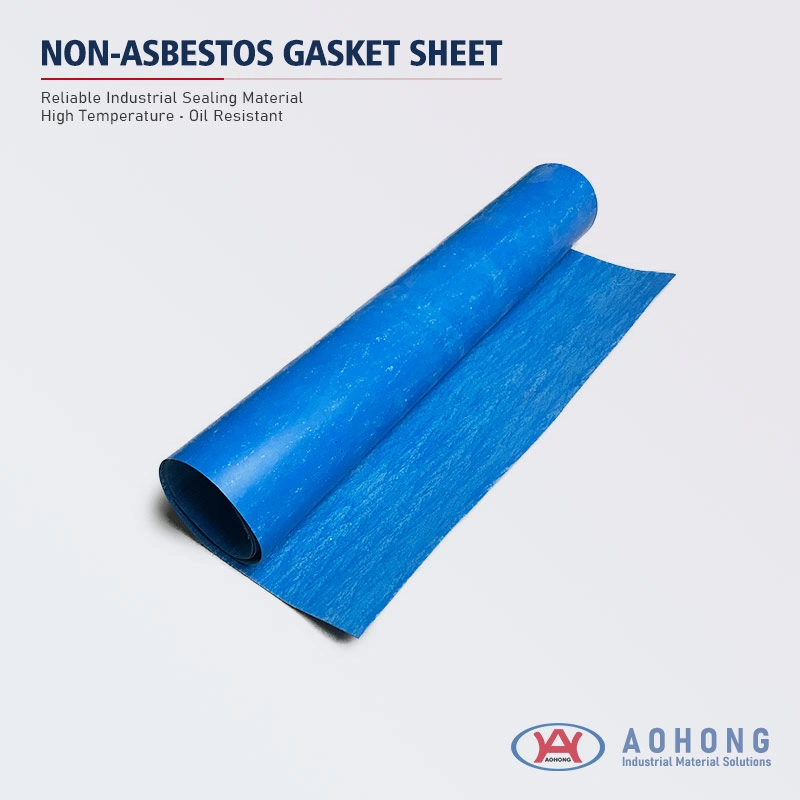
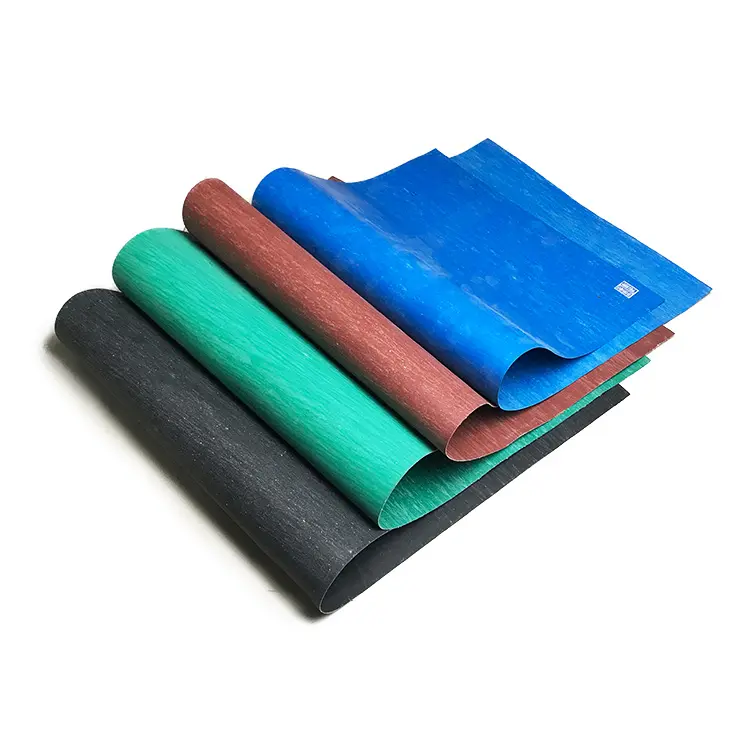
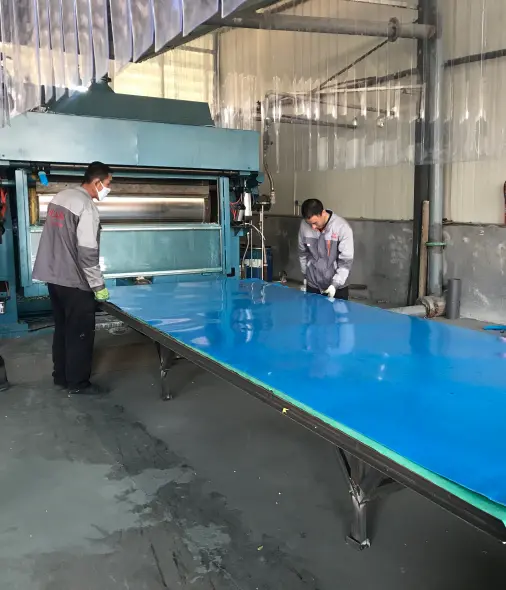

What is Non-Asbestos Composite Sheet?
Material overview
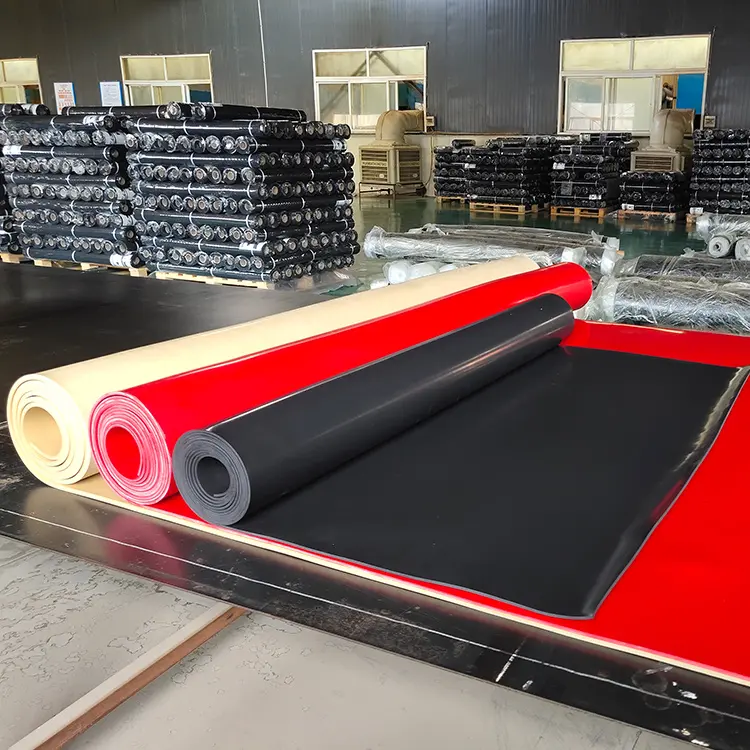
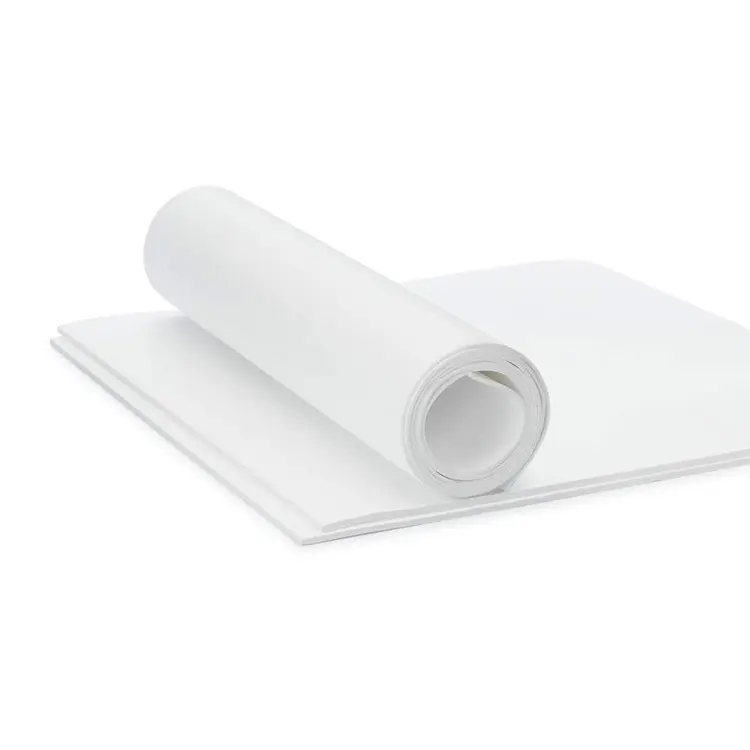
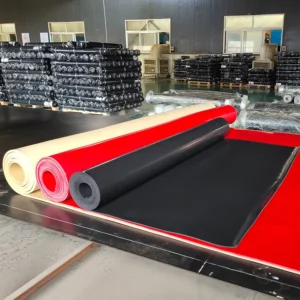
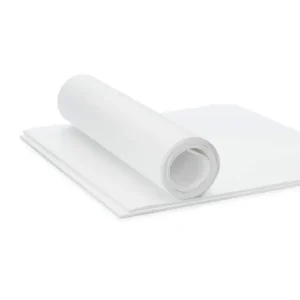
Non-asbestos composite sheet, also called asbestos-free composite sheet, is a fiber-reinforced and elastomer-bound sealing material manufactured by combining high-strength fibers such as aramid, mineral, and carbon with inert fillers and elastomeric binders, commonly NBR, EPDM, or silicone. The blend is calendared and compressed into homogeneous sheets designed to replace asbestos jointing while delivering balanced sealing performance, good chemical resistance, compressibility, mechanical strength, and long-term joint stability. It is widely used for industrial flange jointing and static gaskets in petrochemical, power generation, water treatment, and general industrial piping systems.
Common aliases
non-asbestos composite sheet, asbestos free composite sheet, compressed asbestos-free sheet, composite jointing sheet, CNAF composite sheet, asbestos-free jointing sheet.
Key technical highlights
-
Asbestos-free, compliant with modern workplace safety standards.
-
Temperature capability: typical continuous ranges from −40°C up to ~230°C depending on binder/grade (verify TDS per SKU).
-
Good resistance to oils, fuels, water, steam and many industrial chemicals (binder dependent).
-
High compressive strength, low creep, excellent conformability to irregular flange faces.
-
Available as sheets, rolls, adhesive backed, and precision die-cut gaskets.
Why choose this material?
-
Regulatory safe — eliminates asbestos hazard and simplifies compliance.
-
Versatile compatibility — choose binder/filler to match media (NBR for hydrocarbons, EPDM for steam).
-
Cost-effective sealing for broad industrial applications vs higher-cost PTFE/graphite.
-
Fast customization — cut-to-size, CNC/die-cut, laminated or metal-reinforced options.
-
Proven reliability — engineered to reduce leak incidents and re-torque cycles.
Typical applications
-
Chemical & petrochemical plant flange jointing and heat exchangers.
-
Steam lines and power plant auxiliaries (steam-rated grades).
-
Oil & gas piping, refinery operations.
-
Water & wastewater, desalination plants.
-
Marine flanges, HVAC, pulp & paper and general industrial equipment.
Technical specifications
| Attribute | Typical value / note |
|---|---|
| Material | Aramid/mineral fiber + elastomeric binder (NBR/EPDM/Silicone) |
| Thickness | 0.4 mm – 6.0 mm (common stocked: 0.5, 1.0, 1.5, 2.0, 3.0, 4.0, 6.0 mm) |
| Standard sheet sizes | 1000×1000 mm, 1500×1500 mm, 60″×60″, 48″×48″ |
| Density | 1.3 – 2.2 g/cm³ |
| Temp. range | −40 – 230°C |
| Certifications | ISO 9001 |
Advantages vs common gasket materials
| Feature | Non-Asbestos Composite | PTFE Sheet | Graphite Sheet | Compressed Asbestos (legacy) |
|---|---|---|---|---|
| Asbestos content | 0% — compliant | 0% | 0% | Contains asbestos (obsolete) |
| Chemical resistance | Good (binder-dependent) | Excellent (broad range) | Excellent (esp. high temp acids) | Good |
| Temp. capability | Up to ~180–230°C (grade dependent) | Up to ~260–300°C | Very high (≈400–450°C) | Similar but unsafe |
| Conformability on uneven flanges | High | Medium | Low | High |
| Cold flow / creep | Low–medium | Higher (solid PTFE creep) | Low | Medium–high |
| Cost | Mid | Higher | Higher | Mid |
 How to select the right grade
 How to select the right grade
-
Identify operating media (hydrocarbons, steam, acids) and max temperature.
-
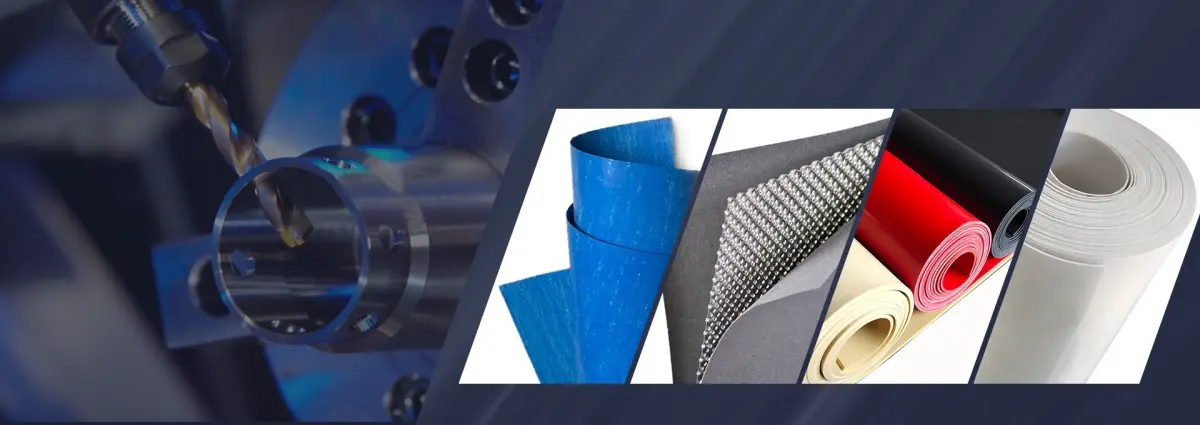
Choose binder: NBR for hydrocarbons; EPDM for steam/hot water; Silicone for elevated temp/food contact.
-
Confirm required thickness and flange class; check bolt loads and gasket seating charts.
-
Request grade-specific TDS and a physical sample for verification.
-
For large flanges or low bolt load, consider metal reinforcement or laminated inserts.
FAQ
Q: What is your MOQ (minimum order quantity)?
A: Stock grades: typically 1 full sheet or 1 roll. Custom compounds, certified lots or special fillers may have MOQ (example: 100–500 pieces). Confirm at RFQ.
Q: Typical lead times?
A: Samples (stock): 1–5 business days. Stock orders: 3–10 business days. Custom compounding / certified batches or large die-cut runs: 2–6 weeks depending on volume and finish. Expedited options may be available.
Q: How are samples and bulk orders shipped?
A: Samples: express courier (DHL/UPS/FedEx). Bulk: palletized by road, LCL/FCL, or air freight. Export docs (COO, commercial invoice, packing list) provided as required.
Q: Do you offer cut-to-size and die-cut gasket services?
A: Yes — die-cut, CNC/waterjet and laser cutting; adhesive backing and laminate/metal-reinforced options are available. Upload DXF/CAD for accurate quoting.
Q: Which grade should I select for steam lines vs oil lines?
A: EPDM-bonded for steam/hot water; NBR-bonded for oil/hydrocarbon exposures. Always validate with chemical compatibility data and a sample test.
Q: How should non-asbestos composite sheets be stored and handled?
A: Store flat in original packaging, in a cool, dry place away from sunlight and ozone. Avoid folding; handle with clean gloves to prevent contamination.