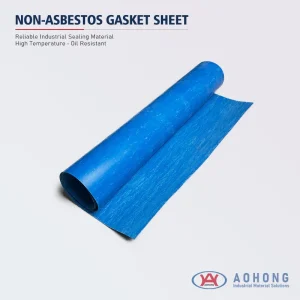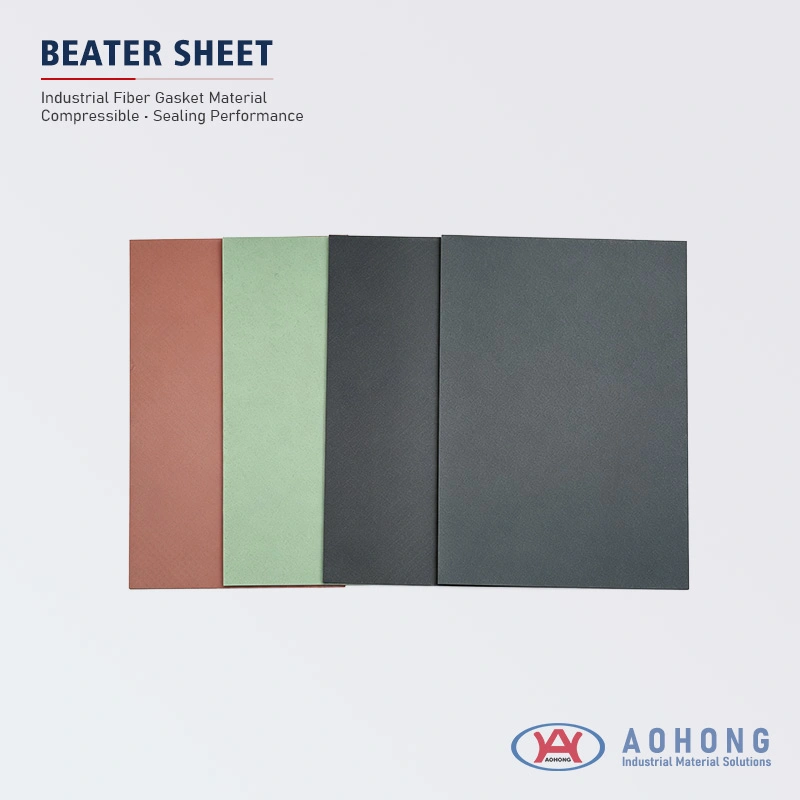
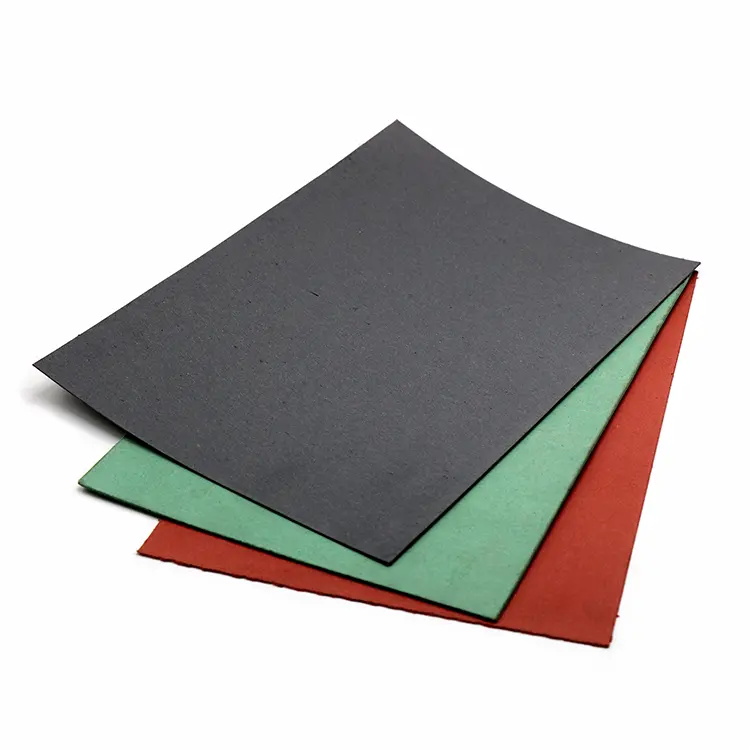
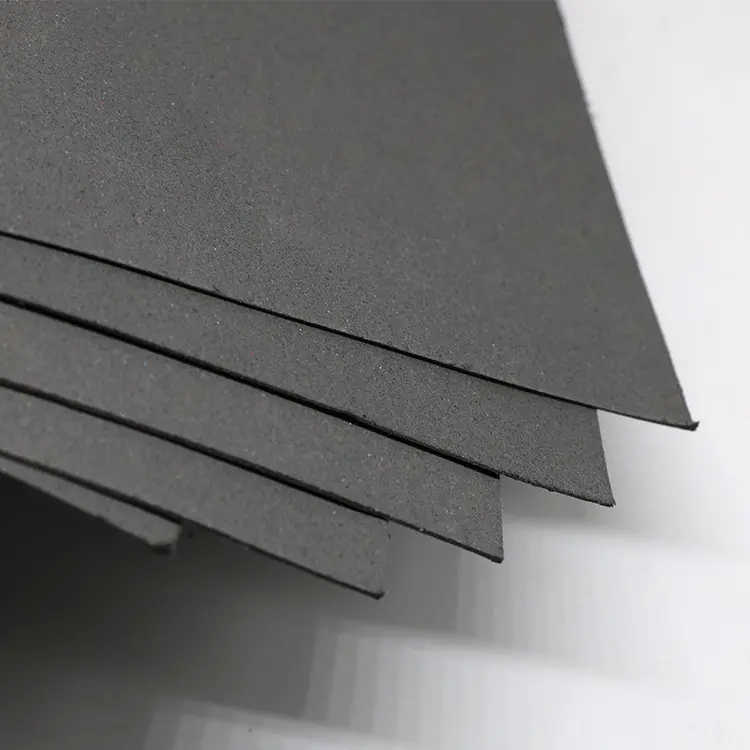
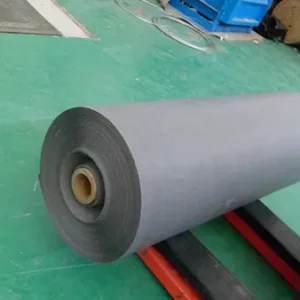
What is Asbestos Beater Sheet / Paper?
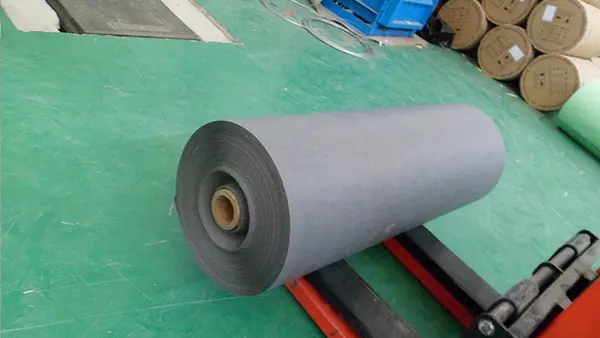
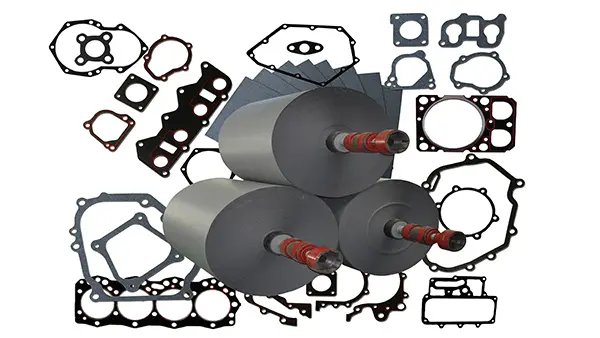
Asbestos Beater Sheet / Paper is a vulcanized composite made from asbestos fibers combined with elastomeric binders and fillers, manufactured as continuous sheets or rolls for gasket production. Historically chosen for oil resistance and heat stability, these sheets are used for engine, gearbox and static flange gaskets where high temperature and oil exposure occur.
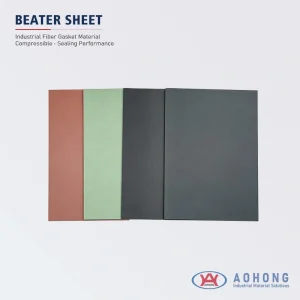
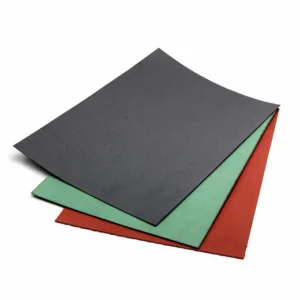
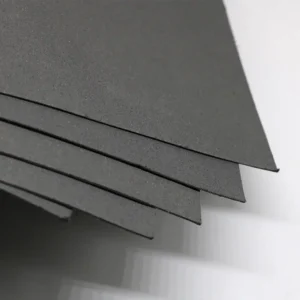
Asbestos Beater Sheet (also called asbestos beater paper, beater-add asbestos sheet or asbestos gasket sheet) is a vulcanized, fiber-reinforced gasket material historically used for oil-resistant seals in engines, gearboxes and industrial machinery. Available in stock thicknesses from about 0.3 mm to 5.0 mm and standard sheet sizes; reinforced and tin-plated composites offered for higher mechanical strength.
Important compliance note (visible near top): Many jurisdictions restrict or ban asbestos manufacture, import or sale — check local laws before purchasing or shipping. See Regulatory & Safety section below.
 Key Selling Points
 Key Selling Points
-
Proven heat and oil resistance for historic engine & industrial gasket applications.
-
Broad thickness availability (thin beater papers for small gaskets up to thicker sheets for composite tinplate lamination).
-
Can be supplied as plain sheet, tin-plated composite, or reinforced (metal insert) for higher mechanical strength.
-
Available for custom die-cut gaskets, OEM labelling and private-label packing.
-
Note: due to health & regulatory concerns, many buyers now choose non-asbestos alternatives (guidance included).
Typical Applications
Common Industrial Uses
-
Engine oil pan and sump gaskets, gearbox covers, differential housings.
-
Static flange gaskets for machinery where oil exposure and moderate heat are present.
-
Spiral wound or composite gaskets where asbestos beater-add layer was historically used.
Composition & Typical Properties
Material
-
Asbestos fiber (chrysotile commonly historically used) + synthetic latex/NBR binder + fillers; vulcanized into sheet form. Variants: loose beater paper (thin) or denser vulcanized sheet.
Typical performance indicators
-
Continuous working temperature (grade dependent): typically up to ~200°C in oil service for many asbestos beater grades.
-
Oil resistance (example test): IRM 903 / ASTM fuel tests — many grades show controlled weight/thickness change within rated limits.
Technical Specifications
| Parameter | Typical Range / Value | Note / Source |
|---|---|---|
| Thickness (stock) | 0.3 – 5.0 mm (common stocked 0.5, 0.6, 0.8, 1.0, 1.5, 2.0, 3.0, 4.0 mm) | supply-dependent; sample ranges reported. |
| Standard sheet sizes | 500×500, 500×1000, 1000×1000, 1200×1500, 1500×1500 mm (many manufacturers offer custom) | typical manufacturer listings. |
| Density | ~1.0 – 1.5 g/cm³ (varies by formulation) | test/datasheet specific. |
| Tensile strength | ~1.5 – 8 MPa (grade dependent) | manufacturer datasheets. |
| Compressibility / Recovery | Compressibility variable; typical lab specs shown in supplier tables. | See supplier datasheet. |
| Reinforcement options | Tinplate lamination; tanged metal inserts; composite laminates | for cylinder head or high-stress gaskets. |
Common Stock Sizes & Packaging
-
Common sheet sizes: 500×500, 500×1000, 1000×1000, 1200×1500, 1500×1500 mm.
-
Thickness stocked: 0.5 / 0.6 / 0.8 / 1.0 / 1.5 / 2.0 / 3.0 / 4.0 / 5.0 mm (confirm with supplier).
-
Packing: inner poly bag, export carton, palletized (moisture barrier). Optional OEM cartons & labeling.
-
Marking: thickness, batch no., caution labels (asbestos hazard) — required in many markets.
Advantages
-
Strong historical track record for oil resistance and moderate high-temperature sealing.
-
Readily formable into die-cut gaskets and composite lamination.
-
Major drawback: asbestos is a known health hazard (respiratory cancer, mesothelioma); regulation and buyer acceptance are declining globally — consider non-asbestos alternatives for new designs.
Material Comparison
| Feature | Asbestos Beater Sheet/Paper | Non-Asbestos Compressed Fiber | PTFE Sheet | Compressed Graphite |
|---|---|---|---|---|
| Oil resistance | Good | Good–Excellent | Excellent | Excellent |
| Temperature range | Up to ~200°C (grade dep.) | Varies; some >300°C | -200 to +260°C | Up to 450°C+ |
| Health / regulatory risk | High (asbestos hazard; restricted/banned in many countries) | Low (safer alternatives: aramid, glass, ceramic) | Low | Low |
| Cost | Historically moderate | Moderate–higher (depends on grade) | High | High |
| Best use | Legacy equipment & repair in permitted regions | New equipment, safety-sensitive sites | Chemical resistance / low permeability | High-temp steam applications |
Manufacturing & Custom Services
-
Die-cutting, waterjet, CNC, lamination with tinplate, metal inserts, and adhesive backing.
-
OEM private labeling, batch serialization and full traceability for larger orders.
-
Sample packs and engineering support for gasket design available on request.
FAQ
Q1: What is the MOQ?
A: Sample sheets: 1–10 sheets (sample fee may apply). Production MOQ for stocked thickness/sizes typically 100–500 sheets or 100–500 kg depending on size and thickness. For custom die-cut OEMs, MOQ depends on tooling & run size — e.g., 500–2,000 pcs is common. (Please replace with your factory’s exact MOQ.)
Q2: What is the lead time?
A: Typical lead times: stock items 3–10 working days; custom laminates or reinforced composites 10–30 working days after PO and sample approval. Expedited options available at surcharge. (Adjust per your capacity.)
Q3: How is shipping/Incoterms handled?
A: We ship by sea (LCL/FCL), air freight, or express carriers (DHL/UPS/FedEx). Common Incoterms: FOB / EXW / CIF / DDP on request. Export packaging: packed in poly + carton + pallet. HS code guidance should be confirmed with customs broker; some destinations require permits for asbestos.
Q4: Do you offer samples?
A: Yes — trimmed samples and small sheet samples available. Sample cost & freight usually charged; waived for qualifying orders.
Q5: Can you customize thickness, size, or laminate tinplate?
A: Yes — custom thickness, sheet size, tinplate lamination and die-cutting available. Provide drawing (PDF/DXF) and target yearly qty for best price.
Q6: Are there safety documents and test reports?
A: We provide SDS, product datasheet, and (on request) material composition and third-party test reports. For asbestos products we also supply hazard handling instructions and workplace control recommendations.
Q7: Is trade legal for my market?
A: Regulations vary widely. Many markets ban or restrict asbestos — including EU members and recent U.S. EPA rulemaking on chrysotile. Confirm destination rules before ordering. If shipping to a restricted market we will not ship asbestos products without documented permits.
Warning: this product contains asbestos fibers which are known to the state of California (and other jurisdictions) to cause cancer and other serious respiratory illnesses. Follow all local regulations, workplace controls and handling guidance.