Product overview
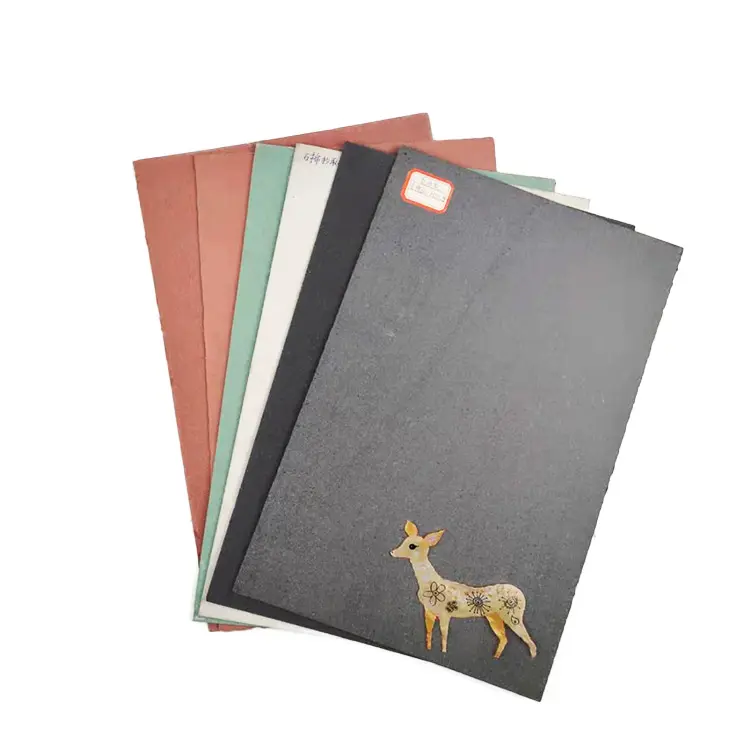 What is Oil Jointing Gasket Paper?
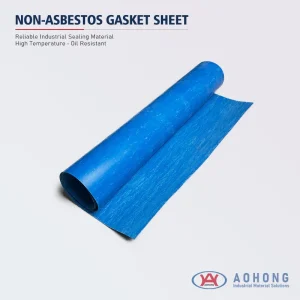
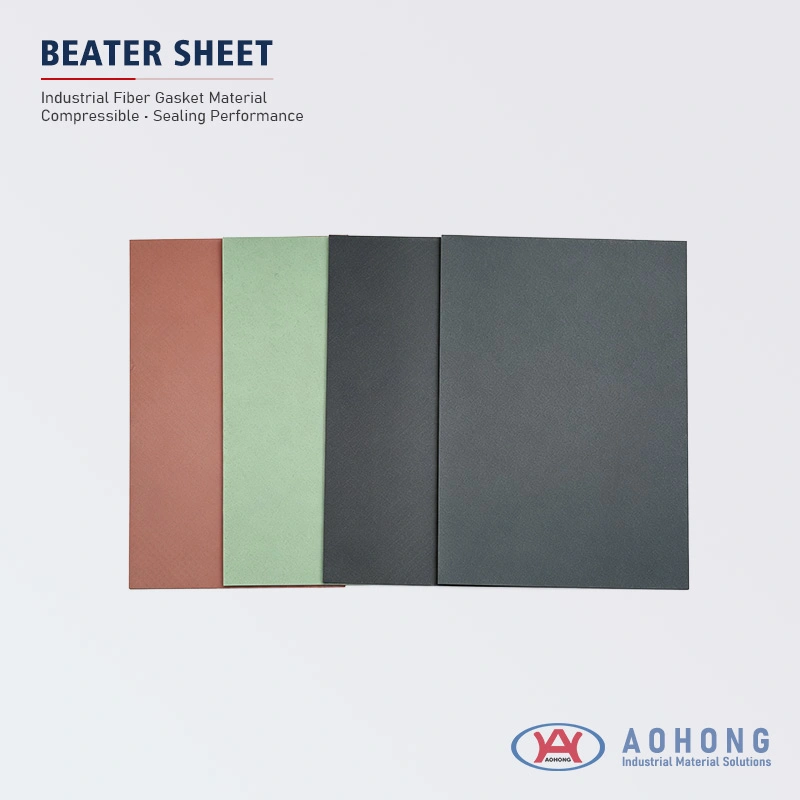
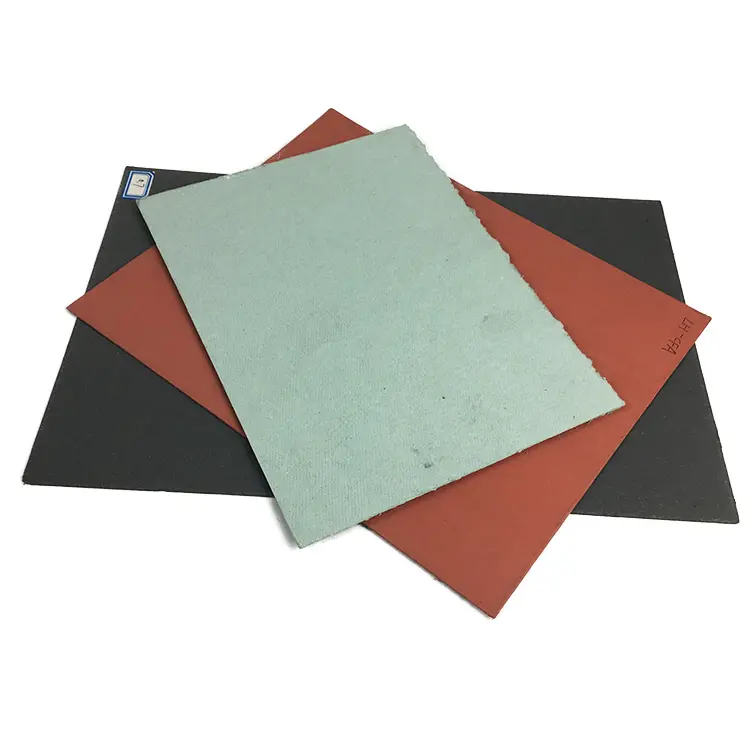
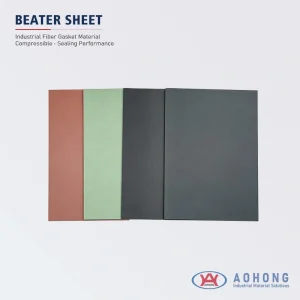
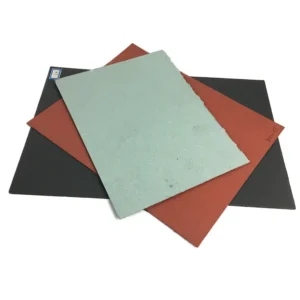
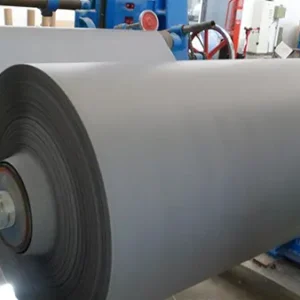
Oil jointing gasket paper is a thin, flexible gasket sheet manufactured from protein-bonded cellulose or blended compressed fibres with oil-resistant binders. It’s supplied in sheets or rolls and die-cut into rings or full-face gaskets for sealing flanged joints where the media are oils, fuels, light hydrocarbons, water or other non-aggressive fluids. Typical users include automotive maintenance, pumps, valves, tanks and low-pressure piping.
Oil jointing gasket paper (also called oil jointing paper, oil-resistant gasket paper, or oil gasket sheet) is a protein-bonded cellulose or compressed fibre sheet formulated to seal oils, fuels and other non-aggressive media at low-to-moderate temperatures and pressures. It’s inexpensive, easy to cut and ideal for automotive, pump and general industrial flange applications.
Common aliases / alternate names
-
Oil jointing paper
-
Oil-resistant gasket paper
-
Oil gasket sheet
-
Jointing paper for oil & fuels
-
Compressed oil jointing sheet
Construction & typical grades
-
Base material: protein-bonded cellulose (traditional oil jointing), or compressed aramid/mineral fibres in higher-performance grades.
-
Binders: usually NBR/SBR based (oil-resistant elastomeric binders) or protein binders for low-cost grades.
-
Finish/options: plain cut sheets; impregnated / wrapped edges (to reduce fraying); adhesive backing or pre-cut kits for common engine/tank models.
Performance & key operating ranges
-
Maximum continuous temperature: typically up to 120°C (248°F) for common oil jointing papers used with mineral oils and fuels.
-
Compression / recovery: many oil jointing papers are specified with 25–40% compression and ≥40% recovery in technical data sheets.
-
Chemical suitability: good compatibility with mineral oils, engine oils, diesel/petrol, hydraulic fluids and water. Not recommended for strong acids, alkalies or aggressive solvents unless a specific grade is specified.
Typical specifications & common sizes
Common sheet thicknesses
0.15 mm, 0.25 mm, 0.40 mm, 0.50 mm, 0.80 mm, 1.00 mm, 1.50 mm, 2.00 mm, 3.00 mm, 3.2 mm.
Typical sheet / roll sizes
-
1000 × 1000 mm (1 m × 1 m) — common stock sheet.
-
1000 × 2000 mm or 1.5 m × 2.0 m — larger sheet/roll options for OEMs.
-
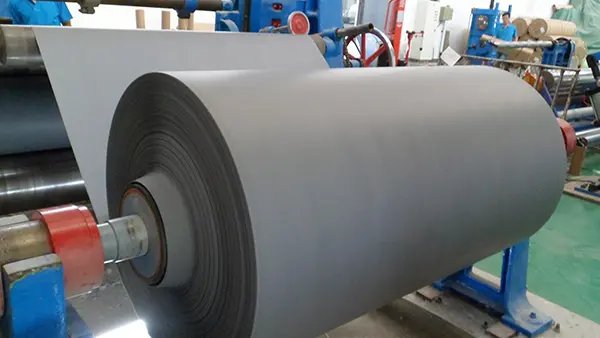
Custom rolls (widths up to 1,000 mm or larger by request).
Representative physical data
-
Colour: brown/tan (typical).
-
Bulk tensile strength (example): ≈13.8 MN/m² (varies by grade).
-
Oil absorption (IRM 903): typical % increase in weight — small (5–15% range depending on grade).
How we cut & supply
-
Die-cut to ASME B16.21/B16.5 patterns (FF / IBC) for common NPS sizes (½”–12″ stock rings).
-
CNC-cut custom patterns from supplied drawings or OEM part numbers.
-
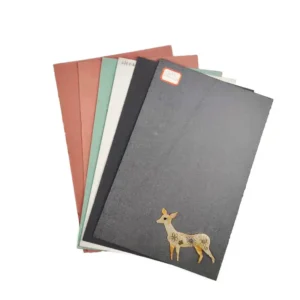
Small-batch hobby A4/A3 cut sheets for DIY engine repairs also available.
Common applications
-
Engine oil pump covers, valve covers and drain plugs (automotive & small engines).
-
Low-pressure flange joints on tanks, fuel lines, hydraulic reservoir covers.
-
General maintenance gaskets: oil pans, gearbox covers, small pumps and compressors.
-
Temporary repairs and prototype builds where low cost and easy cutting are required.
Advantages (why buyers choose oil jointing paper)
-
Cost-effective: low unit cost for high volume maintenance and OEM spares.
-
Easy to cut & form: ideal for on-site die cutting or hand-cut gaskets.
-
Good oil & fuel resistance: suitable for many mineral oils and common fuels.
-
Wide thickness availability: matches flange gaps and low-pressure sealing needs.
Material comparison table
| Feature | Oil Jointing Gasket Paper | Compressed Aramid Sheet | Flexible Graphite Sheet | PTFE Sheet |
|---|---|---|---|---|
| Typical max temp | ~120°C | up to 350°C | up to 450–550°C | ≤260°C |
| Chemical resistance (oils) | Very good | Very good | Excellent | Excellent |
| Conformability | High | High | High | Moderate |
| Best for | Low-to-medium T & pressure oil seals | Higher T/pressure non-asbestos alternative | High-T steam & hot oil | Aggressive chemicals, food grade |
| Cost | Low (economical) | Medium | Higher | Higher |
(Use oil jointing paper where temperatures and pressures are modest and chemical exposure is not aggressive.)
Installation & best practices
-
Flange prep: remove old gasket, clean faces, check for pitting/warpage. Oil jointing paper seals best on reasonably flat faces.
-
Cutting: use sharp gasket shears, CNC or die-cutting for repeatable results; consider edge-sealing/impregnated grades to reduce fraying.
-
Bolt tightening: tighten bolts in a cross pattern to recommended torque for flange class — do not overtighten (paper is compressible).
-
Storage: keep flat in original packaging, dry and away from sunlight/solvents to avoid binder degradation.
FAQ
Q1 — What other names should I search for?
A: Oil jointing paper, oil gasket sheet, oil-resistant jointing paper, oil gasket material.
Q2 — What temperature can oil jointing paper handle?
A: Typical general-purpose oil jointing papers are rated to approximately 120°C (248°F). Higher-temperature compressed fibre or aramid grades are available if you need higher limits.
Q3 — Can I use paper gaskets for fuel lines and diesel?
A: Yes — standard oil jointing papers are formulated for mineral oils and common fuels; confirm specific grade compatibility with the supplier for prolonged exposure or unusual fuels.
Q4 — What thickness should I pick?
A: Use thinner sheets (0.15–0.5 mm) for tight-tolerance covers and thin flanges; 0.8–3.0 mm for rougher faces or where more compressibility is needed. Provide flange/gap details for an exact recommendation.
Q5 — Do you offer cut-to-print or ASME-cut parts?
A: Yes — we supply die-cut and CNC-cut gaskets to ASME templates and custom prints; include flange drawing, bolt PCD and material/thickness when requesting a quote.