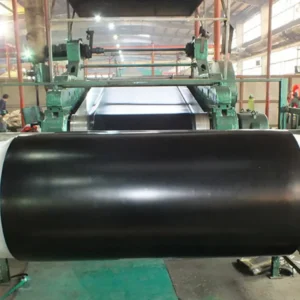
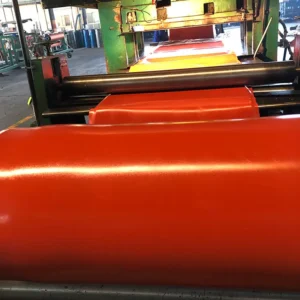
What is a Conductive Rubber Sheet?
Material & how it works
Conductive rubber sheets are made by dispersing conductive fillers (carbon, nickel, silver, or combinations) into an elastomer matrix (silicone, neoprene, EPDM or fluorosilicone). The fillers form conductive networks that provide surface and volume conductivity while retaining elasticity and sealing performance. These materials provide environmental sealing plus electrical continuity where metal gaskets are not practical.
Common trade names
Conductive rubber sheet, conductive elastomer sheet, conductive silicone sheet, conductive neoprene sheet, EMI gasket material, ESD rubber sheet, carbon-filled rubber sheet.
Key technical highlights
-
EMI/RFI shielding & gasket sealing in one material — ideal for enclosure doors, connector seals and venting solutions.
-
Conductive fillers: carbon, nickel, silver and silver-plated media — selection balances conductivity, corrosion resistance and cost.
-
Typical conductivity: many grades engineered for surface resistivity from antistatic levels down to low ohm·cm ranges — pick grade by required shielding/grounding performance.
-
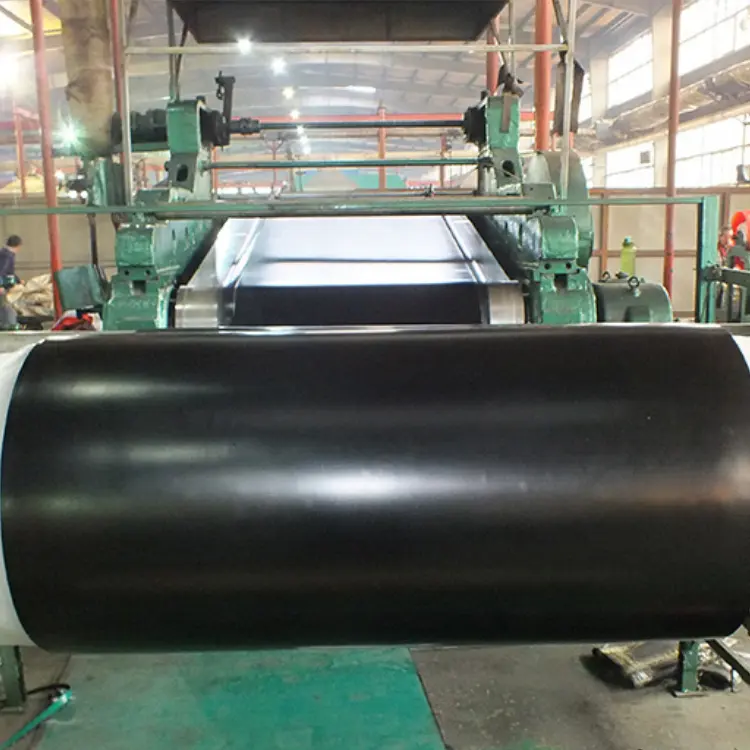
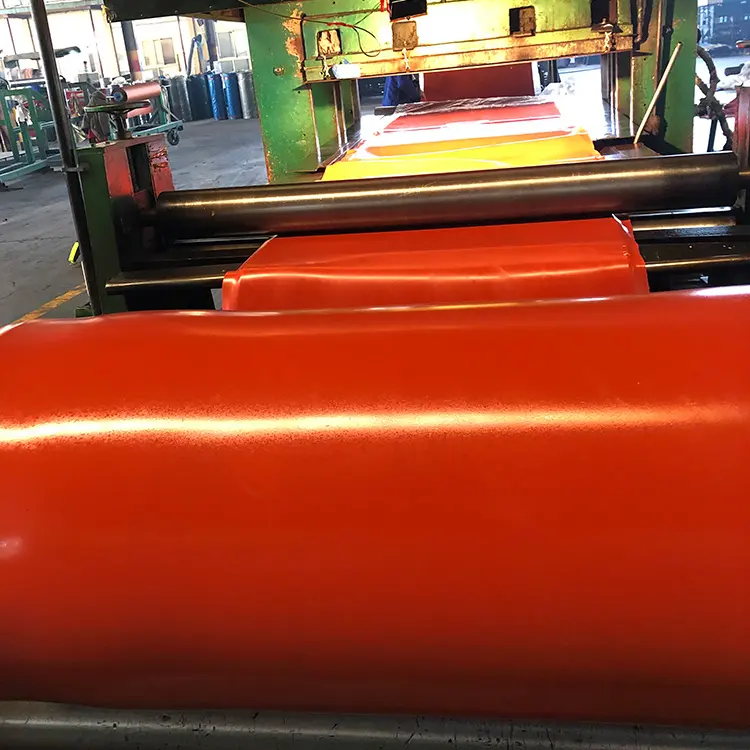
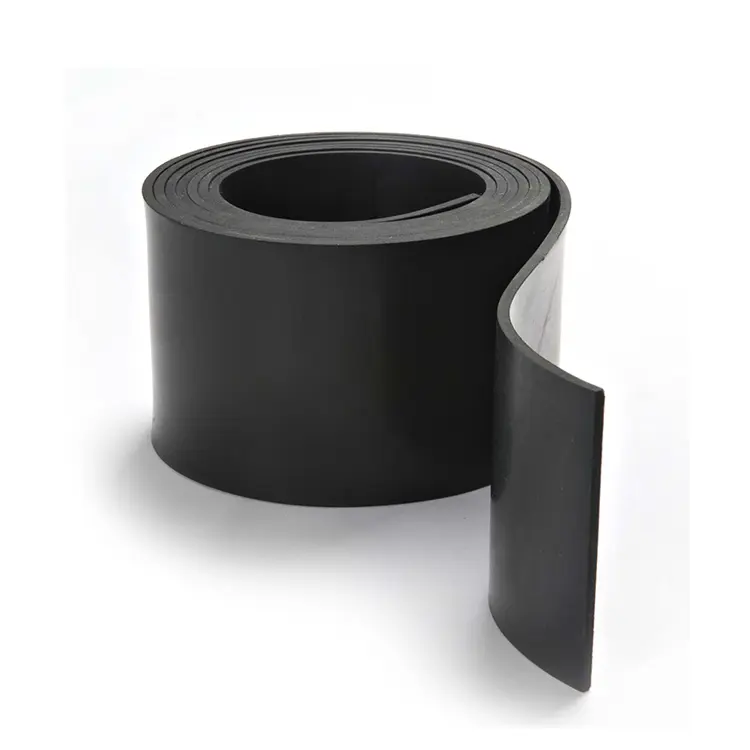
Available as continuous rolls, sheets and precision die-cut parts; compatible with CNC, waterjet and die-cut manufacturing.
Typical applications
-
EMI/RFI gasket seals for electronics & telecom enclosures.
-
ESD/equipotential grounding pads and conductive flooring overlays.
-
Connector & panel seals where both environmental sealing and electrical contact are required (medical, aerospace, defense).
-
Battery enclosures, RF shielding doors, antenna feedthroughs and instrument housings.
Technical specifications
| Attribute | Typical value / range |
|---|---|
| Material | Silicone, Neoprene (CR), EPDM, Fluorosilicone (vendor-grade) |
| Conductive filler | Carbon, Nickel, Silver, Nickel-graphite, Silver-coated glass |
| Thickness | 0.5 mm – 25 mm (common: 0.5, 1, 2, 3, 5, 10 mm). |
| Standard sheet width | 1000 mm (1 m) typical; roll lengths 5–10 m (supplier dependent). |
| Surface resistivity | From ~10^6 Ω/sq (anti-static) down to <10^2–10^3 Ω/sq for conductive grades. |
| Shielding effectiveness | Many conductive elastomers provide tens of dB (e.g., 40–60 dB) across MHz–GHz bands depending on design. |
| Temperature range | −60°C to 200°C depending on base polymer (silicone higher than neoprene). |
| Certifications | RoHS / ISO 9001. |
Common sizes & formats
-
Standard sheets: 1000×1000 mm, 1000×1500 mm, 1524×1524 mm (60″×60″) — supplier dependent.
-
Rolls: widths 500–1400 mm; lengths 5–10 m common.
-
Thicknesses: 0.5 mm, 1 mm, 1.5 mm, 2 mm, 3 mm, 5 mm, 10 mm, up to 25 mm for special uses.
-
Finished parts: Die-cut gaskets, extruded profiles, bonded liners, adhesive-backed options.
Advantages of conductive rubber vs alternatives
| Feature | Conductive Rubber Sheet | Metal Gasket | Conductive Fabric / Mesh | Conductive Foam |
|---|---|---|---|---|
| Environmental sealing | Excellent (elastomeric) | Poor (needs secondary seal) | Good (depends on backing) | Good (porous) |
| Contact conductivity | Good (with conductive fillers) | Excellent (metal-to-metal) | Excellent (metalized fabric) | Moderate |
| Conformability to irregular flanges | Excellent | Poor | Good | Excellent |
| Corrosion resistance | Good (select filler/polymer) | Poor (metal corrosion) | Varies | Varies |
| Cost | Mid | High (precision) | Mid-high | Low-mid |
 How to choose the right conductive grade
 How to choose the right conductive grade
-
Define electrical requirement: grounding (high surface conductivity) vs EMI gasketing (low contact resistance + shielding dB).
-
Select base polymer: silicone for wide temp range; neoprene for cost and moderate temp; EPDM for some sealing needs.
-
Pick filler type: carbon for corrosion resistance and cost; nickel/silver for lower contact resistance (consider galvanic compatibility).
-
Confirm mechanical needs: durometer, compression set, environmental exposure (humidity, salt spray).
-
Request TDS & sample — verify surface resistivity, shielding dB and suitability in real assembly.
FAQ
Q: What is the MOQ (minimum order quantity)?
A: Stock conductive rubber sheet grades: typically 1 sheet or 1 roll. Custom filler/polymer grades, specialty silver-filled or plated materials may have MOQ (e.g., drum/roll or 500–1000 m²). Confirm at quote stage.
Q: What are typical lead times?
A: Stock samples: 1–5 business days. Standard stocked sheets or small orders: 3–10 business days. Custom compounding or plated-metal grades: 2–6 weeks depending on tooling and plating steps.
Q: How do you ship samples and bulk orders?
A: Samples: express courier with tracking. Bulk: palletized shipments via road/sea/air freight. We supply export docs (COO, commercial invoice, packing list).
Q: Can you die-cut or CNC these sheets?
A: Yes — die-cutting, CNC, waterjet and laser processes are commonly used. Adhesive-backed and bonded variations are also available.
Q: How is conductivity specified & tested?
A: Conductivity is specified as surface resistivity (Ω/sq) and/or volume resistivity (Ω·cm). Shielding performance is published in dB across a frequency band (MHz–GHz) per supplier test methods. Ask for your grade’s TDS and independent test reports.
Q: Which filler is best: carbon, nickel or silver?
A: Carbon: cost-effective, corrosion-resistant and good for many ESD/EMI uses. Nickel / silver: lower contact resistance and better shielding but may cost more and require galvanic compatibility checks with mating metals. Choose by performance vs cost tradeoffs.
Q: Can these sheets be used outdoors?
A: Yes — when formulated with weatherable polymers (silicone or specially compounded neoprene/EPDM) and corrosion-resistant fillers. Confirm UV aging and salt-spray test data for outdoor projects.
Q: Do you provide RoHS/REACH or UL documentation?
A: Yes — supply compliance documents per lot where applicable. Provide specific certification requests at RFQ stage.