
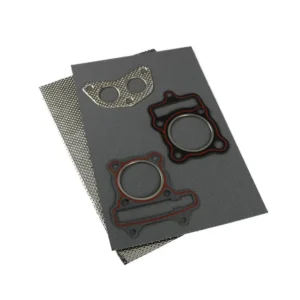
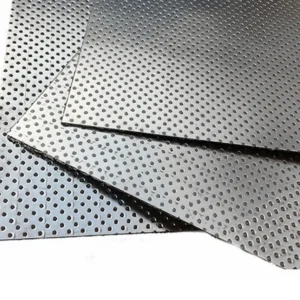
What is Expanded Graphite Sheet?
Material & manufacturing summary
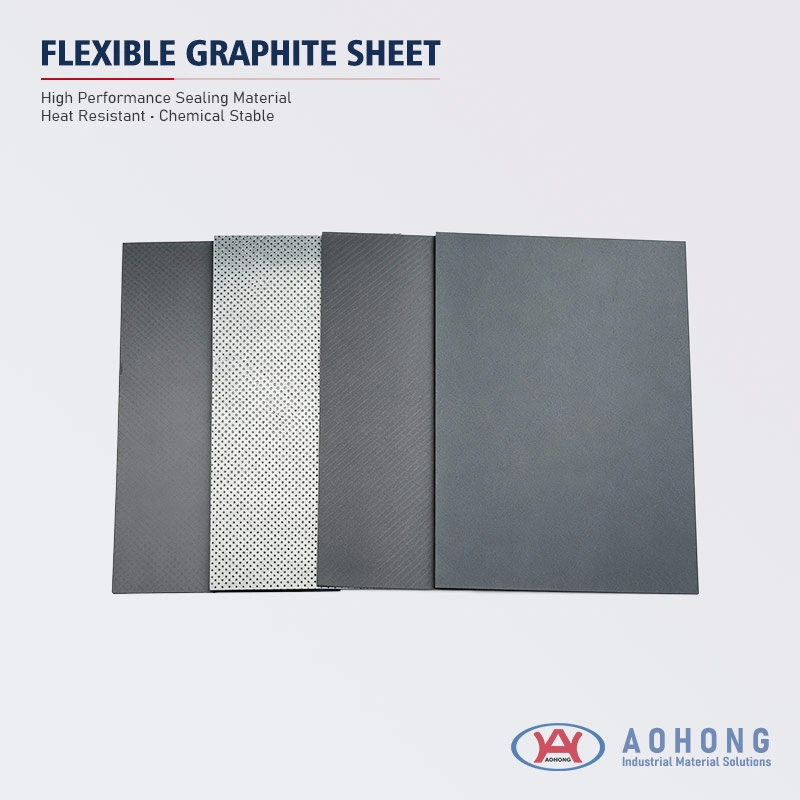
Expanded graphite sheet is produced by intercalating natural graphite, rapidly expanding (exfoliating) it into a worm-like structure, then compressing and calendering to produce flexible graphite foil/sheet. The result is a graphite-rich sheet with high thermal conductivity, chemical resistance, compressibility and low gas permeability.
Common trade names
Expanded graphite sheet, flexible graphite sheet, exfoliated graphite sheet, graphite foil, flexible graphite gasket sheet, expanded graphite gasket sheet.
Key technical highlights
-
Temperature capability: wide service range — consult grade TDS; typical high-temp capability for graphite-based gaskets.
-
Chemical resistance: excellent against most acids, bases and solvents at moderate temperatures; check grade for strong oxidizers.
-
Steam & heat resistance: widely used in steam systems and heat exchangers.
-
Electrical & thermal conductivity: conductive; useful for thermal bridging but requires isolation if electrical isolation is needed.
-
Good conformability & recovery: seals irregular surfaces and maintains sealing under cyclic loads.
-
Low permeability: effective against gas leakage when properly compressed and installed.
Typical applications
-
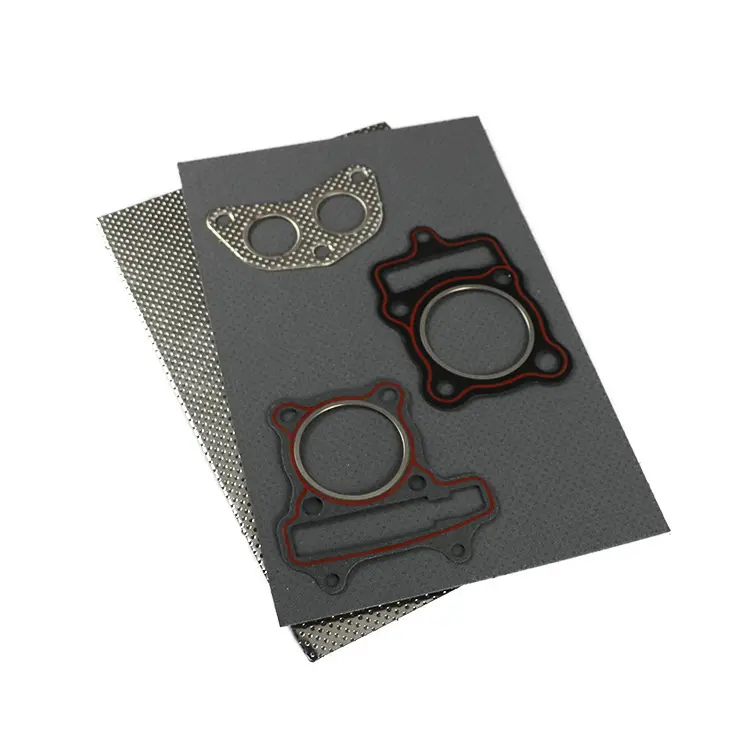
Gaskets for heat exchangers, boilers and steam systems.
-
Valve, pump and flange gaskets in petrochemical & refinery plants.
-
Exhaust systems, high-temperature joints and pressure vessels.
-
Electrical / thermal interface material where conductivity is required.
-
Bearings, seals and shielding in high-temperature industrial equipment.
Technical specifications
| Attribute | Typical |
|---|---|
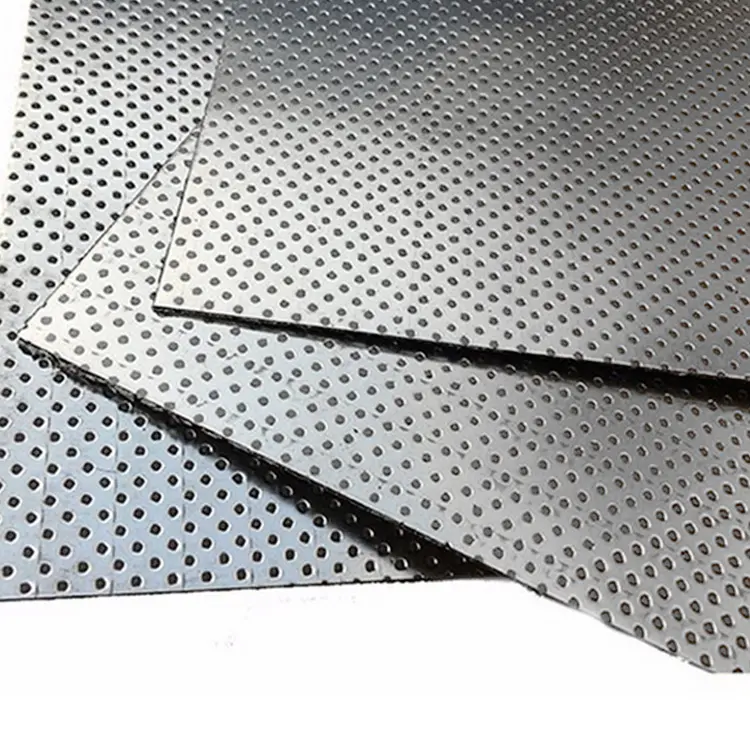
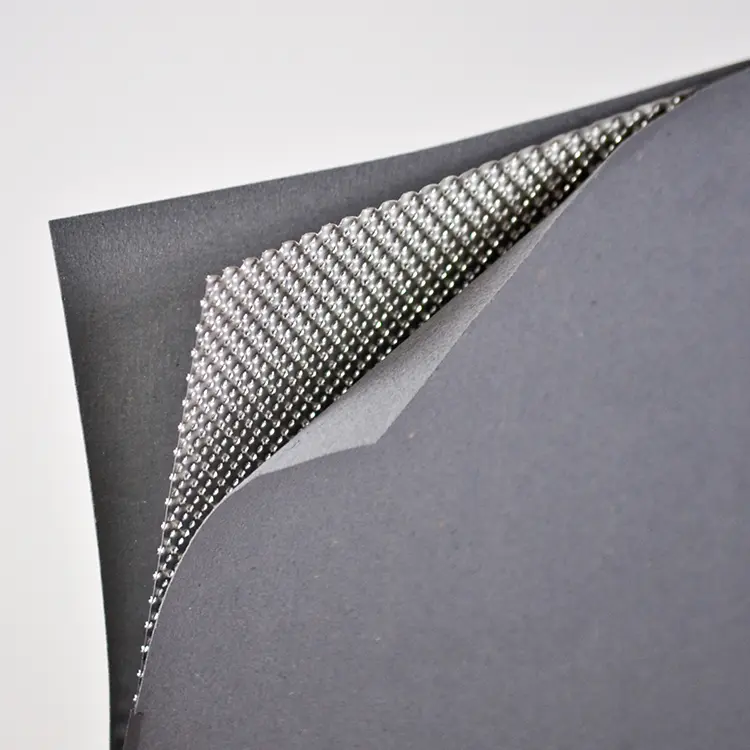
| Material | Expanded / flexible graphite (option: graphite + stainless steel insert or NBR-coated for flange compatibility) |
| Thickness | 0.3 mm – 6.0 mm (common: 0.5, 1.0, 1.5, 2.0, 3.0 mm) |
| Density (compressed) | 0.7 – 1.2 g/cm³ (most common range) |
| Temperature range | −200 °C to 450 °C In Air (Oxidizing), up to 3000 °C (In Inert / Non-Oxidizing Media) |
| Surface treatment | Plain graphite / NBR-coated / PTFE laminated / metal-reinforced options |
| Electrical resistivity | Conductive — publish surface/volume resistivity if relevant |
| Typical sheet sizes | 1000×1000 mm, 1524×1524 mm (60″×60″) — cut-to-size available |
| Certifications | ISO 9001 |
 Advantages
 Advantages
-
High temperature & steam capability (grade dependent) — widely used where plastics/other rubbers fail.
-
Excellent chemical compatibility with many corrosive media (consult TDS for oxidizers).
-
Superior conformability — fills flange surface imperfections for reliable sealing.
-
Low gas permeability — effective for static gas sealing when properly compressed.
-
Thermally & electrically conductive — useful when heat transfer or grounding is required.
-
Multiple finish options (coatings/laminates/inserts) for improved installation and flange friendliness.
Comparison — Expanded Graphite vs other gasket materials
| Feature | Expanded Graphite Sheet | PTFE Sheet | Compressed Non-Asbestos | Graphite Sheet (flexible vs compressed) |
|---|---|---|---|---|
| Temperature | Very high (grade-dependent) | High | Mid-high (grade) | Similar (compare densities) |
| Chemical resistance | Excellent (most media) | Excellent (wide pH) | Good (binder-dependent) | Comparable |
| Conformability | Excellent | Medium | Excellent | Excellent |
| Permeability (gases) | Low when compressed | Medium–high (solid PTFE can creep) | Medium | Low |
| Conductivity | Conductive (electrical/thermal) | Insulating | Insulating | Conductive |
| Installation friendliness | Good (coatings improve) | Good | Good | Good |
| Cost | Mid–high | High | Mid | Mid–high |
How to choose the right expanded graphite sheet grade
-
Define operating temperature & media.
-
Decide if conductivity is acceptable or if electrical isolation/laminate is required.
-
Pick surface treatment (NBR-coating, PTFE laminate) for improved flange sealing and reduced leakage.
-
Consider reinforcement (steel-insert) for large flanges.
-
Request TDS and a sample gasket for in-situ verification.
FAQ
Q: What is your MOQ (minimum order quantity)?
A: Stock items typically ship from 1 sheet or 1 roll. Custom laminates, metal-insert variants or special coatings may have MOQ (e.g., 200–500 sheets). Confirm at RFQ.
Q: What are typical lead times?
A: Samples (stock): 1–5 business days. Stock orders: 3–10 business days. Custom grades, laminations or metal-inserted sheets: 2–6 weeks depending on complexity and volume.
Q: How are samples and bulk orders shipped?
A: Samples: express courier (DHL/UPS/FedEx). Bulk: palletized LTL, FCL or air freight. Export docs supplied (COO, invoice, packing list).
Q: Do you offer cut-to-size or die-cut gaskets?
A: Yes — die-cut, CNC, waterjet and laser cutting available. Upload DXF/CAD for precise quoting. Adhesive backing and bonded laminates are available for ease of installation.
Q: Can expanded graphite sheets be used in oxidizing/high-temperature air?
A: Graphite may oxidize at high temperatures in air—select grades with oxidation protection or use protective jackets/coatings and follow TDS temperature limits. We recommend testing in your application and consulting TDS for oxidation limits.
Q: Can you supply coated or laminated graphite sheets?
A: Yes — common options: NBR-coated, PTFE-laminated, stainless steel/Al insert lamination. These improve sealing, reduce cold flow and protect the graphite surface.
Q: Is expanded graphite electrically conductive?
A: Yes — flexible graphite is electrically conductive. If electrical isolation is required, request an insulating laminate or alternative material.