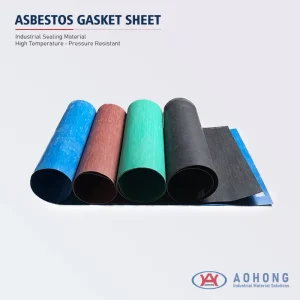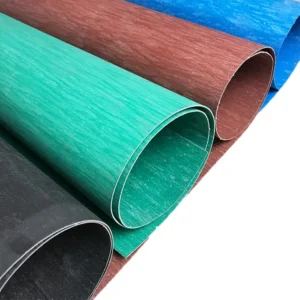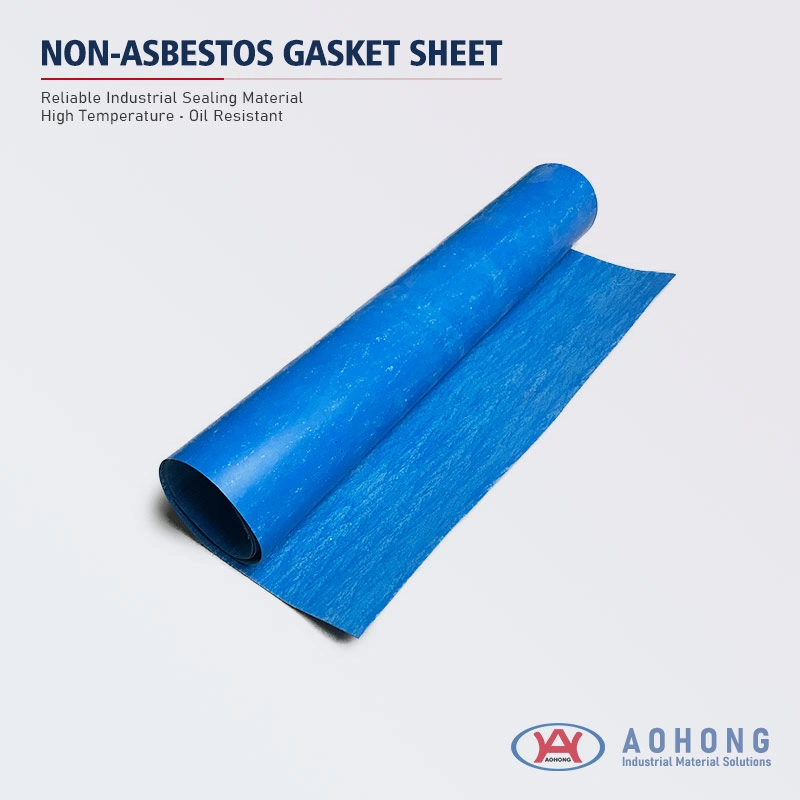

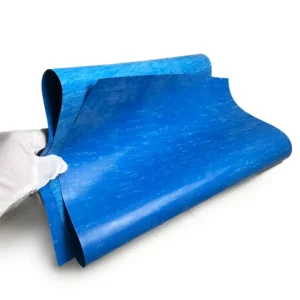
What are non-asbestos jointing gasket sheets?
Short material overview
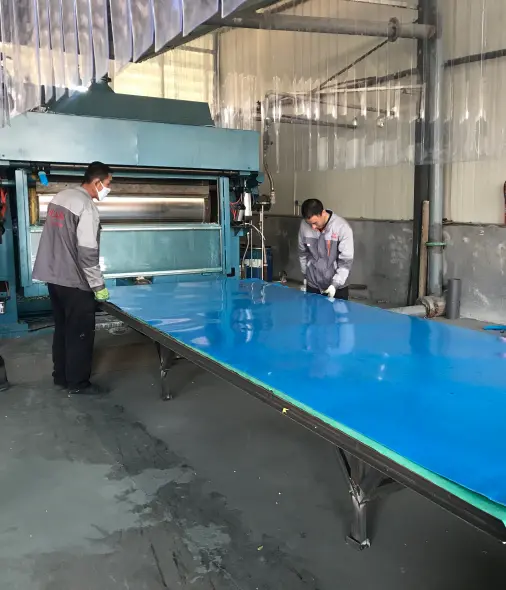
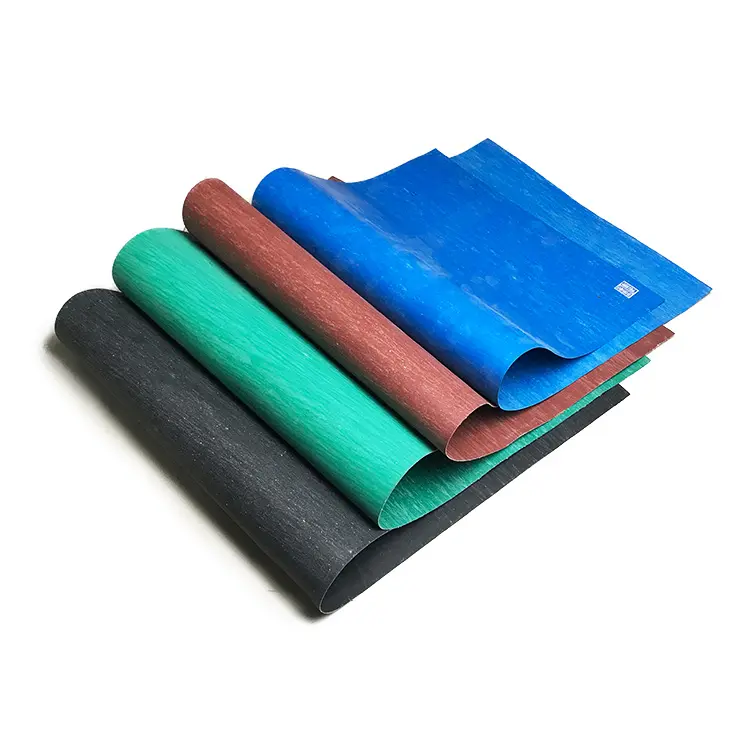
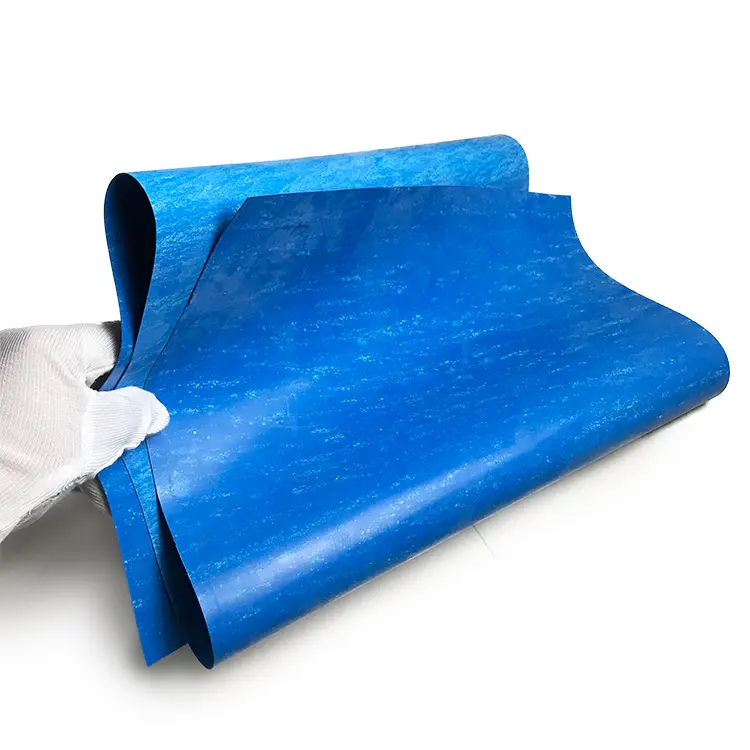
Compressed non-asbestos jointing gasket sheets (CNAF) are produced by hot-calendering a blend of high-strength fibers (commonly aramid, carbon or mineral fibers), inert fillers and a rubber binder (NBR, EPDM or silicone), forming a homogeneous, asbestos-free sheet that seals static flanges in industrial systems. They were developed to replace asbestos-containing jointing with safer, comparable performance.
Common aliases
asbestos free jointing gasket sheets, compressed asbestos-free gasket sheet, CNAF gasket sheet, asbestos free jointing gasket sheets, compressed jointing sheet, non-asbestos flange sheet.
Key technical highlights
-
Typical binders: NBR (best for hydrocarbon/oil environments), EPDM (better for steam/hot water/oxidizers) and silicone (high-temp / special uses).
-
Typical continuous service temperature range depends on formulation — common ranges are −40°C to ~180°C; some premium grades tolerate higher peak temperatures (consult TDS).
-
Strong sealing: good compressibility, low creep and high tensile strength for pressure and steam applications.
-
Formats: full sheets, rolls, skived thicknesses, die-cut gaskets and metal-insert / laminated variants for heavy flanges.
Typical applications
-
Chemical & petrochemical plant flanges, heat exchangers and piping.
-
Steam systems, boilers and power-plant auxiliaries (steam grades).
-
Oil & gas, refineries (oil/fuel resistant NBR-bonded CNAF).
-
Water & wastewater, desalination, marine and general industrial flanges.
Technical specifications
| Attribute | Typical value / note |
|---|---|
| Material | Aramid/mineral fiber + NBR/EPDM/silicone binder. |
| Thickness | 0.4 mm – 6.0 mm (common stocked: 0.5, 1.0, 1.5, 2.0, 3.0, 4.0 mm). |
| Sheet sizes | 1000×1000 mm, 1500×1500 mm, 60″×60″ . |
| Density | 1.3 – 2.2 g/cm³ |
| Temperature | −40 – 180°C (grade dependent); some grades rated higher—see TDS. |
| Pressure capability | Depends on thickness & flange class. |
| Certifications | ISO 9001, ROHS |
 Advantages
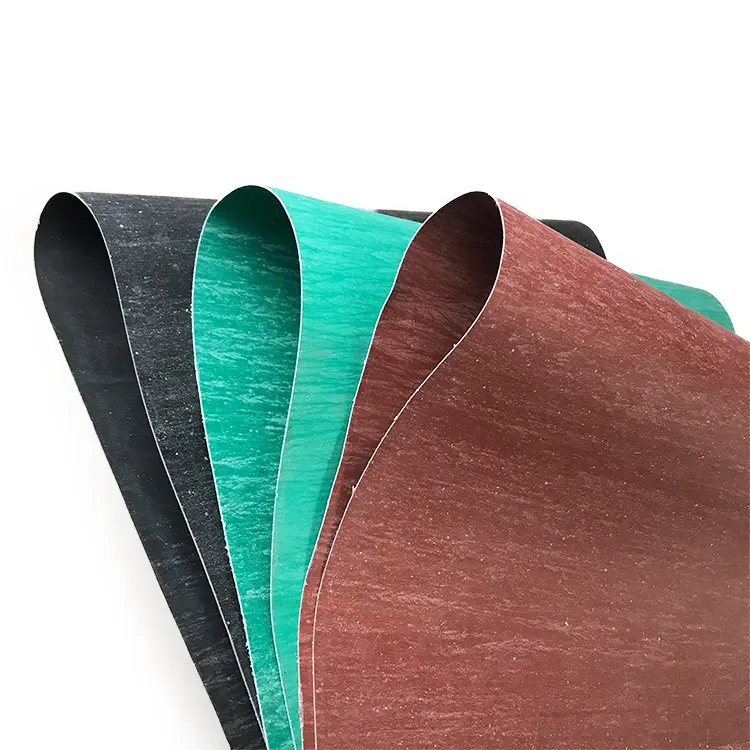 Advantages
-
Asbestos-free & regulatory safe — modern replacement for asbestos jointing.
-
Versatile chemical resistance — choose binder to match media (oil vs steam).
-
Good compressibility & recovery — maintains flange integrity, reduces leaks and re-torque cycles.
-
Cost competitive — lower cost than many specialty PTFE or graphite solutions for general flange sealing.
-
Easy to process — die-cut, CNC, waterjet and adhesive-back options speed assembly.
Comparison — CNAF vs other common gasket materials
| Feature | Compressed Non-Asbestos (CNAF) | PTFE Sheet | Graphite Sheet | Compressed Asbestos (legacy) |
|---|---|---|---|---|
| Asbestos content | 0% (safe) | 0% | 0% | Contains asbestos (obsolete) |
| Chemical resistance | Good (binder-dependent) | Excellent (pH 0–14) | Excellent (esp. high temp acids) | Good |
| Temperature capability | Up to ~180–250°C (grade specific) | High (up to ~260–300°C) | Very high (up to 450°C+) | Similar but unsafe |
| Conformability to uneven flanges | High | Medium | Low | High |
| Cold flow / creep | Low–medium | Higher (solid PTFE creep) | Low | Medium–high |
| Cost | Mid | Higher | Higher | Mid |
FAQ
Q: What is your MOQ (minimum order quantity)?
A: Stock grades: typically 1 full sheet or 1 roll. Custom blends, laser-cut batches or certified lots may require MOQ (example: 200–500 kilogram). Confirm at RFQ.
Q: Typical lead times?
A: Samples (stock): 1–5 business days. Stock sheet orders: 3–10 business days. Custom compounding, certification, or large die-cut runs: 2–6 weeks depending on volume and finish. Expedited options available.
Q: Do you offer cut-to-size and die-cut gaskets?
A: Yes — die-cut, CNC, waterjet and laser cutting options; adhesive-backing and metal-reinforced variants are available. Upload DXF/CAD for an accurate quote.
Q: Which grade should I pick for steam vs oil?
A: Use EPDM-bonded CNAF for steam/hot water and oxidizing environments; choose NBR-bonded CNAF for hydrocarbon/oil services. Always request chemical compatibility guidance and a sample for validation.
Q: How should I store and handle sheets?
A: Store flat in original packaging, in a cool dry place away from direct sunlight and ozone sources. Avoid folding; handle with clean gloves to prevent contamination.