
What is Neoprene Rubber Sheet?
Material overview
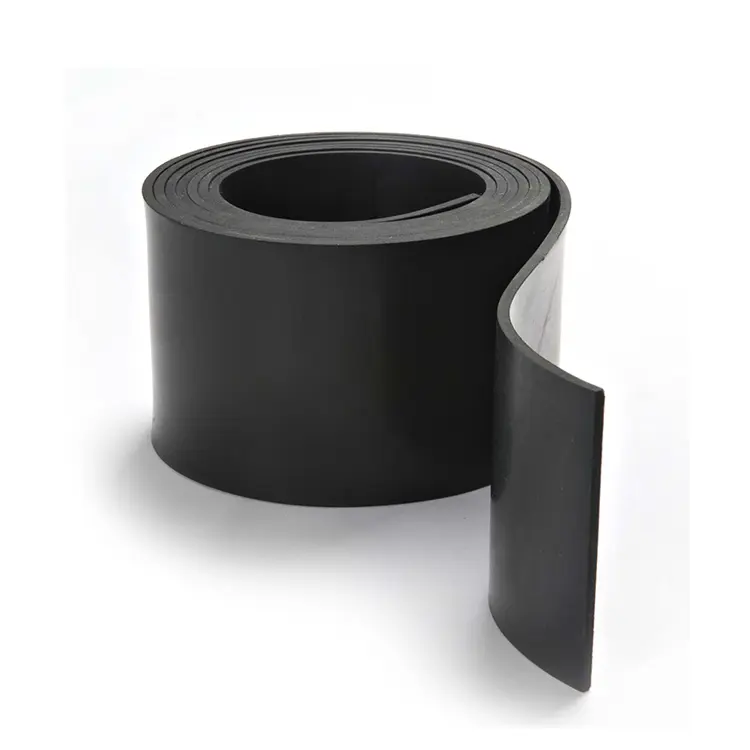
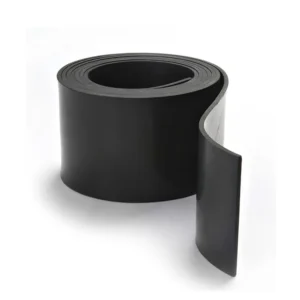
Neoprene (commercial name Neoprene; chemical name polychloroprene or CR) is a synthetic rubber engineered for balanced properties: good resistance to weathering, ozone, moderate oil/fuel resistance, flame-retardant grades and strong mechanical durability. It’s commonly supplied as sheets, rolls or finished die-cut parts for industrial sealing.
Common trade names & aliases (use naturally on page)
-
Neoprene sheet, CR sheet, polychloroprene rubber, chloroprene sheet, CR rubber sheeting.
Key technical highlights
-
Service temperature (typical): approx. -40°C to +120°C (many grades rated to +150°C in short service).
-
Resistance profile: excellent ozone/UV & weather resistance; moderate to good resistance to oils, greases and some chemicals (better than EPDM for oils; consult TDS for specifics).
-
Mechanical: good tear and abrasion resistance, good resilience at common durometers (40A–90A typical).
-
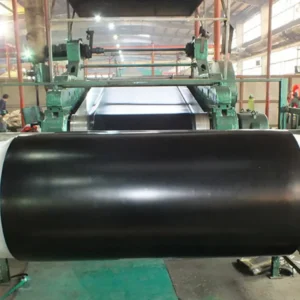
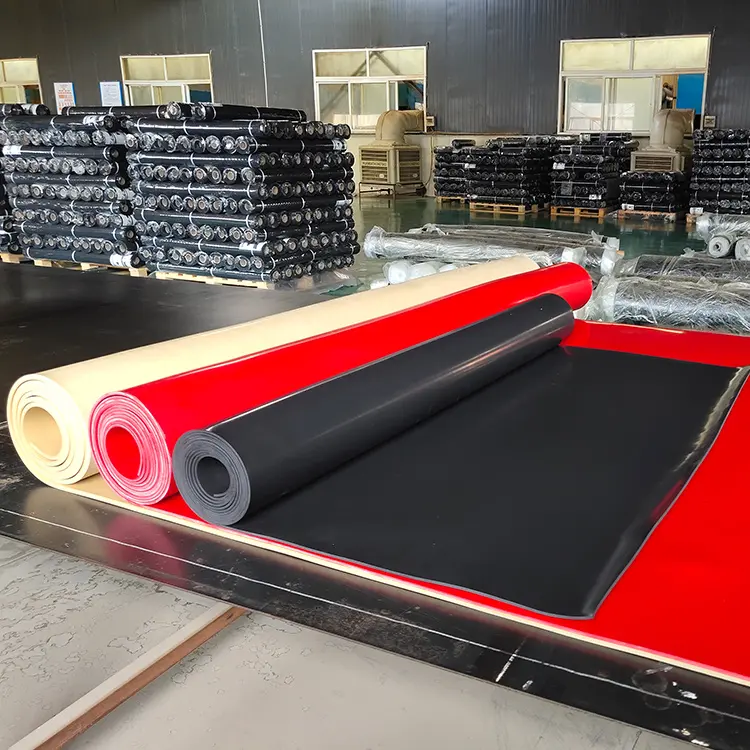
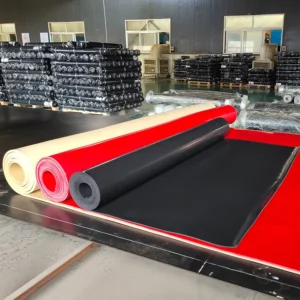
Formats: sheets, rolls, bonded/laminated variants and die-cut/CNC gaskets.
Why choose Neoprene rubber sheets?
-
Balanced chemical & weather resistance — suitable for outdoor and mildly hydrocarbon-exposed applications.
-
Good mechanical durability — abrasion and tear resistance for demanding sealing and cushioning uses.
-
Flame-retardant grades available for specific safety needs.
-
Adheres well to metal & fabrics — ideal for laminated or bonded assemblies.
-
Custom services — cut-to-size sheets, die-cut gaskets, CNC, waterjet and bonded backing available.
 Typical applications
 Typical applications
-
HVAC gaskets, seals and vibration mounts.
-
Refrigeration seals and hose linings (resistant to many refrigerants).
-
Marine & outdoor weather sealing (ozone/UV protection).
-
Automotive ancillary seals, engine bay trims (where moderate oil exposure occurs).
-
General industrial gasketing, padding and flame-retardant seal applications.
Technical specifications
| Attribute | Typical value / range |
|---|---|
| Material | Neoprene (Polychloroprene, CR) |
| Hardness (Shore A) | 40A – 90A (typical stock: 50A, 60A, 70A) |
| Thickness | 0.5 mm – 12 mm (custom skiving available) |
| Standard sheet sizes | 36″×36″, 36″×48″, 48″×48″, 60″×60″ (metric equivalents) |
| Temp. range (typical) | −40°C – 120°C (some grades up to +150°C short term). |
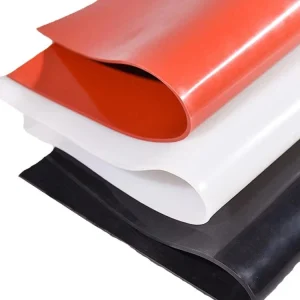
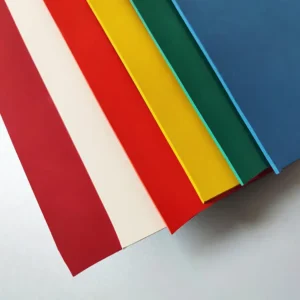
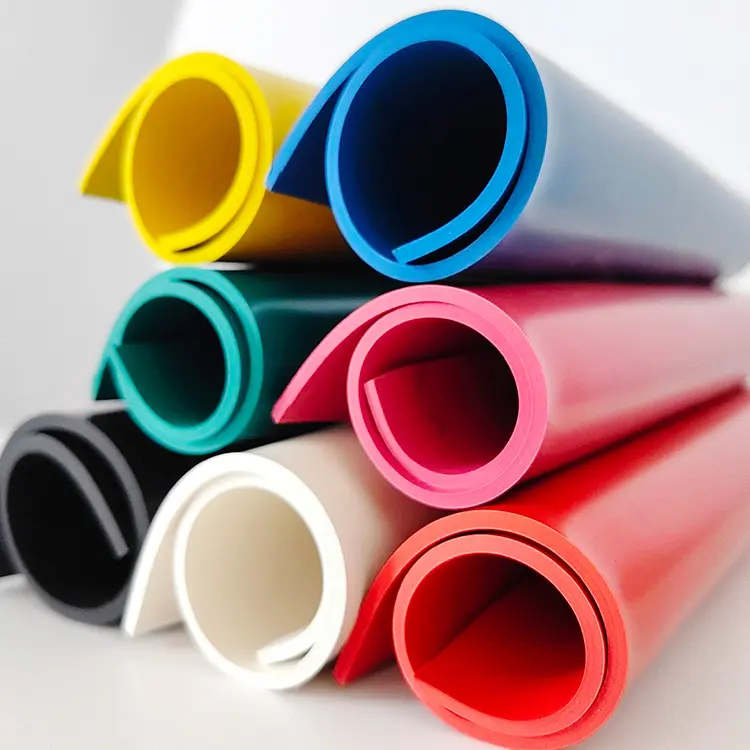
| Colors | Black (standard); white/food-grade on request |
| Certifications | ISO 9001, ROHS. |
Common sizes & formats
-
Neoprene Rubber Sheets: 36″×36″, 36″×48″, 48″×48″, 60″×60″, 1000×1000 mm etc.
-
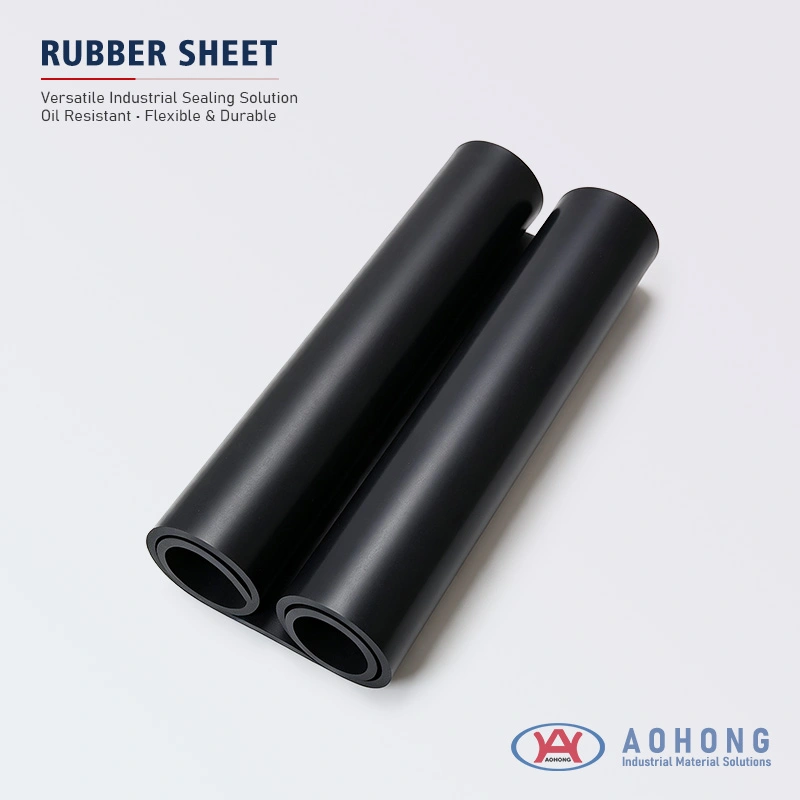
Rolls: widths 36″ / 48″ with customer lengths.
-
Thicknesses: 1/32″ (0.8 mm), 1/16″ (1.6 mm), 1/8″ (3.2 mm), 1/4″ (6.4 mm) up to 12 mm.
-
Value-adds: fabric-backed, adhesive-backed, laminated or flame-retardant variants.
Advantages vs other elastomers
| Property / Use | Neoprene (CR) | Nitrile (NBR) | EPDM | Silicone (VMQ) | FKM (Viton) |
|---|---|---|---|---|---|
| Oil & fuel resistance | Moderate–Good (varies by compound). | Excellent (better for oils) | Poor | Poor | Excellent |
| Weather / ozone / UV | Excellent. | Fair | Excellent | Good | Very good |
| High temp capability | Up to ~120–150°C (grade dependent). | Up to ~120–150°C | Up to ~150–200°C | Excellent (>200°C) | Excellent (high temp) |
| Abrasion / mechanical durability | Good | Good | Fair | Fair | Good |
| Common use cases | HVAC, refrigeration, weather seals | Fuel/hydraulic seals | Outdoor seals, steam applications | Medical, food, high temp | Harsh chem & high temp seals |
FAQ
Q: What is your MOQ (minimum order quantity)?
A: For stock neoprene rubber sheets we accept orders starting from 1 sheet or 1 roll. Custom compounds, fabric-backed or color batches may have MOQ (common example: 100–500 kg). Confirm at quote stage.
Q: What are typical lead times?
A: Stock samples: 1–5 business days (ship via express). Stock orders: 3–10 business days. Custom grades or laminated runs: 2–4 weeks depending on batch and finishing. Expedited services may be arranged.
Q: How are samples shipped?
A: Samples shipped by DHL/UPS/FedEx with tracking. Bulk orders ship palletized by road, LCL/FCL or freight forwarder per chosen Incoterm.
Q: Do you provide food-grade or special approvals?
A: Standard neoprene is not universally food-grade; special white or formulated compounds with appropriate approvals/certificates can be supplied on request.
Q: Can you do die-cutting, CNC & custom finishing?
A: Yes — we offer die-cut gaskets, CNC/waterjet cutting, bonded fabric backing, adhesive coat and custom laminates. Upload DXF/CAD for an accurate quote.
Q: What chemicals damage neoprene?
A: Neoprene has good resistance to many oils and solvents but can be attacked by strong oxidizers and some halogenated hydrocarbons — always consult the chemical compatibility chart and your TDS.