Introduction
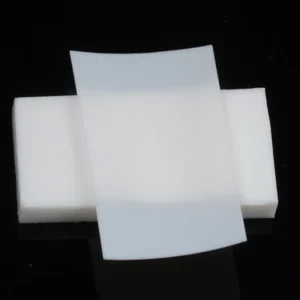
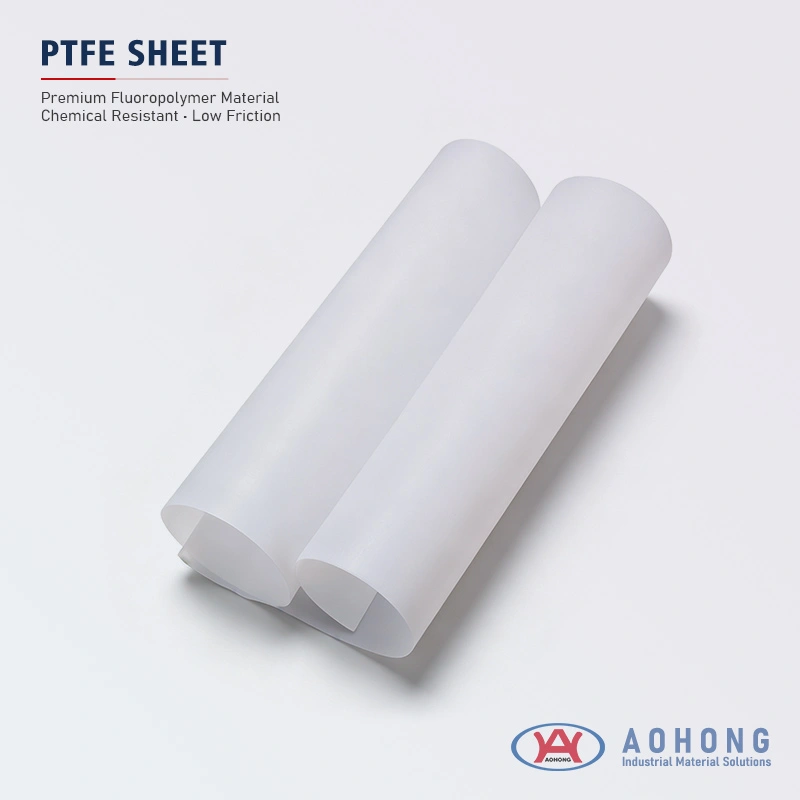
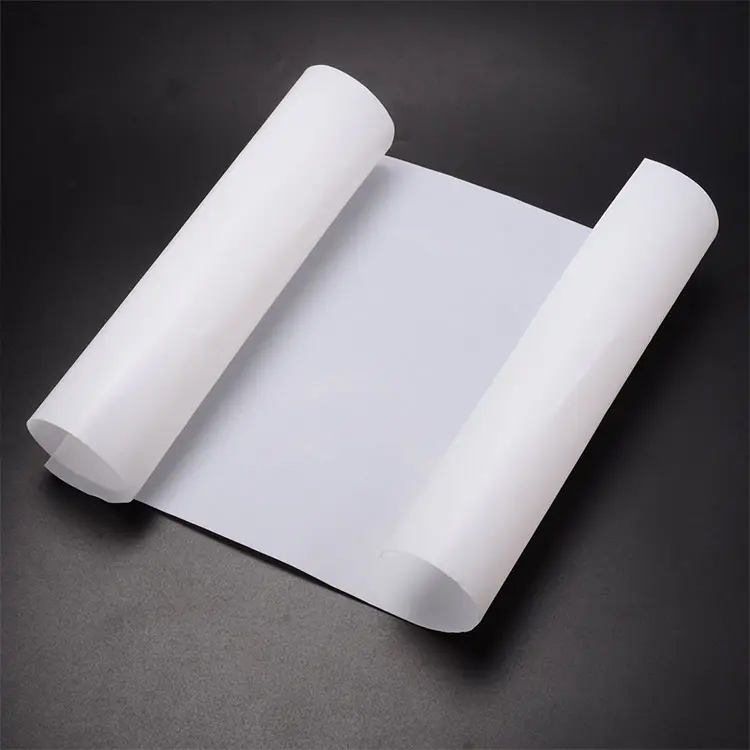
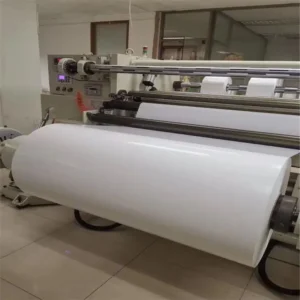
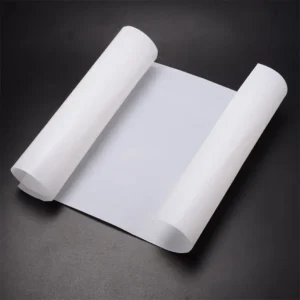
A virgin PTFE sheet is manufactured from 100% pure polytetrafluoroethylene (PTFE) resin using dedicated processing methods and contains no reprocessed or recycled material. Also referred to as a pure Teflon sheet or virgin PTFE board, it delivers exceptional resistance to extreme temperatures, outstanding chemical inertness, and an ultra-low coefficient of friction. These properties make virgin PTFE sheet the preferred material in high-end sectors such as chemical processing, electronics and aerospace, offering performance substantially superior to regenerated or reprocessed PTFE sheets.
Types
-
Molded (pressed) virgin PTFE sheet
Produced by molding pure PTFE resin at ambient temperature followed by sintering and controlled cooling. This process is typically used for standard sheet thicknesses of 1.0 mm and above. -
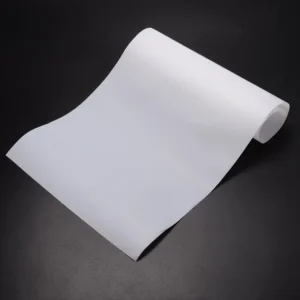
Turned (machined) virgin teflon sheet
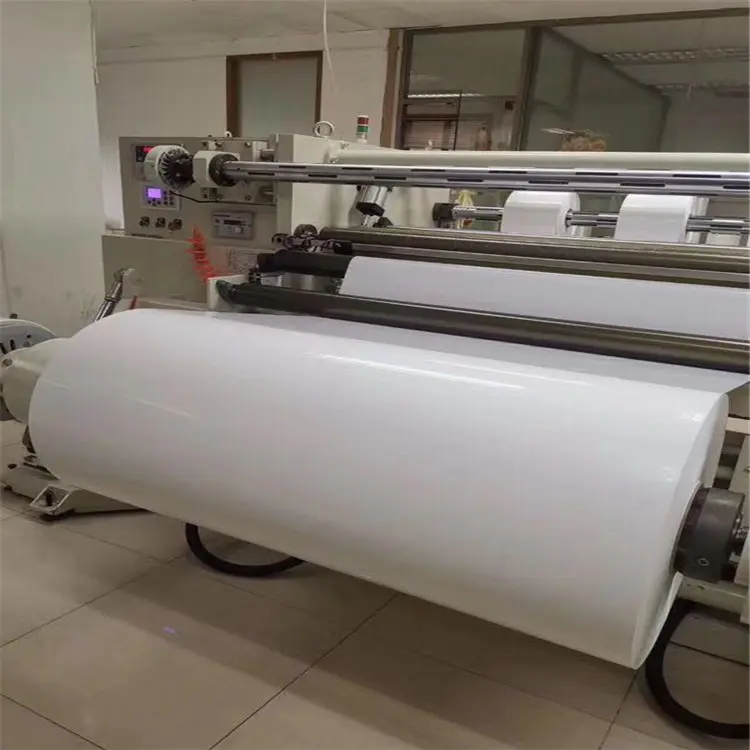
Made by pressing and sintering PTFE billets then rotary turning to tight tolerances. Turned sheets provide higher surface finish and allow production of ultra-thin sheets suitable for precision component applications.
Technical Data
| Key Parameter | Unit | Value / Range | Test Condition / Standard |
|---|---|---|---|
| Density | g/cm³ | 2.10 – 2.30 | Measured by Archimedes principle |
| Tensile Strength | MPa | ≥ 15 | ASTM D4894 |
| Continuous Service Temperature | °C | -180 to 260 | Thermal-mechanical testing |
| Dielectric Strength | kV/mm | ≥ 40 | GB/T 1408.1 or equivalent |
| Surface Resistivity | Ω | ≥ 1×10¹³ | High resistance meter |
| Decomposition (TGA) | °C | ≥ 327 | Thermogravimetric analysis (TGA) |
Applications
-
Chemical industry: linings for reaction vessels, pipe gaskets, valve diaphragms — excellent resistance to strong acids, bases and most solvents.
-
Construction / Machinery: sliding bearings for bridge expansion joints, machine tool way covers — uses the low-friction characteristics for maintenance-free sliding.
-
Electronics: high-frequency insulators, printed circuit substrates — leveraging excellent dielectric properties.
-
Medical / Textile: precision medical device components, coating for dyeing/printing rollers — meets demands for dimensional stability and non-stick behavior.
Key Advantages
-
Extreme chemical resistance: inert to strong acids, alkalis and most organic solvents — a core attribute of PTFE.
-
Wide service temperature range: remains ductile at -180 °C and retains stable properties up to +260 °C.
-
Ultra-low coefficient of friction: exceptional sliding performance often usable without additional lubrication.
-
Long-term stability: no significant ageing; retains performance under humid and hot conditions for extended periods.
-
High-purity assurance: manufactured without recycled content to minimize property variation.
Dimensions and Tolerances
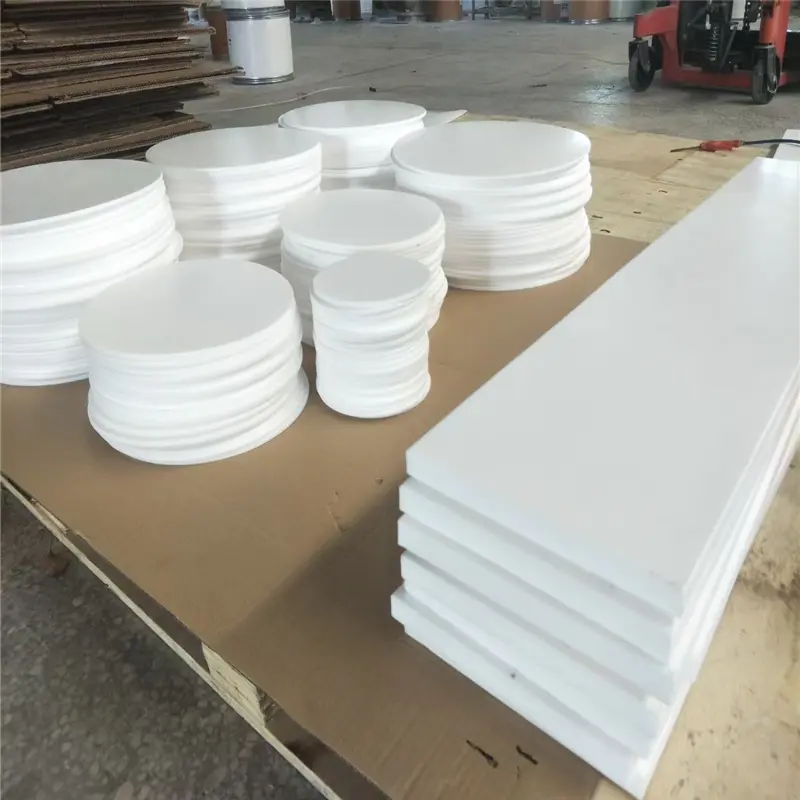
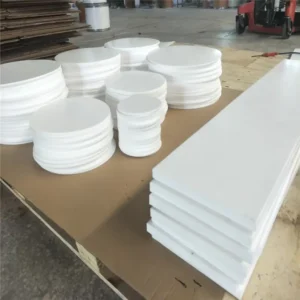
Standard sheet sizes typically range from 150 × 150 mm up to 2000 × 2000 mm, with thicknesses from 1.0 mm to 35 mm. Dimensional tolerances are commonly controlled within ±0.30 mm to ±0.60 mm. Custom lengths, widths and thicker sheets can be produced; maximum thicknesses up to 50 mm are possible in specific processes.
Installation and Handling Recommendations
-
Prepare and machine contact surfaces flat to ensure proper sealing and fit.
-
Use alignment/through-bolting during fixation to prevent fastener misalignment.
-
Perform hydraulic pressure tests and spark testing after installation to inspect for leaks in sealing applications.
-
When idle, cover sheets with plastic film to prevent contamination and surface damage.
Frequently Asked Questions
-
How to distinguish virgin PTFE from reprocessed PTFE?
Virgin teflon sheets exhibit a uniform, smooth surface free of inclusions; typical density ≥ 2.10 g/cm³. Reprocessed material often shows porosity or reduced mechanical strength (indicative). -
Which aggressive media can it withstand?
Concentrated sulfuric acid, sodium hydroxide and most organic solvents are tolerated by virgin PTFE. -
Can thickness tolerances be tightened?
Precision turned sheets can often achieve tolerances within ±0.20 mm. -
Will PTFE age or fail after long service?
PTFE does not undergo conventional polymer ageing; under normal operating conditions a service life of 10+ years is realistic. -
Is periodic maintenance required?
Inspect surface wear and sealing condition every 6 months; no special maintenance is normally required.
Conclusion and Engineer Recommendations
Virgin PTFE sheet, owing to its high purity and consistent properties, is the preferred choice for demanding industrial sealing, sliding and insulating applications. Recommendations:
-
Prioritize dielectric strength and continuous service temperature when selecting material rather than price alone.
-
Use molded sheets for conformal or curved installations and turned (machined) sheets for precision components.
-
Store away from direct sunlight and excessive humidity to prevent slight dimensional changes.