
Metal Bellows Seal — Springless Mechanical Seal for High-Demand Applications
Key product keywords
metal bellows seal, bellows mechanical seal, springless seal, metal diaphragm seal, mechanical seal for pumps, fiberglass square tube (note: unrelated product term sometimes used by catalog systems; do not confuse with metal bellows seals)
Overview — What is a Metal Bellows Seal?
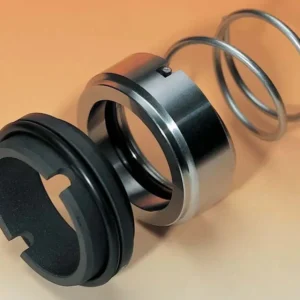
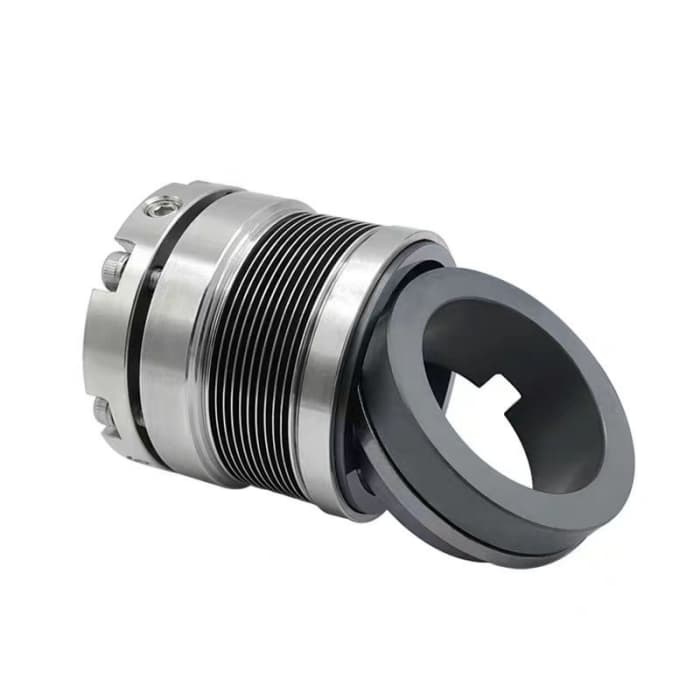
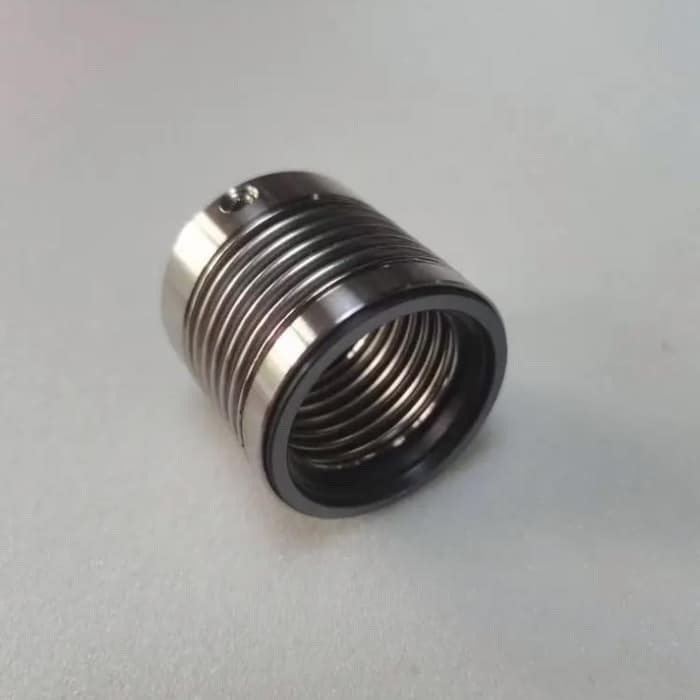
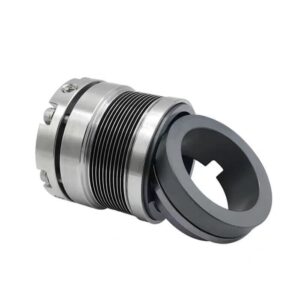
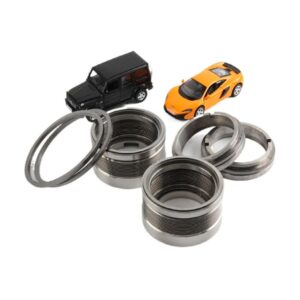
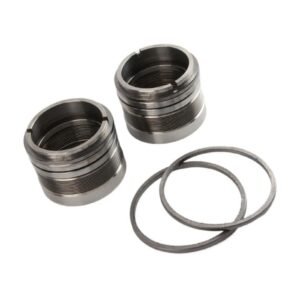
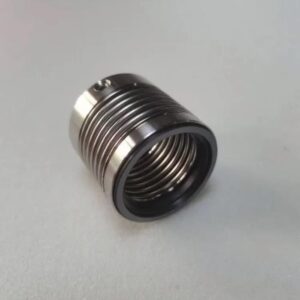
A metal bellows seal (also called a metal diaphragm seal or bellows mechanical seal) uses a formed metal bellows to provide axial spring force and dynamic compensation between the rotating and stationary faces. Because the bellows replace traditional coil springs, these seals perform exceptionally well in applications where elastomers or springs could fail — for example high temperature, vacuum, cryogenic, or strongly corrosive services.
Primary benefits at a glance
-
Springless design → no spring corrosion or lock-up
-
Excellent for thermal cycling and pressure shocks
-
Tight leakage control (mechanical face options: SiC, TC, C)
-
Compatible with a wide range of media and temperatures
How it Works — Principle & Components
Principal components
-
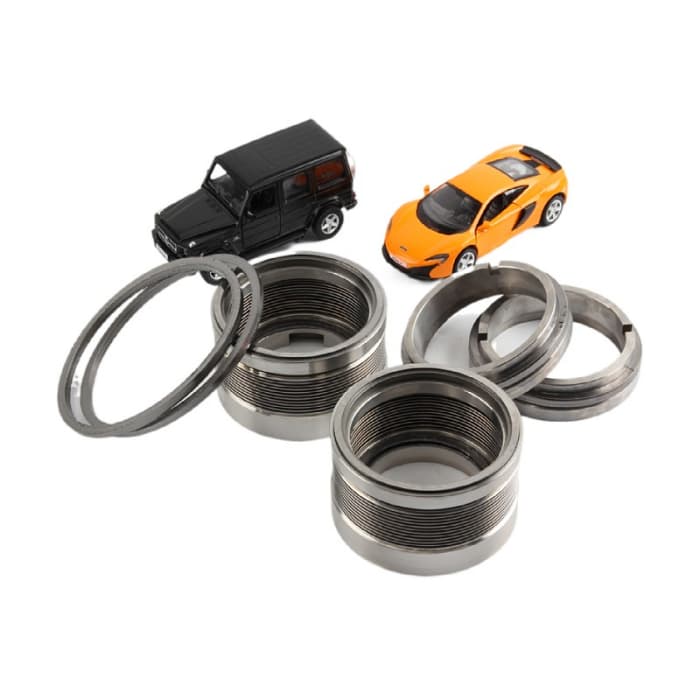
Bellows element (formed from stainless or nickel alloys) — provides axial preload and flexibility.
-
Rotating face — typically silicon carbide (SiC) / tungsten carbide (TC) / carbon.
-
Stationary seat — ceramic, SiC, or hardened metal.
-
Secondary seals — FKM (Viton), EPDM, PTFE (materials selected by medium).
-
Hardware & gland — stainless steel 304/316 or higher alloys (Inconel, Hastelloy) where required.
Operating principle
The formed metal bellows applies a controlled axial load to maintain contact between primary faces. As the shaft moves through thermal expansion or pressure changes the bellows flexes to maintain sealing contact, preventing dry running or face damage in many transient conditions.
Applications — Where Metal Bellows Seals Excel

Centrifugal pumps for chemical processing (corrosive acids, solvents)
-
Cryogenic pumps and compressors (liquefied gases)
-
High-temperature process pumps (steam, hot oils)
-
Agitators and mixers in pharmaceuticals & food processing (with appropriate face/secondary choices)
-
Vacuum systems and condensers where low-leakage is critical
-
Turbo-machinery and specialized compressors
Materials & Construction Options
Bellows materials (typical)
-
316L / 1.4404 stainless steel — general chemical compatibility and economy.
-
Inconel 625 / Inconel 718 — high-temperature, chloride resistance.
-
Hastelloy C276 / C22 — strong corrosion resistance for aggressive chemistries.
-
Monel — seawater and sulfide environments.
Face materials (typical combinations)
-
SiC vs SiC — high wear resistance, recommended for abrasive and high-temp.
-
Tungsten carbide vs carbon — good for high pressure and sliding wear.
-
Carbon vs SiC — cost-effective for many pump services.
Secondary seals / elastomers
-
FKM (Viton): up to ~200°C, good chemical resistance
-
EPDM: good for steam/water, not for many hydrocarbons
-
PTFE: excellent chemical resistance, wide temperature range (subject to mechanical limits)
Technical specifications
Note: These are industry-typical ranges. Final design depends on material selection, face pairing, and service conditions. Contact us for certified design data and pressure/temperature curves.
| Item | Typical Range / Example |
|---|---|
| Shaft diameter (d) | 6 mm — 100 mm (common off-the-shelf); custom sizes up to 200 mm |
| Operating pressure | Vacuum — ≤ 25 bar (2.5 MPa) typical; specialized designs available to 40+ bar on request |
| Temperature range | -40°C to +250°C typical; cryogenic or >250°C designs available with special alloys |
| Leakage | < 50 ml/hr typical (depending on face materials & balance) |
| Rotation speed | Up to 3600 rpm typical; higher rpm with dynamic balancing & custom design |
| Face balance | Unbalanced / Balanced options depending on pressure and torque |
| Materials (bellows) | 316L, Inconel 625, Hastelloy C276, Monel |
| Face materials | SiC/SiC, SiC/Carbon, TC/Carbon |
| Secondary seals | FKM, EPDM, PTFE |
Common sizes & dimensional
| Model sample | Shaft (d) | Seal OD (approx.) | Face width | Typical mounting type |
|---|---|---|---|---|
| MB-12 | 12 mm | 32 mm | 10 mm | Cartridge / In-place |
| MB-20 | 20 mm | 42 mm | 12 mm | Cartridge / Clamp |
| MB-25 | 25 mm | 50 mm | 12 mm | Cartridge |
| MB-40 | 40 mm | 70 mm | 14 mm | Cartridge / Gland |
| MB-65 | 65 mm | 110 mm | 16 mm | Custom gland |
(These are representative dimensions. We provide full 2D/3D drawings for manufacturing acceptance.)
Advantages — Why choose metal bellows seals
-
Springless reliability — no spring corrosion/locking under thermal cycling.
-
Low leakage — precision faces and stable preload reduce emissions.
-
Wide compatibility — select bellows and face materials for highly corrosive or high-temperature media.
-
Good for vacuum & cryogenic — bellows designs can be specialized for extreme temperatures.
-
Compact cartridge options — reduces assembly time and installation error for OEMs.
Metal Bellows vs Other Seal Types — Comparison Table
| Feature | Metal Bellows Seal | Elastomer Bellows / O-Ring Seal | Cartridge Mechanical Seal (spring) |
|---|---|---|---|
| Spring corrosion risk | None (springless) | Low to medium (depends) | Medium (spring exposed) |
| High-temp performance | Excellent (with alloy bellows) | Limited by elastomer | Good (depends on spring material) |
| Chemical compatibility | Excellent (alloy options) | Limited by elastomer chemical resistance | Variable |
| Thermal cycling | Excellent | Poor to fair | Fair (spring may fail) |
| Ease of installation | Moderate (cartridge available) | Easy | Easy (cartridge) |
| Typical leakage | Low | Medium | Low |
| Cost | Mid–high | Low–mid | Mid |
Installation & Maintenance
Installation tips
-
Always install with clean, undamaged shaft and correct concentricity (<0.05 mm runout recommended).
-
Use recommended lubricant for assembly; avoid contamination of primary faces.
-
For cartridge type, align carefully and torque flange bolts per drawing.
Inspection & maintenance
-
Check secondary seals and bellows for visible damage every scheduled outage.
-
Monitor vibration & temperature; unusual rise can indicate face wear or misalignment.
-
Replace product if leakage exceeds agreed limits or after specified running hours per service conditions.
E-E-T-A Information
-
Experience: Our engineering team includes field and OEM application engineers with combined experience in rotating-equipment sealing solutions. We design bellows and face pairings for chemical, petrochemical and cryogenic industries.
-
Expertise: Materials selection follows corrosion charts and API/ISO guidance; face pairing and balance calculations are performed for each service condition.
-
Authoritativeness: We provide full material certificates (EN/ASTM), hydrostatic and leakage test reports with each seal delivery; third-party inspection available on request.
-
Trustworthiness: Every seal is serial-marked and traceable; standard QA includes dimensional inspection, face runout test, and pressure/leak testing before shipment. Customer references and case studies for pump OEMs and chemical plants available upon request.
FAQ
Q1: What is the expected service life of a metal bellows seal?
A: Service life depends on operating conditions (speed, pressure, abrasive content). Under typical clean pump service, life often exceeds 5 years; in abrasive or high-temp services, inspect regularly. We provide design life estimates after reviewing operating parameters.
Q2: Can metal bellows seals be used for vacuum service?
A: Yes — metal bellows seals with appropriate face materials and balance are well suited for vacuum and low-pressure applications.
Q3: Are metal bellows seals suitable for food/pharma?
A: With FDA/USP compliant secondary materials (e.g., PTFE) and hygienic metals, metal bellows seals can be configured for food and pharma uses. We recommend sanitary housings and finish options.
Q4: How much leakage should I expect?
A: Typical leakage for well-matched face materials is <50 ml/hr under moderate pressures; for near-zero leakage (e.g., API or containment requirements) we offer double seal configurations. Final numbers provided in datasheet based on face pairing and pressure.
Q5: Is there a “drop-in” replacement for my current spring mechanical seal?
A: Often yes, but we require shaft/gland dimensions and running conditions to confirm. We provide engineering evaluation and custom cartridges where needed.
Ordering & Customization
We offer:
-
Standard catalogue sizes for fast delivery.
-
Custom bellows metallurgy and face pairings for aggressive media.
-
Cartridge assemblies for quick replacement.
-
Testing options: hydrostatic, helium leak, torque measurement, and third-party witness.
How to order: Provide shaft diameter, gland type, operating pressure & temperature, media description, and any material exclusions. We will return a drawing, model recommendation, price and lead time.
Contact
Company: AoHong Group — Hengshui Aohong (Seals & Engineered Components)
Sales & Technical Inquiry:
-
Email: sales@aohongglobal.com (for datasheet requests and fast quotes)
-
Phone: +(86) 153 7318 1024 (please replace with your official number)
-
Website / Catalog: full-mechanical-seals-catalogue.pdf