
1. Service Condition Data
Before selecting, record these five parameters:
Media composition and concentration – e.g., dilute vs. concentrated sulfuric acid; confirm if fluoride ions are present.
Operating temperature range and fluctuation – steady-state vs. frequent start-stop cycles.
Operating pressure – determines glass thickness and strength rating.
Solid particles or crystalline deposits – cause abrasion and reduce transmittance.
External environment – humidity, salt spray, UV affect seal and flange materials.
Without this data, any material recommendation lacks foundation.
2. Sight Glass Material Comparison
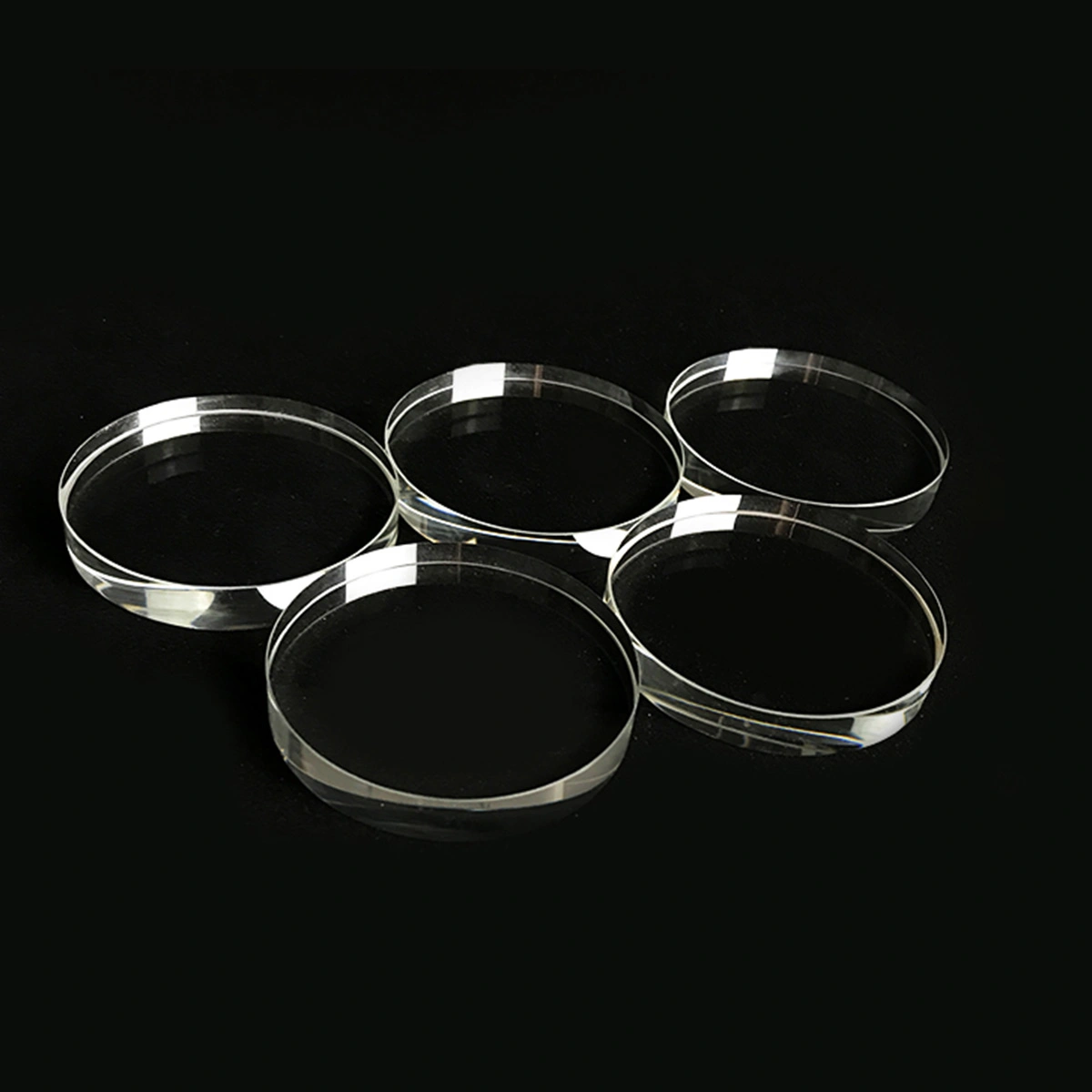
Four glass types are commonly used. Key points:
Soda-lime glass – Low cost, poor corrosion and thermal shock resistance. Only for ambient, neutral media. Not for acid/alkali service.
Borosilicate glass – The standard choice for most acid and alkali sight glass applications. Excellent acid resistance, good alkali resistance.
Tempered: max 280°C
Non-tempered: max 450°C
Not suitable for hydrofluoric acid or high-temperature (>100°C) concentrated (>30%) alkalis.
Aluminosilicate glass – Higher mechanical strength than borosilicate; pressure ratings ≥6.4 MPa, max 400°C. Choose when high pressure is critical and corrosiveness is moderate. Not for HF or strong alkalis.
Quartz glass – Best overall performance: max 800°C+, excellent chemical resistance, lowest thermal expansion. Use for extreme high-temperature acid service or severe thermal cycling. High cost.
Quick Reference Table
| Material | Acid Resistance | Alkali Resistance | Max Temp. | Best For |
| Soda-lime | Poor | Poor | ≤150°C | Neutral media only |
| Borosilicate (tempered) | Excellent | Good | ≤280°C | General acid/alkali processes |
| Borosilicate (non-tempered) | Excellent | Good | ≤450°C | High-temp observation |
| Aluminosilicate | Good | Fair | ≤400°C | High-pressure service |
| Quartz | Excellent | Good | ≥800°C | Extreme high-temp corrosion |
3. Sealing and Installation
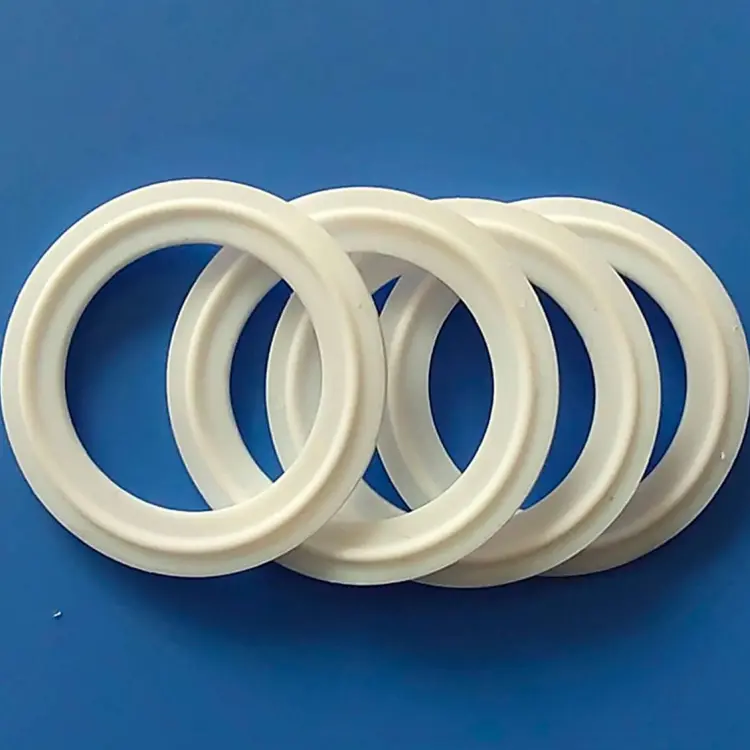
Seal material: PTFE is preferred for acid and alkali service (up to 260°C). Above 260°C, use flexible graphite composite if compatible. Never use standard rubber gaskets.
Installation key points:
Flange faces must be flat and clean.
Tighten bolts in a diagonal cross pattern with correct torque.
Inspect glass for cracks, chips, bubbles before installation.
Avoid bending or torsional stress on the glass after installation.
4. Special Service Conditions
Hydrofluoric acid / fluoride media: All silicate glasses are attacked. Install a mica protective disc on the media side. Quartz glass is also etched at high concentrations.
High-temperature concentrated alkali: Slowly attacks borosilicate glass. Use mica protective disc or switch to quartz glass. No glass is permanent here.
Slurries with solid particles: Increase glass thickness, use aluminosilicate, apply hard coating, or add a flushing ring.
Thermal shock: Select borosilicate or quartz for low thermal expansion. Avoid rigid constraint around the glass.
5. Maintenance
Inspect regularly for cracks, scratches, haze, and edge penetration.
Check flange connections for leak signs (crystals, stains, odor).
Keep service life records for each sight glass.
Clean chemically; never use metal scrapers or abrasives.
6. FAQ
Q1: Borosilicate vs. aluminosilicate – how to choose?
Choose borosilicate when corrosion is the main factor; choose aluminosilicate when high pressure is the main factor.
Q2: What sight glass material is best for acidic media above 300°C?
Tempered borosilicate is limited to 280°C. Use non-tempered borosilicate (≤450°C) or quartz glass (800°C+).
Q3: Which glass must never be used in hydrofluoric acid?
All silicate glasses. Only a mica protective disc is reliable.
Q4: What gasket material should be used for acid sight glass?
PTFE, up to 260°C. Above that, flexible graphite if compatible.
Q5: What causes sight glass hazing and how to fix it?
Deposition can be chemically cleaned; chemical attack is irreversible and requires material upgrade or protective layer.
Q6: What is the maximum temperature for borosilicate sight glass?
280°C for tempered, 450°C for non-tempered.
Conclusion
Sight glass selection for acid and alkali service is a systems task. Glass material, seals, installation, and maintenance all determine service life. Base selection on complete service data—not on guesswork.
Recommended Products
