
A chemical plant had multiple reactors with circular sight glasses. In process media containing trace fluoride and high-temperature phosphoric acid, the sight glasses frequently showed surface pitting, devitrification, microcracks, and breakage. Inspection or replacement was needed every 7 days on average, causing unplanned shutdowns, corrosive media leakage risk, and high maintenance costs. On-site investigation found that the original borosilicate circular sight glasses were attacked by the media in hydrofluoric acid and high-temperature phosphoric acid service, accelerating degradation of the glass structure. Uneven bolt tightening during installation and frequent thermal cycling further increased failure risk. By upgrading the sight glasses to high-purity quartz circular sight glasses and optimizing gasket selection, bolt torque, installation procedures, and inspection criteria, the plant extended the sight glass inspection interval from 7 days to 30 days, cut annual maintenance costs by about 42%, and completely solved the frequent breakage problem.
1. Background and Problem
The plant operates multiple reactors equipped with sight glasses for producing fluoride-containing intermediates, phosphate ester products, and other fine chemicals. Key operating conditions are as follows:
- The media contains trace hydrofluoric acid and high-temperature phosphoric acid, with temperatures ranging from about 120–180 °C.
- Intermittent pH fluctuations occur during reactions; some processes switch between acidic and weakly alkaline conditions.
- Sight glasses are installed on reactor tops and side walls, withstanding pressure, thermal cycling, and mechanical vibration.
- The original sight glasses were all standard borosilicate circular sight glasses.
The following issues occurred during operation:
1.White hazy devitrification appeared on the sight glass surface, reducing light transmittance and affecting process observation.
2.After weeks to months in service, pitting and microcracks appeared on the glass surface; some sight glasses broke without external impact.
3.Each replacement required shutdown, pressure release, and flange disassembly, taking several hours to a full day and disrupting production continuity.
4.Corrosive media leakage posed burn risks to operators and could contaminate product batches.
5.Maintenance staff frequently replaced borosilicate sight glasses of the same specification, but failures kept recurring and lifecycle costs continued to rise.
The plant initially attributed the problem to glass quality variations or over-tightening. It replaced several batches of borosilicate sight glasses and used torque wrenches, but breakage still occurred irregularly and frequently. This showed that the original glass material had reached its performance limit under the combined chemical corrosion and thermal cycling conditions.
2. Root Cause Analysis
2.1 Insufficient Chemical Compatibility of the Material
In hydrofluoric acid and high-temperature phosphoric acid service, some components of the original sight glass react with the media, causing surface attack and progressive structural breakdown. The higher the glass purity, the better the corrosion resistance. Quartz glass is far purer than standard borosilicate glass and performs better under combined trace hydrofluoric acid and high-temperature phosphoric acid. However, quartz glass is not a universal solution; at high hydrofluoric acid concentrations, special linings or non-glass solutions are still required. This case involves combined trace hydrofluoric acid and high-temperature phosphoric acid, making quartz glass an effective choice that balances corrosion resistance, temperature resistance, transparency, and cost.
2.2 Added Mechanical Stress During Installation
During sight glass installation, uneven bolt tightening or excessive torque creates bending loads inside the glass. Even if no breakage occurs at the time, invisible microcracks can form. These microcracks become initiation points for corrosive media penetration and crack propagation. Old gasket debris, scratches on flange sealing surfaces, or chipped glass edges also cause localized stress concentration.
2.3 Frequent Thermal Cycling
During reactor startup/shutdown, charging, and cleaning, sight glasses undergo repeated heating and cooling. Glass develops thermal stress when temperature changes abruptly. Even with a low coefficient of thermal expansion, a large instantaneous temperature difference can still generate significant stress. When thermal stress combines with chemical corrosion, existing microscopic defects in the glass rapidly propagate, ultimately causing breakage.
2.4 Material Selection Did Not Match Actual Service
The original service was matched only by standard pressure and temperature ratings using ordinary borosilicate sight glasses. The chemical properties of the media, hydrofluoric acid content, phosphoric acid temperature, and thermal cycling frequency were not fully evaluated. After long-term operation, the glass material had reached its limit, but the same glass consumable specification continued to be used instead of being upgraded in time to quartz designed for highly corrosive and high-thermal-shock environments.
3. Engineering Solution and Selection Rationale
3.1 Material Change — High-Purity Quartz Circular Sight Glass
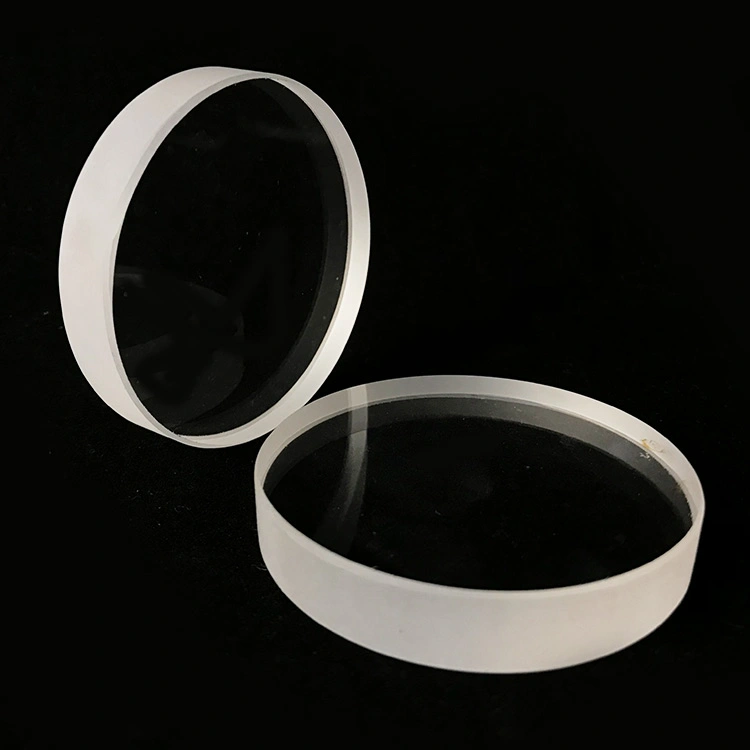
All high-risk reactor sight glasses were upgraded to high-purity quartz circular sight glasses with SiO₂ content ≥ 99.95%. Quartz glass offers the following advantages:
- Very low coefficient of thermal expansion, about 0.5 × 10⁻⁶/°C;
- Long-term service temperature up to 1100 °C; short-term resistance to 1400 °C;
- Inert to most acids except hydrofluoric acid and hot phosphoric acid;
- Significantly better corrosion resistance than borosilicate glass under trace HF and high-temperature phosphoric acid;
- High optical transmittance, stable light transmittance over long-term use, and clear observation of liquid level and reaction status.

3.2 Interface and Accessory Optimization
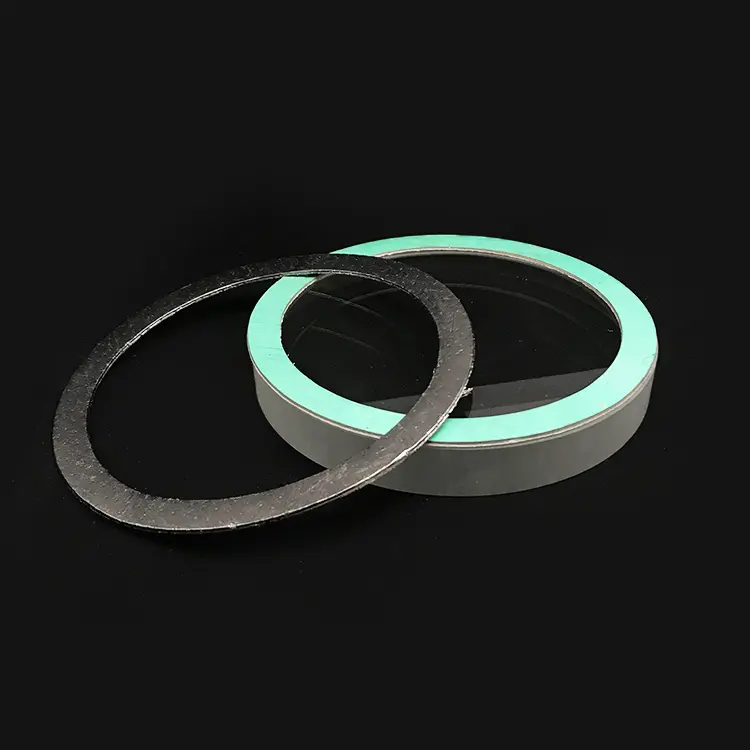
Retain the original sight glass body and metal frame, and custom-make quartz circular glass with the same dimensions and pressure rating. At the same time, switch to flexible graphite/metal composite gaskets or PTFE gaskets, and specify strict diagonal bolt preload torque values to eliminate additional installation stress on the glass.
3.3 Startup/Shutdown and Heating Procedure Fine-Tuning
Although quartz glass has strong thermal shock resistance, a standardized preheating procedure was introduced from an operational standpoint:
- At startup, slightly open the bypass warm-up valve to heat the sight glass uniformly from ambient temperature to above 100 °C within 10–15 minutes;
- Then slowly introduce main steam or heating medium;
- During shutdown, do not drain the sight glass cavity directly; maintain slight pressure for natural cooling;
- Keep the heating rate below 5 °C/min.
This measure mainly protects metal sealing surfaces and gaskets and further eliminates uncontrolled manual thermal shock.
3.4 Why Quartz Instead of Other Options
Compared with continuing to use borosilicate sight glasses with external insulation jackets, metal protective covers, or frequent replacement, quartz circular sight glasses deliver a fundamental material performance upgrade without adding complex accessories. Their corrosion resistance and thermal shock data are quantifiable and reproducible, supply channels are mature, cost increase is limited, and there is no loss of transparent visibility. For fluoride-containing and high-temperature phosphoric acid service, quartz glass achieves the best balance among transparency, temperature resistance, and chemical stability.
4. Implementation Steps
4.1 Equipment Assessment and Specification Confirmation
Verify the design parameters and actual operating conditions of the reactor sight glasses, measure installation dimensions, and select matching quartz circular sight glasses to ensure pressure rating and interface compatibility.
4.2 Isolation, Draining, and Replacement Installation
Close the relevant valves, release pressure, and drain to ambient temperature. Remove the old sight glass and gasket, clean the sealing surface, install the new quartz sight glass and composite gasket, and tighten evenly to the specified torque, ensuring uniform gasket loading with no point contact.
4.3 Trial Run and Thermal Shock Verification
For first startup, preheat first, warm up at low pressure, control the heating rate, and check for leaks. Then gradually increase pressure for operation, simulate thermal cycling and rapid discharge, verify the thermal shock resistance of the quartz sight glass, and record conditions throughout.
4.4 Documentation and Standardization
Record the sight glass specification, batch, installation date, and torque values in the equipment file, update inspection and replacement criteria, and list the quartz sight glass as the specified consumable for this service.
5. Results
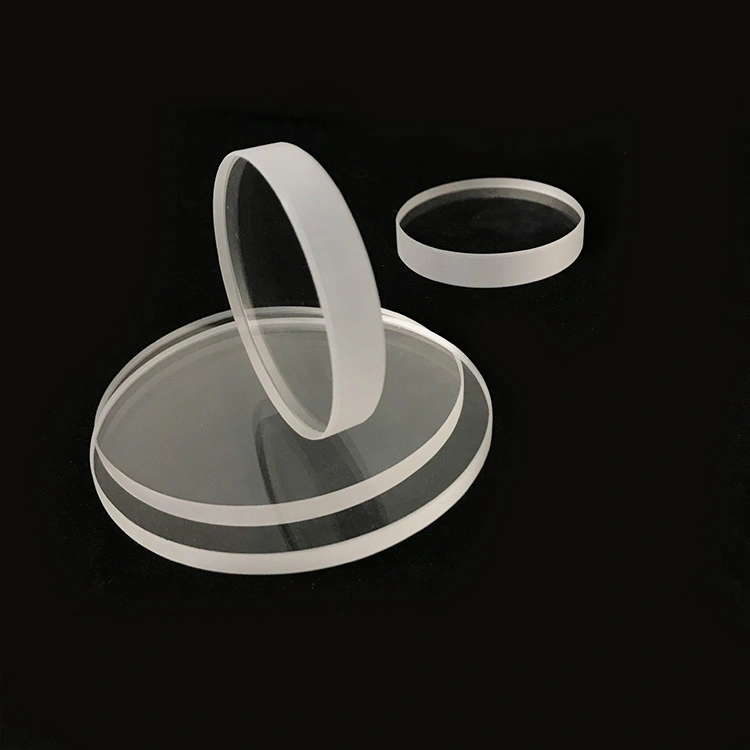
After full replacement with quartz circular sight glasses, 8 months of continuous operation statistics showed significant improvement in sight glass performance across the reactor system:
- Sight glass breakage fundamentally improved:After more than 100 startups/shutdowns and load fluctuations, there were no cases of sight glass pitting, breakage, or crack leakage.
- Inspection interval extended:The sight glass inspection interval increased from 7 days to 30 days, reducing inspection frequency by about 77%.
- Annual maintenance costs reduced by about 42%:Mainly due to fewer sight glass replacements, shorter downtime, and lower maintenance labor.
- Improved system availability and safety:Corrosive media leakage caused by sight glass breakage was essentially eliminated, and emergency shutdowns dropped significantly.
- Improved liquid level/reaction status monitoring accuracy:Quartz sight glass light transmittance remained above 90% over the long term, providing clearer process observation than the original borosilicate sight glasses.
- Safety risks effectively reduced:Risks of hot corrosive media splashing and injury from glass fragments were essentially eliminated.
6.Lessons Learned and Best Practices
6.1 Select Glass Material Based on the Media
Borosilicate glass suits most acid and alkaline environments but has clear limits with hydrofluoric acid and high-temperature phosphoric acid. For fluoride-containing media or phosphoric acid service above 300 °C, quartz glass should be evaluated first; high-concentration hydrofluoric acid requires special solutions.
6.2 Standardize Installation Procedures
Uneven tightening, improper gasket selection, or surface contamination can introduce microcracks. Establish standardized installation work instructions and torque specifications to control failure risk at the source.
6.3 Move from Reactive Replacement to Preventive Maintenance
Sight glass corrosion is a gradual process, from devitrification to microcracks to breakage, usually with a warning window of weeks to months. Establish regular inspection and quantified replacement criteria to avoid unplanned shutdowns and safety incidents.
6.4 Focus on Lifecycle Cost
Quartz sight glasses cost more than borosilicate glass, but in highly corrosive service their service life is significantly longer, and downtime losses and maintenance labor are greatly reduced. In this case, total annual maintenance cost actually dropped by 42%.
Frequently Asked Questions (FAQ)
Q1: Can quartz circular sight glasses be used in hydrofluoric acid service?
A: Quartz glass offers significantly better corrosion resistance than borosilicate glass to trace hydrofluoric acid and high-temperature phosphoric acid, but it is not suitable for high-concentration hydrofluoric acid. Before selection, evaluate HF concentration, temperature, and contact time. For high-concentration HF service, special linings or non-glass solutions are recommended.
Q2: What are the main differences between quartz sight glasses and borosilicate sight glasses?
A: Quartz sight glasses have SiO₂ content ≥ 99.95%, contain almost no alkali metal oxides or B₂O₃, have a lower coefficient of thermal expansion, higher temperature resistance, and better corrosion resistance in fluoride-containing and high-temperature phosphoric acid service. Borosilicate sight glasses cost less and suit conventional acid-base service.
Q3: What is the maximum service temperature of quartz circular sight glasses?
A: High-purity quartz glass has a long-term service temperature up to 1100 °C, short-term resistance to 1400 °C, and a coefficient of thermal expansion of about 0.5 × 10⁻⁶/°C.
Q4: What should be noted when installing quartz sight glasses?
A: Use a torque wrench to tighten evenly in a diagonal sequence, avoiding over-tightening or uneven loading. Select PTFE, graphite, or metal composite gaskets based on temperature. Clean sealing surfaces before installation and avoid scratches and debris.
Q5: What is the replacement interval for quartz sight glasses?
A: In fluoride-containing and high-temperature phosphoric acid service, inspect every 30 days and record light transmittance, pitting, and microcracks. When light transmittance drops by more than 20% or surface pitting depth exceeds 0.1 mm, schedule planned replacement.
