
Fiberglass reinforced plastic (FRP) is widely used in chemical processing, water treatment, oil & gas, and marine industries because of its corrosion resistance, high strength-to-weight ratio, and low lifecycle cost. However, even the best FRP products can fail prematurely if they are not installed and maintained correctly.
This guide covers essential FRP installation and maintenance practices for tanks, pipes, grating, and structural profiles. Whether you are an EPC contractor, plant engineer, or maintenance manager, these recommendations will help you maximize service life and avoid costly downtime.
Why Proper FRP Installation Matters
FRP is an engineered composite. Unlike steel, it is anisotropic—its mechanical properties vary with fiber orientation. Incorrect cutting, drilling, or supporting can create stress concentrations, delamination, or micro-cracks that lead to early failure.
Common installation mistakes include:
Over-tightening bolts on FRP flanges
Cutting FRP panels without sealing cut edges
Using steel supports without isolation pads
Exceeding recommended pipe support spacing
Walking on unsecured FRP grating panels
Following the manufacturer’s installation guidelines is critical. The steps below apply to most industrial FRP products.
Pre-Installation Planning and Safety
Before starting any FRP installation, complete these preparation steps:
Review engineering drawings and specs
Confirm dimensions, fiber orientation, resin type, and design pressure/temperature ratings.
Inspect materials on delivery
Check for cracks, delamination, surface scratches, or shipping damage. Store FRP flat, off the ground, and away from direct sunlight if possible.
Prepare tools and PPE
Use carbide-tipped or diamond blades for cutting. Workers must wear dust masks, safety glasses, gloves, and protective clothing—FRP dust can irritate skin and lungs.
Ensure proper ventilation
When cutting or grinding FRP, use local exhaust ventilation to control dust.
FRP Installation Best Practices by Product Type
FRP Tanks and Vessels
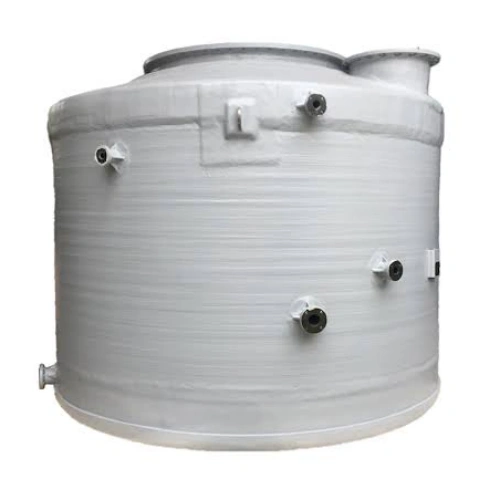
FRP tanks are often used for storing corrosive chemicals. Installation requires careful foundation preparation and lifting.
Place the tank on a flat, fully supported concrete foundation. Use a rubber or neoprene pad if specified.
Never roll or drag FRP tanks over rough surfaces.
Use nylon slings or padded lifting lugs. Do not use steel chains directly on the FRP surface.
When connecting piping, ensure no pipe loads are transferred to the tank nozzles. Use flexible connectors or expansion joints if needed.
Tighten flange bolts in a star pattern to the torque recommended by the manufacturer. Over-tightening is a common cause of flange cracking.
FRP Pipes and Ducts
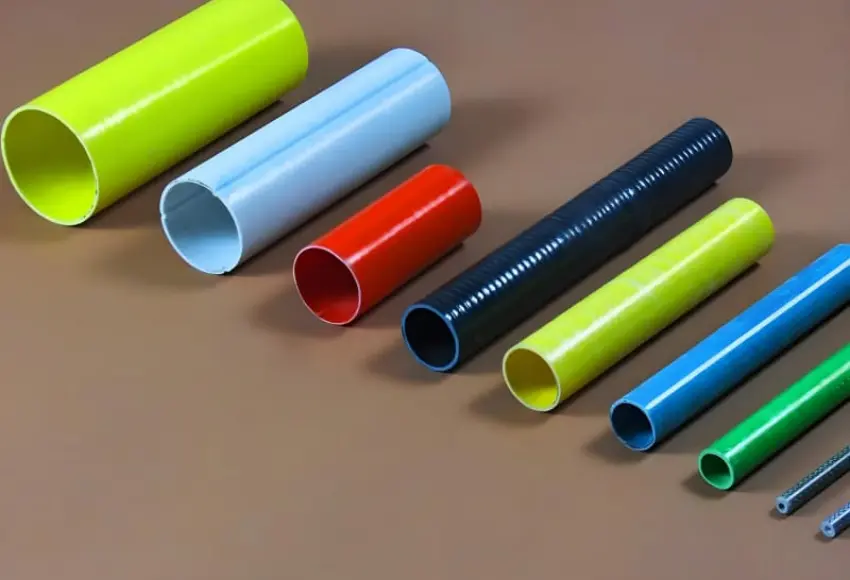
FRP pipe installation requires attention to support spacing, joint assembly, and thermal expansion.
Follow the manufacturer’s pipe support spacing chart. FRP is more flexible than steel, so supports must be closer together.
Use padded or lined supports to prevent abrasion. Avoid direct contact with steel supports.
When joining FRP pipes, clean the joint surfaces thoroughly. Apply adhesive or gasket material evenly, and follow the specified cure time before pressure testing.
Allow for thermal expansion by installing expansion loops or joints where required.
Do not use pipe wrenches or chain tongs on FRP pipe surfaces; use strap wrenches.
FRP Grating and Structural Profiles
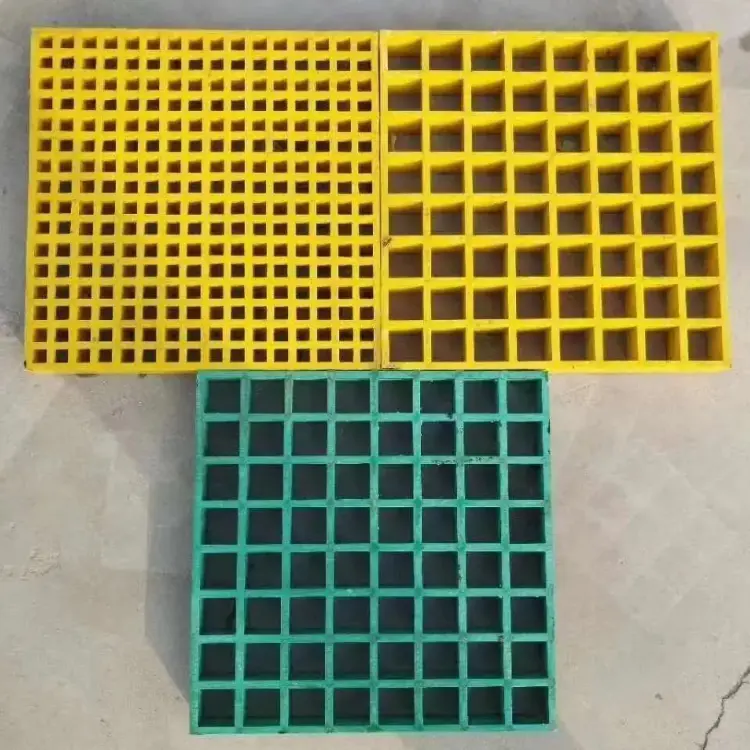
FRP grating is popular for walkways, platforms, and trench covers. Proper installation ensures slip resistance and load capacity.
Cut grating panels from the top side to avoid chipping the surface. Seal all cut edges with resin to prevent moisture ingress.
Use FRP or stainless steel hold-down clips to secure panels. Do not use carbon steel clips, which can corrode and stain the FRP.
Leave the recommended clearance between panels to allow for thermal movement.
For structural profiles, use FRP or stainless steel fasteners. If steel bolts are necessary, use isolation washers.
FRP Maintenance: Routine Inspections and Cleaning
FRP requires much less maintenance than steel, but regular inspections are still necessary. A simple preventive maintenance program can double the service life of FRP equipment.
Recommended Inspection Frequency
| Equipment Type | Visual Inspection | Detailed Inspection |
| FRP tanks | Monthly | Every 12 months |
| FRP pipes | Quarterly | Every 12–24 months |
| FRP grating | Monthly | Every 12 months |
| FRP ductwork | Quarterly | Every 12 months |
What to Check During Inspection
Surface cracks or crazing – especially around nozzles, flanges, and support points.
Delamination – tap with a coin or small hammer; a dull sound may indicate internal separation.
Discoloration or exposed fibers – signs of UV degradation or chemical attack.
Leaks or weeping – check joints, seams, and fittings.
Loose fasteners or supports – re-tighten to specified torque.
Slip resistance of grating – clean debris, oil, or chemical residues that reduce traction.
FRP Cleaning Methods
Use mild soap and water for general cleaning.
For chemical residues, use a compatible solvent recommended by the FRP manufacturer.
Avoid abrasive cleaners or steel wool, which can scratch the surface.
Pressure washing is acceptable if pressure is below 1500 psi and the nozzle is kept at least 12 inches from the surface.
Common FRP Issues and How to Fix Them
1. Surface Cracks or Crazing
Cause: Impact damage, over-tightening, or thermal shock.
Repair: Clean and dry the area. Grind a shallow V-groove along the crack, fill with resin and glass mat, then apply a topcoat.
2. Delamination
Cause: Poor bonding during fabrication or prolonged chemical attack.
Repair: Remove the damaged laminate layer, grind the area, and rebuild with new glass and resin. For large areas, contact a qualified FRP repair specialist.
3. UV Degradation
Cause: Long-term outdoor exposure without UV-stabilized resin or topcoat.
Repair: Sand lightly and apply a UV-resistant gel coat or paint.
4. Flange Leakage
Cause: Over-tightening, gasket failure, or uneven bolt load.
Repair: Replace the gasket, clean flange faces, and re-tighten in a star pattern to the correct torque.
FRP Maintenance Checklist
Here is a simple checklist you can use during routine inspections:
Check all visible surfaces for cracks, chips, or fiber exposure
Inspect flanges and joints for leaks or weeping
Tighten loose fasteners to manufacturer torque
Verify support spacing and condition of pads
Clean grating surfaces and check for slip resistance
Check for signs of UV damage or discoloration
Record any repairs and schedule follow-up inspections
Conclusion
Correct FRP installation and proactive maintenance are essential to getting the full 20–30 year service life from your fiberglass equipment. By following the best practices in this guide, you can reduce unplanned downtime, improve workplace safety, and lower total lifecycle costs.
If you need technical support for FRP installation, or you are looking for high-quality FRP tanks, pipes, grating, or custom profiles, contact our engineering team today.
[Contact Us for FRP Technical Support] → [https://www.aohongglobal.com/contact-us/]
[Browse Our FRP Products] → [https://www.aohongglobal.com/frp-product/]
