Pump Mechanical Seals — Causes of Leakage, Working Principle, Functions, and Installation
Introduction
Pump mechanical seals are indispensable components in power and fluid machinery. They are critical to machine safety. Mechanical seal leakage can result from many causes — for example issues with seal flush water, defects in the equipment itself, corrosive process media, or inadequate sealing performance. To resolve these problems effectively, one must tackle root causes in sequence: process, equipment, maintenance, and operation. Only by eliminating faults comprehensively can mechanical sealing problems be solved thoroughly and reliable pump operation be ensured.
 Practical significance of leakage analysis
In actual production, different operating and production conditions can significantly affect pump mechanical seals and may even lead to loss of basic performance. Therefore, analyzing the causes of mechanical seal leakage carries important practical and safety implications: a comprehensive root-cause analysis improves safety, machine availability, and service life. Consequently, selecting and maintaining the correct mechanical seal has always been a top priority for many enterprises.
Working principle of mechanical seals
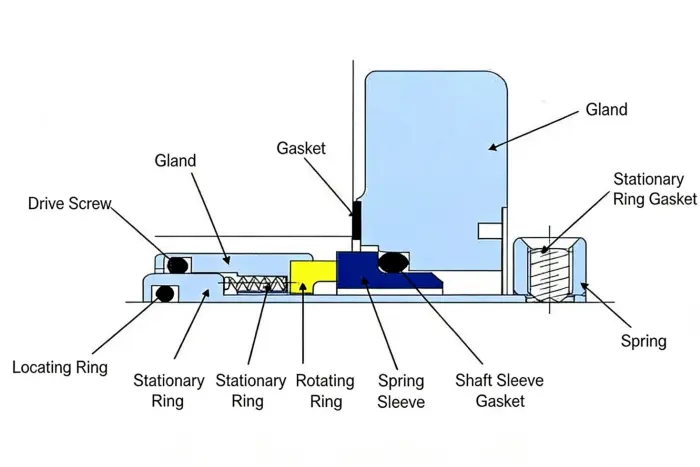
The working principle of a mechanical seal is based on two mating sealing faces that are flat and oriented perpendicular to the rotating shaft, with relative rotation between them. The contact faces — the rotating ring (rotor) and the stationary ring (stator) — are pressed together by an elastic element (such as a spring or bellows) and by the pressure of the sealed medium. This generates an appropriate closing force so the two contact faces remain tightly mated. A very thin liquid film is maintained between the end faces, which achieves the sealing effect.
 Functions and benefits of mechanical seals
 Functions and benefits of mechanical seals
-
Improve machine efficiency and reduce energy consumption
-
Reduce internal, external and through leaks, improving volumetric efficiency. For example, converting a centrifugal pump’s packing/gland to a mechanical seal has been shown to increase pump efficiency.
-
Reduce frictional losses and improve mechanical efficiency. Changing seal types (e.g., dual-face to single-face, unbalanced to balanced) or altering support arrangements can cut friction and raise efficiency.
-
Changing sealing arrangements can improve unit efficiency (e.g., switching to mechanical-seal pumps from canned pumps for motor efficiency gains; using magnetic-drive pumps where suitable).
-
Altering auxiliary systems to reduce energy loss (for example, converting self-flushing hot-oil pumps to small-impeller circulation flushing, or replacing dual-end seals with single-end seals to cut auxiliary sealing-oil consumption).
-
-
Save raw materials
-
Recover process fluids, reduce loss of steam or process fluids and lower sealing-oil consumption.
-
-
Improve machine reliability
-
Seal leakage rate and operating life determine the reliability of the shaft seal and of the machine.
-
-
Safety and environmental protection
-
Leak incidents have serious consequences. (A referenced industry survey showed leak-related accidents accounted for a notable percentage of incidents.) Process fluid leaks can also cause air, water and workplace contamination.
-
Technical points for installation and use of mechanical seals
-
Shaft radial runout should be ≤ 0.04 mm; axial shaft float must not exceed 0.1 mm.
-
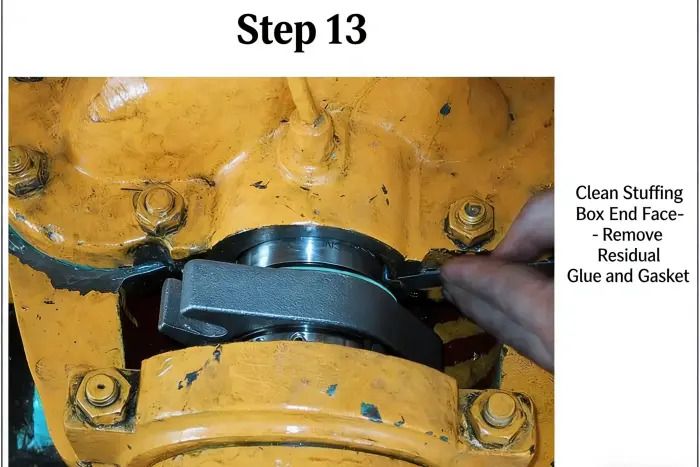
Seal areas should be kept clean during installation. Clean sealing parts; ensure sealing faces are undamaged and prevent foreign particles and dust from entering the seal area.
-
Avoid impact or hammering during installation to prevent damage to seal friction pairs and seal failure.
-
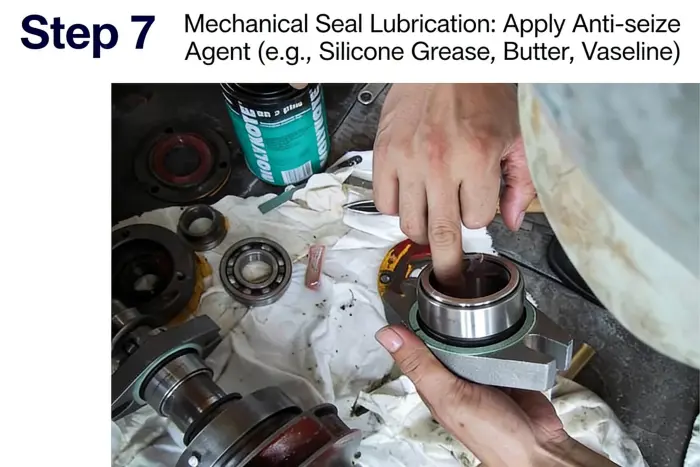
Apply a thin layer of clean machine oil to mating surfaces to facilitate smooth installation.
-
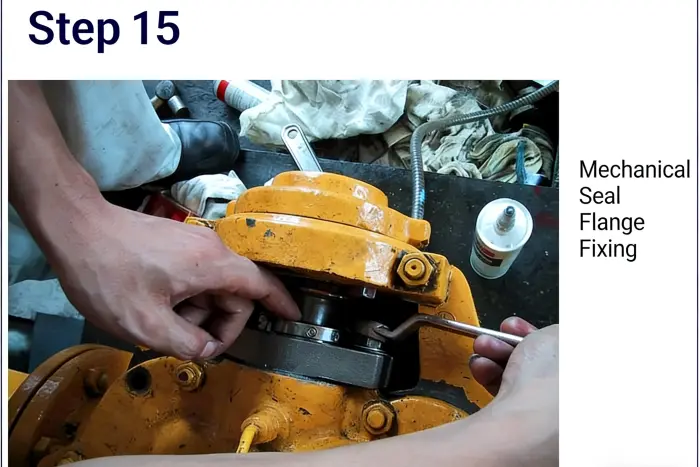
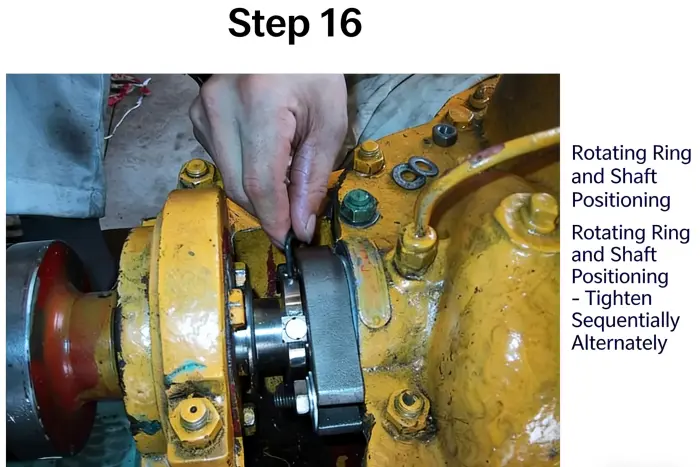
When installing the stationary ring gland, tighten screws evenly to guarantee the perpendicularity of the stationary ring face to the shaft centerline.
-
After installation, the rotating ring should be able to move freely on the shaft with slight elasticity when pushed by hand.
-
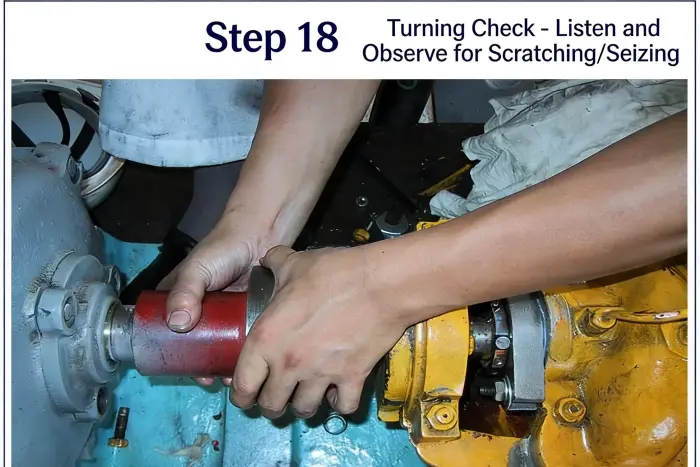
After assembly, rotate the shaft by hand; it should turn without tight or loose spots.
-
Before operation, fill the equipment with the process medium to prevent dry friction and subsequent seal failure.
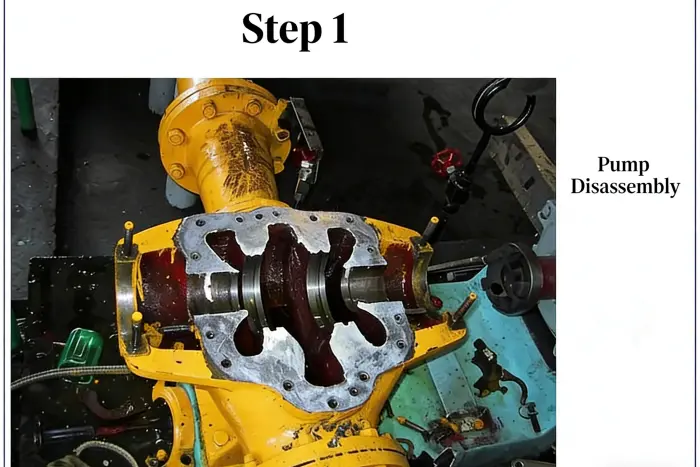
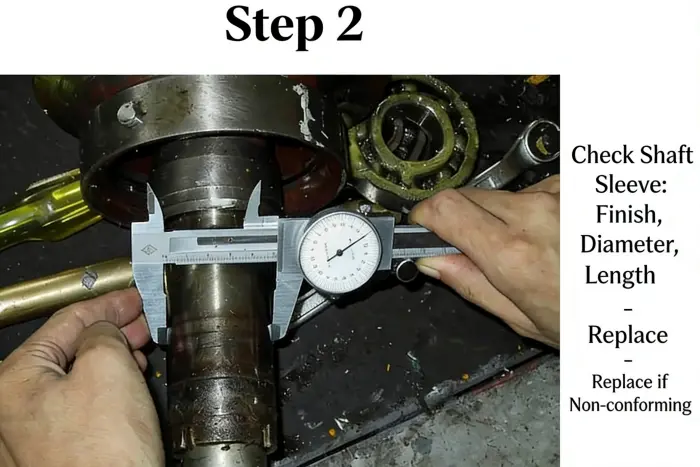
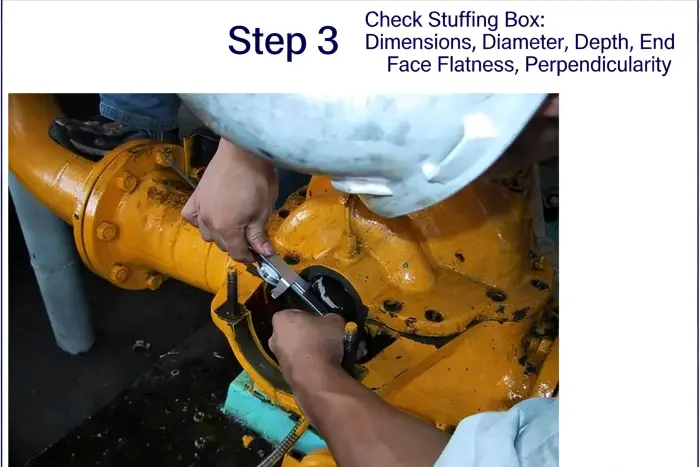
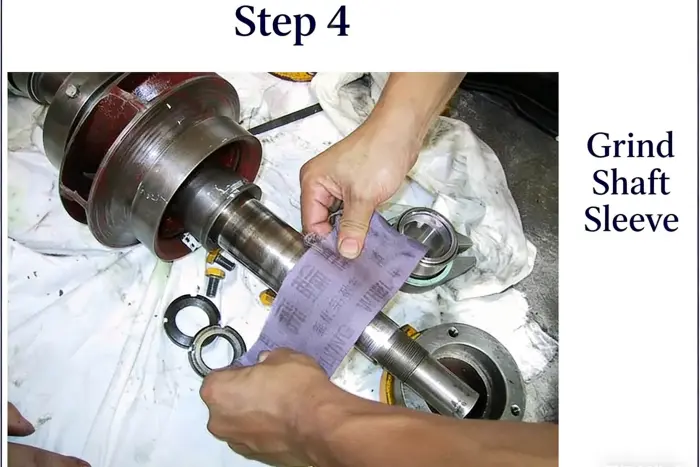
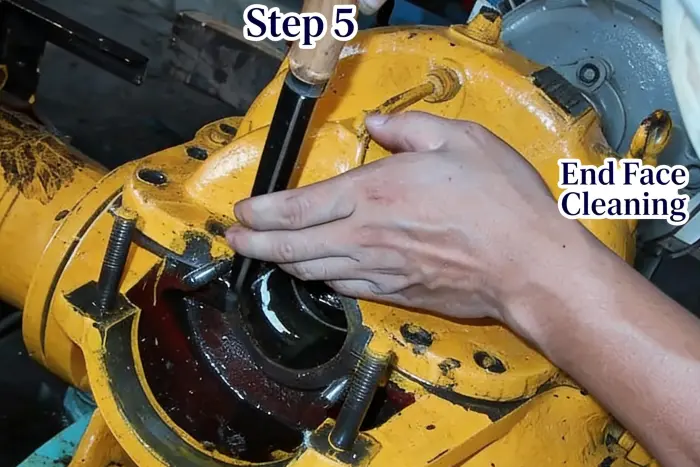
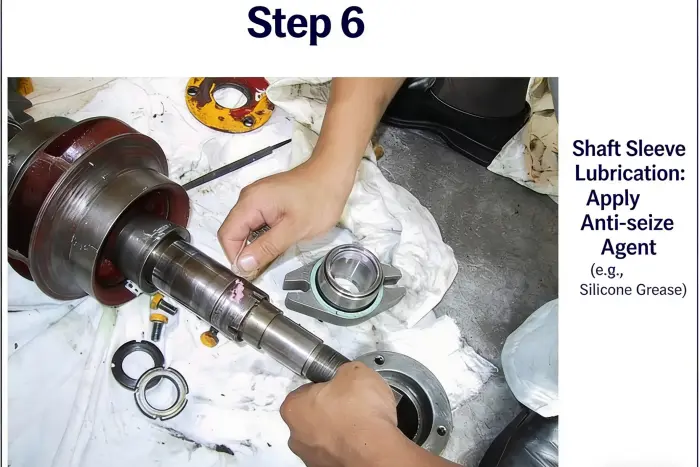
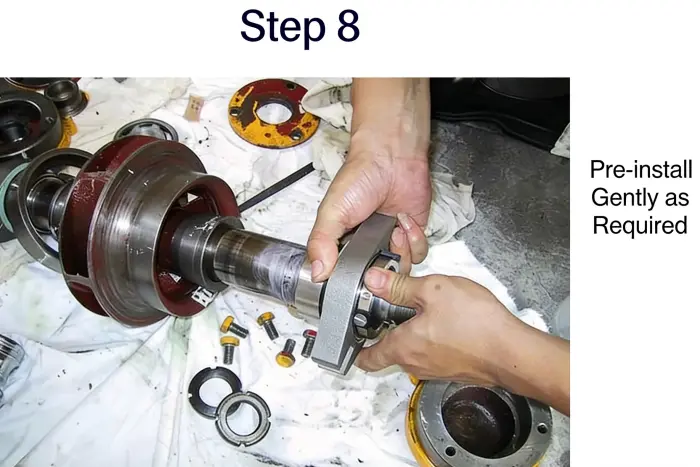
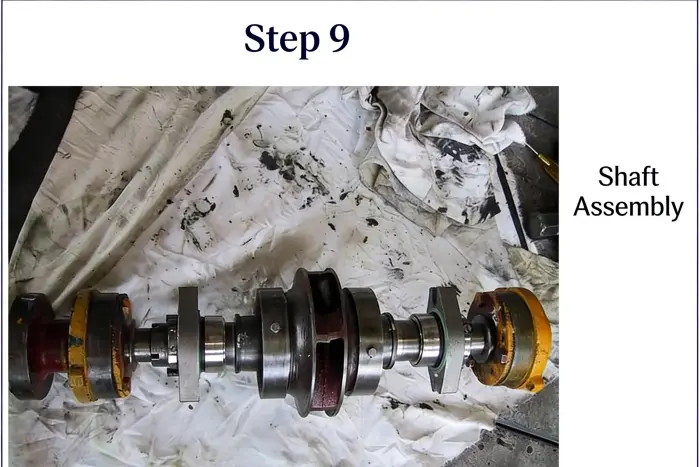
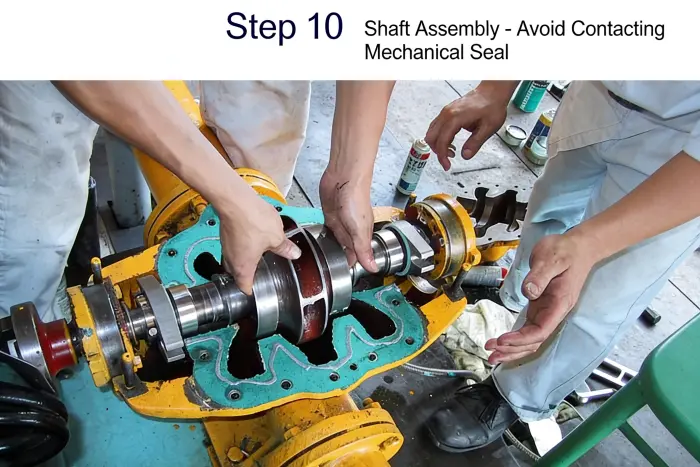
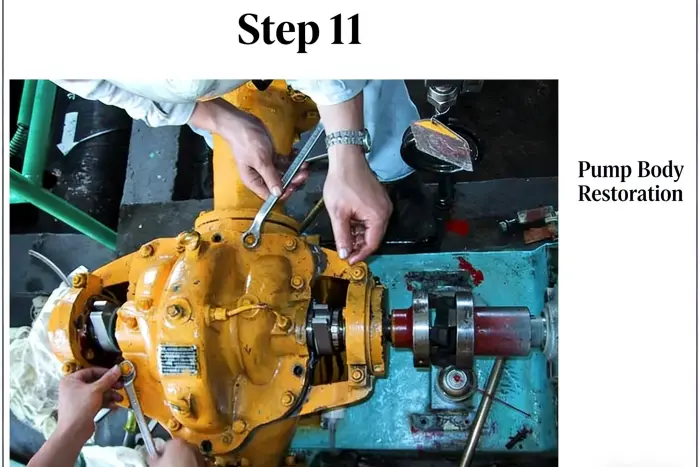
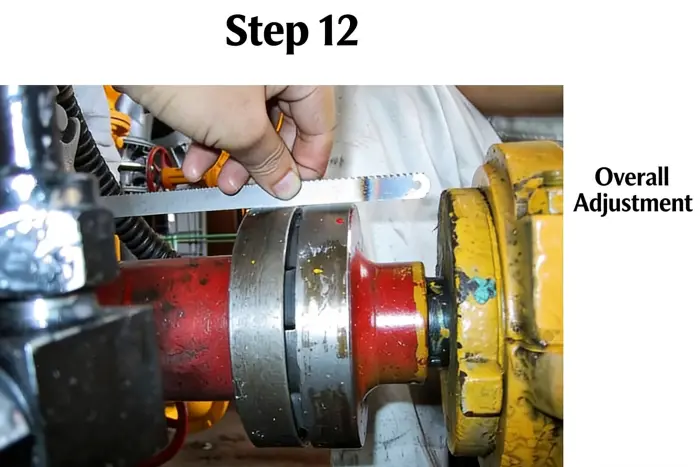
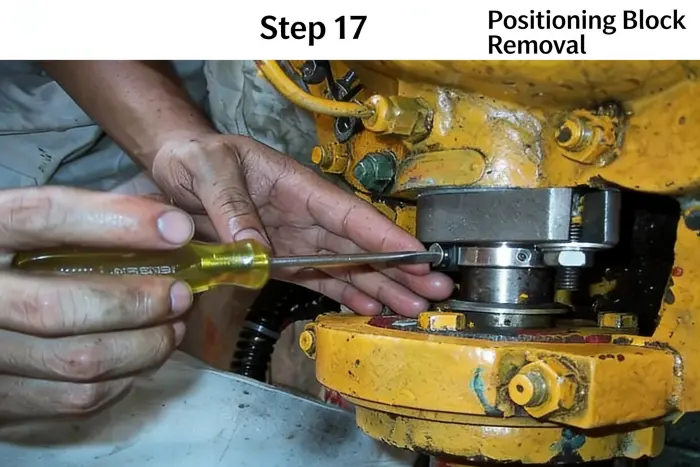
Mechanical seal installation procedure