
Insulation materials are the core foundation for energy efficiency optimization in the petrochemical, power generation, metallurgy and district heating sectors. Whether you’re wrapping steam lines or sealing furnace doors, the quality of your pipe and equipment protection directly dictates operational safety and your bottom line.
When these protective layers fail, surface temperatures spike, resulting in massive heat waste, personnel burn risks, and process instability. More critically, damaged insulation triggers a destructive chain reaction leading to Corrosion Under Insulation (CUI) and costly unplanned downtime.
At Aohong, we supply a comprehensive range of high-performance insulation materials — including fiberglass and ceramic fiber cloth, tape, and rope — designed as non-combustible, eco-friendly replacements for asbestos.
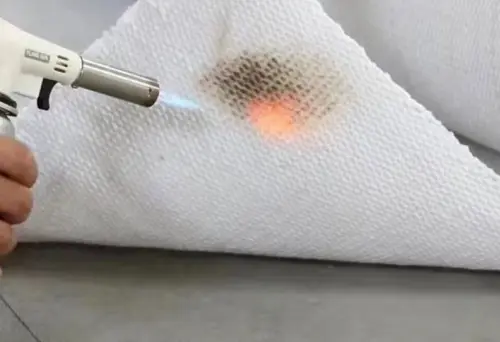
Part 1: Why Insulation Materials Fail – Root Causes of Abnormal Surface Temperatures
When insulation is damaged, compressed, or moisture-laden, thermal resistance plummets, forming dangerous “thermal bridges.” Failure is rarely a single event; it’s an overlap of these factors:
- Mechanical Damage & Vibration
On-site, these materials suffer constant abuse. Pipes become walkways, tools strike jacketing, and vibration loosens brittle layers. Even a micro-breach creates a severe thermal bridge.
Key requirement: For vibrating piping, prioritize flexible solutions like fiberglass tape that resist cracking. - Moisture Ingress – The Fastest Way to Destroy Insulation Materials
A common myth is that fibrous insulation is waterproof. It is not. Once moisture invades through poor sealing, thermal conductivity skyrockets. Worse, the wet environment spawns Corrosion Under Insulation (CUI). In refineries, about 80% of piping loses its anti-corrosion coating under failed wet insulation within 15 years. Industry data suggests CUI can account for a significant portion of piping maintenance budgets, often exceeding 30% of total costs in aging facilities. - Aging & Thermal Cycling
Even top-grade materials degrade. Sustained high heat causes fiberglass devitrifi
cation, while ceramic fibers become brittle. Frequent start-stop cycles break the bond between the pipe and the insulation layer, creating air gaps that accelerate energy loss. - Installation Defects
Poor spiral wrapping overlap, insufficient thickness, or applying insulation over oily, rusted surfaces creates “seam thermal bridges,” severely undercutting performance. - Permanent Insulation on Serviceable Parts
Valves and flanges need regular access. Fixed insulation forces destructive removal, leading many sites to leave these areas bare—a constant source of heat loss and burn risk.
Smart fix: Use removable covers sealed with our ceramic fiber rope. Pairing them with our dense rope ensures a tight, reusable seal, eliminating the labor and material waste of re-insulating every time maintenance is needed. - Incorrect Selection of Insulation Materials
Matching appropriate products to the operating temperature range is a fundamental yet vital principle. Selection criteria: fiberglass insulation materials for 350–600°C; ceramic fiber insulation materials for 450–1000°C。
Part 2: Insulation Materials Selection – Fiberglass vs. Ceramic Fiber
We offer three proven forms of high-temperature textile solutions: Cloth, Tape, and Rope. Here’s how to choose.
1. Fiberglass Products (Cloth, Tape, Rope)
Engineered from high-strength fiberglass yarns, these materials excel in cost-performance.
Fiberglass Cloth: Ideal for large-area equipment jacketing, heat shields, and fire protection up to 600°C.
Fiberglass Tape: Perfect for spiral wrapping small-diameter pipes and cables. Our self-adhesive version makes installation effortless.
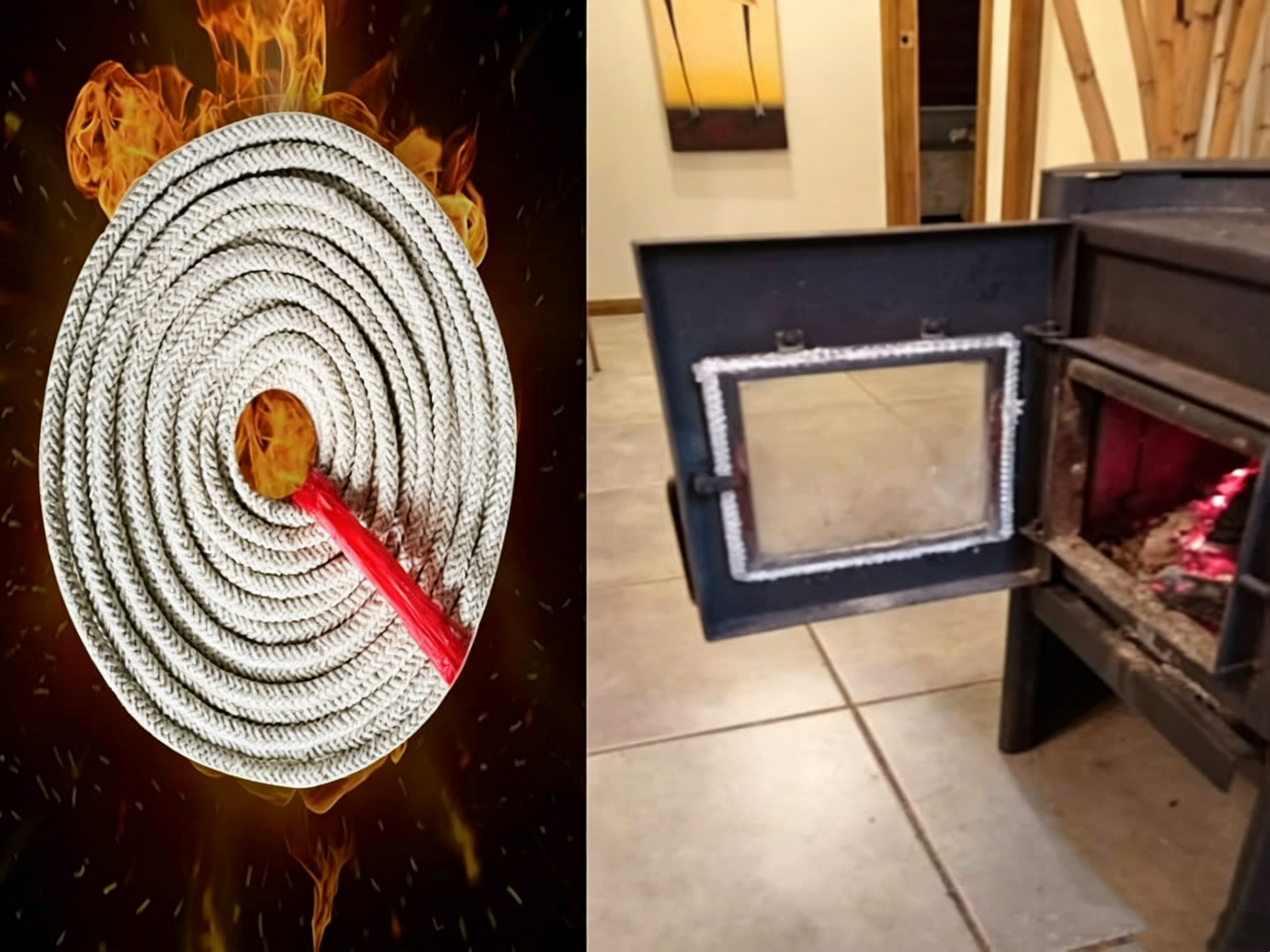
Fiberglass Rope: A flexible, highly insulating choice for boiler doors, furnace seals, and pipe sealing up to 550°C.
Why choose fiberglass? Class A1 non-combustible, acid/alkali resistant, vibration-proof, and extremely economical.
2. Ceramic Fiber Products (Cloth, Tape, Rope)
These lightweight materials can be reinforced with stainless steel wire for extra durability.
Ceramic Fiber Cloth: Flexible fabric for industrial furnace curtains and vessel insulation.
Ceramic Fiber Tape: Easy-to-cut wrapping for hot valves, flanges, and furnace doors.
Ceramic Fiber Rope: Outstanding sealing for chimney doors and kiln flues, with excellent thermal shock resistance.
Why choose ceramic fiber? Asbestos-free, low thermal conductivity, and ultra-high temperature tolerance.
Quick Selection Table for Insulation Materials
| Material Type | Service Temp. | Popular Forms | Best Applications | Key Advantage |
| Fiberglass | 350–600°C | Cloth, Tape, Rope | Pipe wrapping, cable protection, door seals | Cost-effective, vibration-resistant |
| Ceramic Fiber | 450–1000°C | Cloth, Tape, Rope | Furnace seals, valve packing, hot vessel insulation | Ultra-high temp, thermal shock proof |
Basic Selection Principles:
By temperature: ≤550°C, fiberglass insulation materials are your top pick. 550–1000°C, ceramic fiber products are required.
By use: Vibration-prone pipes demand flexible solutions like fiberglass tape. Furnace door grooves need dense ceramic rope.
By environment: In damp conditions, all insulation materials must be protected with a high-quality vapor barrier.
Not sure which insulation materials fit your application? Reach out to our technical team for a fast, no-obligation recommendation.
Part 3: Practical Repair Using Insulation Materials – From Inspection to Acceptance
Repairing failed sections with the proper materials can save thousands in energy costs. Follow this standardized workflow.
Phase 1: Assessment
Use thermal imaging to map abnormal hot spots on the existing insulation. Confirm the medium temperature and establish safety isolation.
Phase 2: Removal and Substrate Prep
Strip off the damaged insulation and inspect the bare pipe. If CUI is found, remove rust and apply anti-corrosion coating before installing any new material. The surface must be clean, dry, and smooth.
Phase 3: Installing New Insulation
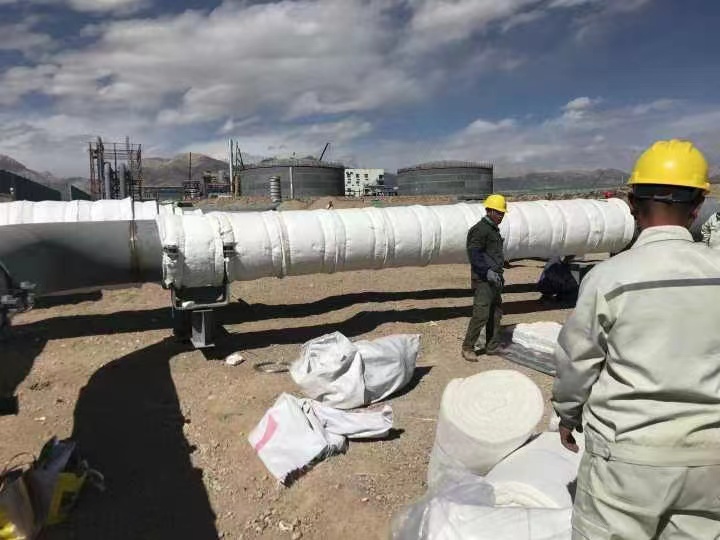
Fiberglass products: For pipes under 800mm, spiral-wrap using 120-350mm wide cloth or tape. Overlap seams properly. Self-adhesive tape requires no glue.
Ceramic fiber products: Wrap tightly, keeping the material wrinkle-free. Control joint gaps to ≤5mm. Press rope firmly into sealing grooves.
Layering: Always stagger multi-layer seams to prevent direct thermal shortcuts through the insulation.
Phase 4: Vapor Barrier – The Critical Defense
The vapor barrier is what keeps fibrous insulation dry and efficient. Use aluminum foil laminate or vapor-retarder coatings. Seal every seam and penetration strictly. Skipping this step is why many new insulation systems fail within months.
Phase 5: Jacketing & Acceptance
Cover the newly installed insulation with metal jacketing for mechanical protection. Verify surface temperatures with an infrared thermometer to confirm the repair meets design standards.
Part 4: Maintaining Your Insulation – Prevention Over Cure
Embedding insulation checks into routine maintenance prevents failure at the source.
Daily Walk-downs: Look for damage, discoloration, or moisture on exposed material. Use a handheld IR thermometer to scan for developing hot spots.
Periodic In-depth Checks: Verify vapor barrier seals, especially at flanges and supports. Assess vibration impact; reinforce where insulation shows signs of loosening.
Annual Thermal Surveys: A full scan of critical piping can reveal if your insulation is still performing to design thickness or needs replacement.
Prompt Minor Repairs: Patch small defects immediately with matching insulation materials and high-temp adhesive. Even a temporary wrap with fire-rated tape prevents major energy waste.
Part 5: 6 Common Mistakes When Choosing & Applying Insulation Materials
Mistake 1: “Damaged insulation is just a cosmetic issue.”
In truth, failed insulation hikes energy bills and hides aggressive pipe corrosion.
Mistake 2: Covering corrosion with new insulation.
Wrapping rusted pipe is dangerous. Always inspect the substrate before installing fresh insulation materials.
Mistake 3: Believing fibrous insulation is waterproof.
Without an intact vapor barrier, wet material loses virtually all insulating power.
Mistake 4: Permanently fixing insulation on serviceable valves.
Use removable covers; seal the edges with flexible ceramic tape to allow easy, non-destructive access, and avoid the cycle of destructive removal.
Mistake 5: Mixing incompatible insulation materials.
Different thermal expansion rates cause stress cracks. Repair products must match the original system’s properties.
Mistake 6: Using rigid materials on high-vibration lines.
Brittle products disintegrate quickly. In these zones, choose the flexibility of our fiberglass solutions.
Frequently Asked Questions About Insulation Materials
Q: Can your insulation materials directly replace asbestos?
A: Absolutely. Our fiberglass and ceramic fiber products are a non-toxic, high-performance alternative to asbestos textiles.
Q: What’s the real difference between these two types of insulation materials?
A: Temperature ceiling and application. Fiberglass offers the best price-performance up to 550°C. For higher temperatures and furnace work, ceramic fiber is essential.
Q: Do you supply custom-cut insulation materials?
A: Yes. To minimize on-site waste, Aohong provides custom widths for all our cloth and tape insulation materials.
Upgrade Your Insulation Materials Today
From process stability to worker safety, the integrity of your pipe and equipment protection depends on choosing the right insulation materials. Applying the correct selection, installation, and maintenance logic stops energy waste at the source.
Looking for a reliable supplier of high-quality, asbestos-free insulation materials? We are here to support your project with expert guidance and factory-direct pricing.
