
Introduction
Sight glasses are widely used in chemical processing, pharmaceutical manufacturing, food production, power generation, and industrial piping systems. They provide a simple and reliable way to observe fluid levels, monitor process conditions, and verify equipment operation without interrupting production.
Despite their seemingly simple design, sight glasses are often among the most vulnerable components in a pressurized system. A sight glass may appear perfectly normal during inspection and then fail suddenly without visible warning. When failure occurs, the consequences can include fluid leakage, equipment damage, production downtime, and serious safety hazards.
Understanding why sight glass failure occurs is the first step toward preventing it. This guide explains the physics behind sight glass breakage, the most common failure causes, warning signs to watch for, and proven methods to extend service life and improve plant safety.
What Makes Sight Glass Failure So Dangerous?
Unlike metals, which typically deform before breaking, glass is a brittle material. It stores elastic energy under stress until a critical point is reached.
Once a crack begins, it propagates through the glass at extremely high speed. In industrial applications, crack propagation can exceed 1,500 m/s, meaning failure occurs almost instantaneously. Operators rarely have time to react.
This is why sight glass failures are often described as sudden, catastrophic, and unpredictable. In reality, failures usually result from design flaws, installation mistakes, thermal stress, pressure overload, or accumulated damage that has gone unnoticed.
Warning Signs of Sight Glass Failure
Before discussing the root causes, it is important to recognize the early warning signs that may indicate a developing problem.
Surface Scratches – Even minor scratches can create stress concentration points that weaken the glass and accelerate crack formation.
Clouding or Haze – A cloudy appearance may indicate chemical attack, surface degradation, or devitrification.
Edge Whitening – White discoloration around the edge of the glass can indicate stress-induced microcracking.
Gasket Leakage – Fluid seepage around the sealing area often suggests uneven loading, gasket deterioration, or flange distortion.
Unusual Vibration – Excessive vibration can introduce cyclic stress that shortens sight glass service life.
Frequent Bolt Loosening – Repeated bolt relaxation may indicate thermal cycling, gasket compression loss, or flange deformation.
Recognizing these symptoms early can prevent unexpected failure and costly downtime.
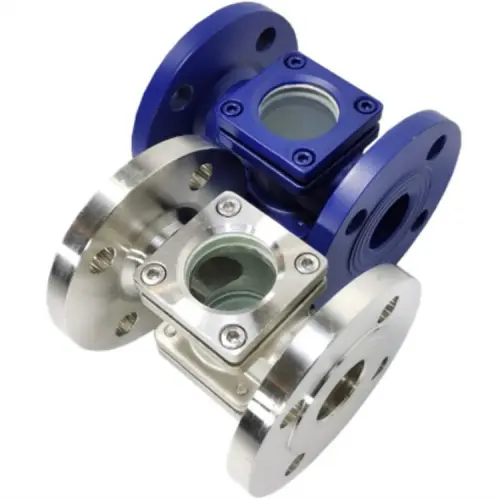
6 Common Causes of Sight Glass Failure
1. Poor Sight Glass Design
A sight glass assembly is only as strong as its weakest component.
Insufficient flange thickness, inadequate bolt quantity, improper gasket selection, or incorrect material specification can create uneven stress distribution across the glass surface.
Common design issues include:
Thin flanges that flex under load
Insufficient bolt count
Incorrect gasket hardness
Mismatched pressure ratings
Improper material selection
Prevention: Specify sight glass assemblies according to operating pressure, temperature, and chemical exposure. Never substitute components without engineering verification.
2. Improper Installation
Installation errors remain one of the leading causes of premature sight glass failure.
Common mistakes include:
Over-tightening bolts
Uneven torque application
Misaligned glass placement
Residual gasket debris
Scratched sealing surfaces
Even a small particle trapped between the flange and glass can create a localized stress point capable of initiating failure.
Prevention:
Use a calibrated torque wrench
Tighten bolts in a star pattern
Apply torque incrementally
Clean flange faces thoroughly
Inspect all sealing surfaces before assembly
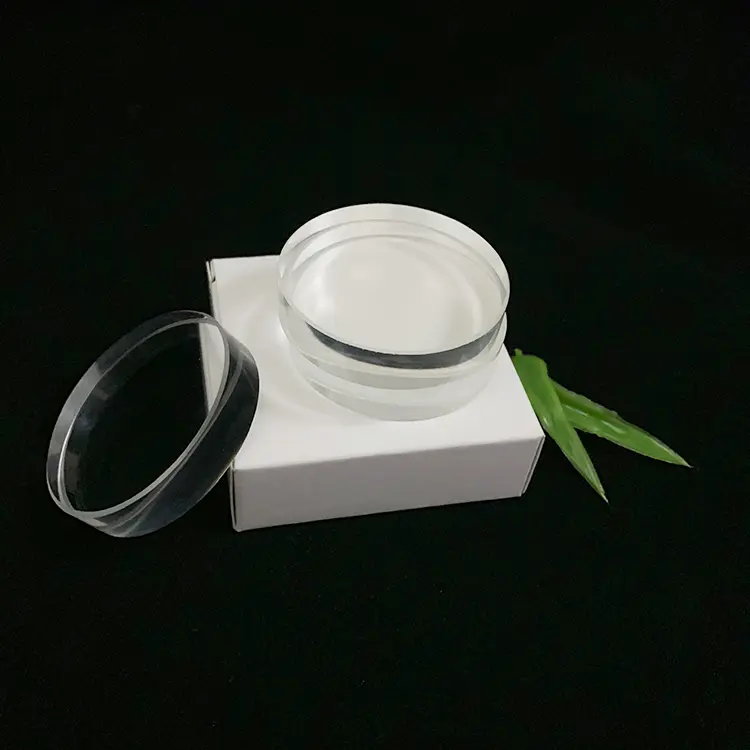
3. Mechanical Damage and Mishandling
Many failures originate from accidental impact rather than process conditions.
Examples include:
Dropped tools
Contact during maintenance
Abrasive cleaning methods
Scraping deposits with metal objects
Small impacts can create microscopic flaws that later grow into critical cracks.
Prevention: Install protective guards where necessary and prohibit unnecessary contact with sight glass surfaces.
4. Thermal Shock
Thermal shock occurs when different areas of the glass expand or contract at different rates.
Common scenarios include:
Rapid startup heating
Sudden cooling during washdown
Exposure to cold water while hot
Direct flame or radiant heat exposure
Thermal stress can exceed the strength of the glass even when operating pressure remains normal.
Prevention:
Avoid sudden temperature changes
Use borosilicate sight glass for most industrial applications
Install shields or baffles where thermal gradients exist
Follow controlled startup procedures
5. Overpressure Conditions
Pressure spikes can exceed the design limits of a sight glass even when average operating pressure remains within specifications.
Potential causes include:
Valve malfunction
Water hammer
Blocked vent lines
Rapid process reactions
Prevention:
Select adequate pressure ratings
Maintain pressure-relief devices
Monitor transient pressure events
Include appropriate safety factors
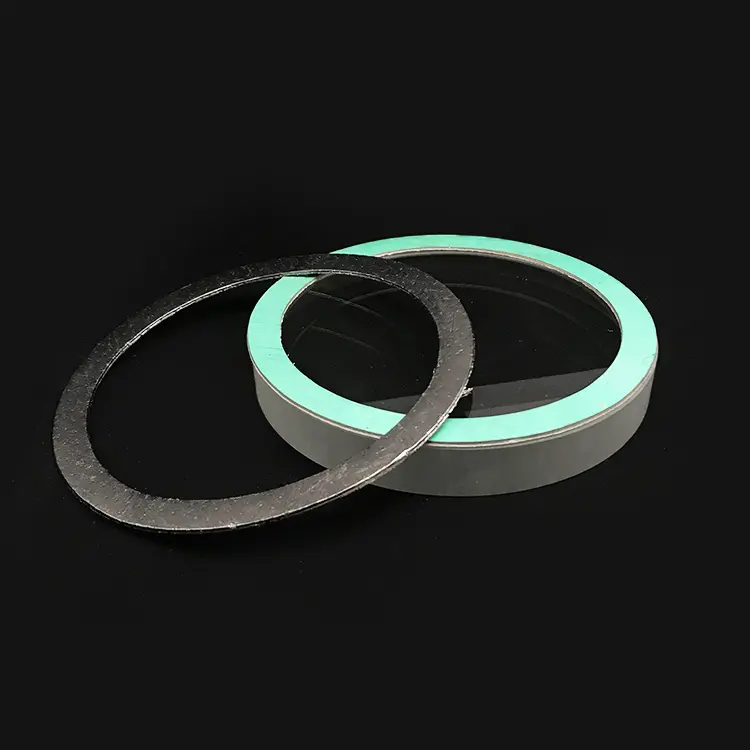
6. Reusing a Removed Sight Glass
A sight glass that has been removed from service may contain microscopic damage that cannot be detected visually. Reinstallation introduces uncertainty and significantly increases failure risk.
Prevention: Replace the glass whenever the assembly is dismantled unless the manufacturer specifically permits reuse.
Which Sight Glass Material Is Best for Your Application?
Material selection is one of the most effective ways to reduce failure risk.
| Property | Soda Lime Glass | Borosilicate Glass | Quartz Glass |
| Max Temperature | 150°C | 280°C | 1000°C+ |
| Thermal Shock Resistance | Low | Excellent | Outstanding |
| Chemical Resistance | Moderate | Excellent | Excellent |
| Cost | Low | Medium | High |
When to Choose Borosilicate Sight Glass
For most chemical, pharmaceutical, food processing, and industrial applications, borosilicate glass provides the best balance of thermal shock resistance, chemical durability, and cost.
When to Choose Quartz Sight Glass
Quartz glass is recommended for extreme high-temperature applications above the operating limits of borosilicate glass.
When Soda Lime Glass Is Acceptable
Soda lime glass may be suitable for low-temperature, non-critical applications where thermal cycling is minimal.
How to Install a Sight Glass Without Causing Premature Failure
Proper installation is essential for long-term reliability.
Step 1: Clean All Sealing Surfaces – Remove old gasket residue, corrosion, and debris.
Step 2: Inspect Flange Flatness – Verify that both seating surfaces are flat and parallel.
Step 3: Select the Correct Gasket – Ensure compatibility with process media, pressure, and temperature.
Step 4: Center the Glass Correctly – Avoid off-center positioning that may cause uneven loading.
Step 5: Tighten Bolts in a Star Pattern – Apply torque gradually and evenly using a calibrated torque wrench.
Step 6: Recheck Torque After Initial Heat Cycle – Thermal expansion and gasket settling may require bolt retightening.
Sight Glass Inspection and Maintenance Checklist
Routine inspections should include:
Surface scratches
Edge whitening
Cracks or fractures
Clouding or haze
Gasket condition
O-ring condition
Bolt condition
Leakage signs
Preventive maintenance remains the most cost-effective strategy for avoiding unexpected failure.
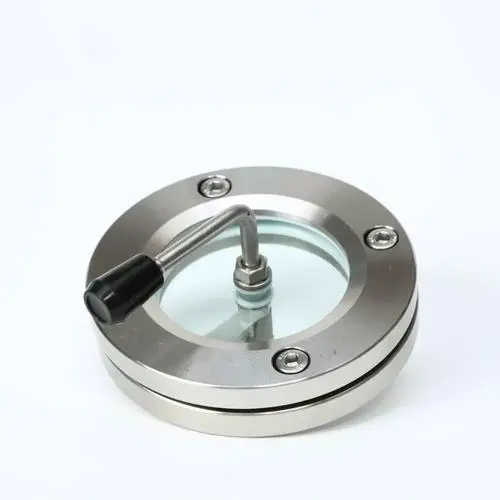
Frequently Asked Questions About Sight Glass Failure
Can a sight glass fail without visible damage?
Yes. Microcracks and internal stress may not be visible during routine inspection.
How often should a sight glass be inspected?
Inspection frequency depends on operating conditions, but monthly inspections are common in industrial facilities.
Can a cracked sight glass be repaired?
No. A cracked sight glass should be replaced immediately.
Is borosilicate glass better than soda lime glass?
For industrial service involving temperature fluctuations, borosilicate glass generally offers significantly better performance.
Can a sight glass be reused after removal?
In most cases, no. Reusing removed glass increases failure risk.
Final Thoughts
Most sight glass failures are preventable.
While glass may fail suddenly, the underlying causes are usually linked to design deficiencies, installation errors, thermal shock, mechanical damage, overpressure, or improper maintenance practices.
By selecting the appropriate sight glass material, following correct installation procedures, conducting routine inspections, and replacing damaged components promptly, facilities can significantly reduce the risk of catastrophic failure, improve operational safety, and extend equipment service life.
