
Choosing the right insulation materials can make or break system efficiency and safety—whether you’re tackling complex high-temperature industrial conditions or chasing optimal building energy performance. A wrong call doesn’t just mean heat loss and soaring energy bills. It can trigger equipment failure or serious safety incidents. From budget-friendly, all-purpose Fiberglass Insulation to Ceramic Insulation rated for thousands of degrees, every material has hard performance boundaries. This guide breaks down the real-world DNA of four mainstream insulation materials—Fiberglass Insulation, Graphite Insulation, Asbestos Insulation, and Ceramic Insulation—pinpointing where each one fits and the selection traps to avoid.
1. What Factors Drive Insulation Material Selection?
Picking an insulation material is never about grabbing the highest temperature rating off a datasheet. It’s a multi-variable engineering decision.
Maximum Service Temperature: The hard limit. The material must stay chemically and physically stable at this temperature—no significant shrinkage, no performance collapse. Pin down both the continuous operating temperature and any transient peak spikes.
Thermal Conductivity: The lower the number, the better the insulation. This is the core metric for heat-blocking performance. Watch out: thermal conductivity rises with temperature.
Chemical Stability & Atmosphere Compatibility: Will the material react with process media—acids, alkalis, oils? How does it behave in oxidizing, reducing, or vacuum atmospheres? This directly dictates service life.
Mechanical Strength & Thermal Shock Resistance: Can it handle pulling and knocking during installation? Does it crack or crumble under rapid temperature swings?
Fire Rating: Class A non-combustible or Class B fire-retardant? This is a non-negotiable compliance checkpoint for buildings and industrial safety.
Ease of Installation & Form Versatility: Board, blanket, pipe section, or loose wool? How do you wrap irregular valves and elbows? Complexity drives labor cost and finished quality.
Total Lifecycle Cost: Look beyond the purchase price. Add installation labor, maintenance frequency, replacement downtime.
Health, Environmental & Regulatory Compliance: Does the material pose a risk to people or the environment during fabrication, installation, use, or disposal? Fiber respirability is a go/no-go issue you can’t ignore.
2. In-Depth Look at Four Insulation Materials
2.1 Fiberglass Insulation
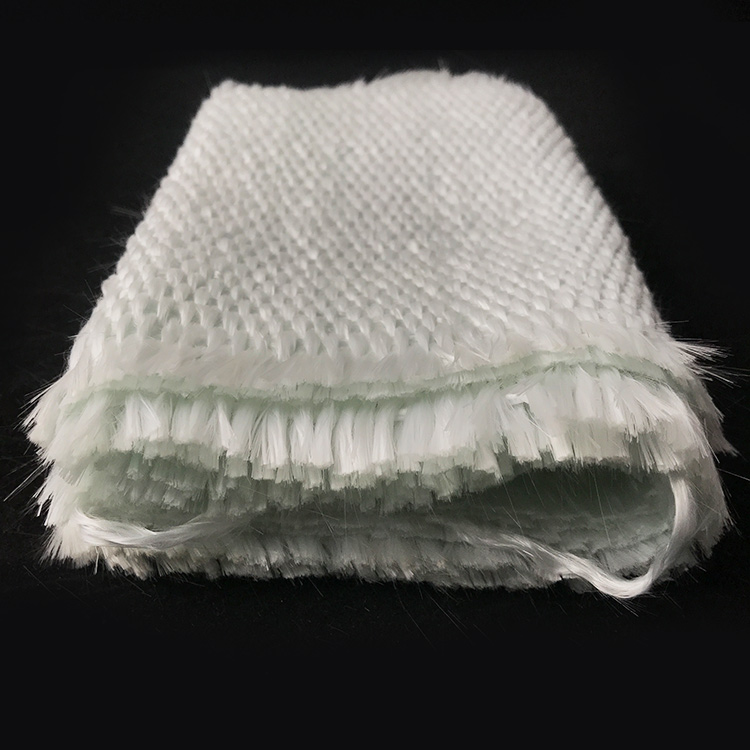
Fiberglass Insulation is built from E-glass continuous-filament yarn, processed into flexible textile forms—cloth, tape, rope. It combines thermal insulation, fire resistance, electrical insulation, and chemical resistance. Common applications span industrial thermal protection, high-temperature sealing, equipment safeguarding, and composite reinforcement.
2.1.1 Core Performance Data
Thermal Conductivity:
| Product Form | Thermal Conductivity at Ambient Temperature W/(m·K) | Thermal Conductivity at 200°C W/(m·K) |
| Fiberglass Cloth | Approx. 0.03 | 0.07–0.08 |
| Fiberglass Tape | 0.035–0.05 | – |
| Fiberglass Rope | 0.03–0.035 | – |
| Full Range Reference | 0.03–0.05 | – |
Temperature Rating: Continuous service at 550°C, short-term peak 600°C. After 500°C × 100h aging, these materials retain more than 50% of initial tensile strength.
2.1.2 Key Advantages
Class A Non-Combustible: Meets ISO 1182. No flame spread, mass loss ≤1.5%. A proven performer for fire barriers and fire-stop isolation.
Chemical Resistance: Stands up to most acids (except hydrofluoric acid and hot phosphoric acid), alkalis, and organic solvents—right at home in chemical and corrosive atmospheres.
Excellent Electrical Insulation: Surface resistivity >10¹⁰ Ω (dry, 23°C). Suits electrical equipment insulation wrap.
Low Moisture Absorption: Moisture content ≤0.5%. Minimal performance drift in humid environments.
High Cost-Effectiveness: Compared to Ceramic Insulation, Fiberglass Insulation delivers a reliable, economical solution in the mid-to-high temperature range. It’s flexible and easy to cut and install.
2.1.3 Limitations to Know
Fiber Irritation: Cutting or installation can generate fiberglass dust that irritates skin and the respiratory tract. Wear dust masks, gloves, and coveralls. Keep the work area ventilated.
High-Temperature Creep & Shrinkage: Near the upper temperature limit—especially above 500°C—fibers can shrink slightly or relax structurally, creating thermal bridges at joints. Design in expansion allowance and use overlap installation.
Limited Against Specific Corrosive Media: Poor resistance to hydrofluoric acid, hot phosphoric acid, and similar aggressive agents. Extra surface coating protection is required.
2.1.4 Typical Applications
Cloth: Removable insulation pads, thermal blankets, welding curtains, spark shields, fire curtains, FRP composite reinforcement.
Tape: Pipe and vessel insulation wrapping, boiler and furnace door seals, coil insulation banding, high-temperature flange seals.
Rope: Furnace door and valve seals, expansion joint packing, hot pipe wrapping, engine and instrument thermal protection.
2.2 Graphite Insulation (Graphite-Coated Fiberglass Fabric)
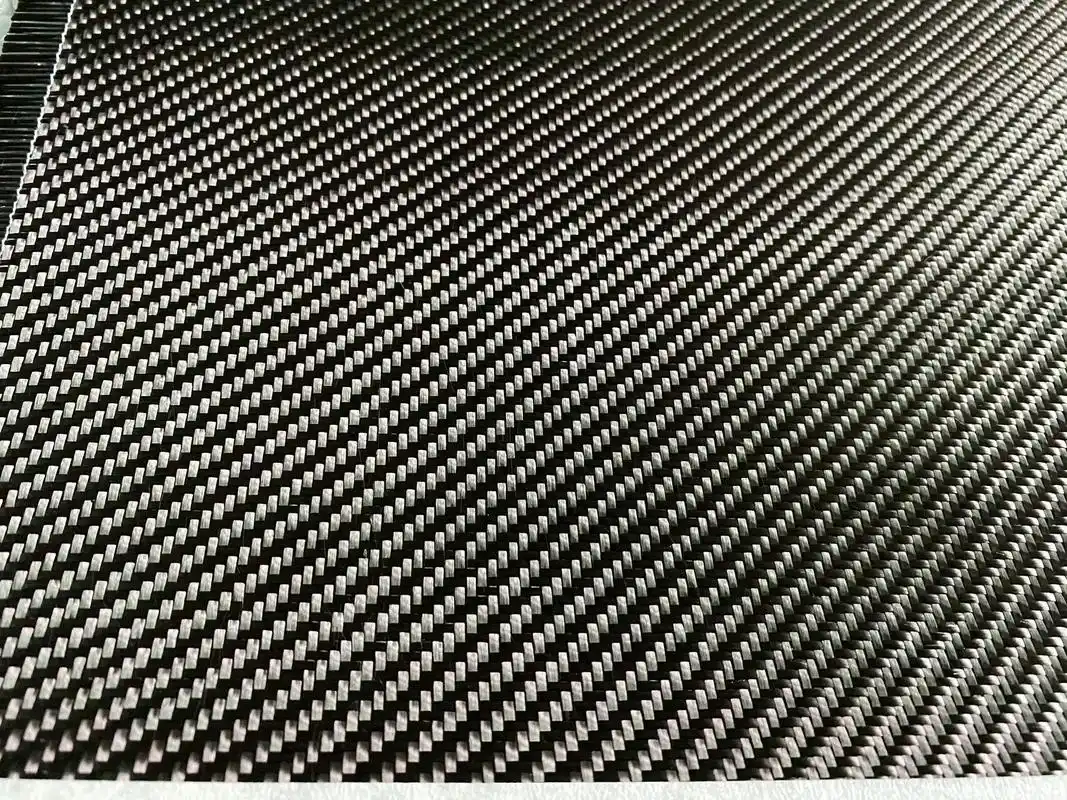
Graphite Insulation is built on an E-glass fiberglass fabric, double-side coated with expanded graphite. This high-performance composite sealing and insulation material is engineered for thermal seals, expansion joints, and gaskets. It merges the mechanical strength of fiberglass with the temperature resistance, self-lubrication, and corrosion resistance of expanded graphite, serving petrochemical, power generation, metallurgy, and aerospace sectors.
2.2.1 Outstanding Characteristics
Superior Chemical Resistance: Withstands most organic solvents, inorganic acids, and alkalis (excluding strong oxidizing acids). Waterproof, mold-proof, moisture-proof, and aging-resistant—tough enough for harsh chemical environments.
Excellent Thermal Stability: Continuous service at 550°C, short-term peak at 650°C in non-oxidizing atmospheres. Minimal thermal expansion ensures stable dimensions under heat.
High-Efficiency Insulation & Radiant Heat Reflection: Thermal conductivity at 200°C is just 0.12–0.13 W/(m·K). The graphite flake structure reflects thermal radiation effectively, cutting radiant heat transfer in mid-to-high temperature zones.
Self-Lubrication & Sealability: The coating delivers good flexibility and self-lubricity, making it an ideal choice for high-parameter sealing gaskets. High surface friction and abrasion resistance come built in.
Thermal Shock Resistance & Long Service Life: Outstanding thermal shock resistance, plus resistance to ozone, sunlight, and aging.
Electrical Insulation: Provides good electrical insulation properties for applications where this is a requirement.
2.2.2 Typical Applications
Expansion joints and compensators
Flange gaskets and manhole seals
Furnace door heat shields, welding spark blankets, fire curtains, foundry splash guards
Duct connectors, damper seals, pipe insulation jackets
Anti-stick liners for hot processes, insulation mattress covers
Widely used in aerospace, marine, chemical, power plant, automotive, construction, and sealing industries
2.3 Asbestos Insulation
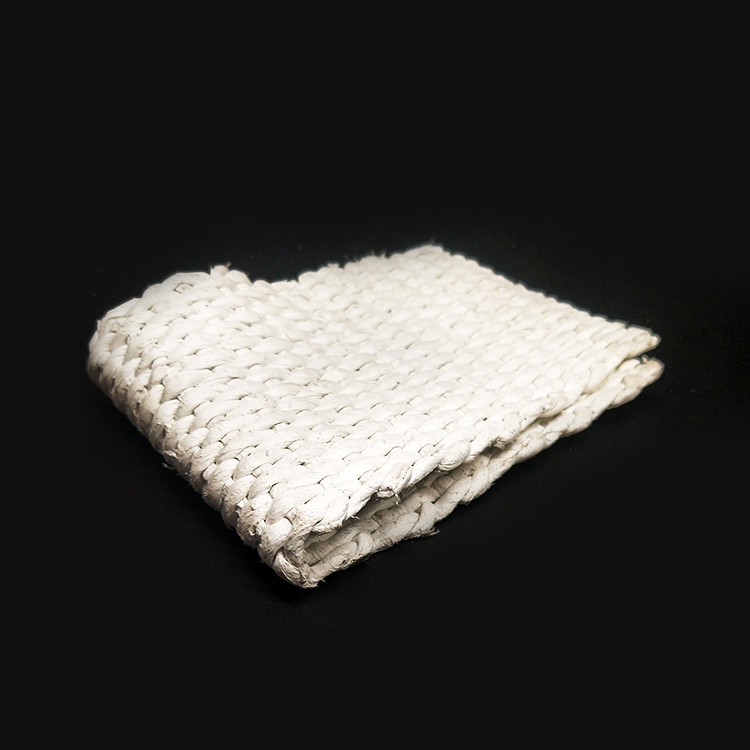
2.3.1 Key Characteristics
Superior Heat Resistance: Sustains continuous exposure up to 500°C, with higher short-term tolerance. Suited for extreme thermal environments.
High Mechanical Strength: Woven from premium chrysotile fiber. High tensile strength, abrasion- and tear-resistant, with decent compression recovery—especially in rope forms.
Good Chemical Stability: Resistant to oil, water, weak acids, and many chemicals. Fits chemical process settings.
Flexible & Customizable: Available in cloth, tape, and rope. Thickness, width, diameter, and length can be tailored to industrial wrapping, sealing, and lining needs.
2.3.2 Typical Applications
Boilers & Furnaces: Door seals, combustion chamber linings, expansion joint packing, fire barriers
Pipes & Valves: Steam, exhaust, and hot-gas pipe insulation wrap, valve stem packing
Gasket & Packing Fabrication: Asbestos cloth cut into gaskets; rope used for pump and valve packing under high temperature and pressure
Chemical Seals: Flange gaskets, vessel manhole seals, resistant to most chemical attack
Marine & Offshore: Fire-rated bulkhead insulation, engine room high-temperature area protection
Electrical Insulation: Arc-resistant insulation in high-voltage switchgear (asbestos tape)
2.3.3 Critical Safety and Regulatory Warning
Asbestos fiber inhalation can cause lung cancer, asbestosis, and mesothelioma. It is classified as a Group 1 carcinogen. More than 60 countries have banned its use. Buyers must verify legality in the destination country and obtain all necessary permits.
Safe Handling Requirements:
Engineering Controls: Enclosed systems, wet cutting, HEPA-filtered vacuum extraction.
Personal Protection: P3 respirators, disposable coveralls, gloves.
Waste Disposal: Double-bag and hand over to licensed hazardous waste treatment facilities.
Liability Statement: Supplied only to qualified industrial buyers who acknowledge the risks and assume full responsibility. No liability is accepted for misuse or failure to follow safety regulations.
Alternative Recommendation: Where technically feasible, switch to safer options such as Ceramic Insulation or Fiberglass Insulation.
2.4 Ceramic Insulation
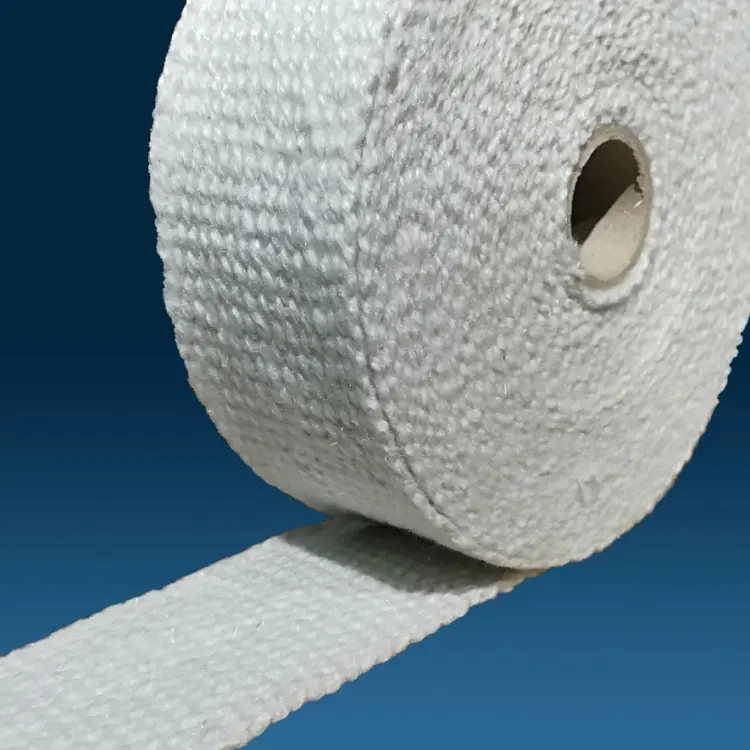
Ceramic Insulation is an alumina-silicate based material that sets the standard for lightweight, low thermal inertia, and outstanding high-temperature capability. Available in multiple forms, it balances flexibility and insulation performance, making it the go-to solution for demanding thermal management problems.
2.4.1 Outstanding Characteristics
Exceptional Thermal Physics (Low Conductivity & Low Heat Capacity): The porous fiber structure strongly suppresses heat transfer. A typical 1.5mm-thick tape shows thermal conductivity of only 0.13 W/m·K at 400°C. Heat storage is minimal, meaning batch kilns and furnaces heat up and cool down fast—slashing fuel consumption and shortening cycle times significantly.
Superb Thermal Shock Resistance & Hot Dimension Stability: Withstands extreme rapid heating and cooling without cracking or delamination. Under continuous rated working temperature, Ceramic Insulation tape holds its dimensions through repeated thermal cycles, ensuring reliable, long-term seals and wraps.
Chemical Stability in Aggressive Environments: Resists most acids and alkalis. Exceptions: hydrofluoric acid (HF), hot phosphoric acid, and concentrated hot sodium hydroxide (NaOH). Handles corrosive chemicals common in metallurgy and chemical processing.
Reliability After High-Temperature Burnout: The material is inorganic and non-combustible, meeting ISO 1182. After 24 hours of combustion at 800°C, surface organic binders burn off and glass fiber reinforcement filaments may embrittle, but the main ceramic fiber cloth or tape remains intact and continues to insulate.
Flexible Reinforcement Options: Standard products use glass fiber filament reinforcement, balancing strength and cost. Stainless steel wire reinforcement is available on request to boost mechanical wear resistance.
2.4.2 Typical Applications
Leveraging its high-temperature tolerance, corrosion resistance, and flexible wrapping characteristics, Ceramic Insulation (tape format) is deployed in:
Furnace Sealing Systems: Furnace door seals, expansion joint fill, flange gaskets for boilers and ovens—stops hot gas leakage and lifts thermal efficiency.
Pipe & Exhaust Wrapping: Wound around hot exhaust pipes, steam lines, and hoses to create a thermal jacket that cuts radiant heat impact on nearby components.
Welding & Hot-Work Protection: Welding spark tape and splash shields block molten metal spatter, protecting cables and equipment.
Removable Insulation Systems: Combined with hooks or straps to build reusable industrial insulation pads, enabling easy maintenance access on high-temperature assets.
3. Quick-Reference Selection Table
| Material | Max. Service Temp | Cost Level | Key Advantages | Main Limitations | Recommended Applications |
| Fiberglass Insulation | 550°C | Low | Cost-effective,non-combustible, chemically stable | High-temp shrinkage, fiber irritation | Building HVAC, low/medium-temp pipes |
| Graphite Insulation | 2800°C (inert) / 450°C (air) | High | Extreme chemical inertness, corrosion resistance, heat reflection | Severe temperature drop in oxidizing atmospheres, high cost | Petrochemical seals, corrosive environment insulation |
| Asbestos Insulation | 500°C | Low | High tensile strength,low-cost heat resistance | Confirmed carcinogen, strict regulatory restrictions | Legacy equipment replacement only where legally permitted |
| Ceramic Insulation | 1260°C | Medium | Very low heat capacity, thermal shock resistant, easy modular installation | Sensitive to strong alkalis / hydrofluoric acid | High-temperature furnaces, heat-treatment equipment |
4. Matching Insulation Materials to Application Scenarios
4.1 Building HVAC & Low/Medium-Temperature Pipe Insulation (<200°C)
Profile: Moderate temperatures, massive scale, extreme cost sensitivity. Systems run continuously, making replacement difficult. Fire safety and indoor air quality are tightly regulated.
First Choice: Fiberglass Insulation
Why: In this temperature band, Fiberglass Insulation’s thermal conductivity meets nearly all building energy codes, and overall cost beats mineral wool alternatives. Its Class A non-combustible rating is a core fire-safety safeguard for duct insulation, structural steel wraps, and cavity fill—buying critical time for evacuation and firefighting.
Watch Out: Below 150°C, Ceramic Insulation is over-engineered and a waste of budget. During installation, wear PPE to prevent fiber irritation. After installation, seal the insulation to stop fiber migration into occupied spaces.
4.2 High-Temperature Industrial Furnaces & Heat-Treatment Equipment (600°C – 1300°C)
Profile: Sustained high heat, aggressive temperature swings, frequent start-stop cycles. Thermal efficiency and tight temperature control are critical. Mild corrosive atmospheres possible.
First Choice: Ceramic Insulation
Why: Ceramic Insulation’s very low heat capacity means the lining absorbs and releases minimal heat during ramp-up and cool-down. For batch furnaces, that translates into 20%–40% fuel savings and noticeably shorter cycle times. The all-inorganic fiber structure delivers exceptional thermal shock resistance—won’t crack under rapid heating and cooling—so lining life far exceeds conventional refractory brick under cyclic operation. Modular design with anchor fixing speeds up installation; localized damage is handled by cutting out the affected module and spraying on a high-temperature curing agent—no lengthy cool-down required.
Watch Out: High-velocity hot gas erosion is the primary risk. If furnace gas velocity exceeds 15 m/s, fluffy fiber layers will erode. Install flow shields or select surface-hardened products. Ceramic Insulation has poor tolerance to hydrofluoric acid, hot phosphoric acid, and high-concentration hot alkali vapors; in these environments, switch to Graphite Insulation or specialized high-alumina fiber. Check the shot content specification—low-quality material with high shot content creates hot spots at temperature. Source from brand manufacturers and specify shot content <10%.
4.3 Petrochemical Sealing and Insulation in Corrosive Environments (200°C – 550°C)
Profile: Medium-to-high temperatures plus an aggressive chemical cocktail—acids, alkalis, oil, organic solvents. Components are often irregular shapes: flanges, valves, expansion joints that demand a combined seal-and-insulate solution.
First Choice: Graphite Insulation, graphite composite gaskets
Why: Graphite’s coating delivers broad chemical resistance—handling sulfuric acid, caustic soda, and most solvents. Its self-lubricating nature aids future disassembly, a benefit Fiberglass Insulation and Ceramic Insulation can’t match. The lamellar graphite structure provides inherent sealability; when fabricated into gaskets, it blocks both heat flow and media leakage, enabling zero-leak insulation on valves and flanges. Graphite Insulation is dimensionally stable across a wide temperature band with virtually no thermal expansion, eliminating the bolt loosening and seal failure headaches that come from repeated expansion and contraction—cutting routine retightening maintenance significantly.
Watch Out: In oxidizing atmospheres, the upper service temperature plummets to around 450°C. For continuous hot air flows, evaluate alternatives or switch to vermiculite-coated products. Graphite is conductive—where strict electrical insulation is required (e.g., heater terminal blocks), use pure Fiberglass Insulation or Ceramic Insulation.
4.4 Welding, Foundry Splash Protection & Spark Isolation
Profile: Subject to hundreds of degrees in molten metal splash and welding spark impact. Must resist instantaneous burn-through while protecting personnel and equipment (cables, hydraulic hoses) behind it.
First Choice: Fiberglass Insulation cloth (economy) or Ceramic Insulation cloth (heavy-duty)
Why: Both are Class A non-combustible. Fiberglass cloth deflects spatter effectively—the standard choice for general industrial shielding. For foundry and steelmaking environments with heavy, continuous molten splash, switch to thicker Ceramic Insulation cloth; it forms a slag crust on the surface without burn-through of the body. Both materials are highly flexible and can be fabricated into custom-shaped shields and tube sleeves, equipped with hook-and-loop or grommets for fast removal. This is the practical way to protect hydraulic lines and robot-arm cabling in welding cells.
Watch Out: Never use Asbestos Insulation cloth here—splash impact accelerates fiber release, creating a serious health hazard. For vertical or overhead installations, avoid thin fiberglass cloth that can be punctured; specify products marked “welding protection grade.”
4.5 Electrical Insulation & Arc Flash Protection
Profile: High voltage, risk of arc flash. The insulation material must deliver both excellent dielectric properties and non-combustible thermal insulation.
First Choice: Fiberglass Insulation cloth/tape, Ceramic Insulation tape
Why: Fiberglass Insulation offers high volume resistivity—ideal for wrapping coils, transformers, and heater electrodes. Where the working temperature exceeds its limit or higher insulation class is required, move to high-purity alumina Ceramic Insulation tape. Both materials maintain strong dielectric strength at elevated temperatures, effectively preventing phase-to-phase shorts and arc breakdown. Both are inorganic and non-combustible; under the instantaneous high heat of an arc, they won’t melt or ignite, creating a reliable fire-blocking barrier.
Watch Out: Never use Graphite Insulation—it’s electrically conductive. Verify the material’s volume resistivity specification. In damp environments, surface moisture on Fiberglass Insulation can temporarily reduce insulation resistance; pair with insulating varnish impregnation or drying to lock in performance.
5. Common Selection Mistakes
Mistake 1: Higher Temperature Rating Always Better
It’s easy to think a higher rating means a bigger safety margin. In low-temperature scenarios, that’s pure overspend. Specifying Ceramic Insulation on a sub-150°C building HVAC pipe is massive performance overkill that doubles or triples cost. Stick to the “good enough and matched” principle—use the actual service temperature against the Quick-Reference Selection Table in Section 3.
Mistake 2: Ignoring Chemical Compatibility
Focusing only on temperature while ignoring chemical media is a fast track to premature failure. Put Ceramic Insulation in an environment with hydrofluoric acid, hot phosphoric acid, or concentrated hot alkali vapor, and it gets eaten rapidly. Or push Graphite Insulation above 450°C in a continuous hot air oxidizing atmosphere and watch it oxidize away. In corrosive service, check every medium against the material’s chemical resistance list before locking in the choice.
Mistake 3: Equating “Non-Combustible” with “Stable Under All Conditions”
Fiberglass Insulation and Ceramic Insulation are inorganic and non-combustible, but they have limits. Standard Fiberglass Insulation undergoes significant thermal shrinkage near 550°C, opening seal failures. Graphite dust is combustible under certain conditions, and its service ceiling crashes from 2800°C in inert gas to just 450°C in air. Don’t let a “non-combustible” label let you skip the maximum use limit check.
The antidote to these mistakes is straightforward: match the material’s real properties directly to your quantitative operating conditions—temperature, chemical media, regulatory requirements. Never let a single spec line make the decision.
