
When it comes to cold storage facilities and food processing plants, wall and ceiling materials must meet some of the toughest requirements in any industry. They need to withstand extreme temperature fluctuations, constant moisture, chemical cleaning agents, and daily physical impact—all while maintaining strict hygiene standards.
Fiberglass Reinforced Plastic (FRP) panels have become the material of choice for these environments. Their non-porous surface, resistance to mold and bacteria, durability in low temperatures, and ease of cleaning make them ideal for facilities that must comply with FDA, USDA, HACCP, and other food safety regulations.
Below are ten proven applications of FRP panels in cold storage and food processing environments, along with the reasons why they outperform traditional materials like tile, painted drywall, or stainless steel in many cases.
1. Cold Storage Wall Linings
The most common application of FRP panels in the cold chain is as interior wall linings for refrigerated warehouses and distribution centers. In these large facilities, walls are constantly exposed to condensation, forklift impacts, and frequent washdowns.
FRP panels provide a smooth, moisture-proof surface that does not absorb water, preventing the growth of mold and mildew. They also tolerate temperature swings from ambient loading docks to -30°C freezing chambers without cracking or delaminating. Installation over insulated metal panels or concrete block is fast and cost-effective, reducing downtime during construction or renovation.
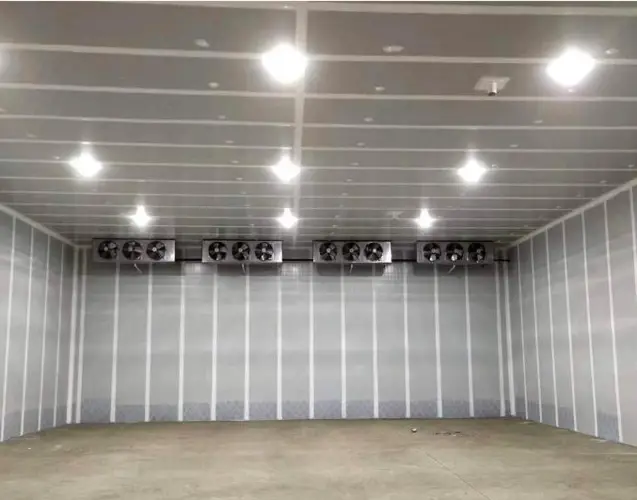
2. Ceiling Panels in Refrigerated Warehouses
Ceilings in cold storage rooms face continuous exposure to humid air rising from products and door openings. Traditional ceiling materials can sag, stain, or support microbial growth.
FRP ceiling panels are lightweight, rigid, and resistant to moisture absorption. When installed with sealed joints, they create a washable overhead surface that meets sanitary requirements. White or light-colored FRP panels also improve light reflectivity inside storage rooms, reducing lighting costs and making it easier for staff to inspect products.
3. Food Processing Room Partitions
In food processing plants, different production zones often require separation to prevent cross-contamination. FRP panels are widely used to build interior partition walls between raw material handling, cooking, packaging, and finished goods areas.
Unlike drywall or wood-based partitions, FRP panels will not absorb grease, blood, or cleaning chemicals. They can be cut to size on site, fitted around pipes and equipment, and joined with food-grade sealants to create smooth, crevice-free surfaces. Their impact resistance also protects walls from carts, racks, and processing equipment.
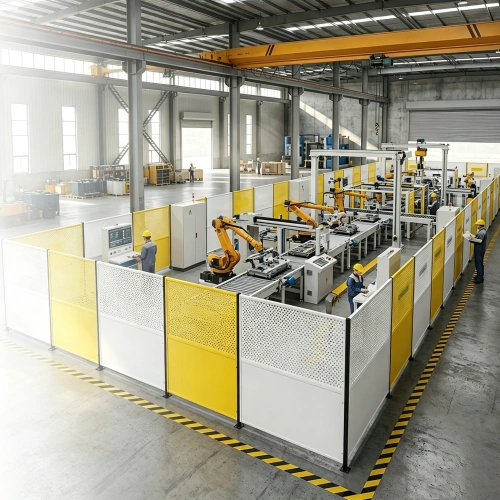
4. Cleanroom Wall Cladding in Dairy & Beverage Plants
Dairy processing, beverage bottling, and aseptic packaging operations require controlled environments with minimal airborne particles. FRP panels with a gel-coated or smooth film finish provide a cleanable, low-dust surface suitable for cleanroom wall cladding.
Because FRP panels are non-porous and resistant to common sanitizers such as chlorine, quaternary ammonium, and peracetic acid, they maintain their integrity even after repeated daily sanitation cycles. Their light weight allows installation on existing walls without major structural changes, making them a practical upgrade for older facilities seeking higher hygiene standards.
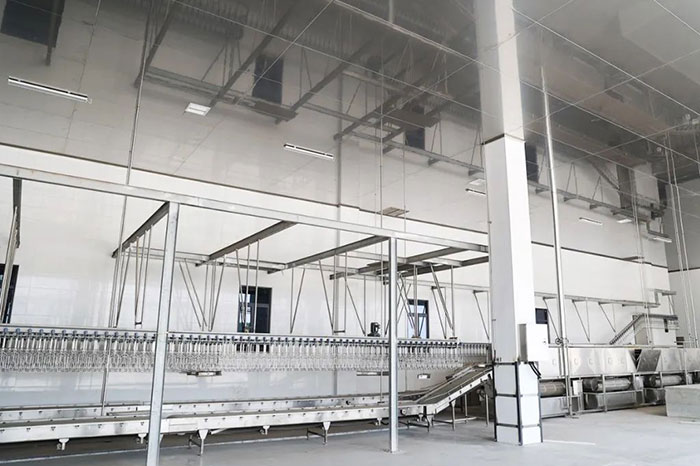
5. Meat & Poultry Processing Areas
Meat and poultry plants are among the most demanding environments for wall surfaces. Blood, fat, and protein residues can quickly degrade porous materials. Frequent high-pressure hot water washdowns add thermal and mechanical stress.
FRP panels are specifically designed for these conditions. They withstand hot water up to 80°C during cleaning, resist staining from animal fats, and do not support bacterial growth. Panels with a textured or embossed surface also provide extra slip resistance when used on floors or lower wall sections, although smooth finishes are preferred for easy wiping in most wall applications.
6. Seafood Processing Facilities
Seafood processing involves constant contact with salt water, ice, and organic matter. Corrosion is a major concern for metal wall panels, while wood and gypsum quickly deteriorate.
FRP panels are inherently corrosion-resistant. They are unaffected by salt spray and can be used in both refrigerated processing rooms and live holding areas. Their smooth surface prevents fish scales and slime from adhering, reducing cleaning time and maintaining a safer working environment.
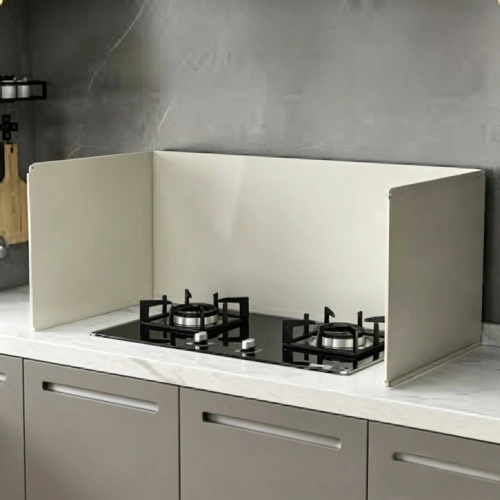
7. Commercial Kitchen Backsplashes & Wall Coverings
Although not technically a “cold storage” application, commercial kitchens in food service and institutional facilities often share similar hygiene requirements. FRP panels are a popular alternative to ceramic tile for kitchen backsplashes and wall coverings.
They install without grout lines, which are notorious for trapping grease and bacteria. A single FRP sheet can cover a large area with minimal seams. Fire-rated FRP panels are available for areas near cooking equipment, meeting NFPA and local building code requirements. They are also easier and less expensive to replace than tile if damaged.
8. Walk-in Coolers and Freezers
Walk-in coolers and freezers in restaurants, supermarkets, and laboratories need interior finishes that can handle rapid temperature changes and high humidity. FRP panels are commonly laminated directly onto the interior side of insulated panels or installed as a separate wall liner.
Because FRP does not become brittle at low temperatures, it remains impact-resistant even inside blast freezers. Its light weight is an advantage for pre-fabricated cooler kits, reducing overall unit weight and simplifying transportation and assembly.
9. Loading Dock & Transition Zone Wall Protection
Areas where goods move between ambient, refrigerated, and frozen zones are subject to frequent forklift traffic, pallet impacts, and condensation. Walls in these transition spaces often show damage before other parts of the facility.
High-impact FRP panels with a thick core and reinforced surface provide durable wall protection in loading docks, staging areas, and corridor entrances to cold rooms. They can be installed as wainscoting or full-height cladding, significantly reducing maintenance costs and extending the life of underlying wall structures.

10. Blast Freezers, Ripening Rooms & Specialty Cold Chambers
Specialty cold environments such as blast freezers, fruit ripening rooms, and controlled atmosphere storage have unique demands. Blast freezers subject wall surfaces to extreme thermal shock, while ripening rooms require precise humidity and ethylene gas management.
FRP panels are chemically stable and do not off-gas harmful substances, making them safe for use in rooms where ethylene or other gases are used. Their resistance to thermal cycling prevents cracking that could harbor bacteria. For fruit and vegetable storage, panels with UV inhibitors or anti-bacterial additives can further extend surface life and food safety.
Why FRP Panels Are the Preferred Choice
Across all these applications, FRP panels offer a consistent set of advantages:
Moisture and mold resistance – no water absorption, no fungal growth
Chemical resistance – withstands strong cleaning agents and sanitizers
Impact strength – survives daily bumps from carts, racks, and equipment
Thermal stability – performs well from -40°C to +80°C
Easy installation – lightweight, cut-to-size, adhesive or mechanical fixing
Hygienic surface – smooth, non-porous, and simple to clean
Cost-effective – lower material and installation cost than stainless steel, with similar sanitary benefits
For importers, distributors, and contractors serving the cold chain and food processing sectors, FRP panels represent a reliable, high-margin product with consistent demand.
Get a Quote for Your Next Project
If you are sourcing FRP panels for cold storage or food processing applications, we can supply standard and custom-sized panels in a range of thicknesses, surface finishes, and fire ratings. Our products meet international hygiene and safety standards and are exported to more than 30 countries.
Contact us today to request free samples, technical data sheets, or a quotation based on your project specifications.
