
Cutting Methods for Asbestos Rubber Sheets
Cutting asbestos rubber sheets involves several important factors. You need to consider the material’s properties. Tool selection is key, too. Follow proper operating procedures, and always focus on safety.
Asbestos rubber sheets are often used to seal flange connections. They resist heat and pressure well. Yet, cutting may generate dust, so appropriate protective measures are essential.
Tool selection and preparation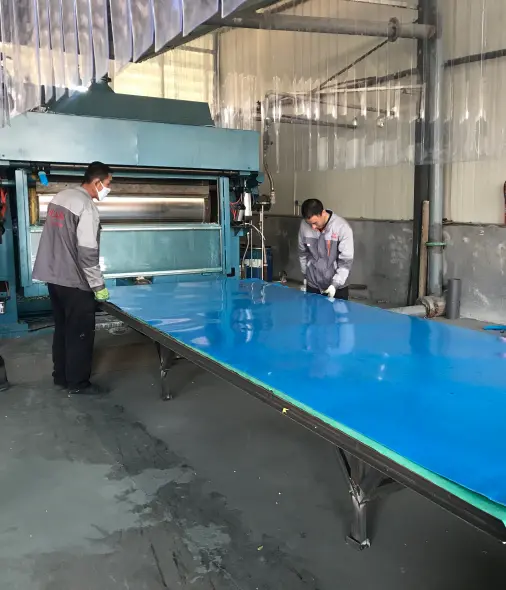
Choose cutting tools according to sheet thickness and the required cut profile. Common tools include:
-
Knives: Suitable for thin sheets (for example, under 3 mm). Knives are simple to use and are appropriate for straight cuts.
-
Rotary pipe cutters and abrasive wheel cutters work well for thicker sheets. They’re great for jobs that need straight edges. Note that abrasive wheel cutting may generate significant noise and dust.
-
Vibration (oscillating) knife cutters are great for gasket materials. They provide fast cutting speeds and good precision.
Before starting, ensure the work surface is flat and stable, and remove debris. Proper fixturing prevents material shift or tool slippage during cutting.
Cutting steps and techniques.
You can divide the cutting process into the following steps:
-
Measure and mark: Use a ruler and pencil to mark cutting lines clearly on the sheet. Use a straightedge or template to improve accuracy.
-
Secure the material. Clamp the sheet or use weights to hold the edges down. This stops sliding, which is key for manual work.
-
Perform the cut:
-
For straight cuts, hold the tool steady. Move at a uniform speed. Don’t use too much force, as it can tear the edge.
-
For curves or complex shapes, first score the outline. Then refine the cut in stages, or use a template for help.
-
For thicker sheets (like over 5 mm), use a layered cutting method. This means cutting in stages to lower resistance.
-
-
Clean debris: Remove chips and dust right after cutting. This helps prevent contamination and avoids problems with the next steps.
Safety precautions
Operators must wear the proper PPE. Asbestos materials can release harmful dust.
-
Safety goggles protect the eyes from flying debris.
-
Dust mask or respirator capable of filtering asbestos fibers.
-
Gloves protect the hands from cuts and contact.
Work should happen in a well-ventilated space. Keep it away from open flames. Asbestos-containing compounds can break down at high temperatures. Always follow the material safety data sheet and relevant regulations.
More notes
-
Check the grade and thickness of the asbestos rubber sheet before cutting. Typical thicknesses range from 3 mm to 5 mm. This ensures that the tools will work well and give you a clean edge.
-
If you age or make the material brittle, reduce the cutting speed to prevent edge fracturing.
-
For high-volume production, use dedicated gasket-cutting machinery to improve throughput and consistency.
Important: Asbestos is a regulated hazardous material in many areas. Always follow local laws and workplace safety rules. Use non-asbestos materials when possible. Also, talk to a qualified professional for safe handling and disposal.
