
Packing that leaks, runs hot, or wears the shaft sleeve after only a few days is a common sealing problem on many chemical process pumps. Frequent packing adjustment or replacement drives up labor, spare parts, and downtime, and disrupts continuous production. On chemical pumps handling corrosive media, continuous leakage can also cause equipment corrosion, product loss, and on-site safety and environmental risks.
The real solution is not simply switching to another packing. It starts with identifying the failure cause, then evaluating whether PTFE packing is suitable, and finally achieving a stable seal through correct installation and operating adjustments.
1. Why Chemical Pump Packing Fails Frequently
Before considering PTFE packing, first determine why the current packing is failing.
1.1 Media and packing material incompatibility
Chemical pumps may handle acids, alkalis, solvents, chemical solutions, and other corrosive process fluids.
If the packing material is not chemically compatible with the actual media, long-term operation may cause softening, embrittlement, loss of lubricity, or structural breakdown. The result is increased leakage, packing deformation, or rapid failure.
1.2 The shaft sleeve is already worn; new packing alone will not fix it
If after removing the old packing the shaft sleeve shows any of the following:
Axial grooves/Pitting/Corrosion/Obvious wear/Abnormal surface roughness/Eccentricity/Excessive runout
Then even new packing can quickly leak again.
1.3 Incorrect installation
Packing installation looks simple, but it has a major impact on sealing performance. Wrong installation can cause:
- Insufficient local pressure, leading to leakage
- Excessive local pressure, increasing friction and temperature, which accelerates packing wear
1.4 Insufficient cooling or flushing
PTFE has good self-lubricating properties, but this does not mean PTFE packing can withstand severe dry friction for long periods. For high-temperature, high-speed, solids-laden, or crystallization-prone services, proper cooling, lubrication, or flushing remains important.
If frictional heat is not removed, the temperature between the packing and shaft sleeve will continue to rise, ultimately affecting seal stability.
1.5 Abnormal pump operation
Some packing problems actually come from the pump itself. Examples include:
Shaft eccentricity/Axial or radial runout/Equipment vibration/Cavitation/Dry running/Frequent pressure fluctuations
These conditions constantly change the contact state between the packing and shaft sleeve, accelerating packing wear.
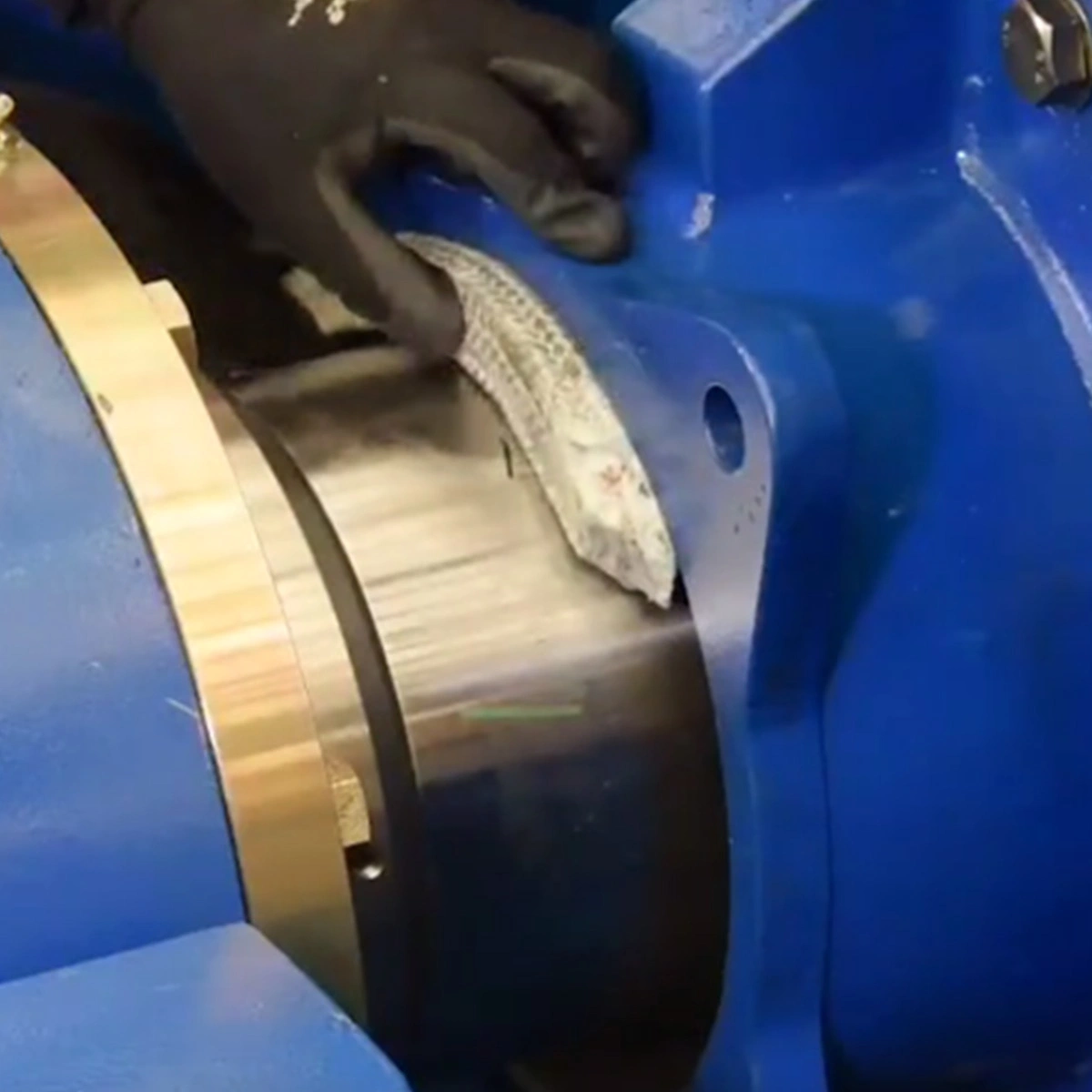
2. When to Consider PTFE Packing
PTFE packing is not a universal answer for every chemical pump. The better approach is to match the operating conditions with the performance advantages of PTFE.
2.1 Corrosive media
PTFE has good resistance to most common acids, alkalis, and many chemical media.
Therefore, for chemical pump services where ordinary packing materials fail frequently due to chemical degradation, PTFE packing offers clear value.
2.2 Services sensitive to friction and shaft sleeve wear
Packing in rotating pumps must remain in constant contact with the shaft sleeve. If the packing has poor friction characteristics, it generates more frictional heat during operation and accelerates wear of both the packing and shaft sleeve.
PTFE has low friction characteristics. Under suitable conditions and with reasonable compression, it helps reduce frictional heat and wear. For applications where packing heat, shaft sleeve wear, or frequent adjustment are concerns, PTFE packing should be evaluated.
2.3 Intermittent operation or applications requiring high material stability
Some chemical pumps do not run 24/7, but start and stop frequently.
Under these conditions, packing goes through repeated shutdown, startup, frictional heating, and cooling cycles. This places higher demands on material stability and sealing recovery.
PTFE’s good chemical stability and low friction make it advantageous in some intermittently operated equipment.
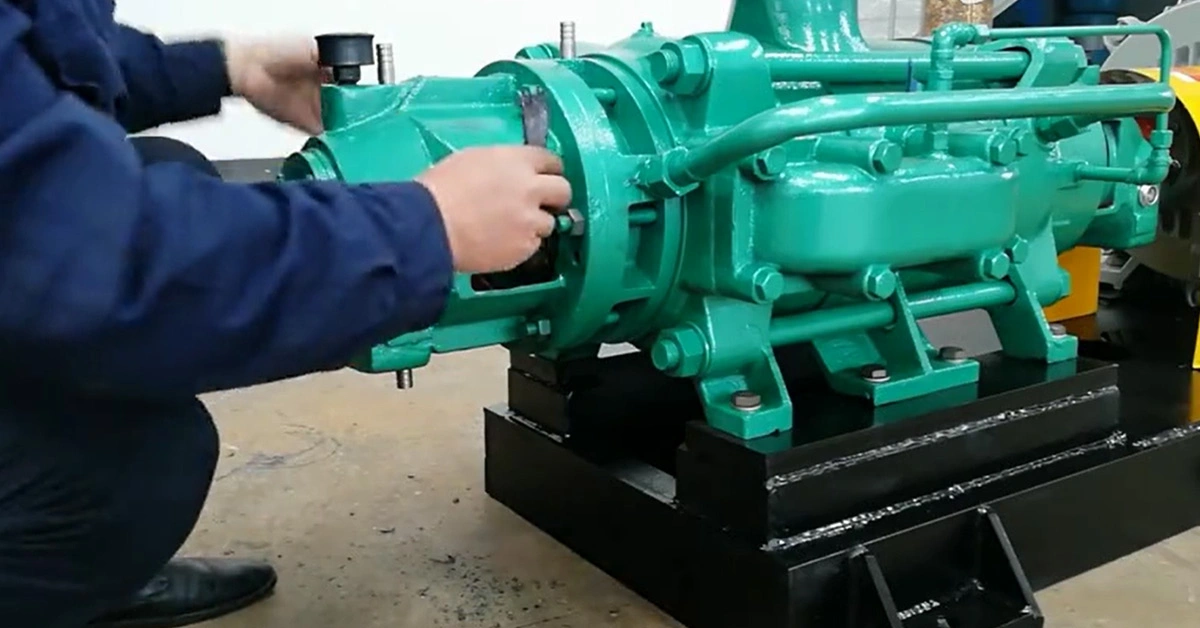
3. How to Select PTFE Packing
| Typical Service | PTFE Packing Option to Consider | Main Limitations |
| Clean, highly corrosive media | Pure PTFE packing | No particles, linear speed ≤8 m/s |
| General chemical media, higher heat dissipation required | Graphite-filled PTFE packing | Not suitable for strong oxidizing media |
| Higher pressure or mechanical load | Carbon fiber reinforced PTFE packing | Shaft sleeve must be hardened |
| Soft particles present in small amounts, high wear risk | Aramid fiber reinforced PTFE packing | Cooling/flushing required |
This table is only for initial screening. Final selection should also consider the media, temperature, pressure, shaft speed, particle content, shaft sleeve material, and flushing conditions.
4. Real-World Case: How PTFE Packing Extends Maintenance Intervals
At one chemical plant, a centrifugal pump handling high-temperature phosphoric acid had already gone through three rounds of standard packing replacement because of the highly corrosive media. Each time, leakage started within 45 days, and the site had to shut down frequently for repairs.
Problem Analysis
Inspection after removal showed the old packing had obvious softening, hardening, and localized charring. The standard packing degraded in the high-temperature acidic media, and frictional heat further accelerated packing failure.
Solution
The original standard packing was replaced with a chemical-resistant PTFE packing. The reinforced structure was selected according to the pump’s temperature, speed, and sealing requirements.
PTFE offers good chemical stability and low friction. It reduces media corrosion and frictional heat during operation, which improves packing service stability.
Results
After the change, the pump ran continuously for three months without visible leakage. Maintenance frequency dropped significantly. When the packing was later removed for replacement, the old packing was still largely intact, with no severe cracking or charring.
| Indicator | Before | After |
| Packing life | About 45 days | More than 3 months |
| Leakage condition | Liquid seepage at flange, heavy mist | Stable operation |
| Maintenance | Frequent shutdown and replacement | Maintenance frequency significantly reduced |
Case note: For high-temperature, highly corrosive chemical media, selecting a PTFE packing matched to the service, combined with correct installation and reasonable adjustment, can reduce packing degradation and frequent leakage, and extend maintenance intervals.
5. Is Your Chemical Pump Suitable for PTFE Packing?
PTFE packing resists corrosion and generates low friction, but it is not suitable for every chemical pump. Start by checking the following.
Services Better Suited to PTFE Packing
- Acid, alkali, and salt solutions, and many chemical media
- Applications requiring high corrosion resistance and low friction
- Media without large amounts of hard particles
- Moderate pump speeds and relatively stable operating conditions
- Services where a small, stable leakage rate can be maintained through proper adjustment
Services Requiring Careful Selection
- High temperature:The specific temperature range depends on the packing grade and manufacturer’s data
- Large amounts of hard particles:Consider aramid fiber reinforced PTFE packing
- High-speed rotation:Choose a low-friction packing suited to high-speed service, and pay attention to cooling
- Special media:Elemental fluorine, molten alkali metals, and similar media are generally not recommended for direct use with standard PTFE packing

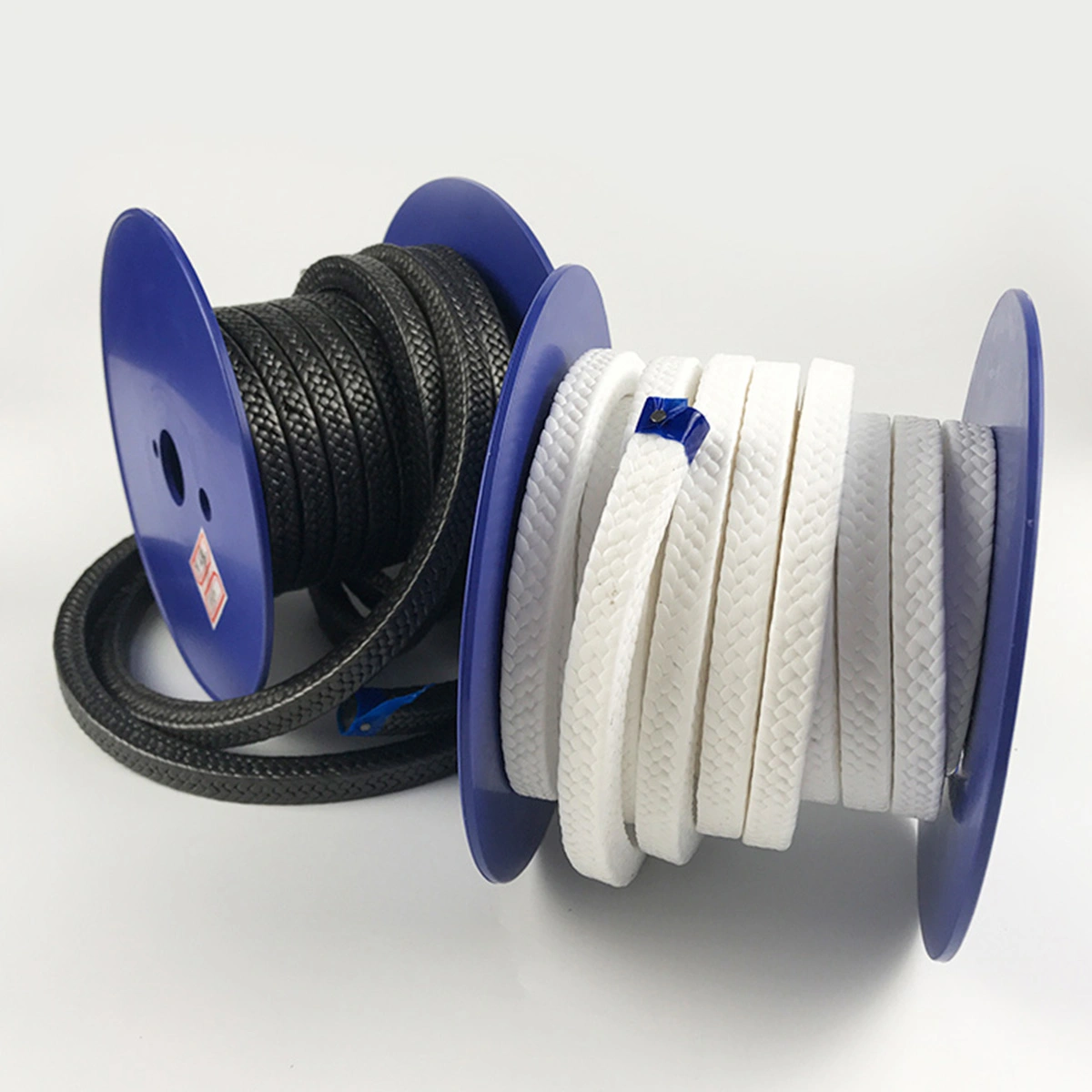
6.How to Install PTFE Packing Correctly
Correct installation has a major impact on sealing performance. In brief, clean the stuffing box, inspect the shaft sleeve and repair or replace it if worn, confirm the packing size, cut and seat each ring correctly with offset joints, and adjust the gland gradually after startup while monitoring leakage, temperature, and vibration. Do not chase zero leakage; a small controlled leakage helps carry away frictional heat. For the detailed step-by-step procedure, see our related blog: How to Install PTFE Packing Correctly: Step-by-Step Guide.
7. Common Faults
| Field Symptom | Possible Cause | What to Check First |
| New packing leaks soon after installation | Wrong size, cutting or installation problem, worn shaft sleeve | Check dimensions, installation, and shaft sleeve |
| Obvious heating after startup | Gland too tight, excessive friction, insufficient cooling | Check gland loading and cooling conditions |
| Severe localized packing wear | Abnormal shaft sleeve surface, shaft eccentricity, uneven pressure | Check shaft sleeve and pump shaft condition |
| Packing extrusion | High pressure, insufficient extrusion resistance of stuffing box design or packing | Check design and reinforcement options |
| Obvious grooves on shaft sleeve | Particle wear, excessive gland loading, packing material not matched to service | Check media, packing, and flushing |
| Leakage continues after gland adjustment | Damaged shaft sleeve, pump shaft eccentricity, abnormal stuffing box | Do not keep simply tightening the packing |
Conclusion: Longer Maintenance Intervals Require More Than Changing the Packing
Frequent chemical pump packing failures are usually linked to material selection, shaft sleeve wear, installation method, gland adjustment, cooling and flushing, and pump operating conditions. PTFE packing can reduce material degradation, frictional heat, and abnormal wear in suitable applications, but truly extending maintenance intervals requires a whole-system approach: inspect the shaft sleeve, confirm the service conditions, select the correct packing, install it properly, adjust the gland reasonably, and optimize cooling and flushing. The goal is not zero leakage but a stable, controllable sealing condition—resulting in fewer packing replacements, less unplanned downtime, lower maintenance costs, and longer sealing maintenance intervals.
