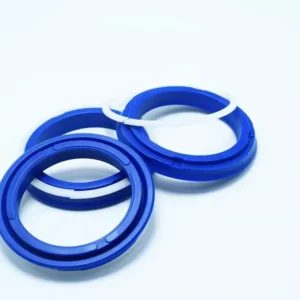
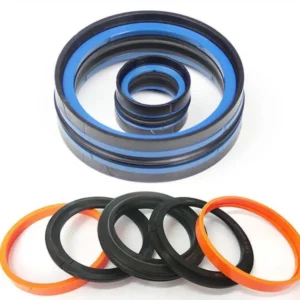
Product Overview
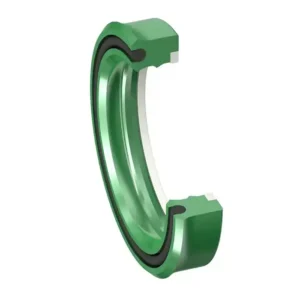
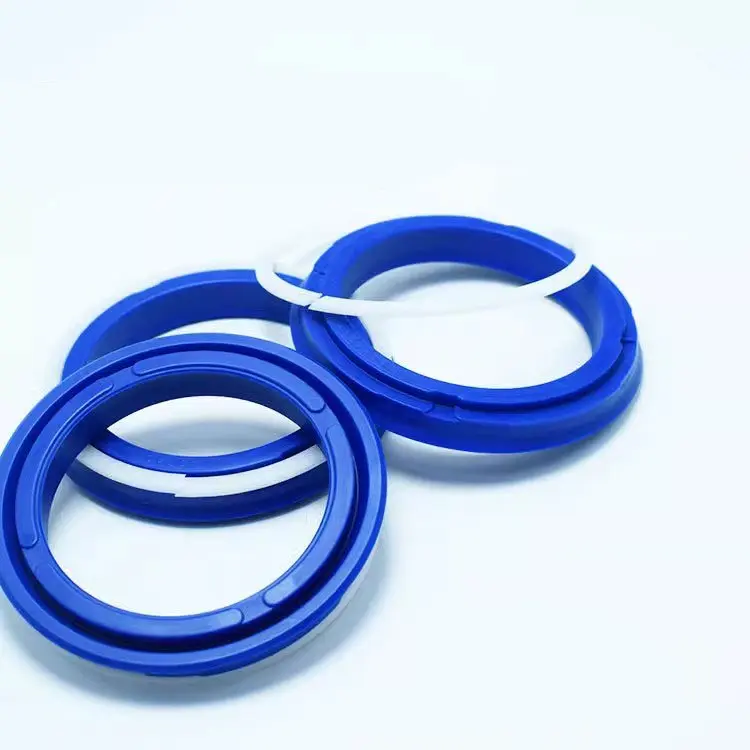
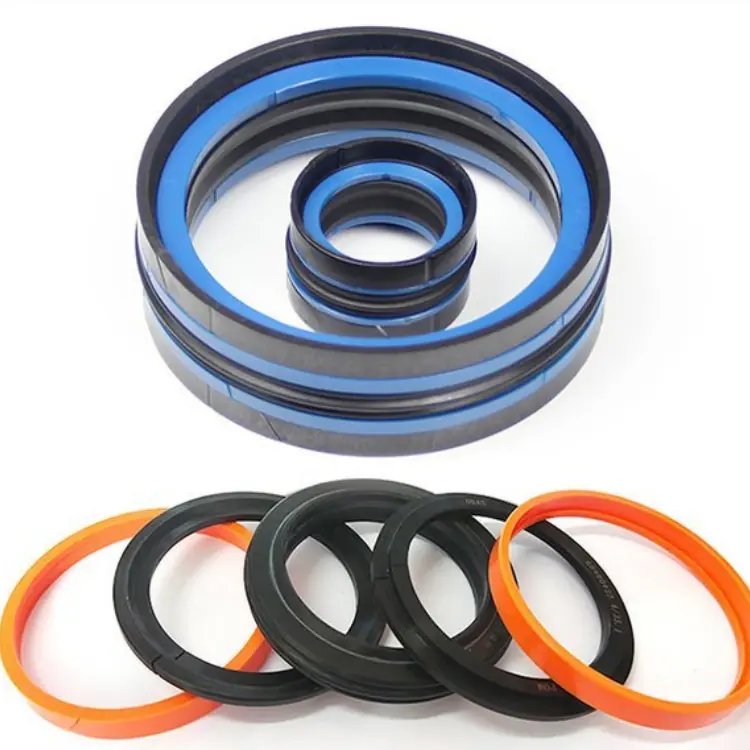
Pneumatic piston seals are specialized dynamic seals installed in the piston groove of air cylinders to seal the piston against the cylinder bore while minimizing friction and wear. Unlike hydraulic piston seals, pneumatic piston seals are optimized for compressible media (air), lower system pressures and higher operating speeds, and emphasize low break-away and running friction for efficiency and responsiveness in automation and handling equipment.
(Keywords: pneumatic piston seal, air cylinder piston seal, piston ring seal, pneumatic piston seals).
Key Features
-
Low friction, fast response — suitable for high cycle pneumatic systems.
-
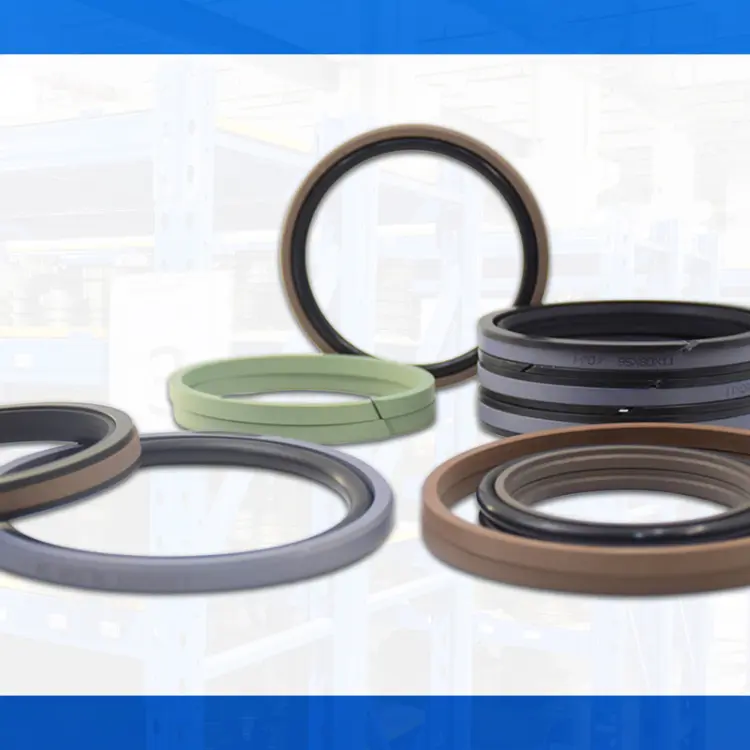
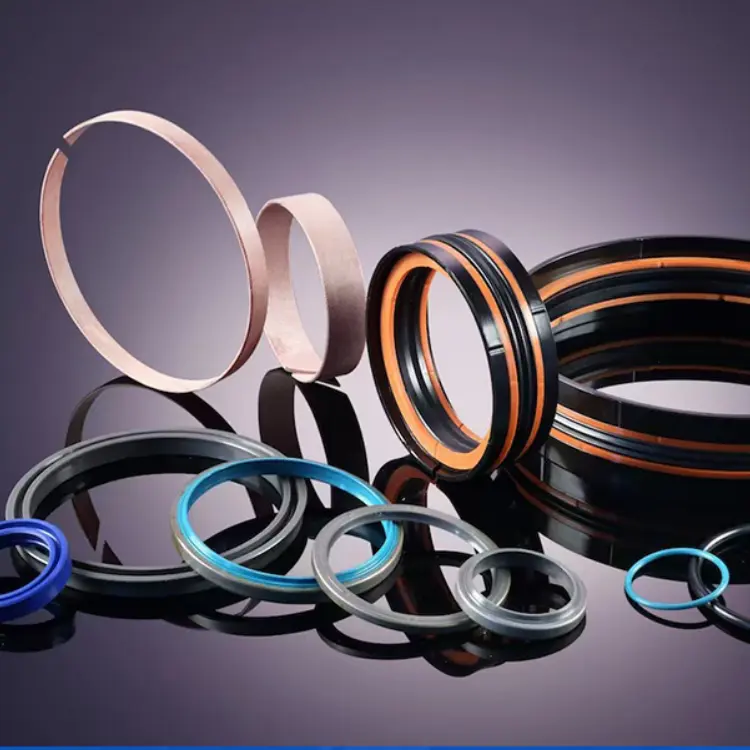
Multiple material options (PU, NBR, HNBR, PTFE/filled PTFE) to match media, temperature and wear requirements.
-
Profiles for single-acting, double-acting and compact/short-stroke cylinders.
-
Good dust and contamination tolerance with available lip/wiper combinations.
-
Low extrusion risk for typical pneumatic pressures (designed for 0–16 bar / ~232 psi classes depending on profile/material).
Materials & Performance
Common materials and when to use them
-
Polyurethane (PU / Thermoplastic urethane) — excellent abrasion resistance, high wear life; common for standard pneumatic loads and moderate speeds.
-
NBR (Nitrile), HNBR — good all-round performance, low cost; used where oil or grease contamination may appear.
-
PTFE & PTFE-filled compounds — ultra-low friction and chemical resistance; used for very low friction requirements or wide temp ranges.
Typical operating envelope
-
Bore / diameter range: commonly available from ~4 mm up to 250 mm (0.157–10 in) for standard profiles.
-
Pressure (typical pneumatic): up to ~1.6 MPa (≈232 psi) for certain profiles—most pneumatic piston seals are selected for lower pressures (e.g., 0–10 bar) depending on application and profile.
-
Temperature: typical service ranges −40 °C to +85 °C for elastomers; PTFE variants extend higher depending on compound.
-
Surface speed: up to ~1 m/s (3 ft/s) for many pneumatic profiles; check profile datasheet for exact limits.
Applications
-
Industrial automation and pick-and-place cylinders
-
Packaging machinery
-
Robotic actuators and end-effectors
-
Pneumatic valves and compact cylinders in OEM equipment
-
Conveying, handling, and material-lifting systems
(Use aliases in copy where relevant: “air cylinder piston seal”, “piston ring seal”, “pneumatic cylinder seal”.)
Technical specifications (table)
| Parameter | Typical value / range |
|---|---|
| Bore (ID) range | 4 mm — 250 mm (0.157 in — 10 in). |
| Max recommended pneumatic pressure | up to 1.6 MPa (≈232 psi) for heavy-duty profiles; most pneumatics operate below 1.0 MPa. |
| Temperature range | −40 °C to +85 °C (elastomers); PTFE variants extend higher. |
| Max linear speed | up to 1.0 m/s typical for pneumatic profiles. |
| Typical cross-sections (examples) | 25 × 15 × 2.3 mm; 70 × 80 × 4.25 mm; custom molded sizes also available. |
Common sizes & sample part examples
-
Metric examples (common stock sizes): 25×15×2.3 mm (compact piston seal), 31.75×11.11×6.35 mm, 70×80×4.25 mm (single-acting PU).
-
Imperial examples: 1.5″ OD / 1.375″ ID styles and cross sections are widely stocked for retrofit applications.
Note: final part number and groove dimensions depend on piston groove design and seal profile; always consult the profile datasheet during design.
Why choose these pneumatic piston seals (advantages)
-
Optimized for low friction — faster cycle response and lower actuator hysteresis.
-
Long wear life with PU — highly abrasion-resistant for high cycle applications.
-
Versatile material options — match chemical exposure, temperature and abrasion needs.
-
Compact profiles for short stroke cylinders — reduce axial space without sacrificing seal performance.
Pneumatic vs Hydraulic piston seals
| Characteristic | Pneumatic piston seal | Hydraulic piston seal |
|---|---|---|
| Typical media | Compressed air (dry/greasy) | Hydraulic oil (incompressible) |
| Typical pressure design | Lower pressure (pneumatic ranges, up to ~1.6 MPa for special profiles) — emphasis on low friction | Higher pressures (often >10 MPa) — emphasis on extrusion resistance |
| Common materials | PU, NBR, HNBR, PTFE | PTFE, reinforced composites, high-pressure elastomers |
| Friction priorities | Low break-away & running friction | Seal integrity under high pressure; wear secondary |
| Typical use cases | Fast cycling pneumatic cylinders, automation | Hydraulic actuators, heavy machinery |
(This table highlights functional differences to guide correct seal selection and avoid using pneumatic-optimized seals in high-pressure hydraulic service.)
Installation & maintenance notes
-
Inspect bore surface finish and remove burrs; typical recommended surface finish is Ra ≤ 0.4 µm for PTFE variants and Ra ≤ 0.8 µm for elastomeric seals.
-
Provide correct groove depth and radial clearance per profile datasheet; compressed or loose fit affects performance.
-
Use light assembly lubricant compatible with media; avoid contaminants and oversized ring stretching.
-
Periodic inspection recommended in high cycle applications; replace at wear limits or leakage onset.
Downloads
E-E-T-A
-
Experience: Decades of precision sealing production lines and supplying OEM automation and aftermarket service parts.
-
Expertise: In-house application engineers validate groove geometry, material selection and life-cycle predictions for pneumatic systems.
-
Authoritativeness: We supply industry standard seal profiles and custom tooling; technical drawings and material certificates are available on request.
-
Trustworthiness: All batches are inspected with traceable lot records; sample testing and dimensional reports provided for new orders.
FAQ
Q — How do I choose between PU and PTFE for my pneumatic piston seal?
A — Choose PU for high abrasion and high cycle life at standard pneumatic pressures. Choose PTFE (or PTFE-filled) when ultra-low friction or wide temperature/chemical resistance is required.
Q — What information do you need to provide a quote?
A — Bore diameter, piston groove dimensions (cross-section), cylinder type (single/double acting), expected pressure, operating temperature, speed and medium. Samples or photos of existing seals help speed quoting.
Q — Can I get custom sizes or molded assemblies?
A — Yes. We offer molded and machined seal rings and assemblies for special diameters and compound requirements; minimum order quantities and lead times vary by profile.
Q — Do you provide pre-assembly or piston kits?
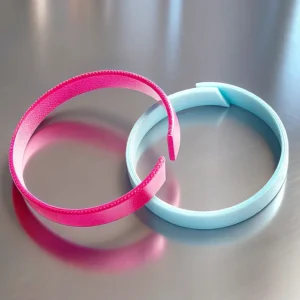
A — Yes. We can deliver piston seal kits with expanders, wear rings and backup rings per customer assembly spec.
Call to Action / Contact
Hengshui Aohong— Mechanical Seals Division
-
Email: sales@aohongglobal.com (for datasheet requests and fast quotes)
-
Phone: +(86) 153 7318 1024 (please replace with your official number)