
Selecting the wrong circular sight glass material leads to cracking, leakage, or clouding — almost always because the glass couldn’t handle the actual temperature, pressure, or chemical environment, not because of a manufacturing defect.
This guide helps engineers and maintenance teams pick the right material by comparing the three standard industrial options: borosilicate, quartz, and soda-lime glass.
Step 1: Define the Real Operating Conditions
Before you look at glass types, get these numbers from the equipment datasheet:
Temperature: continuous value, maximum excursions, and whether thermal cycling (rapid heat/cool) is present.
Pressure: normal, surge, and design pressure. Always keep a safety margin.
Media: chemical composition, pH, concentration, abrasives, and cleaning chemicals (CIP/SIP). Chemical compatibility usually decides service life.
Note on ratings: The values in this article refer to the glass material itself. The complete circular sight glass assembly may have lower temperature and pressure limits depending on gasket, flange, and mounting design.
Step 2: Material Comparison Table (Core Data)
| Property | Borosilicate Glass | Quartz Glass | Soda-Lime Glass |
| Max Continuous Temp. | 280 °C | 1000 °C | 150 °C |
| Max Working Pressure | 6.4 MPa | 6.4 MPa | 4.0 MPa |
| Thermal Expansion (CTE) | ~3.3 × 10⁻⁶ /K | ~0.55 × 10⁻⁶ /K | ~9.0 × 10⁻⁶ /K |
| Thermal Shock Resistance | Excellent | Outstanding | Poor |
| Chemical Resistance | Very Good | Excellent (avoid hydrofluoric acid) | Limited |
| Optical Clarity | High | Exceptional | Good |
| Typical Standard | DIN 7080 | DIN 7081 | DIN 8902 |
| Relative Cost | Moderate | High | Low |
Data sources: DIN 7080, DIN 7081, DIN 8902, and typical manufacturer specifications. Actual values may vary by glass thickness, diameter, and assembly design.
When to Use Each Material — at a Glance
Borosilicate Glass
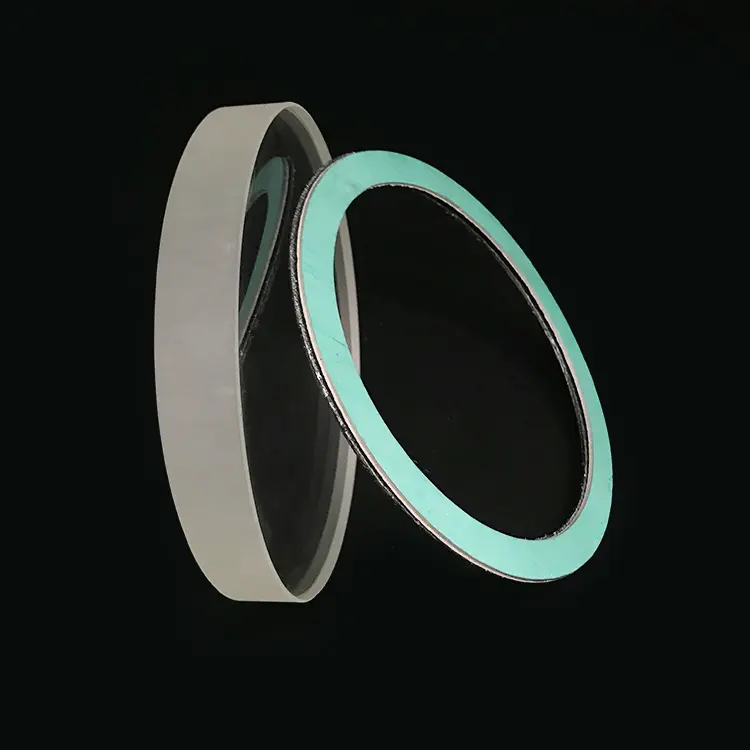
The workhorse for 90% of industrial applications. Use it for level gauges, food/pharma equipment, and general chemical processing up to 280 °C. Excellent thermal shock resistance. Avoid only hot concentrated phosphoric acid and strong hot alkalis over long periods.
Common applications:
Sight glass level indicators
Food and pharmaceutical viewports
Chemical reactor windows
CIP/SIP systems
Browse our borosilicate circular sight glasses conforming to DIN 7080.
Quartz Glass
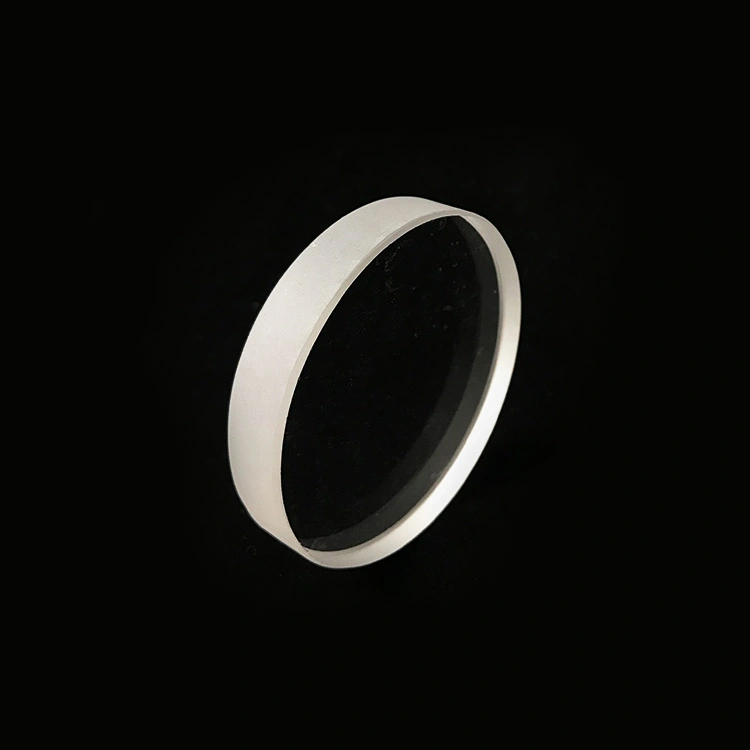
For extreme heat (up to ~1000 °C) or highly corrosive media (concentrated sulfuric, nitric, hydrochloric acids). Boiler sight glasses, furnace windows, harsh chemical reactors. Higher upfront cost, but usually the cheapest over the lifecycle in severe service. Never use with hydrofluoric acid.
Common applications:
Boiler sight glasses
Furnace observation windows
High-temperature chemical reactors
UV or high-clarity optical ports
See our quartz sight glasses manufactured to DIN 7081.
Soda-Lime Glass
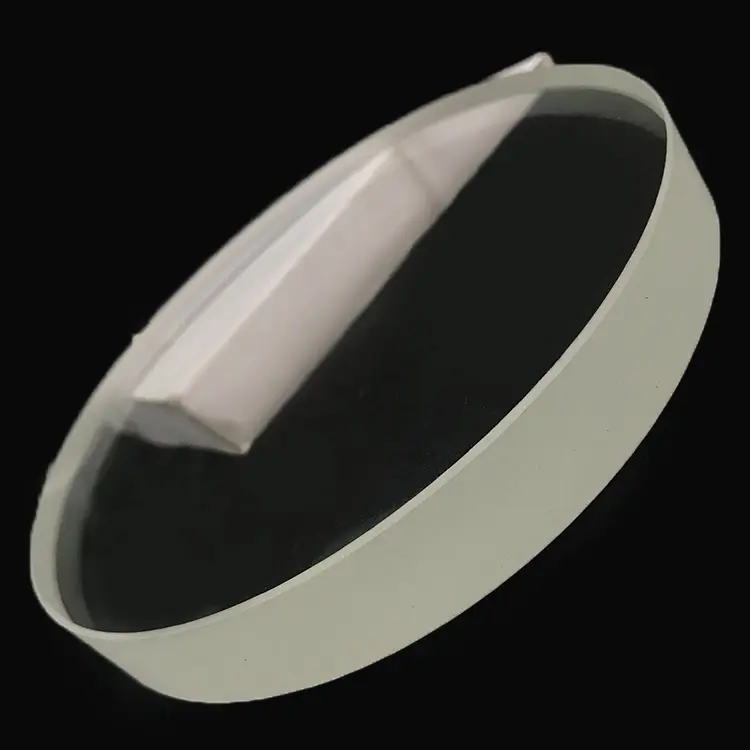
Budget option for low-demand spots: atmospheric tanks, ambient-temperature level indicators, non-corrosive oils. Keep below 150 °C and 4.0 MPa. Be aware that long-term exposure to water or alkaline solutions can cause surface weathering.
Common applications:
Atmospheric tank level indicators
Ambient-temperature oil sight glasses
Non-corrosive liquid level gauges
View our soda-lime glass available in DIN 8902.
Step 3: One-Minute Selection Workflow
Use this quick filter to narrow down the material:
Temperature filter:
280 °C → Quartz
150–280 °C → Borosilicate
< 150 °C → all three possible
Chemical filter:
Strong acids / aggressive chemicals → Quartz
Mild chemicals → Borosilicate
Non-corrosive only → Soda-lime
Pressure check:
Confirm the material’s pressure rating leaves a safe margin above your maximum surge pressure.
Chemical Compatibility Quick Reference
The table below is a general guide for common media. Always verify with your specific concentration, temperature, and cleaning chemicals before final selection.
| Media | Borosilicate Glass | Quartz Glass | Soda-Lime Glass |
| Water / Steam | Good | Excellent | Fair |
| Concentrated Sulfuric Acid | Good | Excellent | Poor |
| Concentrated Nitric Acid | Good | Excellent | Poor |
| Concentrated Hydrochloric Acid | Good | Excellent | Poor |
| Hydrofluoric Acid (any concentration) | Not recommended | Not recommended | Not recommended |
| Hot Concentrated Phosphoric Acid | Poor | Good | Poor |
| Strong Hot Alkalis (e.g., NaOH) | Fair/Poor | Fair | Poor |
| Neutral Oils | Excellent | Excellent | Good |
| Organic Solvents | Excellent | Excellent | Good |
Important: Hydrofluoric acid attacks all silica-based glasses and must be avoided in any sight glass application.
Quick Design Checks Beyond Glass Material
Even the right glass fails if the surrounding assembly is wrong.
Gasket Compatibility
PTFE, graphite, EPDM, or FKM must match your temperature and media. The gasket often limits the maximum service temperature of the complete sight glass unit.
Installation
Uniform bolt tightening, clean sealing surfaces, and avoiding localized stress prevent most premature failures. For quartz sight glasses, extra care is needed because edge defects can concentrate stress.
Thermal Cycling
If your process involves rapid heating and cooling, choose a glass with low thermal expansion. Quartz is the best, followed by borosilicate. Soda-lime is not recommended for thermal cycling.
Frequently Asked Questions
Q: Max temp for borosilicate sight glass?
A: Continuous service up to 280 °C, depending on design and standard.
Q: Can quartz glass handle concentrated sulfuric acid?
A: Yes, excellent resistance. The major exception is hydrofluoric acid.
Q: Which glass is best against thermal shock?
A: Quartz, due to its near-zero thermal expansion.
Q: Is soda-lime glass okay for pressure vessels?
A: No. It is intended for low-pressure, low-temperature applications. For pressurized equipment, use borosilicate or quartz.
Q: What is the difference between DIN 7080, DIN 7081, and DIN 8902?
A: DIN 7080 covers borosilicate sight glasses, DIN 7081 covers quartz sight glasses, and DIN 8902 covers soda-lime sight glasses. Each standard defines dimensions, tolerances, and material requirements.
Need Product Specifications to Finalize Your Selection?
Download our complete Circular Sight Glass Catalog for detailed dimensions, pressure ratings, and DIN cross-references for all three glass types.
Get the DIN 7080/7081/8902 Sight Glass Catalog →
For a free compatibility check against your specific media, contact our engineering team directly.
