

Executive Summary
High-temperature diesel generator exhaust systems are a common source of excessive heat, maintenance challenges, and safety risks in engine rooms and power generation facilities. When exhaust manifolds, turbochargers, and piping operate continuously at temperatures between 500°C and 600°C, traditional rigid heat shields often fail to provide an effective long-term solution.
This case study examines how a marine equipment service company upgraded its exhaust insulation system using removable insulation blankets featuring a graphite coated fiberglass cloth outer layer. By replacing rigid metal shields with a modular insulation design, the company reduced radiant heat, improved maintenance efficiency, and enhanced equipment reliability.
The project demonstrates how selecting the right fiberglass cloth for high-temperature insulation applications can significantly improve both operational safety and maintenance performance.
Project Overview
| Item | Details |
| Industry | Marine & Power Generation |
| Equipment | Diesel Generator Sets |
| Power Range | 500–1,000 kW |
| Operating Temperature | 500–600°C |
| Primary Challenge | Excessive Exhaust Heat |
| Solution | Removable Insulation Blankets |
| Outer Jacket Material | Graphite Coated Fiberglass Cloth |
| Evaluation Period | 6 Months |
Background: Why Exhaust Overheating Became a Serious Problem
A marine service company responsible for maintaining multiple diesel generator systems faced ongoing thermal management challenges.
During full-load operation, exhaust manifolds, turbochargers, and connecting exhaust piping regularly exceeded surface temperatures of 500°C. Existing thermal protection relied on rigid metal heat shields that provided only limited insulation and complicated maintenance procedures.
As operating hours accumulated, several recurring issues emerged:
Excessive radiant heat increased engine room temperatures.
Maintenance personnel were unable to safely access equipment until long after shutdown.
Insulation components were frequently left off after servicing because reinstallation was time-consuming.
Nearby cables, hoses, sensors, and electrical components experienced accelerated thermal aging.
Different technicians used different wrapping methods, resulting in inconsistent insulation performance.
The maintenance team concluded that the existing system was not only inefficient but also creating long-term reliability and safety risks.
Root Cause Analysis
A detailed engineering assessment identified four primary causes contributing to the overheating problem.
1. Uninsulated Exhaust Components Generated Excessive Radiant Heat
Large exhaust surfaces continuously released heat into the surrounding environment. Even when engine performance remained normal, the accumulated radiant heat elevated engine room temperatures and created burn hazards for maintenance personnel. Without a properly engineered insulation system, significant thermal energy was lost directly into the workspace.
2. Rigid Heat Shields Complicated Maintenance
Traditional metal shields required extensive disassembly before technicians could access critical components. Routine inspections, turbocharger servicing, and exhaust repairs often involved lengthy removal procedures. As a result, insulation was sometimes not reinstalled immediately after maintenance, leaving high-temperature surfaces exposed for extended periods.
3. Previous Outer Coverings Failed Prematurely
Several previous insulation solutions relied on low-performance external coverings. Under real operating conditions, these materials experienced surface cracking, mechanical abrasion, oil contamination, vibration damage, and accelerated aging. Once the protective outer layer deteriorated, the insulation system quickly lost effectiveness. The engineering team identified the outer jacket material as a critical factor influencing long-term insulation performance.
4. Lack of Standardized Insulation Design
Each generator had been insulated using different methods developed over time. Variations in blanket dimensions, fastening systems, and installation quality resulted in inconsistent performance and unpredictable maintenance outcomes. A standardized approach was necessary to improve both reliability and serviceability.
Engineering Solution: Modular Insulation Blankets with Graphite Coated Fiberglass Cloth
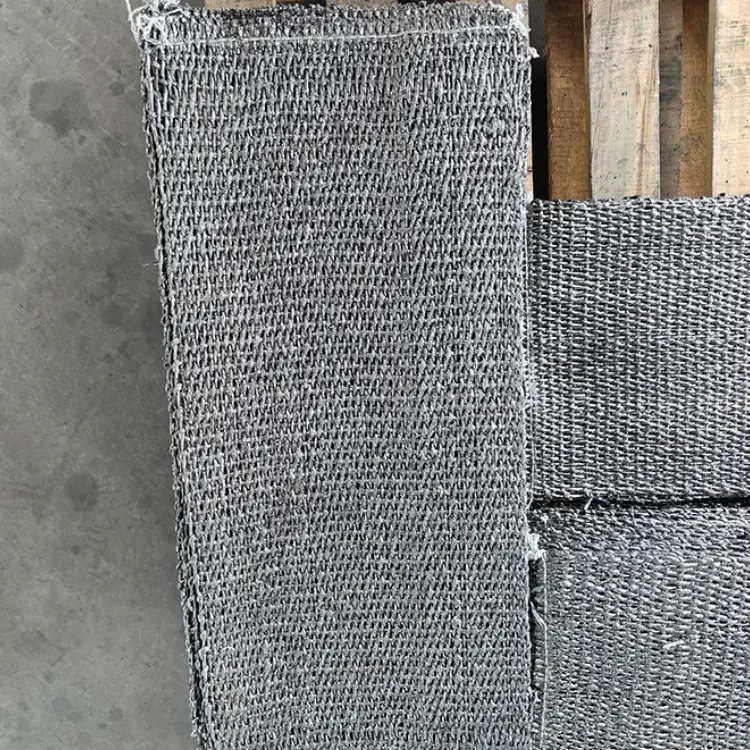
To address the identified issues, the engineering team redesigned the exhaust insulation system around removable insulation blankets. The most important design decision involved selecting the appropriate outer protective layer. After evaluating several high-temperature fabrics, graphite coated fiberglass cloth was chosen as the outer jacket material.
Why Graphite Coated Fiberglass Cloth Was Selected
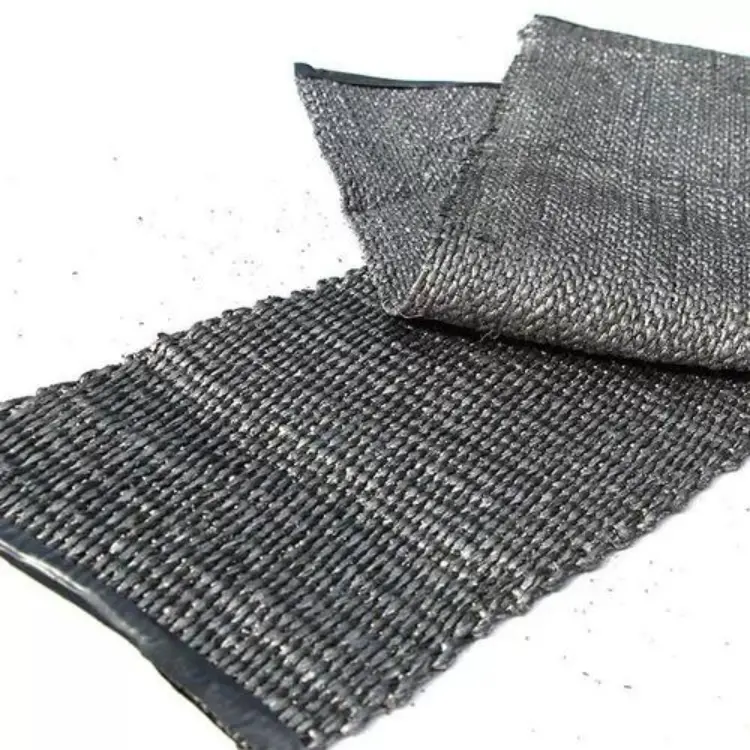
Graphite coated fiberglass cloth combines the thermal resistance of fiberglass with the enhanced surface protection provided by a graphite coating. For diesel exhaust insulation applications, this material offered several important advantages.
High Temperature Resistance – The fiberglass cloth construction provides reliable performance in continuous high-temperature environments commonly found around exhaust manifolds and turbochargers.
Enhanced Radiant Heat Protection – The graphite coating improves resistance to radiant heat compared with many conventional fiberglass fabrics.
Excellent Mechanical Durability – Engine vibration, maintenance activity, and equipment movement can quickly damage ordinary insulation coverings. The graphite-coated surface provides improved abrasion resistance and longer service life.
Resistance to Oil and Fuel Contamination – Engine rooms frequently expose insulation materials to oil mist, fuel residue, and industrial contaminants. Graphite coated fiberglass cloth offers improved durability under these operating conditions.
Flexibility for Complex Geometries – The material conforms easily around turbocharger housings, exhaust elbows, expansion joints, manifolds, and irregular piping sections. This flexibility allows complete coverage without compromising insulation effectiveness.
Insulation Blanket Design Features
The redesigned system incorporated several engineering improvements beyond material selection.
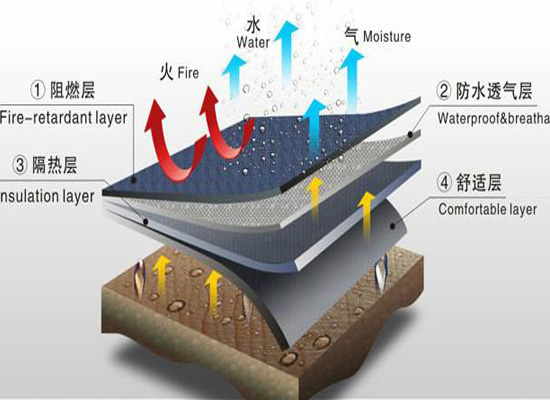
Modular Construction – Individual sections can be removed independently without dismantling the entire insulation system.
High-Temperature Insulation Core – The internal insulation layer minimizes conductive heat transfer while maintaining structural stability.
Standardized Fastening System – Uniform fastening methods improve installation consistency and reduce maintenance variability.
Reusable Design – The blankets can be removed and reinstalled repeatedly during routine maintenance activities.
Installation Process
The retrofit project was completed during scheduled maintenance shutdowns.
Step 1: Thermal Assessment – Infrared thermal imaging was used to identify high-temperature zones throughout the exhaust system.
Step 2: Custom Design – Each insulation blanket was engineered to match the dimensions of its specific component.
Step 3: Removal of Existing Insulation – Old heat shields and damaged insulation materials were removed and inspected.
Step 4: Installation of New Blankets – Custom blankets featuring graphite coated fiberglass cloth outer jackets were installed on all targeted components.
Step 5: Inspection and Adjustment – Fasteners were adjusted to ensure proper coverage and secure positioning.
Step 6: Thermal Verification – Infrared imaging was repeated after startup to verify insulation performance.
A preventive maintenance program was subsequently implemented to monitor blanket condition and ensure long-term reliability.
Results After Six Months of Operation
Following approximately six months of continuous service, the upgraded insulation system delivered measurable operational improvements.
Reduced surface temperatures – Insulated exhaust components exhibited significantly lower external surface temperatures. Maintenance personnel were able to approach equipment sooner after shutdown.
Improved working environment – Reduced radiant heat lowered overall engine room heat exposure and improved operator comfort.
Faster maintenance operations – The removable blanket design dramatically reduced insulation removal and reinstallation time.
Consistent insulation coverage – Unlike previous systems, insulation was consistently reinstalled after servicing, eliminating prolonged exposure of hot exhaust components.
Reduced thermal stress on adjacent equipment – Nearby cables, sensors, hoses, and instrumentation experienced less heat exposure, helping extend service life.
Excellent jacket durability – Routine inspections showed minimal wear on the graphite coated fiberglass cloth outer jackets despite continuous exposure to vibration and elevated temperatures.
Lessons Learned: Best Practices for Exhaust Insulation Using Fiberglass Cloth
This project reinforced several important engineering principles.
Select the outer jacket carefully – The performance of an insulation blanket depends heavily on the durability of its outer protective layer.
Use a composite insulation system – Fiberglass cloth should be combined with a properly selected insulation core to achieve optimal thermal performance.
Prioritize maintainability – Insulation systems that are difficult to remove often remain damaged or incomplete after maintenance.
Standardize design and installation – Consistent dimensions, fastening methods, and inspection procedures improve long-term reliability.
Establish routine inspections – Regular inspections help identify damage before insulation performance deteriorates.
Why Fiberglass Cloth Plays a Critical Role in Exhaust Insulation
Many high-temperature insulation failures occur not because the insulation core is inadequate, but because the external protective layer deteriorates first. In demanding diesel generator environments, fiberglass cloth serves as the foundation of a reliable insulation jacket by providing high-temperature resistance, mechanical protection, dimensional stability, flexibility, and long-term durability. When enhanced with a graphite coating, this engineered fabric becomes an even more effective solution for protecting insulation systems exposed to heat, vibration, and contamination.
Conclusion
This diesel generator exhaust insulation project demonstrates that thermal management challenges can often be solved through better insulation system design rather than more complex equipment modifications.
By replacing rigid heat shields with removable insulation blankets featuring graphite coated fiberglass cloth, the maintenance team successfully reduced radiant heat, improved service efficiency, and increased overall operational safety. For marine, power generation, oil & gas, and industrial facilities operating high-temperature exhaust systems, selecting the right outer jacket material can have a significant impact on insulation longevity, maintenance efficiency, and equipment reliability. When properly engineered, removable insulation blankets provide a practical and cost-effective solution for controlling exhaust heat while supporting long-term operational performance.
Need a custom fiberglass cloth insulation solution for your exhaust system? Contact our engineering team for a consultation.
