
1. How do I pick the right type of non-asbestos gasket sheet for my operating conditions?
Selection turns on three things: the fluid or gas in the line, the working temperature, and the maximum pressure. For oil and fuel services, choose an oil-resistant grade with an NBR binder. Acidic or caustic chemicals call for an acid-resistant sheet, often PTFE-filled or based on specialty fibers. General-purpose sheets handle water, mild steam, and neutral media. Every grade has a published temperature and pressure ceiling—stay below both. Exceeding the limits breaks down the binder and turns the sheet brittle or soft, which destroys the seal. When in doubt, pull the manufacturer’s chemical compatibility chart and line it up against your worst-case process figures.
 2. Can non-asbestos gasket sheets only be cut into gaskets?
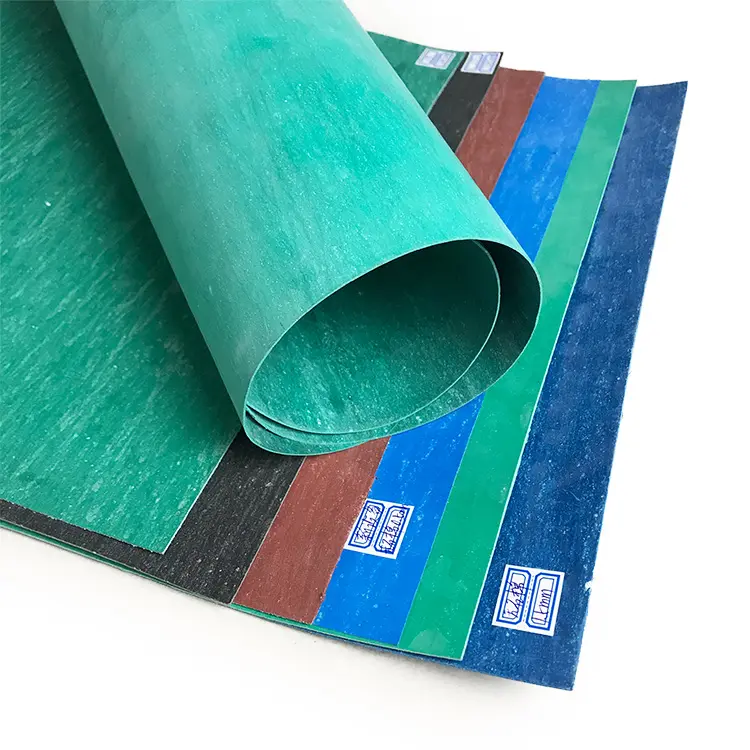
Not at all. Flat sheet stock is meant to be cut to whatever shape the job needs. Simple rings for pipe flanges are the most common, but you can just as easily cut sealing strips, rectangular pads for valve bonnets, custom profiles for reactor lids, or one-piece gaskets for oddly shaped inspection ports. The same material works across a long list of sealing applications—pipe connections, vessel heads, manways, heat exchanger covers, and more. The only limit is your template and how clean your cuts are.
3. Can a non-asbestos gasket sheet be reused after it’s been in service?
No. Once a non-asbestos gasket has been compressed and exposed to operating heat and pressure, the fiber and binder take a permanent set. It loses its ability to spring back, so the next time you bolt it up, it won’t conform to the flange faces properly and will almost certainly leak. Pulling a flange apart means the old sheet comes out and a fresh one goes in. There is no reliable way to bring a used non-asbestos gasket back to life.
4. What should I watch out for when cutting a gasket from sheet stock?
Start with an exact template taken from the flange or fitting. Mark the sheet cleanly and use a sharp blade or gasket cutter—one continuous pass works better than sawing back and forth. After cutting, run your thumb along the edges; any fuzz or burrs need to be trimmed off because they can catch debris, fold under during compression, or create a leak path. Keep the cut square to the surface so the edge isn’t beveled or torn. Support the sheet fully while cutting to stop it from cracking or delaminating. A ragged cut right from the start gives you a ragged seal down the road.
5. What should I do if a gasket sheet is damaged during service?
Shut the equipment down, depressurize the line, and drain it safely. Then pull the flanges apart and remove the damaged gasket entirely—don’t leave any remnants stuck to the sealing faces. Clean the joint surfaces down to bare metal, inspect for nicks or pitting that might have caused the failure, and cut a new gasket from fresh sheet stock. Reassemble using the proper torque sequence. A damaged gasket is never something to limp along with; it’s a leak that’s already decided when to happen.
6. How should I store non-asbestos gasket sheets so they don’t age prematurely?
Keep them laid flat in a cool, dry, well-ventilated area—heat and moisture are what accelerate aging. Avoid standing sheets on edge, which leads to warping and permanent curves that make them hard to seat later. Keep them out of direct sunlight and away from ozone sources like large electric motors. If possible, leave them in their original packaging until needed, or cover them to keep dust and shop grime off the surface. Stock that’s been on the shelf for a long time should be checked for hardening, surface cracks, or brittleness before you put a blade to it. Proper storage keeps the binder flexible and the sheet ready for a clean cut when the call comes.
