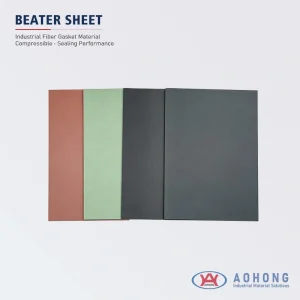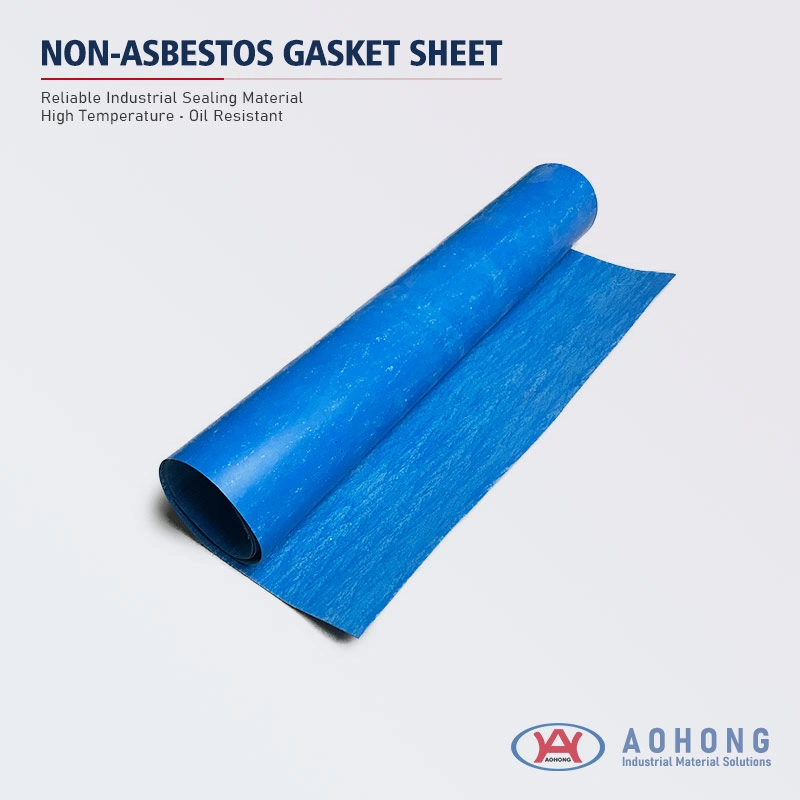
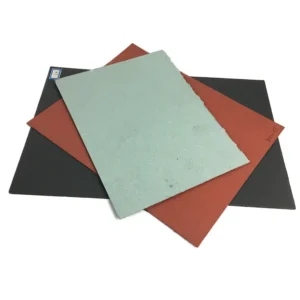
What is non-asbestos beater sheet?
Composition & manufacture
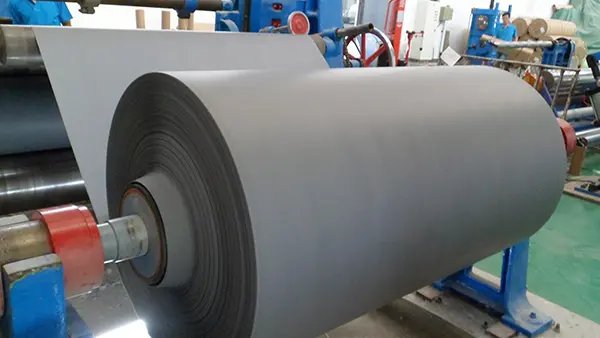
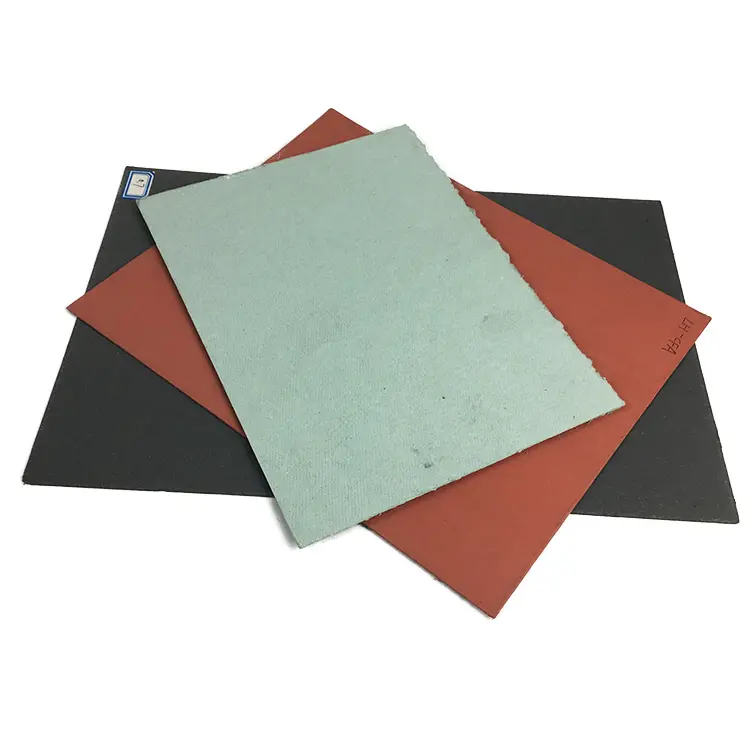
Non-asbestos beater sheet is produced by forming a paper-like web of cellulose/plant fiber blended with synthetic fibers (aramid, Kevlar) and fillers, then impregnating/bonding with a rubber emulsion (NBR/SBR) and curing (vulcanizing) to produce a smooth, dimensionally stable sheet. Variants include non-vulcanized beater paper, vulcanized beater sheet (smooth face), and metal-reinforced laminates for higher strength.
Export aliases
non-asbestos beater sheet, beater paper, beater gasket sheet, non-asbestos beater paper, vulcanized beater sheet, reinforced beater sheet.
Typical applications
-
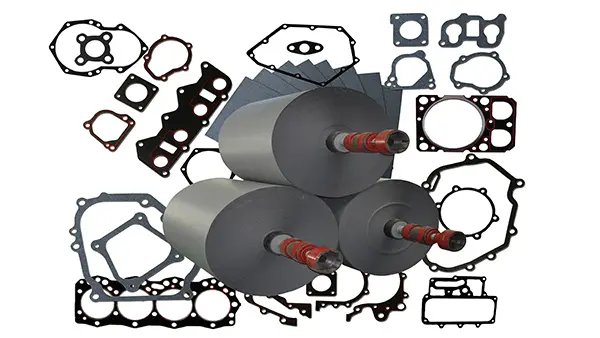
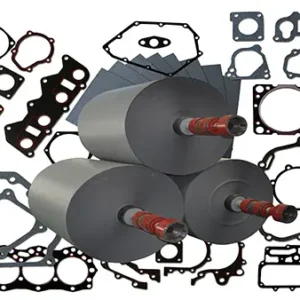
Automotive: oil-pan gaskets, valve cover gaskets, exhaust flange & cylinder head processing (where specified).
-
Light to medium flange sealing in lubrication systems and machinery.
-
OEM gasket manufacturers needing die-cut beater paper for high-volume production.
-
Engine rebuilders and aftermarket suppliers for oil-resistant, thin gasket materials.
Detailed technical specifications
| Property | Typical range / typical test |
|---|---|
| Material | Cellulose/plant fiber + synthetic fiber (aramid) + NBR/SBR rubber binder. |
| Thickness (standard) | 0.3, 0.5, 0.6, 0.8, 1.0, 1.5, 2.0 mm (± tolerance per supplier). |
| Sheet sizes (standard) | 500×1000 mm; 510×1016 mm; 1000×1000 mm; 1000×1500 mm; 1500×1500 mm. |
| Density | 0.9 – 1.7 g/cm³ (light beater paper → lower; vulcanized/reinforced → higher). |
| Tensile strength | ≥ 12.7 MPa (reinforced/vulcanized grades — typical supplier spec). |
| Compressibility | 10 ±5% to 15 ±5% (grade dependent). |
| Recovery | ≥ 40–45% (vulcanized sheets typically meet or exceed). |
| Oil swell / weight increase | ≤ 15–35% (varies with oil type and grade; check TDS). |
| Operating temperature | −40°C – 150°C typical; specific high-temp grades rated up to ~300°C (short term) — verify per grade. |
| Reinforcement options | Tanged carbon steel, SS mesh, stainless foil inserts; anti-stick silicon or graphite coatings available. |
Common sizes & variants
-
Standard non-asbestos beater sheets: 500×1000 mm, 510×1016 mm (20″×40″/20.1″×40″), 1000×1000 mm, 1000×1500 mm, 1500×1500 mm.
-
Thicknesses commonly stocked: 0.3, 0.5, 0.6, 0.8, 1.0, 1.5, 2.0 mm.
-
Variants: non-vulcanized paper, vulcanized smooth-face beater sheet, metal-reinforced (tanged steel/SS), NBR/NBR-coated, silicone-coated, perforated panels for cylinder head composites.
 Advantages
-
Thin, precise gasket material for tight-tolerance assemblies.
-
Controlled oil swell & resilience for lubricant systems (prevents leaks while allowing machining tolerance).
-
Available reinforced / tanged / vulcanized options for stronger mechanical performance in exhaust & engine applications.
-
Easier die-cutting & high-volume processing vs thicker gasket sheets.
-
Asbestos-free & regulatory-friendly: modern replacement for legacy asbestos beater paper.
Comparison — asbestos free beater sheet vs other thin gasket materials
| Feature | Non-Asbestos Beater Sheet | Vulcanized Non-Asbestos Sheet | Compressed Non-Asbestos | PTFE Tape/Sheet |
|---|---|---|---|---|
| Typical thickness | 0.3–2.0 mm | 0.5–3.0 mm | 0.5–6.0 mm | 0.5–10+ mm |
| Best use | Thin gaskets, oil pans, exhaust composites | Higher strength thin gaskets | Flange jointing, mid-pressure | Chemical inert sealing |
| Oil resistance | Good (engine grades) | Good | Binder dependent | Excellent |
| Compressibility & recovery | High compressibility, good recovery | Better recovery (vulcanized) | Medium | Variable |
| Die-cut friendliness | Excellent | Excellent | Good | Good |
| Cost | Low–mid | Mid | Mid | Higher |
FAQ
Q: What is your MOQ (minimum order)?
A: For standard stocked beater grades: 1 full sheet (or minimum pallet quantity for some SKUs). Custom reinforced or vulcanized batches may have MOQ (common examples: 100–300 pieces). Confirm at RFQ.
Q: Typical lead times?
A: Stock samples: 1–5 business days. Stock sheet orders: 3–10 business days. Custom vulcanized or reinforced runs: 2–6 weeks depending on batch and finishing. Expedited options may be available.
Q: How are samples & bulk shipments sent?
A: Samples via express courier with tracking. Bulk palletized shipments by road, sea or air freight — export docs (COO, invoice, packing list) provided.
Q: Do you provide die-cutting, tanged or reinforced panels?
A: Yes — die-cutting, waterjet/CNC, tanged metal inserts, vulcanized smooth face and coated finishes (silicone, graphite) are standard services. Provide DXF/CAD for quoting.
Q: Which grade is best for oil-pan gaskets vs exhaust gaskets?
A: Oil-pan / lubrication seals: thin, oil-resistant non-vulcanized or specially formulated vulcanized beater sheets with controlled oil swell. Exhaust / high-temperature: reinforced or tanged vulcanized beater sheets or metal-insert composite grades. Always validate with a sample & TDS.
Q: What tests & documents come with orders?
A: Standard: TDS and MSDS. On request: tensile, compressibility/recovery, oil swell, and batch material certificates or third-party test reports.
Q: How should beater sheets be stored?
A: Store flat, in original packaging, in a cool dry place away from direct sunlight and strong oxidizers. Avoid prolonged compression or folding.