Product overview
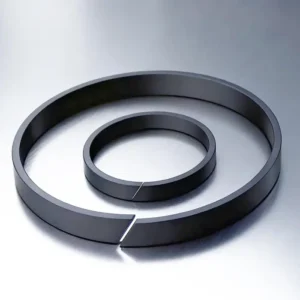
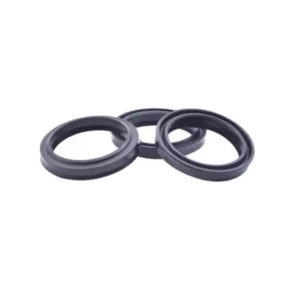
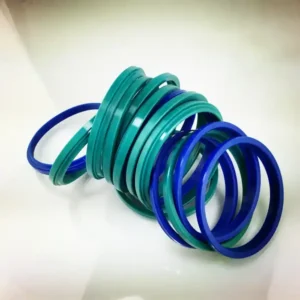
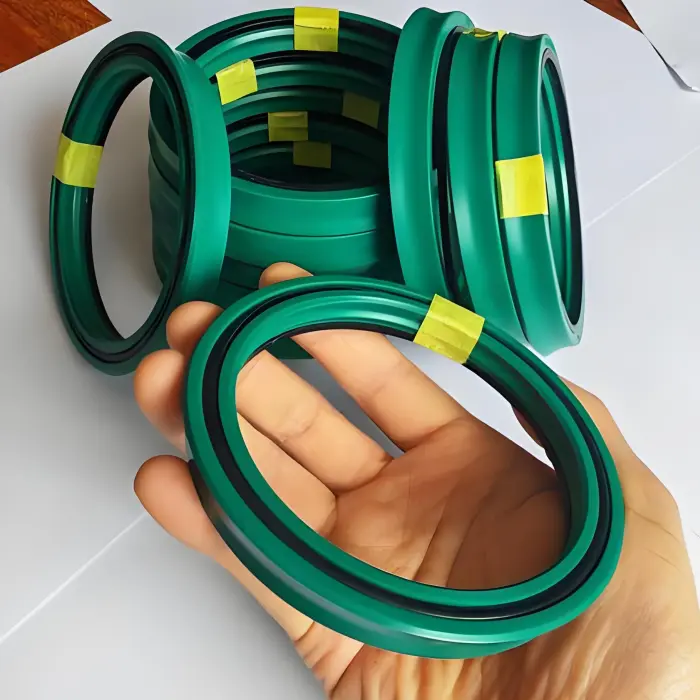
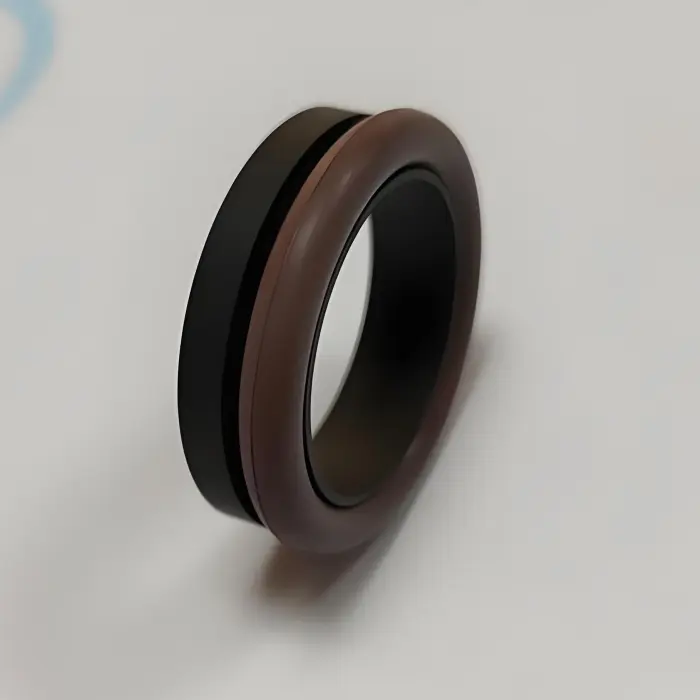
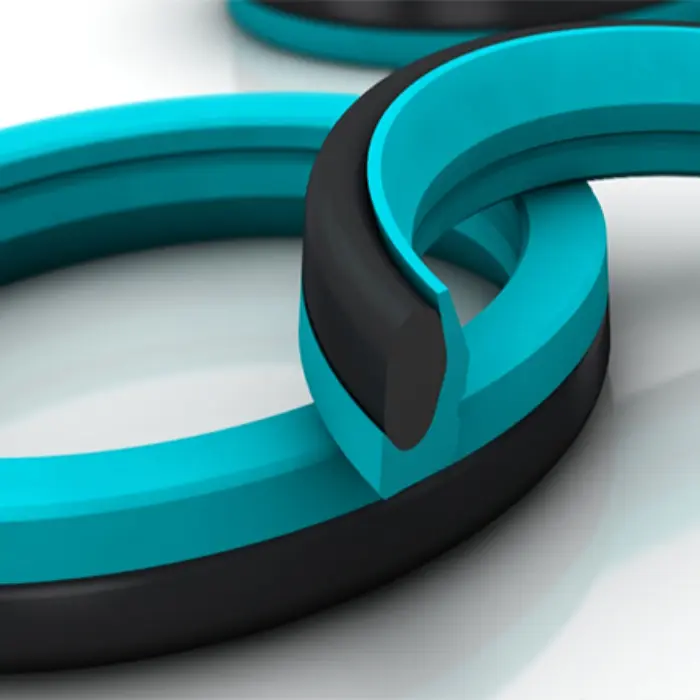
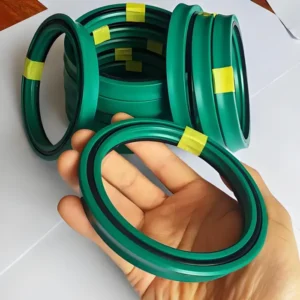
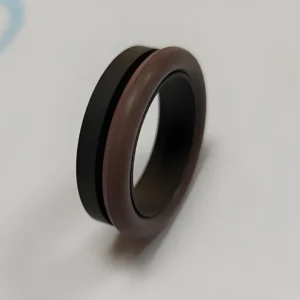
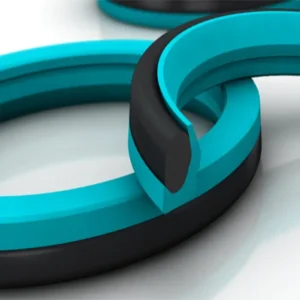
Hydraulic rod seals stop fluid from passing the reciprocating rod and protect internal components from contamination. Available as single-lip rod seals, U-cup rod seals, O-ring-energized PTFE cap seals and multi-element rod sealing packs (rod seal + wiper + buffer), our rod seals cover low-to-ultra high-pressure cylinders, mobile hydraulics and industrial actuators.
Key applications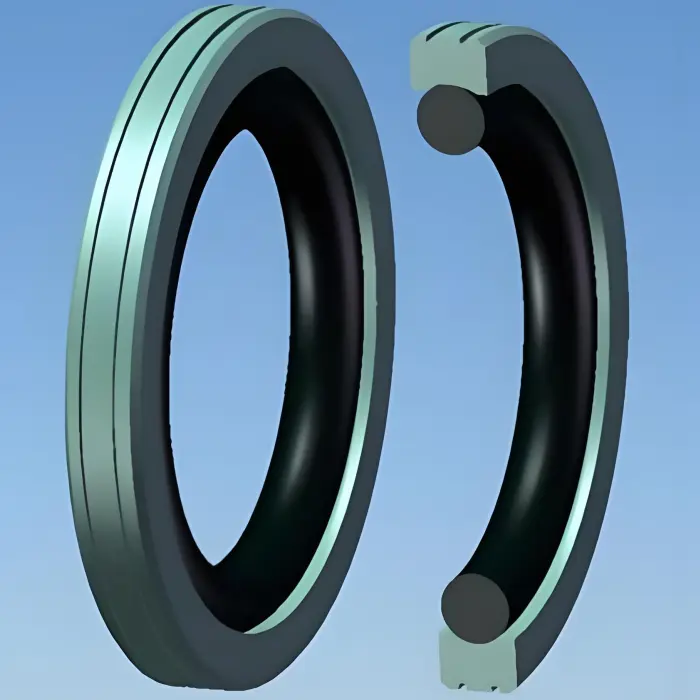
Typical industries
-
Mobile equipment (excavators, cranes, agricultural machinery)
-
Industrial hydraulics (presses, injection moulding, machine tools)
-
Material handling and lifting systems
-
Marine, energy and mobile valves
Typical functions
-
Primary dynamic sealing at the rod gland to retain hydraulic fluid and prevent external contaminants entering the cylinder.
-
Complemented by wipers and buffer/bearing rings to extend service life in abrasive environments.
Product types & common profiles
-
U-cup rod seals (rubber U-profile): economical, effective for moderate pressure and common in repair kits.
-
Lip / single-acting rod seals: common sealed lip geometry for single-direction sealing duties.
-
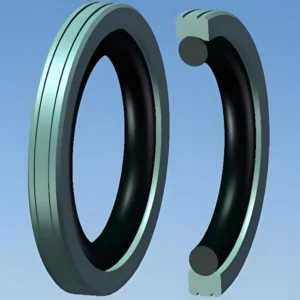
O-ring energized PTFE cap seals: very low friction and chemical resistance; used where stick-slip and long life are critical.
-
Multi-element rod sets: rod seal + buffer + wiper — designed for high pressure, long strokes and dirty environments.
Materials & typical performance (E-E-T-A)
Materials commonly used
-
PTFE (filled variants): ultra low friction, broad chemical compatibility and wide temperature capability.
-
Thermoplastic polyurethane (TPU / Zurcon® equivalents): excellent abrasion and extrusion resistance for heavy duty use.
-
NBR / FKM energizers and elastomer rod seals: flexible energizing element for moderate temperatures and dynamic sealing.
Typical performance figures (industry guidance)
-
Pressure: effective rod seal systems (with correct profile and backups) are commonly used from low pressures up to several hundred bar; certain heavy-duty polyurethane assemblies and engineered multi-element sets are applied into the high-pressure range (hundreds of bar) for demanding applications. Confirm final pressure rating against chosen seal family.
-
Temperature: typical NBR/PU seals: approximately −40°C to +120°C (compound dependent); PTFE compounds extend significantly higher (examples show PTFE usage to >200°C in select compounds). Always verify compound limits for your fluid and duty.
E-E-T-A signals
-
Material traceability and batch testing available on request.
-
Engineering support for gland recommendations, extrusion control and life-cycle prediction.
-
We supply test certificates (durometer, dimensional inspection, dynamic wear) for OEM and critical applications.
Specifications & common sizes
Industry suppliers and catalogs publish extensive standard size sets. Standard stocked nominal rod diameters commonly include: 8, 10, 12, 14, 16, 20, 22, 25, 28, 30, 32, 40, 50, 63, 80, 100 mm and larger by special order. Cross-section heights vary by profile and family; typical gland depths and groove recommendations are available per selected seal profile.
Representative common sizes
| Nominal rod Ø (mm) | Typical family / common cross-section height (mm) | Typical usage |
|---|---|---|
| 10 | 4–6 mm (U-cup / lip profiles) | Small cylinders, low flow actuators. |
| 20 | 5–8 mm | General purpose mobile/industrial. |
| 25–32 | 6–10 mm | Medium bore hydraulic cylinders, industrial presses. |
| 40–63 | 8–12 mm | Heavy duty mobile hydraulics, medium-high pressure. |
| 80–100+ | 10–15 mm (custom sets) | Large diameter cylinders, special OEMs (custom manufacture). |
Important: the table above is a representative, catalog-based starting point. Use the selected seal family’s datasheet for exact groove geometry and tolerance.
Downloadable files (placeholders — replace with your hosted files):
Advantages — why choose these rod seals
-
Extended service life: PTFE cap seals reduce running friction and stick-slip; PU families resist abrasion in dirty environments.
-
High abrasion & extrusion resistance: engineered polyurethane rod seals for heavy-duty cycles.
-
Modularity: multi-element kits (rod seal + buffer + wiper) protect seals and bearings, improving uptime.
-
Stock & custom: standard sizes for rapid replacement plus custom tooling for non-standard diameters.
Materials comparison
| Material | Strengths | Best fit |
|---|---|---|
| PTFE (filled) | Very low friction, chemical resistance, wide temp capability | High-precision, low friction applications; long stroke, low wear. |
| Polyurethane (PU / TPU) | High abrasion & tear resistance, good elasticity | Heavy duty mobile hydraulics, abrasive service. |
| NBR / FKM (elastomers) | Good sealing energy, cost-effective | General purpose rod seals, moderate temp & pressure. |
Installation & gland recommendations
-
Chamfer rod edges and remove burrs before installation; use installation sleeves where required.
-
Select backup rings when working near material extrusion limits or at elevated pressures.
-
Always follow the seal family’s groove/dimension data sheet to achieve correct pre-load and lip engagement. Datasheets contain recommended radial/axial clearances and surface finish guidance.
Frequently Asked Questions
Q1 — What is the difference between a rod seal and a wiper?
A: A rod seal prevents hydraulic fluid from escaping the cylinder; a wiper (scraper) removes dirt and moisture from the rod before it enters the gland area. Both are typically used together for robust sealing.
Q2 — Can I replace a rubber U-cup with a PTFE cap seal to reduce friction?
A: Often yes, but PTFE cap seals typically require correct gland geometry and may need O-ring energizers or backup rings for high pressure—provide rod Ø and gland dimensions for engineering confirmation.
Q3 — What operating pressures and temperatures can rod seals handle?
A: Depends on material and profile. As guidance: PU/NBR seals commonly operate within −40°C to +120°C; certain PTFE designs are used beyond +200°C. Pressure capability depends on profile and backup configuration—verify against the chosen seal family and application duty.
Q4 — Do you supply custom sizes and multi-element kits?
A: Yes — we offer standard stocked sizes and custom manufacturing up to large diameters. Send drawings or cylinder bore/rod dimensions and duty details.
Differentiation — why our rod seals versus competitors
-
Engineering support: gland drawings, clearance checks and life-cycle recommendations provided for every order.
-
Traceability & testing: batch traceability and optional material/test certificates for critical OEM contracts.
-
Stock + fast custom: large standard inventory for common rod diameters and rapid custom runs for special orders.
Ordering & part-numbering
Provide: (1) nominal rod Ø (mm), (2) seal family/profile, (3) material, (4) operating pressure & temperature, (5) fluid type, (6) stroke length and speed.
Example internal part code: HRS-PU-32x7 (HRS = Hydraulic Rod Seal, PU = polyurethane, 32 = rod Ø mm, 7 = cross-section height mm).
Call to action: Request a quote — send drawing or bore/rod measurements to sales for rapid quotation and lead-time.
Contact
Hengshui Aohong— Mechanical Seals Division
-
Email: sales@aohongglobal.com (for datasheet requests and fast quotes)
-
Phone: +(86) 153 7318 1024 (please replace with your official number)