
When you’re specifying a viewing port for a pressure vessel or process line, having a solid grasp of the relevant circular sight glass standards and specifications upfront can save you from mismatched parts, premature failures, and unexpected downtime. The two standards that come up most often in the field are German DIN norms—DIN 7080 and DIN 8902. They cover the materials, dimensions, and operating limits that matter day-to-day.
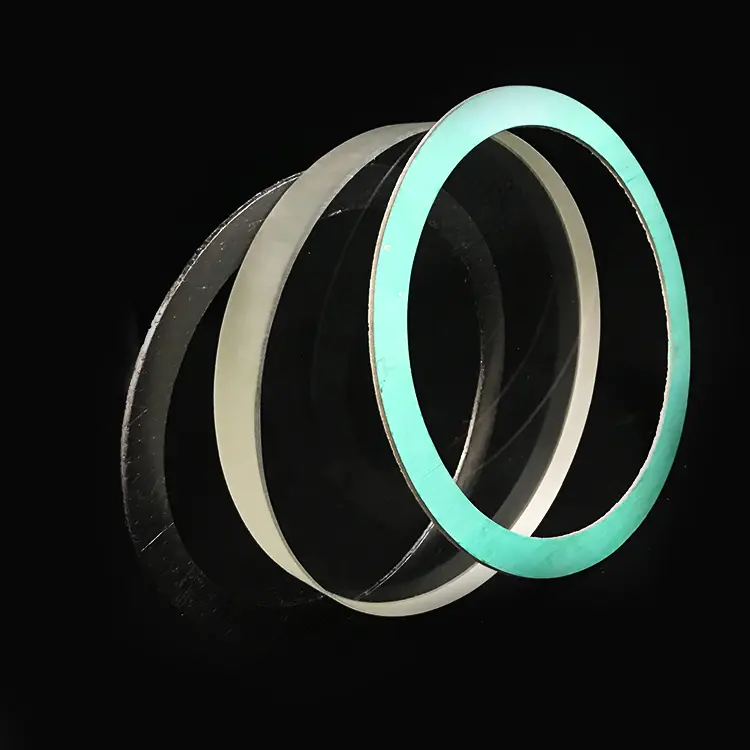 DIN 7080 – Tempered Borosilicate Glass
DIN 7080 sets the bar for tempered borosilicate circular sight glasses. The standard calls out tight dimensional tolerances—within ±0.1 mm—which makes a real difference when you’re sealing against aggressive thermal cycling. The maximum continuous operating temperature sits around 280°C, and the standard also defines the permissible pressure rating. Because borosilicate handles rapid temperature swings without cracking, DIN 7080 glass is widely used for medium to high-temperature applications where thermal shock resistance isn’t just a nice-to-have, but a requirement.
DIN 8902 – Tempered Soda-Lime Glass
On the other side, DIN 8902 governs tempered soda-lime sight glasses. Here, dimensional tolerances are slightly wider at ≤±0.2 mm, and the maximum service temperature reaches approximately 150°C. Soda-lime glass is significantly more cost-effective and easy to process, which makes it the go-to choice for ambient-temperature, low-pressure, non-corrosive environments. When your application doesn’t push thermal or mechanical limits, DIN 8902 glass delivers reliable visibility while staying firmly within basic industrial specifications.
Beyond just temperature and tolerance numbers, both standards exist to give you predictable interchangeability and a known safety envelope. Whether you’re dealing with a simple level indicator on a storage tank or a sight glass on a reactor jacket, knowing whether the glass carries a DIN 7080 or DIN 8902 rating tells you at a glance what it can take.
All of our circular viewing glass panels are manufactured to fully comply with these international DIN norms and are designed to fit standard industrial equipment without modification. Sticking with components that are clearly backed by established Circular Sight Glass Standards and Specifications eliminates guesswork and helps keep your operations safe, consistent, and easy to maintain.
