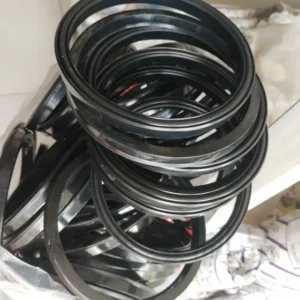
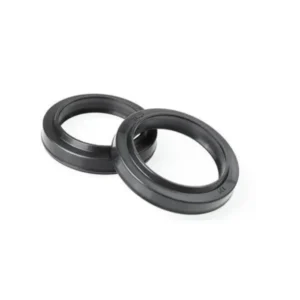

Product Overview
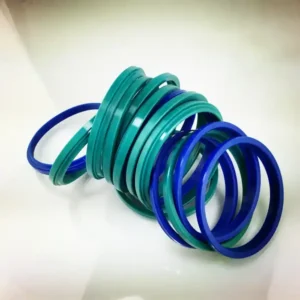
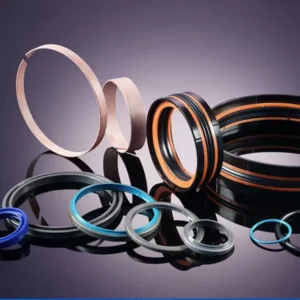
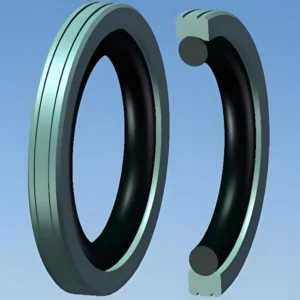
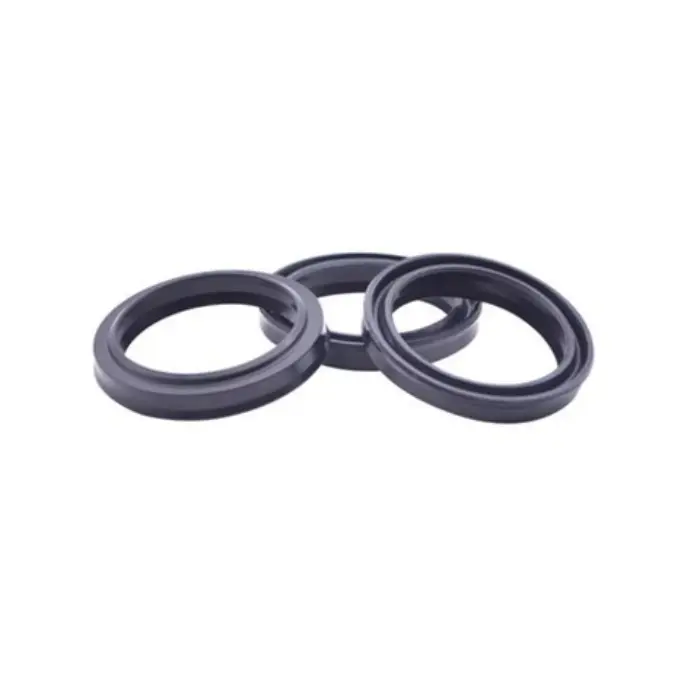
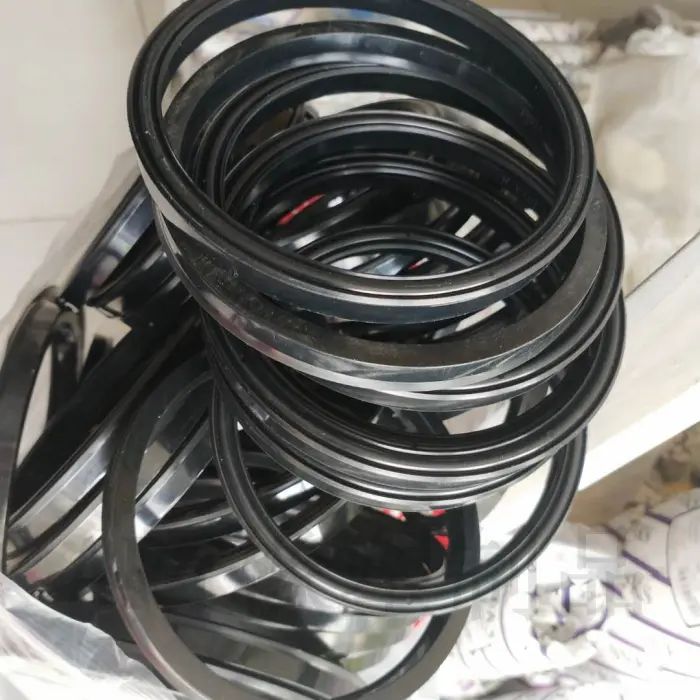
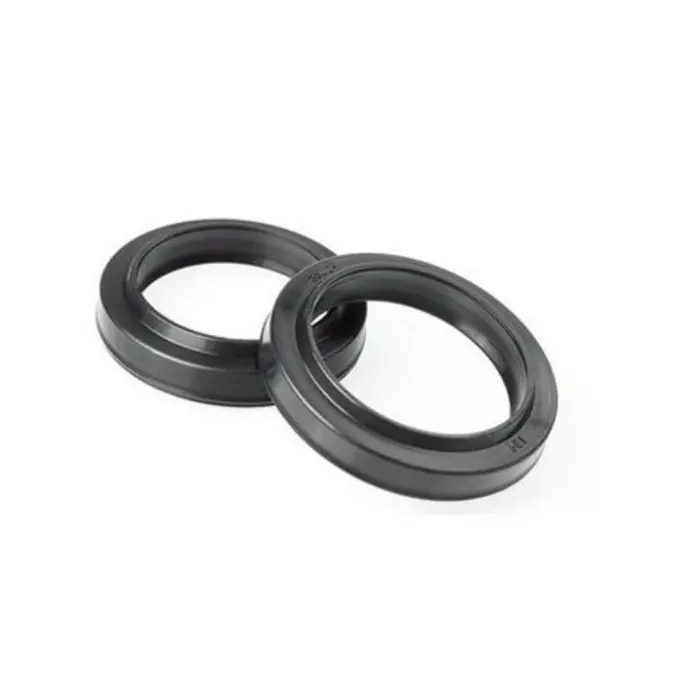
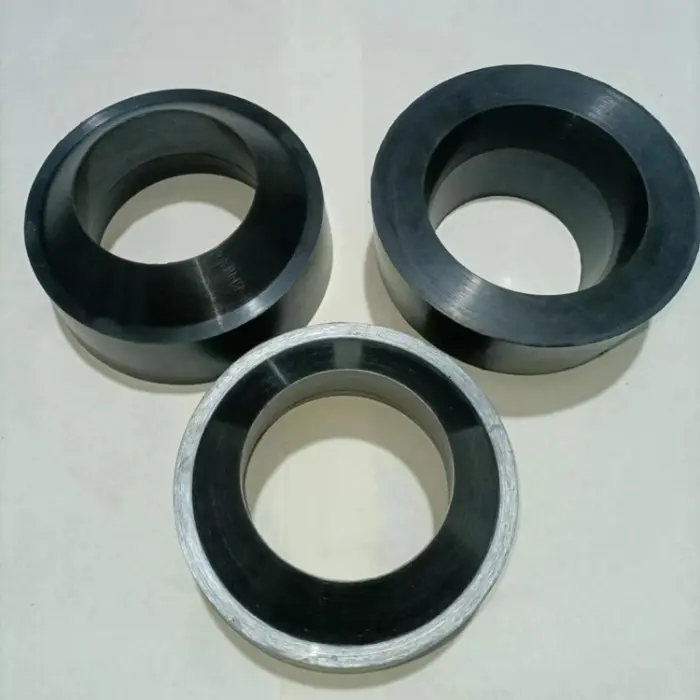
Hydraulic cylinder wiper seals (rod wipers / scrapers / dust wipers) are fitted on the external side of a cylinder head to exclude contaminants before they enter the gland area. By scraping dirt and moisture off the rod and redirecting external fluids, they extend rod-seal life, reduce maintenance costs and improve system uptime. Standard profiles include AN, ST, MCU, D-style snap-in and custom extruded profiles to fit OEM housings.
Key Features
-
External contamination exclusion to protect rod seals and bearing surfaces.
-
Multiple materials for oil resistance, wear resistance and temperature tolerance.
-
Available in standard metric/imperial sizes and unlimited custom profiles for special OEM grooves.
-
Quick-fit snap-in and bonded flange styles for fast assembly.
Detailed Description & Why It Matters
Our hydraulic cylinder wipers are engineered to the dimensional tolerances demanded by industrial and mobile hydraulics. Correct wiper selection (profile + material + fit) prevents abrasive ingress that commonly causes premature rod-seal wear and cylinder failure. We supply ready-to-install standard stock sizes for rapid replacement and offer bespoke tooling for OEM runs. All parts are inspected to ensure dimensional compliance and material traceability.
Materials & Performance
Common materials and practical selection guidance:
-
Nitrile / NBR (Buna-N): economical, excellent general hydraulic oil resistance, typical continuous use to ~100°C — good for standard hydraulic systems.
-
Polyurethane (PU/TPU): outstanding abrasion and wear resistance — preferred where mechanical wear is the dominant failure mode.
-
Fluoroelastomer (FKM / Viton): high heat and chemical resistance when fluids/temps exceed NBR limits.
-
PTFE blends: low friction and excellent chemical resistance — used where minimal stick-slip and wide chemical compatibility are required.
Our engineering team has hands-on experience in material selection for mobile hydraulics, construction equipment, agricultural cylinders and industrial presses. Material selection recommendations are always provided with purchase quotes to ensure service life and compatibility.
Specifications & Technical Data
Typical Functional Specs
-
Operating temperature (by material): NBR ≈ -30°C to +100°C; PU ≈ -30°C to +80°C; FKM ≈ -20°C to +200°C; PTFE wide range depending on compound.
-
Service pressure: wipers are external components and not pressure-bearing; select compatible rod seals for system pressure (typical rod/piston seals rated from 200–5000 psi depending on profile and material).
-
Typical hardness (Shore A): NBR 60–90; PU 85–95 (relative, application dependent).
-
Surface finish recommendation for rod: Ra ≤ 0.4 μm (to avoid accelerated wear).
-
Standard pack sizes: singles, packs of 10, 50 or bulk spools for extrusion cut-to-length.
Common Rod Diameters / Stock Sizes
We stock standard rod diameters commonly used in industry (metric and imperial):
Metric (mm): 6, 8, 10, 12, 16, 20, 25, 32, 40, 50, 63, 80, 100.
Imperial (in): 1/4″, 3/8″, 1/2″, 5/8″, 3/4″, 1″, 1.25″, 1.5″, 2″.
Manufacturers publish full AN/ST/MCU profile tables and groove recommendations — we follow industry gland calculation references for correct groove geometry.
Standard Dimensions Table
Note: final selection requires measuring the cylinder housing groove (ID/OD/groove width). The table below lists typical rod diameter entries for which we keep compatible wiper profiles in stock.
| Rod diameter (mm) | Profile (typical) | Wiper OD (mm) | Wiper Height (mm) | Notes |
|---|---|---|---|---|
| 10 | AN / D-style | 16–18 | 2.8–3.5 | Light duty |
| 16 | AN / ST | 22–24 | 3.5–4.2 | Common mobile cylinder |
| 25 | ST / MCU | 32–34 | 4.0–5.0 | Medium duty |
| 40 | MCU / Flange | 50–52 | 5.0–6.5 | Heavy duty |
| 63 | Flange / bonded | 75–78 | 6.0–8.0 | Large bore cylinders |
Advantages — Why buy from us (E-E-T-A placement)
-
Experience: decades of sealing components supply to OEMs and aftermarket for hydraulics and mobile equipment.
-
Engineering support: free profile selection and groove check with purchase orders above MOQ.
-
Quality control: incoming material certificates, dimensional inspection and hardness checks; traceable batch numbers on all deliveries.
-
Supply flexibility: stocked standard sizes for fast shipment and custom tooling for OEM volume runs.
-
Cost efficiency: competitive pricing for bulk replacement packs and contract-manufactured series.
Material Comparison
| Property / Material | Nitrile (NBR) | Polyurethane (PU) | FKM (Viton) | PTFE blends |
|---|---|---|---|---|
| Abrasion resistance | Good | Excellent | Fair | Good |
| Oil resistance | Good | Good | Excellent | Excellent |
| High temperature | Up to ~100°C | Up to ~80°C | Up to ~200°C | Wide range |
| Typical use case | Standard hydraulic | High wear / long life | High temp / chemical | Low friction, chemical exposure |
| Cost | Low | Medium | High | High |
Applications
-
Mobile hydraulics (excavators, loaders, forklifts)
-
Construction equipment and agricultural cylinders
-
Industrial presses, injection machines and material handling cylinders
-
Marine hydraulics and offshore equipment (select FKM/PTFE for chemical/sea exposure)
-
Food & beverage or washdown environments (use food-grade compounds on request)
Installation & Maintenance Guidance
-
Verify rod diameter, groove profile and groove width before ordering.
-
Ensure rod surface finish Ra ≤ 0.4 μm and correct plating (chromium/nitriding) for long life.
-
Replace wiper whenever rod seal is replaced or if wiper shows cut/tear.
-
For high-abrasion environments choose PU or reinforced PTFE blends.
FAQ
Q1: What is the difference between a wiper and a rod seal?
A: A wiper (rod scraper/dust wiper) is mounted on the outside to remove contaminants before they reach the gland. A rod seal (internal) retains hydraulic fluid under pressure. Both work together to protect cylinder internals.
Q2: Can I install a wiper by myself?
A: Yes — many wipers are snap-in or press-fit. However, measure groove dimensions and rod finish first. For bonded flange types or custom profiles professional installation is recommended.
Q3: Do you offer custom sizes or OEM retooling?
A: Yes — we provide custom tooling for OEM runs and can match legacy profiles from samples or technical drawings.
Q4: How do I choose material for corrosive environments?
A: For aggressive chemicals or high temperatures choose FKM or PTFE grades. Provide fluid type, temperature range and operating pressure for our material recommendation.
Q5: What is lead time for standard vs custom orders?
A: Standard stocked sizes: typically 3–7 business days depending on quantity. Custom tooling: lead time varies (typically 3–6 weeks). Final lead time will be confirmed on PO.
Product Catalog & Downloadable Specs
Available downloadable files (placeholders — host these files on your server or request PDF delivery):
If you would like us to generate branded PDFs using your logo and contact details, provide your logo and desired contact info and we will prepare print-ready catalogs and size tables.
Ordering & Samples
-
Sample policy: small nominal fee or refundable upon bulk order.
-
MOQ: varies by profile — stocked items ship in small quantities; custom tooling requires MOQ.
-
How to order: request quote with the following: rod diameter, profile type (if known), material preference, quantity and required delivery date.
E-E-T-A Statement (Experience • Expertise • Authoritativeness • Trustworthiness)
Our engineering team has extensive hands-on experience specifying and supplying wiper seals to OEMs and aftermarket distributors. We apply industry gland calculations and follow manufacturer catalogs for profile tolerances. Every batch receives material verification and dimensional inspection; technical datasheets accompany shipments to support traceability and on-site maintenance teams.
Contact & Company Information
Hengshui Aohong— Mechanical Seals Division
-
Email: sales@aohongglobal.com (for datasheet requests and fast quotes)
-
Phone: +(86) 153 7318 1024 (please replace with your official number)