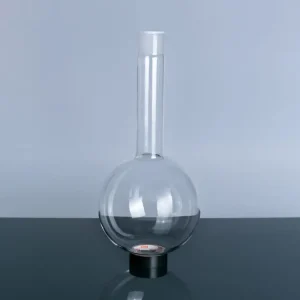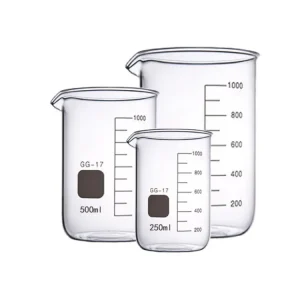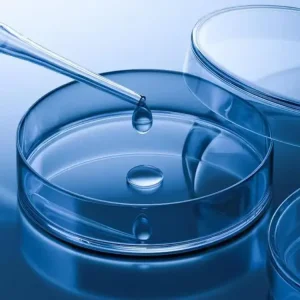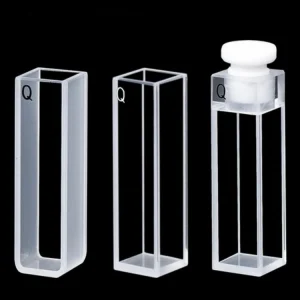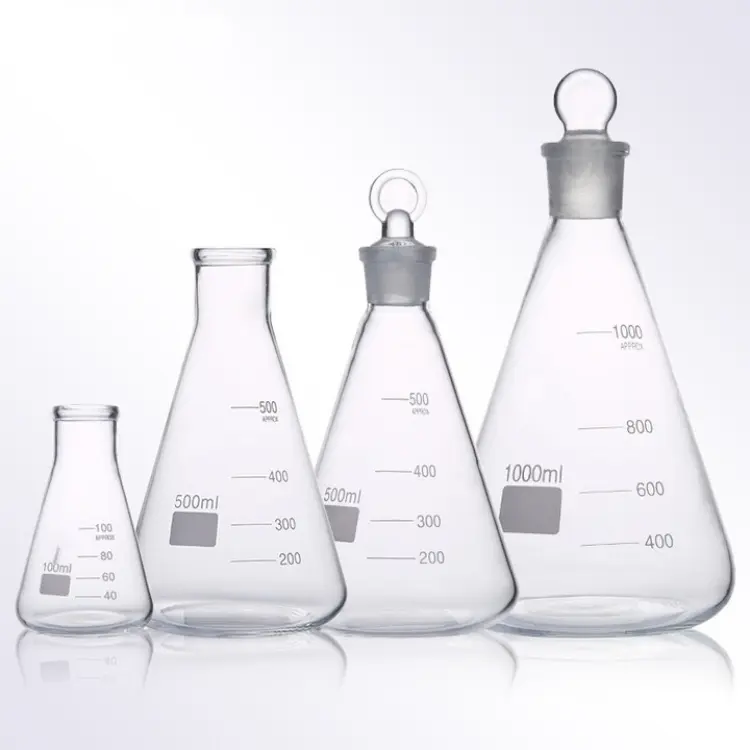
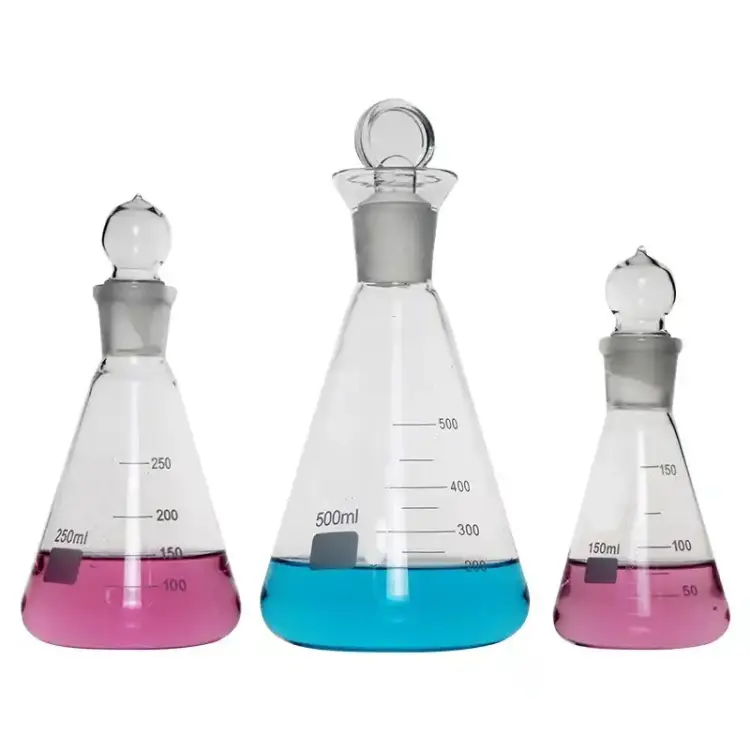
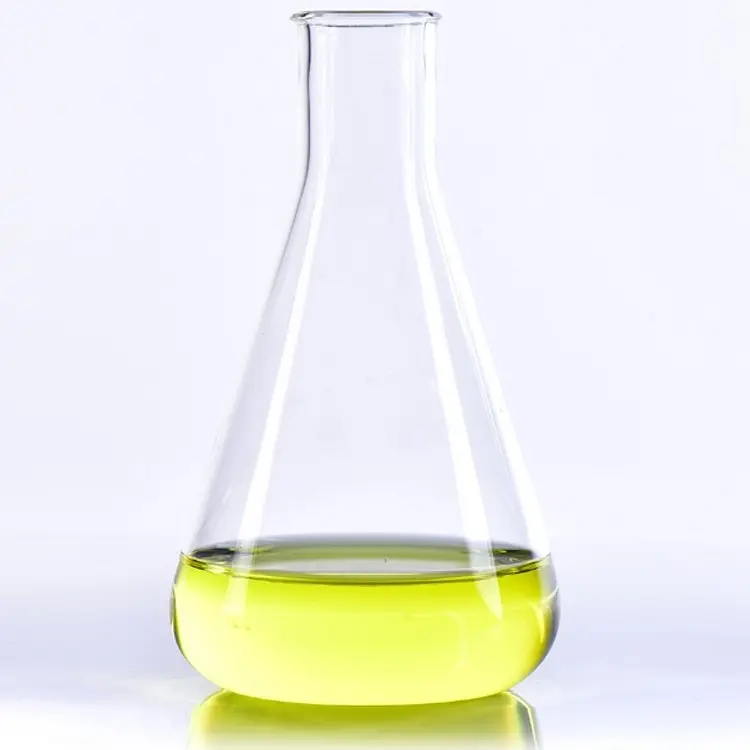
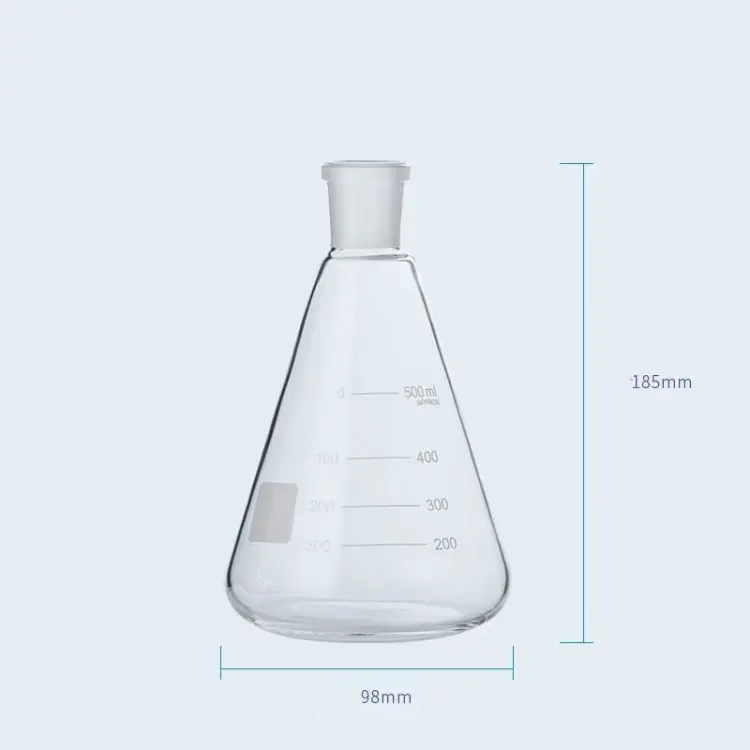
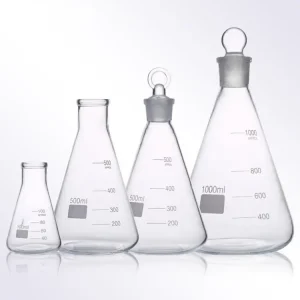
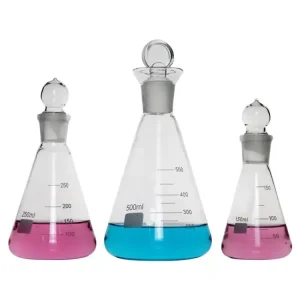
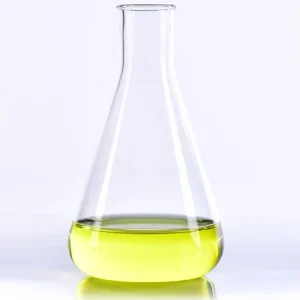
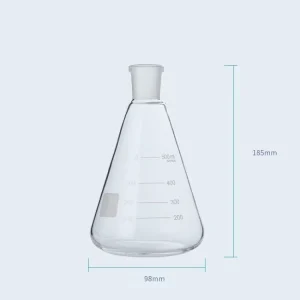
A quartz flask is a high-purity laboratory vessel engineered for extreme temperature applications and aggressive chemical environments. Also known as a fused quartz flask or silica flask, this vessel delivers superior thermal shock resistance and chemical inertness that borosilicate glass cannot match.
Primary Applications & Core Functions
Quartz flasks are essential for precision chemistry, semiconductor manufacturing, and high-purity material research. They are widely utilized in the following scenarios:
-
High-Temperature Reactions & Distillation: Ideal for heating and reflux applications up to 1200°C without deformation or contamination.
-
Trace Metal Analysis & Volumetric Preparation: The non-leaching surface ensures zero interference in ICP-MS or AA spectrometry, making them indispensable for quartz volumetric flask applications.
-
Semiconductor & Photovoltaic Processing: Used in wafer cleaning and etching where ultra-low alkali metal content is critical.
-
UV Spectroscopy & Photochemistry: Excellent optical transmission from UV to IR range (200-2000nm) supports light-sensitive experiments.
Material & Specifications
This fused silica quartz flask is manufactured from high-purity silica sand melted at extreme temperatures, resulting in a glass matrix with exceptional structural integrity.
-
Material Composition: Fused Quartz / Fused Silica (SiO₂ ≥ 99.99%).
-
Softening Point: Approx. 1730°C.
-
Thermal Expansion Coefficient: Extremely low at 5.5×10⁻⁷/°C, providing unmatched thermal shock resistance.
Key Advantages of High Purity Quartz Labware
-
Extreme Thermal Stability: This high temperature quartz flask withstands continuous operation at 1100°C and short-term exposure up to 1200°C, ideal for quartz distilling flask setups.
-
Superior Chemical Resistance: Inert to all acids (except hydrofluoric acid) and most bases, ensuring no cross-contamination in chemical quartz flask usage.
-
High Optical Clarity: Allows clear observation of reaction progress. The quartz erlenmeyer flask design enables easy mixing and visual monitoring.
-
Ultra-Low Leachable: Prevents ion migration, perfect for sensitive quartz boiling flask experiments and sample storage.
Technical Parameters & Common Dimensions
Below are the standard specifications for clear quartz flask products. Custom sizes and neck configurations are available upon request.
Technical Data Sheet (General Properties)
| Parameter | Specification / Value |
|---|---|
| Material Purity | SiO₂ ≥ 99.99% |
| Maximum Working Temp | 1100°C (Continuous) / 1200°C (Short-term) |
| Softening Point | ≈ 1730°C |
| Thermal Expansion | 5.5×10⁻⁷ /°C (20°C – 320°C) |
| Density | 2.2 g/cm³ |
| UV Transmission | > 90% (200nm – 2000nm) |
| Chemical Durability | Excellent (Except HF) |
Common Dimensions (Flat Bottom Flask Reference)
| Capacity (ml) | Outer Diameter (mm) | Height (mm) | Neck Diameter (mm) |
|---|---|---|---|
| 50 | 51 | 100 | 22 |
| 100 | 64 | 110 | 22 |
| 250 | 85 | 140 | 34 |
| 500 | 105 | 170 | 34 |
| 1000 | 131 | 200 | 42 |
| 2000 | 165 | 250 | 50 |
Note: Round bottom quartz flask dimensions may vary slightly. Please refer to individual product drawings.
Quality Assurance & Compliance
We maintain rigorous quality control to ensure every quartz glass flask meets international standards for laboratory and industrial use.
-
Quality Control Standards: Products are manufactured in accordance with JC/T 652-2011 (Quartz Glassware Flask) standards, ensuring dimensional accuracy and material integrity.
-
Material Inspection: Comprehensive raw material testing for trace impurities using ICP-MS (Inductively Coupled Plasma Mass Spectrometry) to guarantee 4N purity.
-
Performance Testing: Routine thermal shock testing (1100°C to 20°C water quench) verifies structural reliability under extreme stress.
Case Study: High-Temperature Catalyst Research
A leading research institute experienced repeated vessel failure using standard glassware during 700°C catalyst activation, resulting in sample loss and project delays.
Solution & Result: After switching to our quartz round bottom flask, the lab successfully completed over 150 thermal cycles at 1150°C with zero breakage. The ultra-low thermal expansion eliminated cracking during rapid cooling, reducing downtime by 100% and increasing experimental throughput by approximately 20%.