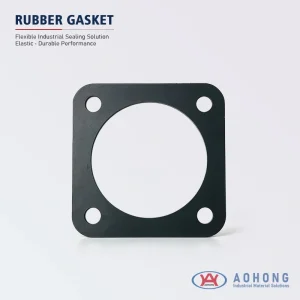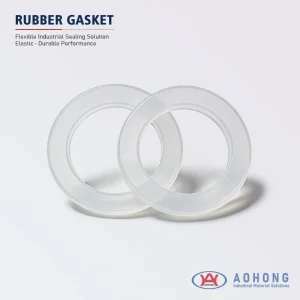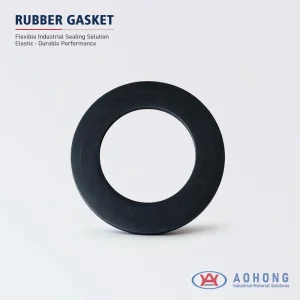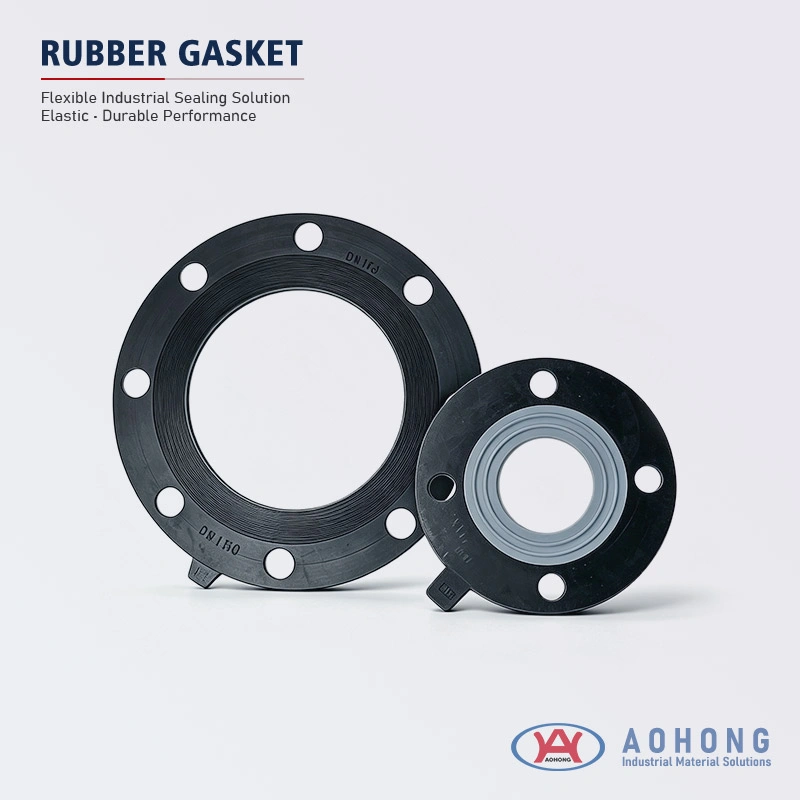
Product Overview — What are EPDM Rubber Gaskets?
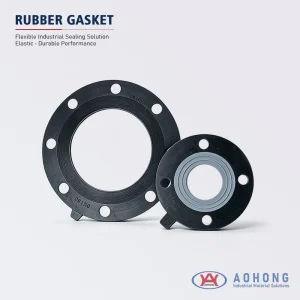
EPDM rubber gaskets are made from Ethylene-Propylene-Diene Monomer (EPDM, sometimes shortened to EPM when unsaturated). They are engineered for long-term outdoor exposure, steam and hot water service, and applications where ozone/UV resistance and weatherability are critical. Common aliases to include in RFQs and product metadata: EPDM gaskets, EPDM rubber gaskets, Ethylene Propylene Diene Monomer gaskets, EPM gaskets.
EPDM rubber gaskets (EPDM — Ethylene-Propylene-Diene Monomer) are durable, weather-resistant seals ideal for outdoor, steam, potable water and HVAC applications. They resist ozone, UV and many polar chemicals, come in a wide range of durometers and standard sheet/roll sizes, and are available in FDA/food-grade compounds for sanitary use.
Key Features & Benefits
-
Excellent resistance to weathering, ozone and UV — ideal for exterior seals and window/door gaskets.
-
Strong steam and hot-water compatibility — commonly used in HVAC, plumbing and steam systems.
-
Available in FDA/food-grade formulations for potable water and food-contact uses.
-
Wide hardness range and stock thicknesses for die-cut and molded gaskets.
Technical Specifications
Note: provide the product datasheet to engineers; the following are representative typical ranges.
| Property | Typical Value / Range |
|---|---|
| Material name / Aliases | EPDM (Ethylene-Propylene-Diene Monomer), EPM |
| Typical Shore A hardness | 40A – 80A (commonly 50–70A for gaskets). |
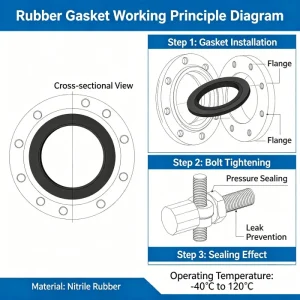
| Typical continuous service temperature | −40°C to +120°C (≈ −40°F to +248°F); short excursions higher depending on compound. |
| Chemical resistance | Excellent vs. water, steam, hot glycol, many acids/bases and polar solvents; poor resistance to oils, gasoline and most hydrocarbons. (Use NBR/Viton for oil contact.) |
| Tensile strength / Elongation | Compound dependent; typical tensile strength ≈ 8–20 MPa and elongation at break 200–600% depending on grade. (See supplier datasheet.) |
| Typical forms | Sheet, roll, die-cut gaskets, molded parts, extruded profiles. |
| Compliance examples | FDA CFR 21 (food grade), WRAS/NSF-61 / potable water certifications available on select grades. |
Standard Thicknesses & Common Sizes
Most EPDM gasket stock is offered in both imperial and metric thicknesses. Below are common stocked fractions and their metric equivalents:
 Common imperial thicknesses → metric (mm)
-
1/64″ ≈ 0.40 mm
-
1/32″ ≈ 0.79 mm
-
1/16″ ≈ 1.59 mm
-
3/32″ ≈ 2.38 mm
-
1/8″ ≈ 3.17 mm
-
3/16″ ≈ 4.76 mm
-
1/4″ ≈ 6.35 mm
-
3/8″ ≈ 9.52 mm
-
1/2″ ≈ 12.70 mm
(rounded to two decimals).
Typical roll & sheet widths
-
Roll widths commonly: 36″ (0.91 m), 48″ (1.22 m); custom widths and larger master sheets available. Standard sheet lengths/widths vary by mill and supplier.
Die-cut & molded gaskets
-
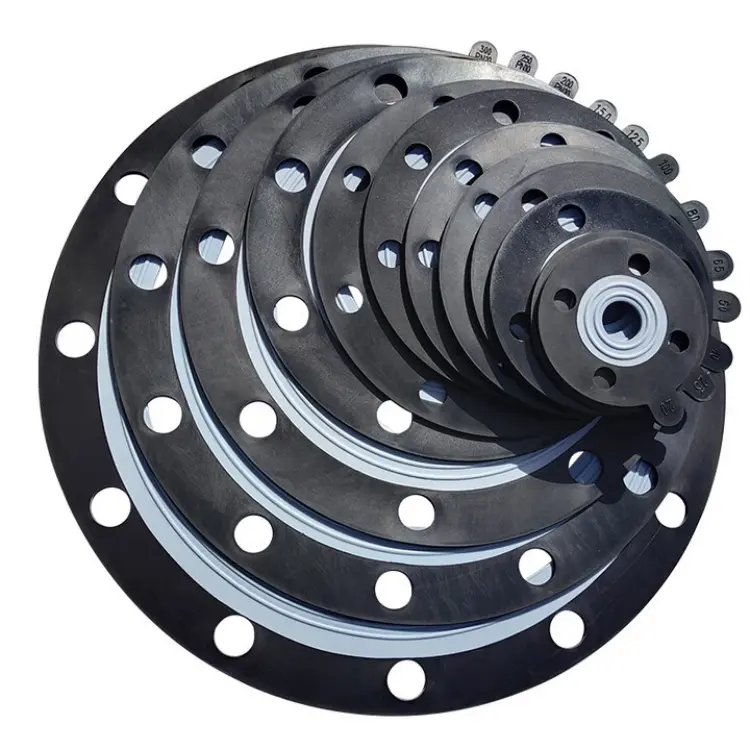
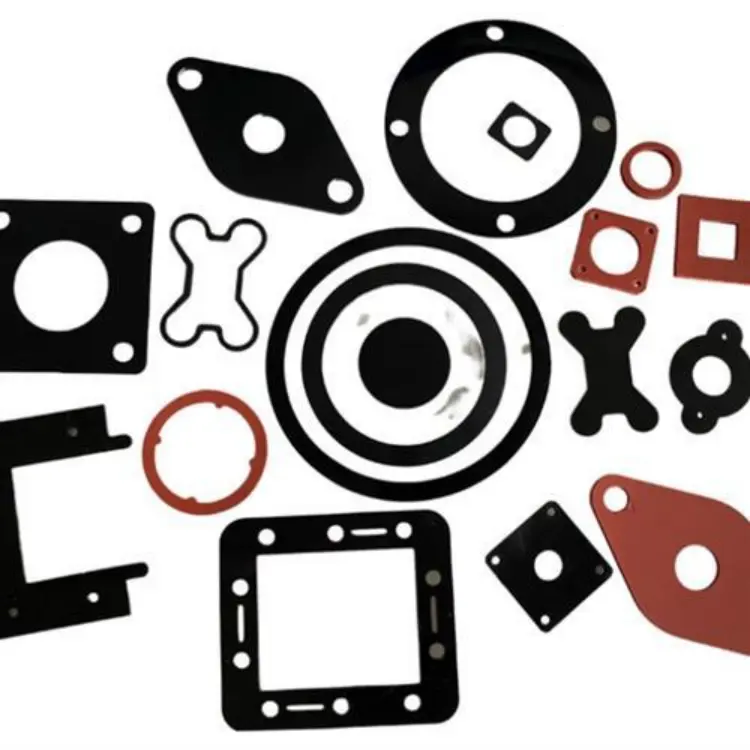
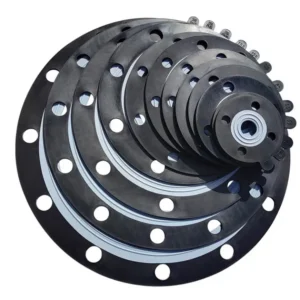
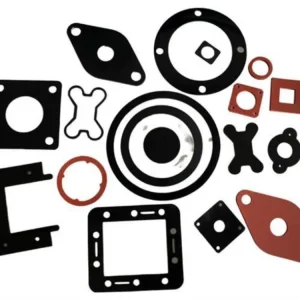
We produce die-cut rings and full-face gaskets from small ODs (10–20 mm) up to multi-meter flange gaskets; tolerances depend on cutting method (die vs. waterjet/CNC).
Typical Applications (B2B focus)
-
Roof & building seals, window/door weatherstripping, expansion joints.
-
HVAC seals, ducting, and steam valve gaskets.
-
Potable water and sanitary seals (use FDA/NSF-approved EPDM).
-
Automotive weather seals (door, trunk, window), rubber profile extrusions.
-
General industrial seals where oil exposure is minimal.
Advantages — Why choose EPDM gaskets?
-
Outstanding weatherability & UV/ozone resistance — long outdoor life and color stability.
-
Steam & hot water compatible — suitable for HVAC and many steam applications.
-
Sanitary / food-grade options — white FDA/NSF variants exist for food & beverage use.
-
Cost-effective for non-oil environments — broad stock availability and easy cutting/molding.
EPDM vs Other Gasket Materials
When to choose EPDM
Choose EPDM when your primary concerns are weathering, ozone, UV, steam or potable water compatibility — not when constant oil or fuel contact is expected.
Quick comparison table
| Property / Material | EPDM | Nitrile (NBR) | Neoprene (CR) | Silicone |
|---|---|---|---|---|
| Oil & fuel resistance | Poor | Excellent | Moderate | Poor |
| Weather/UV/ozone resistance | Excellent | Fair | Good | Good |
| Steam / hot water | Excellent | Limited | Limited | Good (low-temp) |
| Temperature (typical) | −40 to +120°C | −40 to +120°C | −40 to +120°C | −60 to +230°C |
| Typical cost | Low–Medium | Low–Medium | Medium | Higher |
| Best for | Outdoor, steam, potable water | Oil/fuel/hydraulic seals | Outdoor + flame/chemical resistance | High/low temp, food equipment seals |
(Use this table to shortlist candidates; always confirm compound data with us.)
Compliance, Grades & Custom Options
-
FDA / food-grade (white EPDM) for food, beverage and potable water — request certificate of compliance (CFR Title 21 references).
-
NSF/WRAS/WRc approvals available for some potable water grades.
-
Custom compounding for extended temperature or enhanced chemical resistance (discuss application first).
-
Cutting & finishing options: flatbed die cut, waterjet, CNC, compression molding, extrusion — specify tolerance and edge chamfering if required.
 FAQ — Procurement & Engineering Questions
 FAQ — Procurement & Engineering Questions
Q1: What are the common aliases for EPDM rubber gaskets?
A: Common names include EPDM gaskets, EPDM rubber gaskets, Ethylene-Propylene-Diene Monomer gaskets, EPM gaskets. Use these in RFQs to ensure correct material selection.
Q2: Is EPDM oil resistant?
A: No — EPDM performs poorly with mineral oils, fuels and many hydrocarbons. For oil exposure choose Nitrile (NBR) or a fluoroelastomer (Viton).
Q3: Can EPDM gaskets be used for food or potable water?
A: Yes — FDA-approved and NSF/WRAS options exist. Always request the specific compliance certificate for the batch/compound.
Q4: What hardness (Shore A) should I pick?
A: Typical range is 40A–80A: softer (40–55A) for compressible seals and flange gasketing on rough surfaces; harder (60–80A) for load bearing or thicker gaskets. Confirm with gasket design and surface finish.
Q5: What cutting method gives the tightest tolerance?
A: CNC/waterjet or CNC rubber routing typically achieve tighter dimensional control than flatbed die cuts, especially for complex profiles.
Q6: Can I get a sample before large orders?
A: Yes — standard practice is to supply small cut samples or short-run die cuts to validate fit and compound performance.