


Product Overview
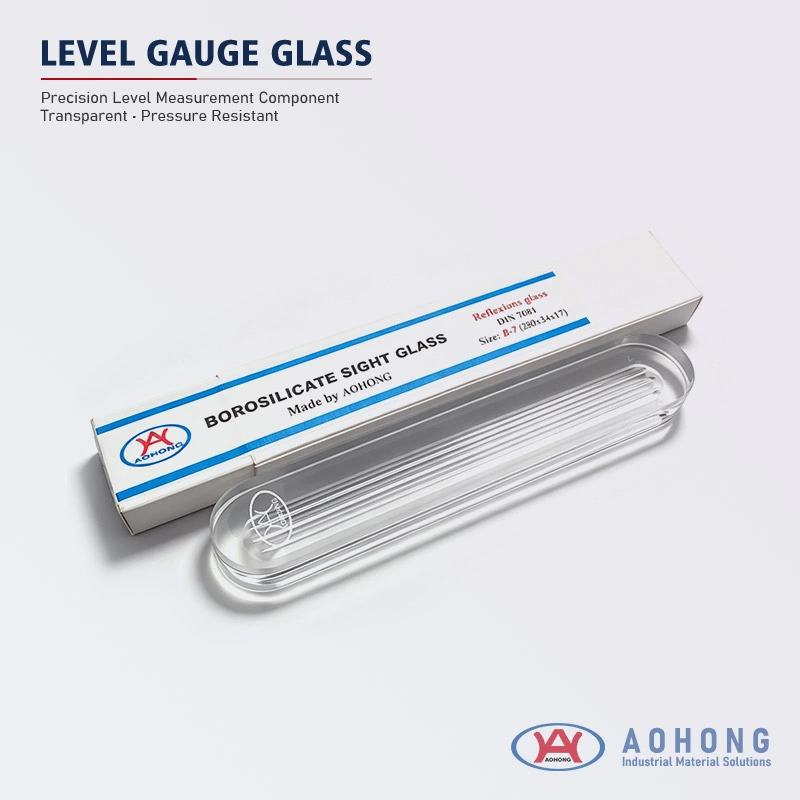
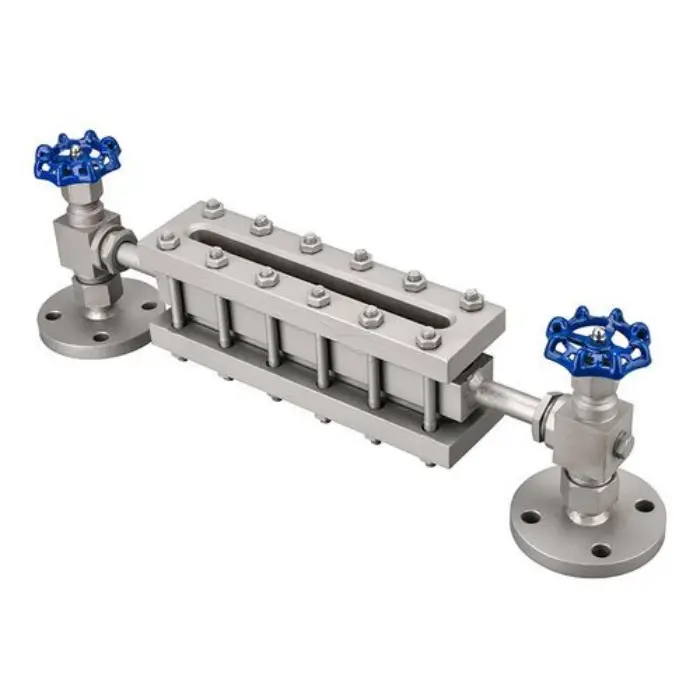
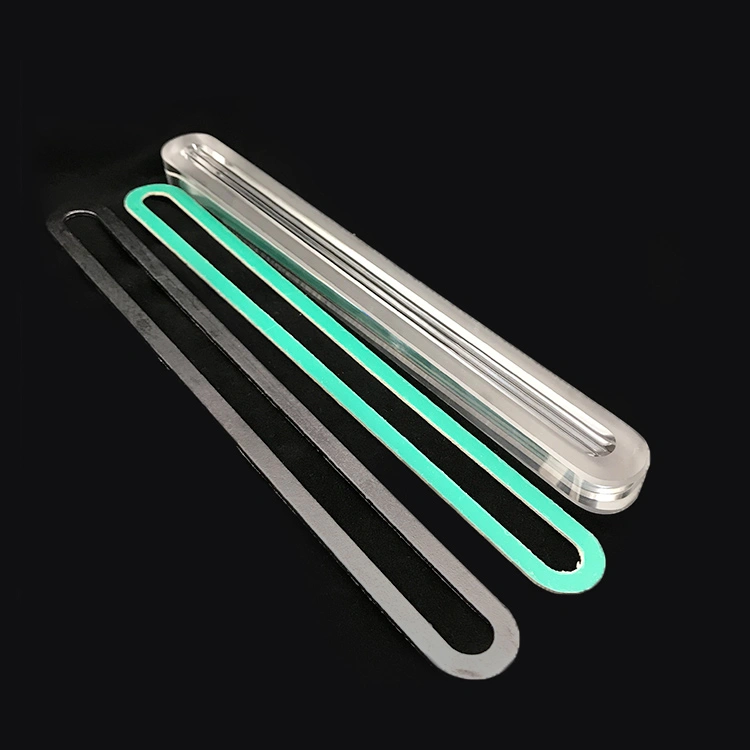
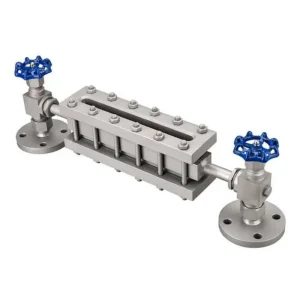
Borosilicate reflex gauge glass is used for direct liquid-level reading in armored level gauge assemblies. It is designed for visual indication in pressurized service where thermal shock resistance and chemical durability matter.
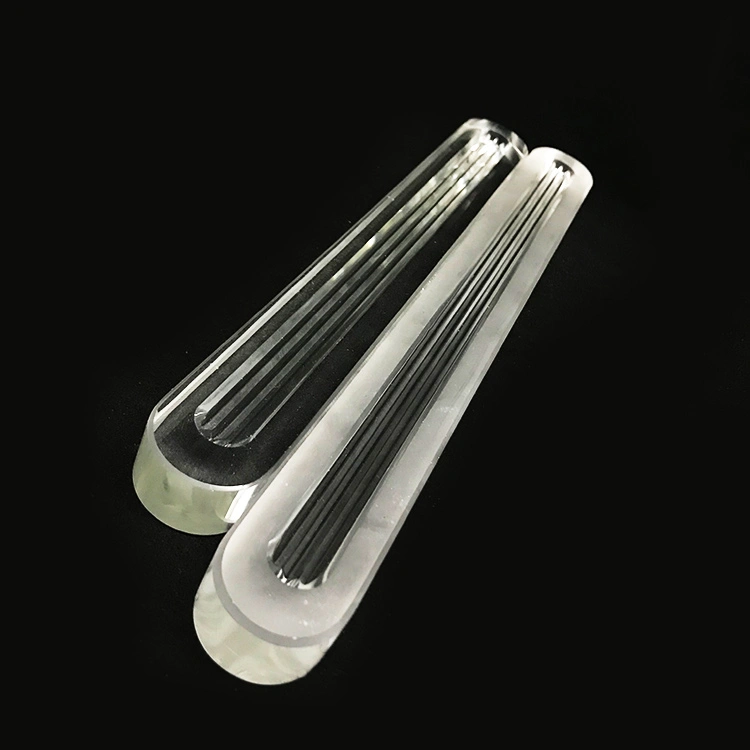
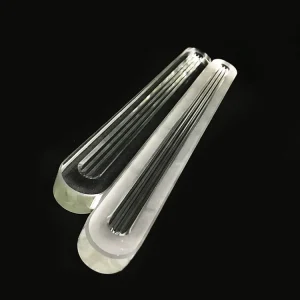
This product is also commonly called reflex sight glass, reflex level gauge glass, reflective gauge glass, level indicator glass, and borosilicate gauge glass. In a reflex design, the prism surface reflects light so the liquid zone appears dark and the vapor zone appears bright, which makes the level easier to read.
Working Principle
Reflex gauge glass uses vertical prism geometry to improve contrast. It is mainly selected for clear fluids and standard industrial level indication where fast visual reading is required.
Typical Applications
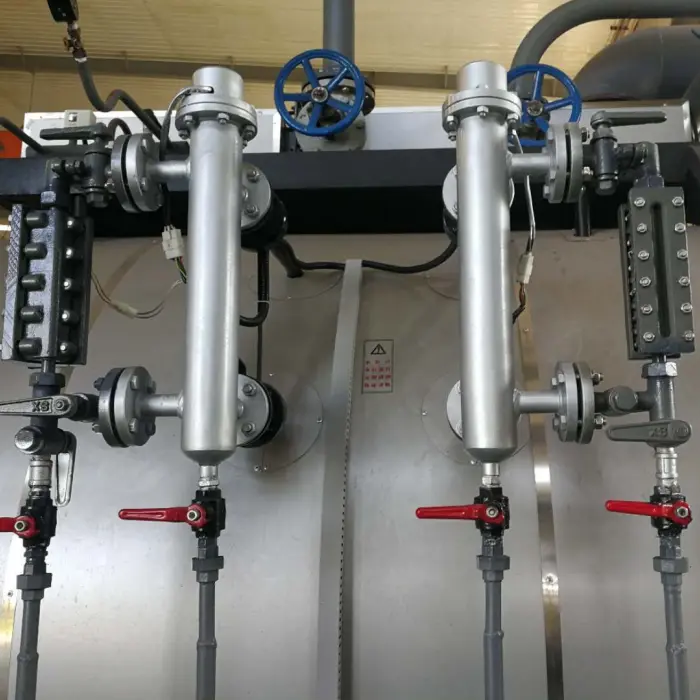
Borosilicate reflex gauge glass is used in process vessels, boilers, heat-transfer equipment, and petrochemical or oil-industry level gauges where the glass is exposed to pressure, thermal load, and chemical stress. Reflex glasses are mainly used in the petrochemical industry, oil industry, and general-purpose level-indication applications.
Material and Performance
The glass is manufactured from tempered borosilicate material with low thermal expansion and high thermal cycling resistance. Technical data for DIN 7081 reflex and transparent gauge glass lists a thermal expansion coefficient of 3.3 × 10⁻⁶/K, density of 2.23 g/cm³, refractive index of 1.472, transformation temperature of 560 °C, highest short-term working range of 500 °C, and thermal shock resistance of 180 K. The same data set also lists hydrolytic resistance HGB 1, acid resistance S1, and alkaline resistance A2.
Advantages
Borosilicate reflex gauge glass is chosen for clear liquid-level visibility, low thermal expansion, and stable performance under industrial operating conditions. DIN 7081 material information also states that the glass is tempered to increase bending strength from 40 N/mm² to 80 N/mm², improving resistance to pressure, thermal shock, and chemical attack.
Technical Parameters
| Item | Specification |
|---|---|
| Material | Tempered borosilicate glass |
| Product type | Reflex gauge glass / reflex sight glass / reflective gauge glass |
| Standard | DIN 7081 |
| Visual principle | Prism reflection for dark-liquid / bright-vapor indication |
| Thermal expansion coefficient | 3.3 × 10⁻⁶/K |
| Density at 25 °C | 2.23 g/cm³ |
| Refractive index | 1.472 |
| Transformation temperature | 560 °C |
| Highest short-term working range | 500 °C |
| Thermal shock resistance | 180 K |
| Hydrolytic resistance | HGB 1 |
| Acid resistance | S1 |
| Alkaline resistance | A2 |
| Standard thickness | 17 mm |
| Standard width | 30 mm or 34 mm |
| Identification format | DIN 7081 R length × width |
Common Sizes
| DIN 7081 Identification Length | Width | Thickness | Notes |
|---|---|---|---|
| 140 mm | 30 / 34 mm | 17 mm | Standard series |
| 165 mm | 30 / 34 mm | 17 mm | Standard series |
| 190 mm | 30 / 34 mm | 17 mm | Standard series |
| 220 mm | 30 / 34 mm | 17 mm | Standard series |
| 250 mm | 30 / 34 mm | 17 mm | Common size |
| 280 mm | 30 / 34 mm | 17 mm | Standard series |
| 320 mm | 30 / 34 mm | 17 mm | Standard series |
| 340 mm | 30 / 34 mm | 17 mm | Standard series |
| 370 mm | 34 mm | 17 mm | Standard series |
| 400 mm | 34 mm | 17 mm | Standard series |


